Toxic to pets
Plants that pose a known risk to cats or dogs. Keep out of reach; if chewed, call ASPCA Animal Poison Control at (888) 426-4435.
223 plants
A
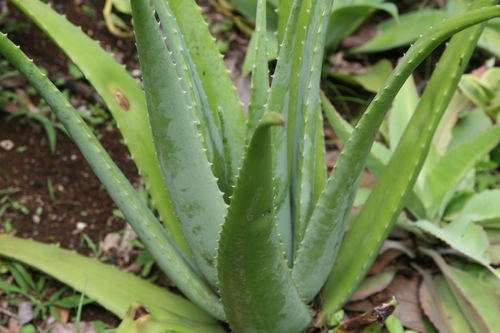
Aloe vera is a popular succulent known for its medicinal gel, but it contains compounds that can cause digestive distress if ingested by pets. It is widely grown as a houseplant for its architectural foliage and low-maintenance care requirements.
Potentially toxic for cats & dogs.
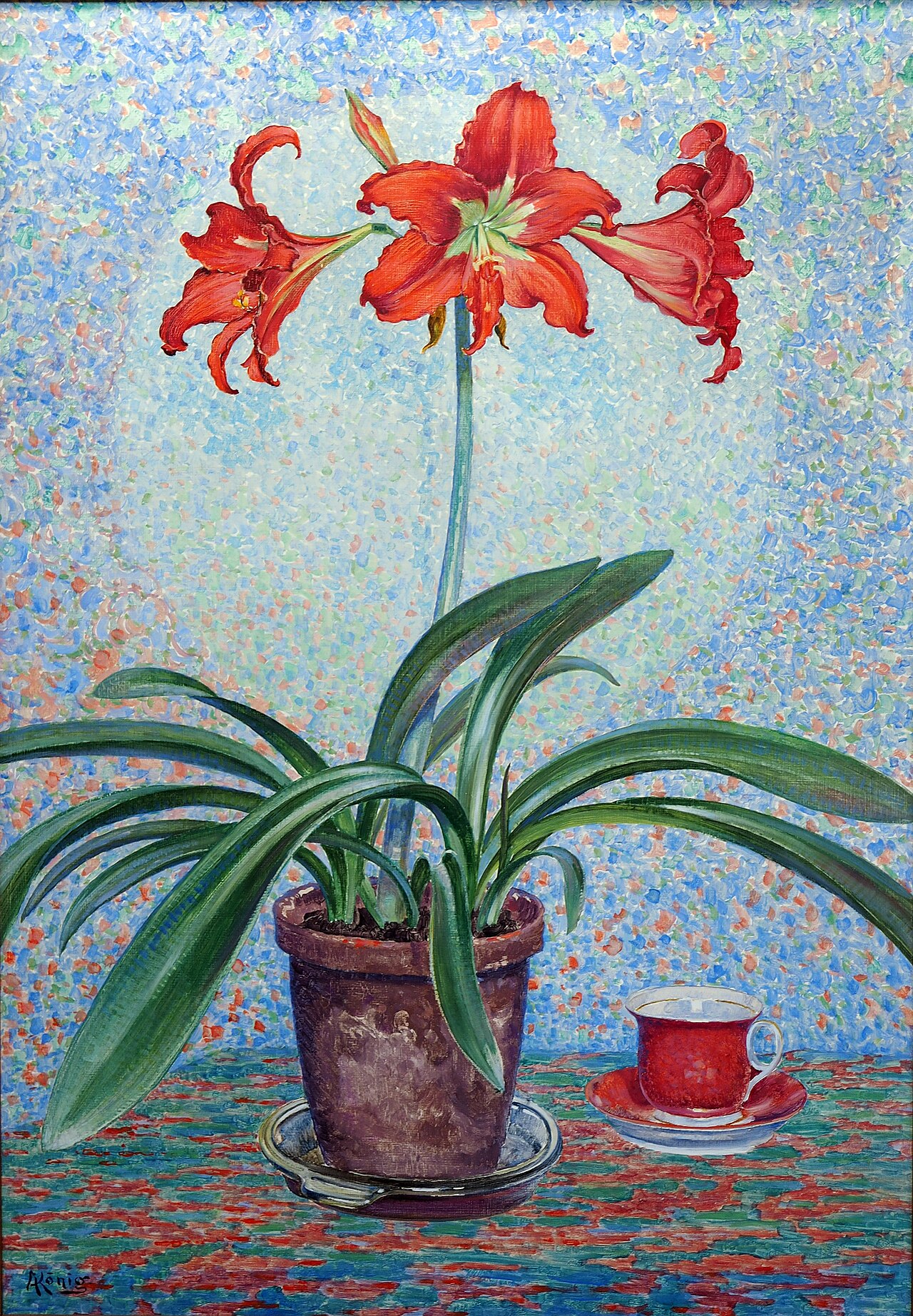
Amaryllis is a popular bulbous plant known for its large, trumpet-shaped flowers, but it contains compounds that are harmful if ingested by pets. It is best kept out of reach of curious animals to prevent accidental exposure.
Potentially toxic for cats & dogs.
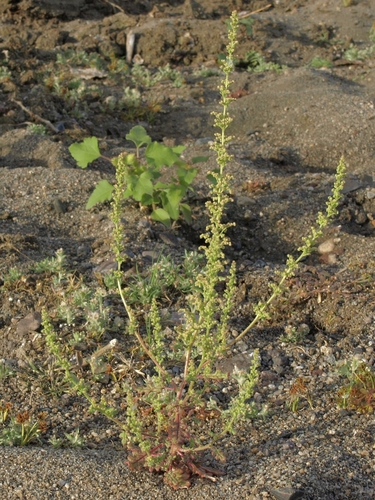
Chenopodium botrys is an aromatic annual herb often grown for its unique scent and foliage. It contains compounds that can cause gastrointestinal distress if ingested by pets.
Potentially toxic for cats & dogs.
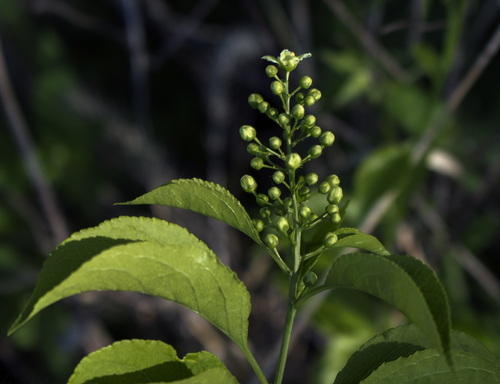
American Bittersweet is a woody vine native to North America, often recognized for its vibrant orange and red fruit capsules. While ornamental, all parts of the plant are considered toxic to pets if ingested.
Potentially toxic for cats & dogs.
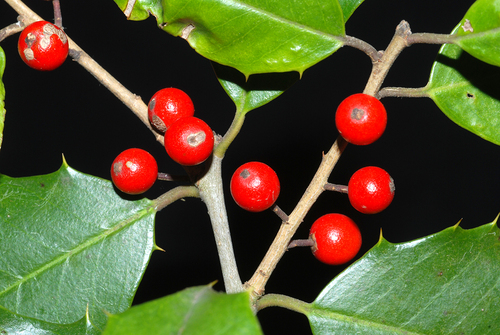
American Holly is an evergreen shrub or tree known for its spiny, glossy leaves and bright red berries. While ornamental, the plant contains compounds that can cause gastrointestinal distress if ingested by pets.
Potentially toxic for cats & dogs.
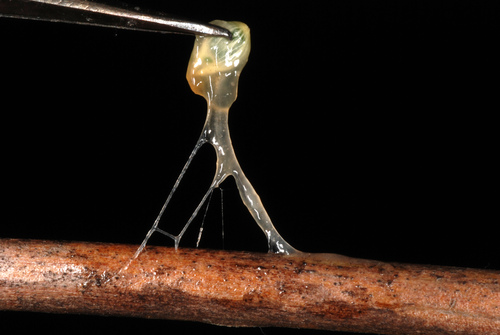
American Mistletoe is a hemiparasitic shrub often used in holiday decor that contains compounds capable of causing significant gastrointestinal and cardiovascular distress if ingested. Due to the potential for serious health complications, it should be kept strictly out of reach of all pets.
Potentially toxic for cats & dogs.
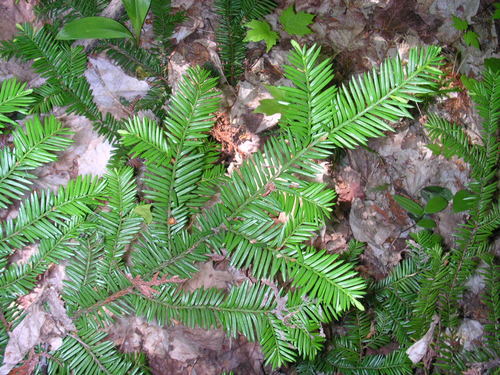
American Yew is a low-growing evergreen shrub containing taxine alkaloids that are highly poisonous to most mammals. Ingestion of any part of the plant, especially the needles and seeds, can cause severe systemic reactions.
Potentially toxic for cats & dogs.
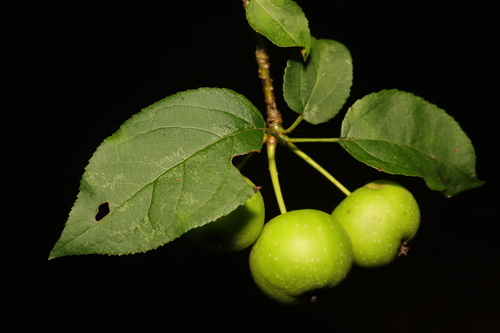
The apple tree is a deciduous fruit-bearing plant known for its edible fruit, though the seeds and foliage contain cyanogenic glycosides that can be harmful if ingested in large quantities. While the fruit flesh is generally safe, the plant parts containing amygdalin pose a risk to pets.
Potentially toxic for cats & dogs.
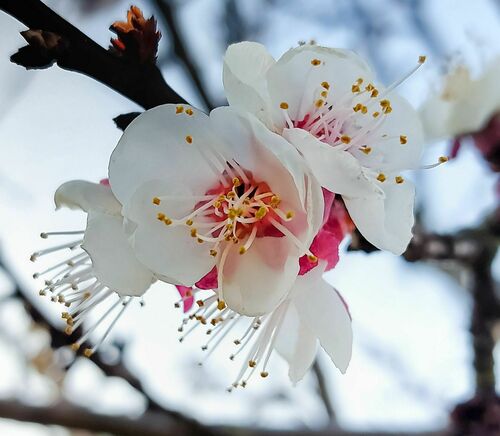
The apricot tree is a fruit-bearing species in the rose family. While the fruit flesh is generally considered safe, the stems, leaves, and seeds contain cyanogenic glycosides that can be harmful if ingested.
Potentially toxic for cats & dogs.
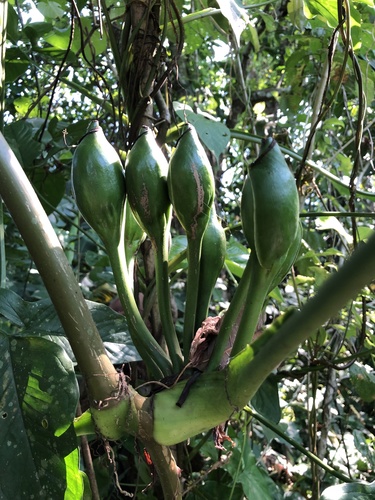
Syngonium podophyllum is a popular tropical vining plant known for its arrow-shaped leaves that change form as the plant matures. It contains insoluble calcium oxalate crystals which can cause irritation if ingested by pets.
Potentially toxic for cats & dogs.
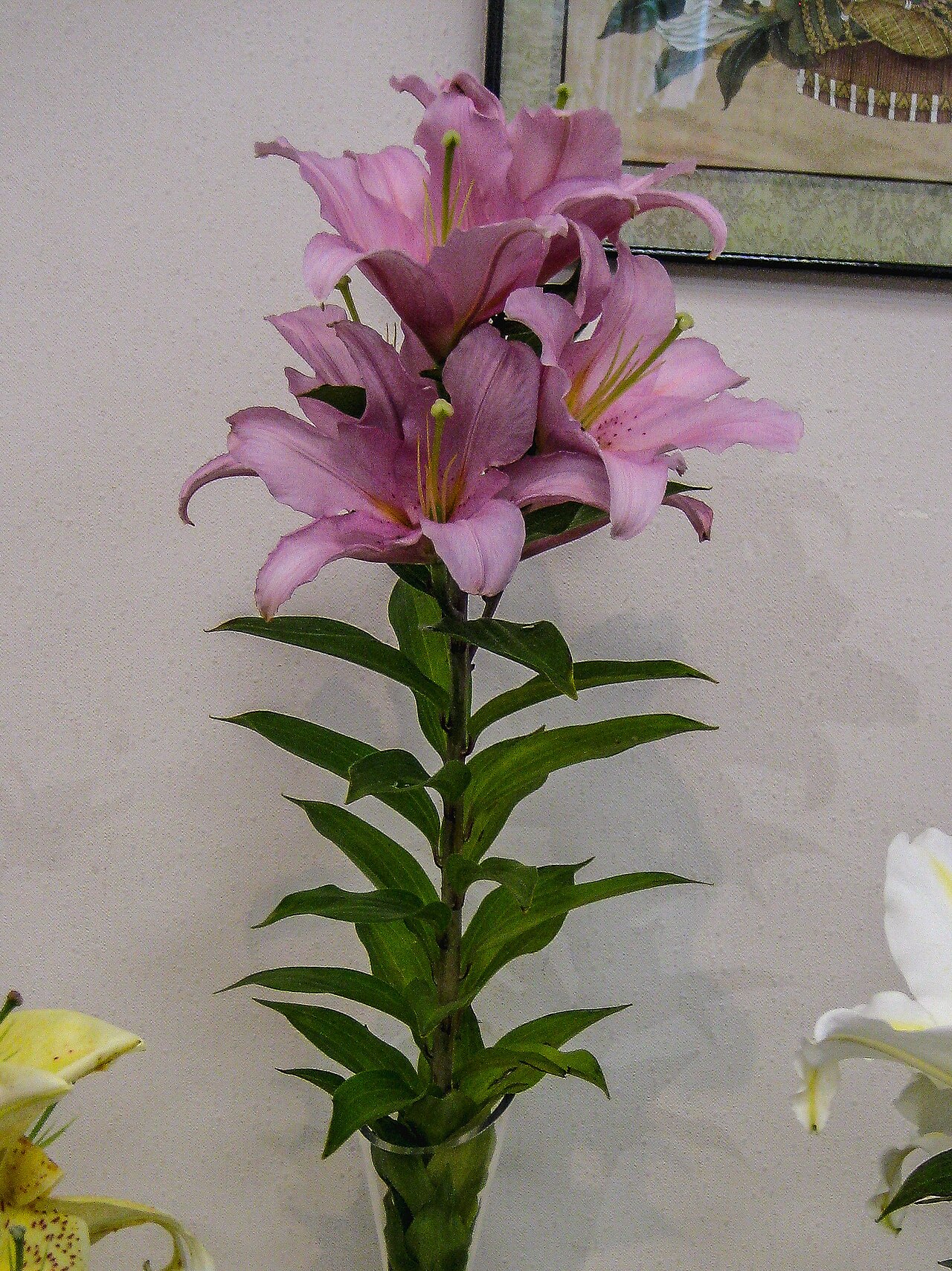
Asian lilies are popular ornamental flowering plants known for their vibrant blooms, but they pose a significant health risk to certain pets. Ingestion of any part of the plant can lead to severe systemic issues.
Potentially toxic for cats.
Uncertain for dogs.
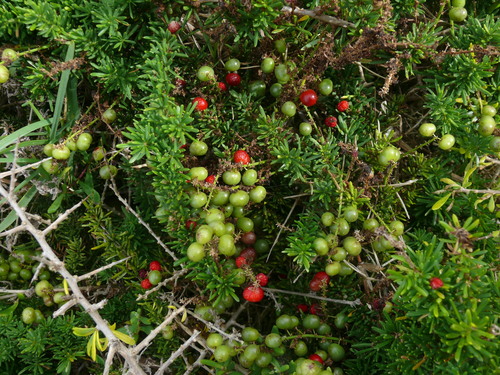
The Asparagus Fern is a popular, feathery houseplant that is actually a member of the lily family. Despite its delicate appearance, it contains toxic compounds that can cause irritation if ingested by pets.
Potentially toxic for cats & dogs.
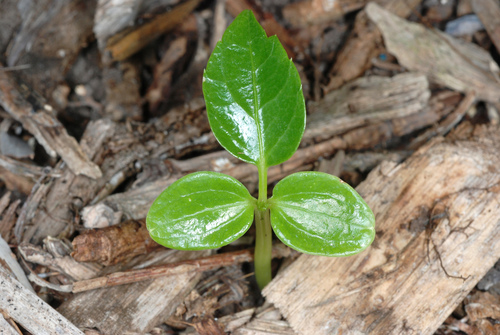
The Australian Ivy Palm is a popular indoor tree known for its large, umbrella-like leaves. It contains insoluble calcium oxalate crystals that can cause irritation upon ingestion.
Potentially toxic for cats & dogs.
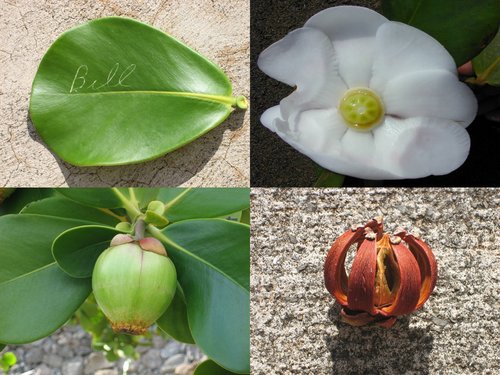
Clusia major is a tropical evergreen shrub known for its thick, leathery leaves and unique ability to grow as an epiphyte. It is commonly kept as a houseplant for its architectural foliage, but it contains compounds that can cause irritation if ingested by pets.
Potentially toxic for cats & dogs.
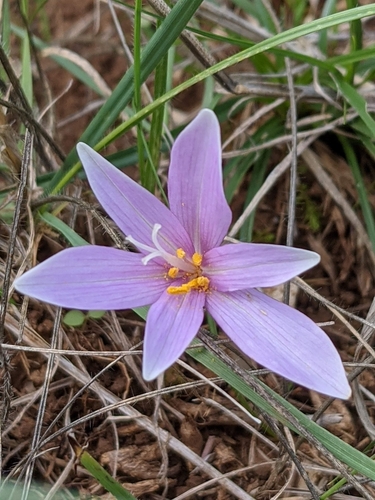
The Autumn Crocus is a bulbous perennial known for its late-season blooms that emerge directly from the ground. It contains potent alkaloids that make it highly dangerous if ingested by pets.
Potentially toxic for cats & dogs.
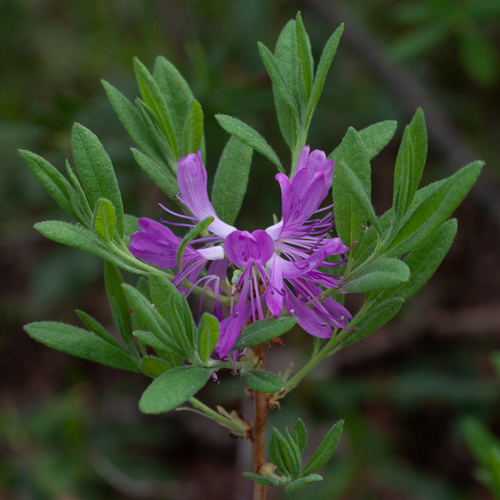
Azaleas are flowering shrubs in the Rhododendron genus that contain grayanotoxins, which can cause significant illness if ingested by pets. These plants are highly toxic and require immediate veterinary attention if consumption is suspected.
Potentially toxic for cats & dogs.
B
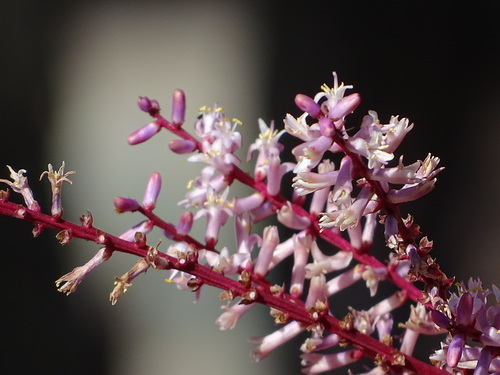
The Baby Doll Ti Plant is a popular tropical ornamental known for its vibrant, colorful foliage. It contains saponins which can cause gastrointestinal distress if ingested by pets.
Potentially toxic for cats & dogs.
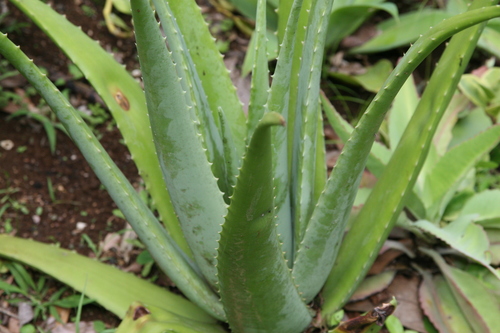
Barbados Aloe is a popular succulent known for its medicinal gel, but it contains compounds that can cause digestive distress if ingested by pets. It is best kept out of reach of curious cats and dogs.
Potentially toxic for cats & dogs.
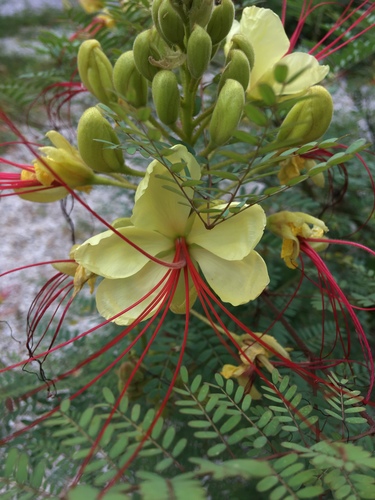
Barbados Pride is a flowering shrub known for its striking yellow flowers and long red stamens. It contains compounds that can cause gastrointestinal distress if ingested by pets.
Potentially toxic for cats & dogs.
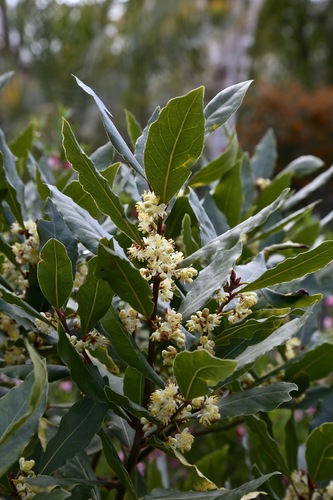
Bay Laurel is a popular culinary herb often grown as an ornamental shrub or tree. While prized for its aromatic leaves, it contains essential oils that can cause digestive distress if ingested by pets.
Potentially toxic for cats & dogs.
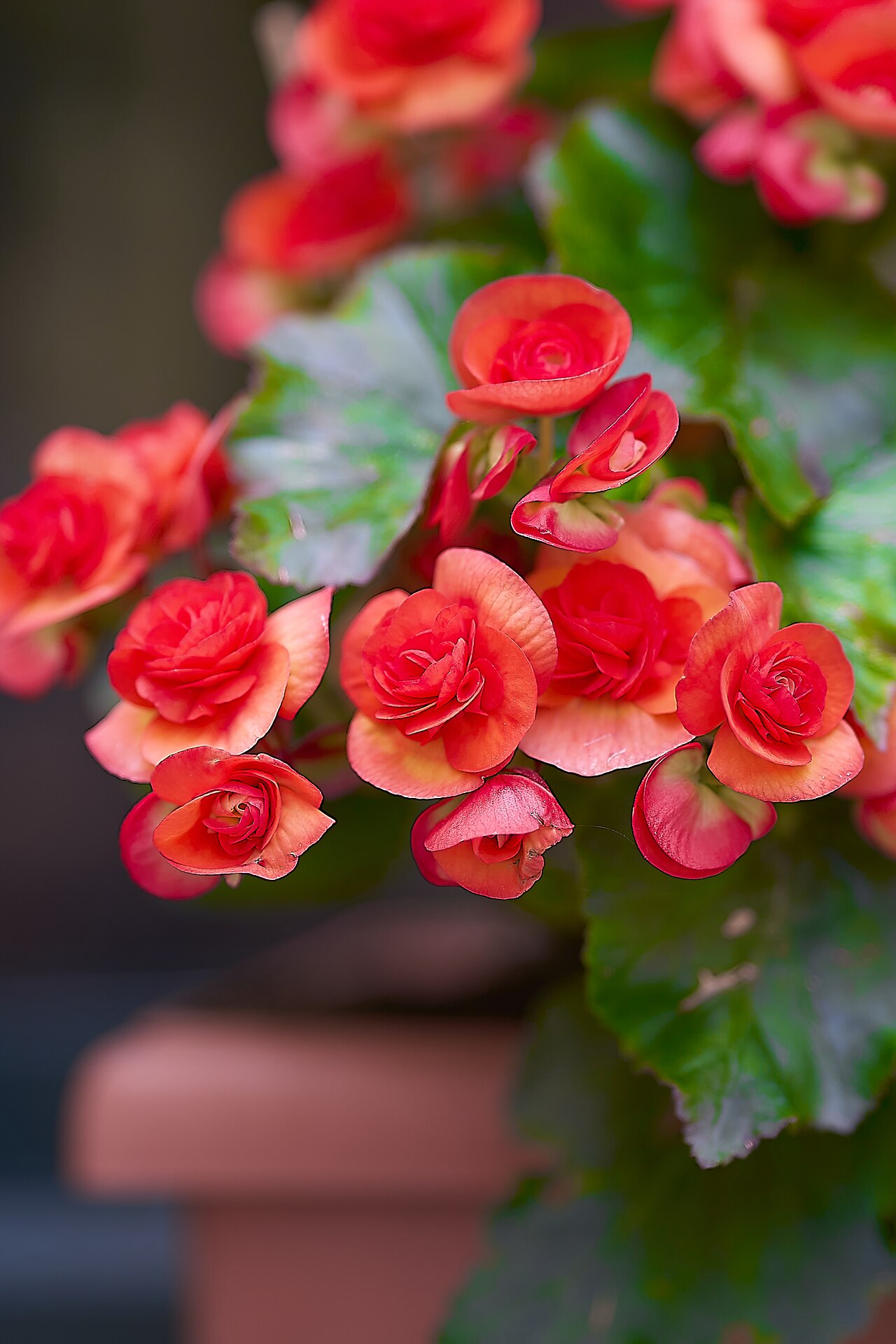
Begonias are popular ornamental plants known for their diverse foliage and vibrant flowers. They contain soluble calcium oxalates which can cause irritation if ingested by pets.
Potentially toxic for cats & dogs.
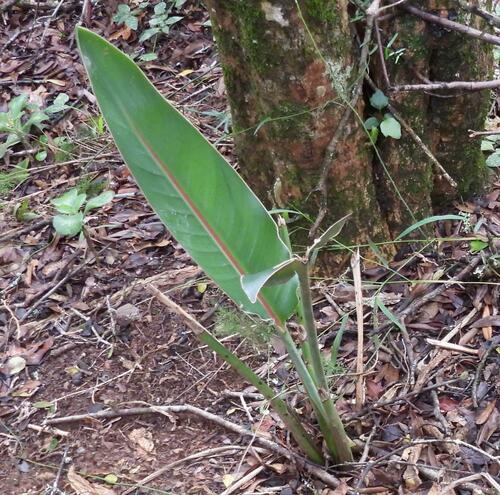
The Bird of Paradise is a popular tropical houseplant known for its striking, crane-like orange and blue flowers. While visually stunning, it contains compounds that can cause gastrointestinal distress if ingested by pets.
Potentially toxic for cats & dogs.
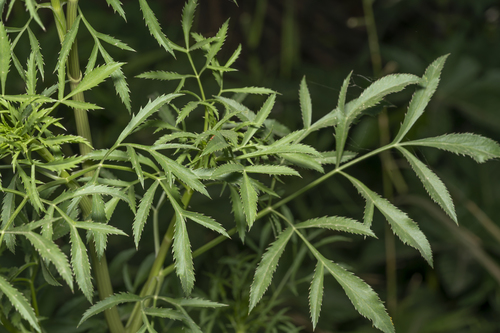
Bishop's Weed is an annual herb often grown for its delicate, lace-like white flower clusters. It contains furanocoumarins which can cause skin irritation and systemic issues if ingested.
Potentially toxic for cats & dogs.
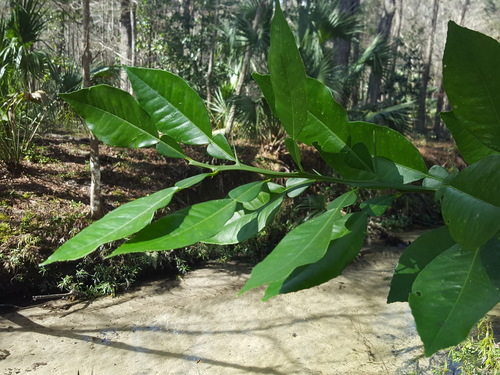
Citrus aurantium is a citrus tree known for its fragrant flowers and bitter fruit, often used in essential oil production. It contains compounds that can cause adverse reactions if ingested by pets.
Potentially toxic for cats & dogs.
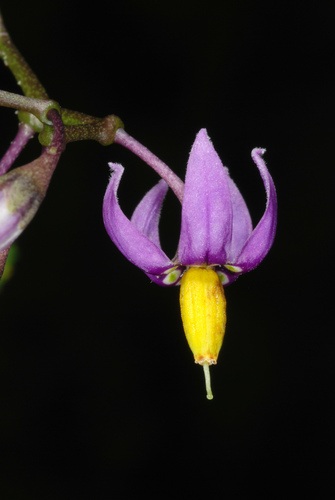
Climbing Nightshade is a perennial vine in the nightshade family known for its star-shaped purple flowers and bright red berries. It contains solanine alkaloids that are harmful to pets if ingested.
Potentially toxic for cats & dogs.
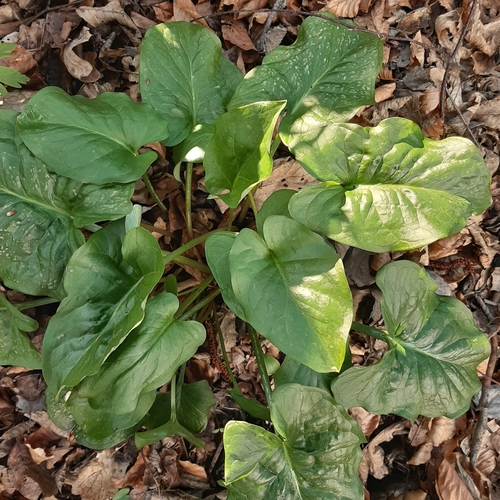
Arum palestinum is a tuberous perennial known for its striking, dark purple-black spathe. It contains insoluble calcium oxalate crystals that cause irritation upon contact with mucous membranes.
Potentially toxic for cats & dogs.
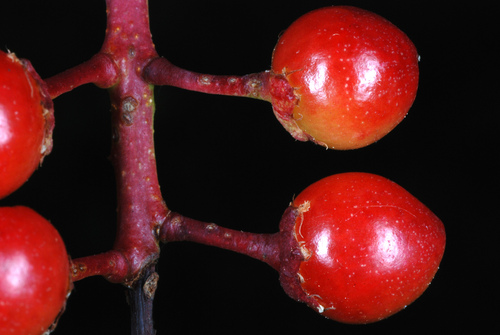
Prunus serotina is a native North American tree known for its dark, edible fruit and foliage that contains cyanogenic glycosides. Ingestion of any part of the plant, particularly the leaves and seeds, can be hazardous to pets.
Potentially toxic for cats & dogs.
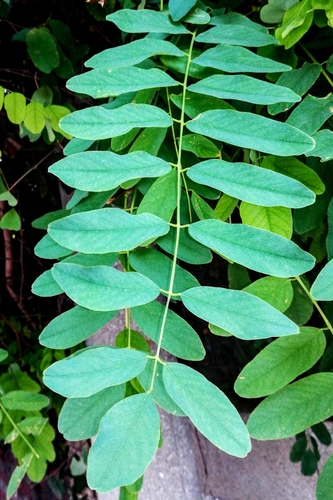
Robinia species, commonly known as locust trees, contain toxic proteins and alkaloids throughout the bark, leaves, and seeds. Ingestion can lead to significant gastrointestinal and neurological distress in pets.
Potentially toxic for cats & dogs.
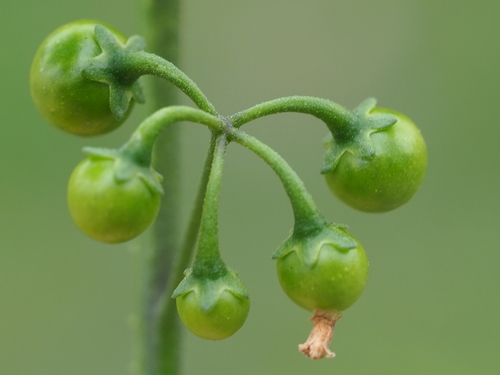
Black Nightshade is an herbaceous plant in the Solanaceae family containing solanine alkaloids that are harmful if ingested. It is widely considered a weed and is not typically cultivated as an indoor houseplant.
Potentially toxic for cats & dogs.
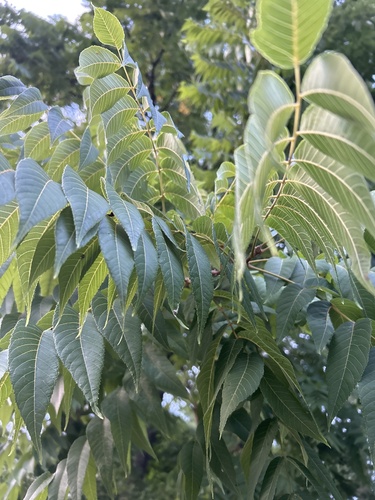
The Black Walnut is a large deciduous tree native to North America, widely recognized for its edible nuts and distinctively dark, hard wood. While generally considered safe for cats, the plant material and nuts can pose specific health risks to dogs.
Generally safe for cats.
Potentially toxic for dogs.
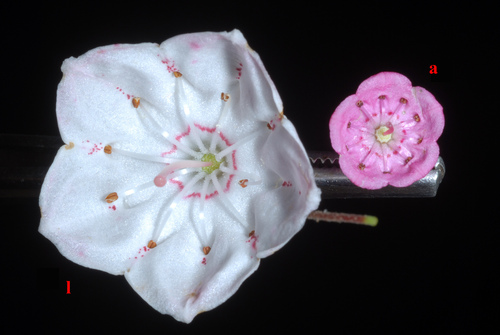
Bog Laurel is a small, evergreen shrub native to North American wetlands, known for its clusters of delicate, cup-shaped pink flowers. It contains grayanotoxins, which are highly dangerous if ingested by pets.
Potentially toxic for cats & dogs.
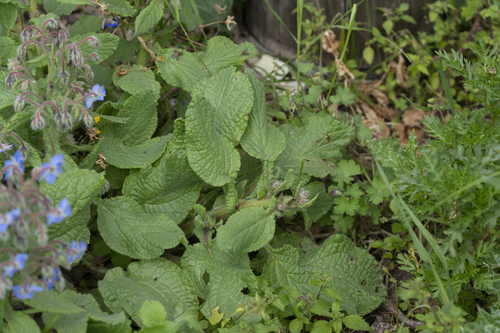
Borage is a flowering herb known for its star-shaped blue flowers and hairy foliage. While often used in culinary applications for humans, it contains pyrrolizidine alkaloids that can be harmful to pets if ingested.
Potentially toxic for cats & dogs.
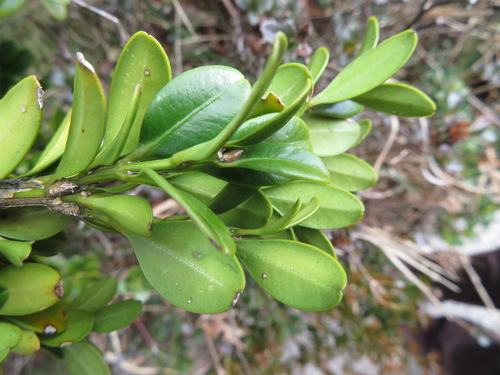
Boxwood is a popular evergreen shrub often used for hedging and topiary, containing steroidal alkaloids that can cause gastrointestinal distress if ingested. It is considered toxic to both cats and dogs.
Potentially toxic for cats & dogs.
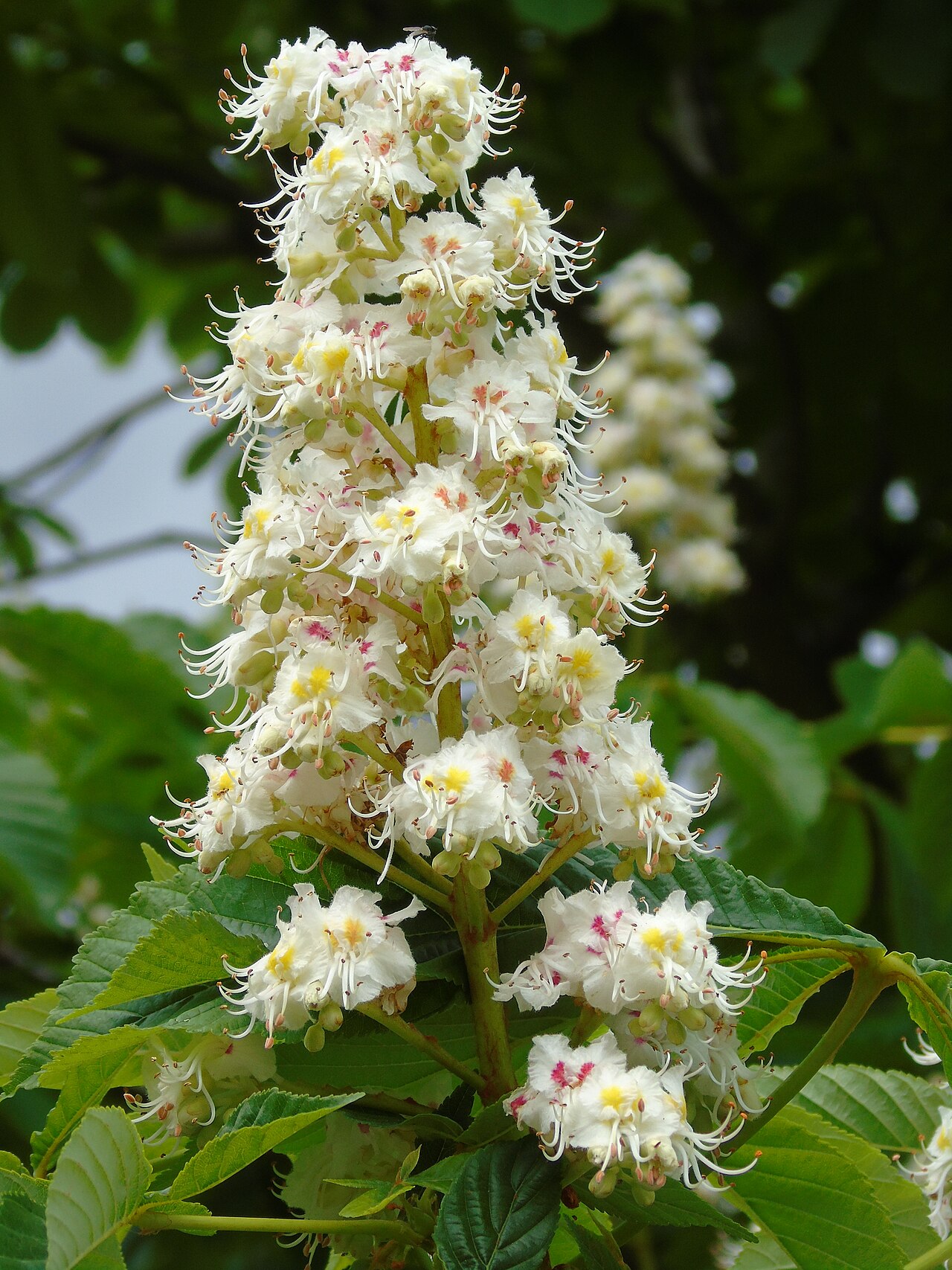
Buckeye trees and shrubs contain toxic glycosides and saponins that affect the gastrointestinal and nervous systems. All parts of the plant, especially the seeds and leaves, are considered poisonous if ingested.
Potentially toxic for cats & dogs.
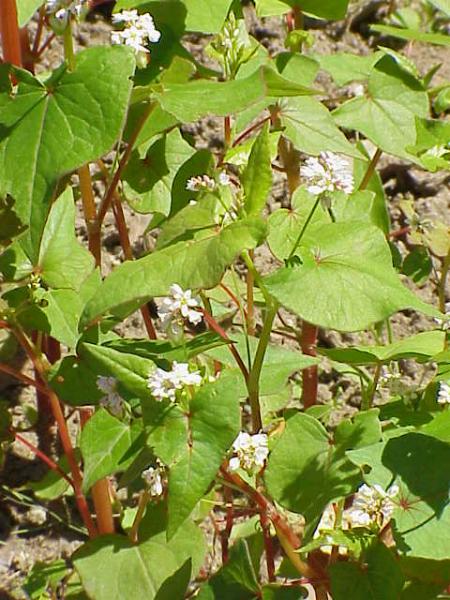
Buckwheat is an herbaceous plant often grown for its grain-like seeds, but it contains compounds that can cause photosensitivity in animals if ingested in large quantities. It is generally considered a concern for pets if consumed in significant amounts.
Potentially toxic for cats & dogs.
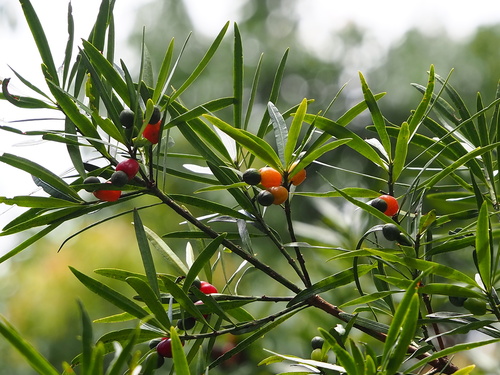
The Buddhist Pine is a slow-growing evergreen conifer often used as an ornamental shrub or bonsai specimen. While popular for its needle-like foliage, it contains compounds that can cause gastrointestinal distress if ingested by pets.
Potentially toxic for cats & dogs.
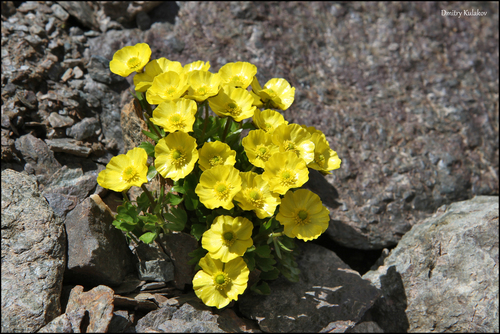
Buttercups are flowering plants known for their bright, cup-shaped blooms, but they contain compounds that can cause irritation if ingested. They are generally considered toxic to household pets due to the presence of protoanemonin.
Potentially toxic for cats & dogs.
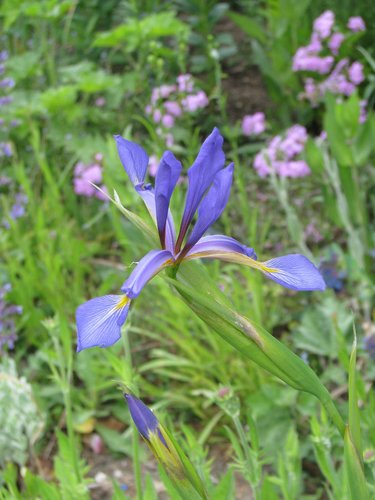
The Butterfly Iris is a rhizomatous perennial known for its elegant, orchid-like flowers and tall, grass-like foliage. It is commonly grown in garden borders but contains compounds that can cause irritation if ingested by pets.
Potentially toxic for cats & dogs.
C
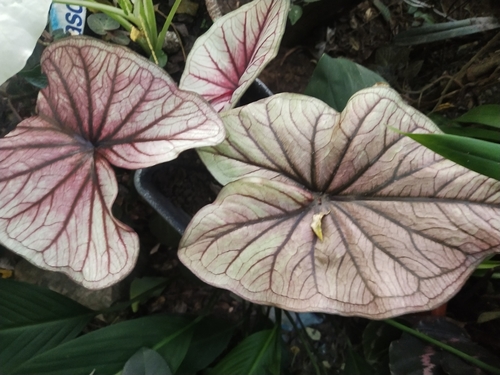
Caladiums are popular tropical foliage plants known for their vibrant, heart-shaped leaves. They contain insoluble calcium oxalate crystals that can cause irritation if ingested.
Potentially toxic for cats & dogs.
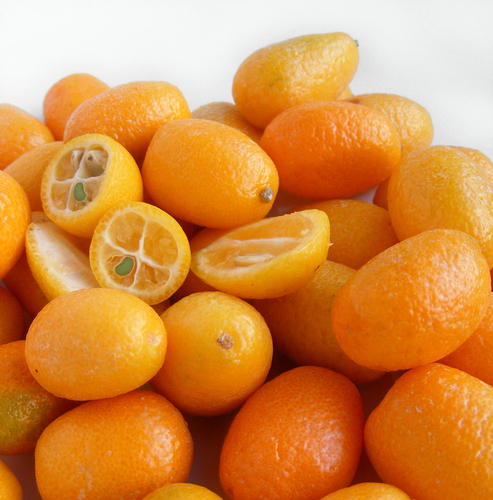
The Calamondin Orange is a small citrus tree often grown as an ornamental houseplant for its fragrant flowers and small, edible-looking fruit. It contains essential oils and psoralens that can cause irritation if ingested or touched by pets.
Potentially toxic for cats & dogs.
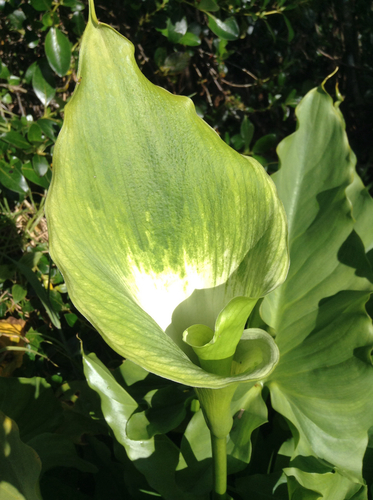
The Arum Lily is a popular ornamental plant known for its striking white spathes, but it contains insoluble calcium oxalate crystals that can cause irritation upon ingestion. It is considered toxic to both cats and dogs.
Potentially toxic for cats & dogs.
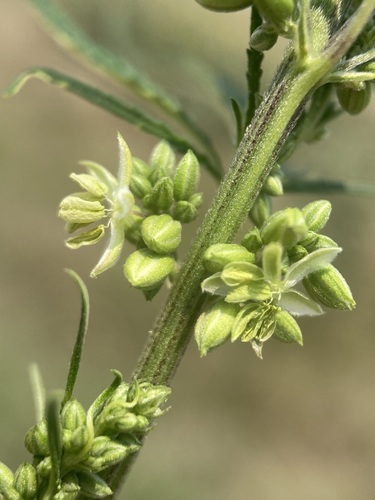
Cannabis sativa is a flowering plant species known for its psychoactive compounds, which can cause significant physiological distress if ingested by pets. It is widely recognized as a toxic substance for both cats and dogs.
Potentially toxic for cats & dogs.
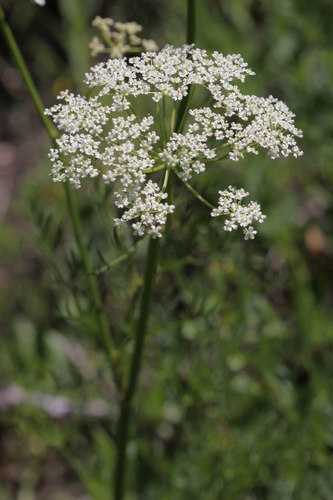
Carum carvi is a biennial herb in the Apiaceae family widely cultivated for its aromatic seeds. While commonly used in culinary applications, ingestion of the plant in large quantities may cause adverse reactions in pets.
Potentially toxic for cats & dogs.
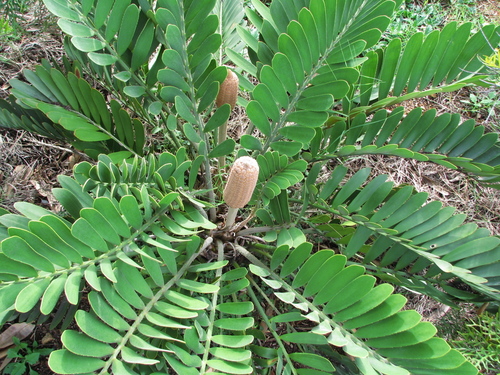
The Cardboard Cycad is a slow-growing cycad known for its stiff, leathery, palm-like foliage. It is highly toxic to pets if ingested and requires careful placement in households with animals.
Potentially toxic for cats & dogs.
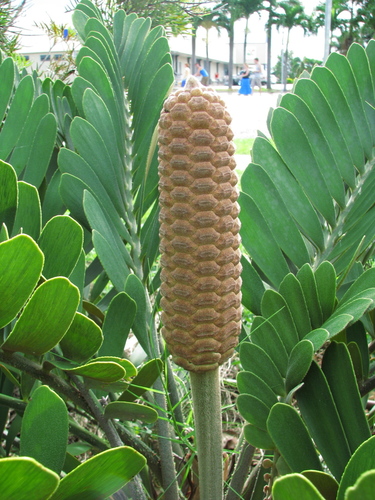
The Cardboard Palm is a cycad known for its stiff, leathery foliage and slow growth habit. It is highly toxic to pets if ingested, as all parts of the plant contain potent cycasin toxins.
Potentially toxic for cats & dogs.
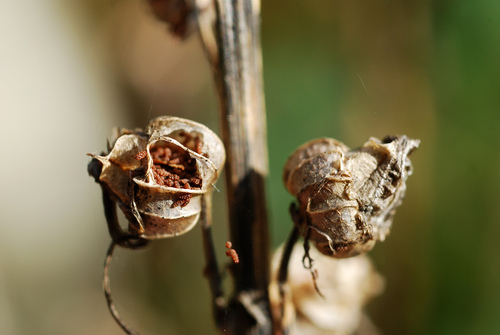
Lobelia cardinalis is a striking perennial known for its vibrant red, tubular flowers that attract hummingbirds. It contains alkaloids that can cause adverse reactions if ingested by pets.
Potentially toxic for cats & dogs.
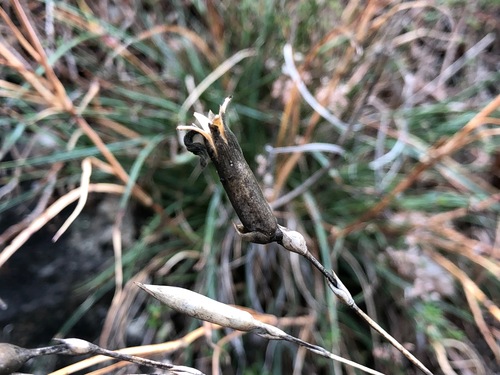
The carnation is a popular flowering plant known for its ruffled petals and spicy fragrance. While beautiful in bouquets, it contains compounds that can cause mild irritation if ingested by pets.
Potentially toxic for cats & dogs.
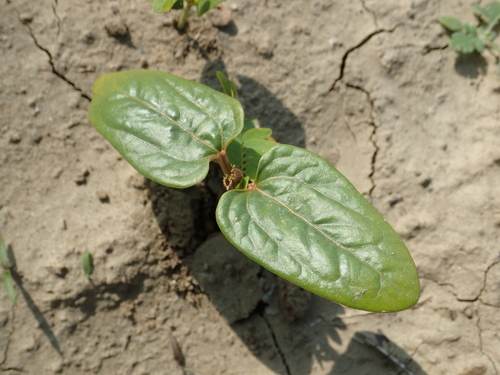
The African Wonder Tree is a fast-growing ornamental shrub known for its large, palm-like leaves and unique seed pods. It contains ricin, a highly potent toxin found throughout the plant, with the highest concentration in the seeds.
Potentially toxic for cats & dogs.
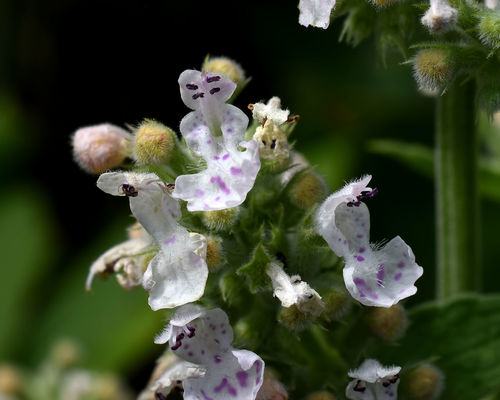
Catnip is a member of the mint family known for its stimulating effects on many cats, though ingestion of large quantities can cause gastrointestinal distress. It is generally considered safe for dogs, though it is not a standard part of their diet.
Potentially toxic for cats.
Uncertain for dogs.
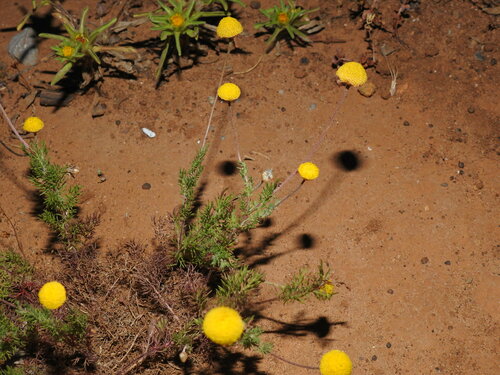
Chamomile is a flowering plant in the daisy family often used in herbal teas and essential oils. While popular for human use, it contains compounds that can cause adverse reactions in pets if ingested.
Potentially toxic for cats & dogs.
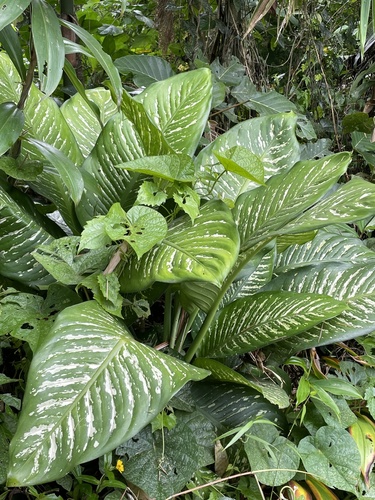
Dieffenbachia amoena is a popular tropical foliage plant known for its large, variegated leaves. It contains insoluble calcium oxalate crystals that can cause irritation if ingested or chewed.
Potentially toxic for cats & dogs.
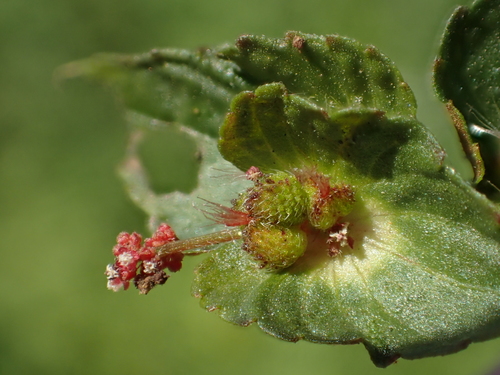
Acalypha hispida is a tropical shrub known for its long, drooping, fuzzy red flower spikes that resemble a fox's tail. It is a popular ornamental plant that requires warm, humid conditions to thrive.
Potentially toxic for cats & dogs.
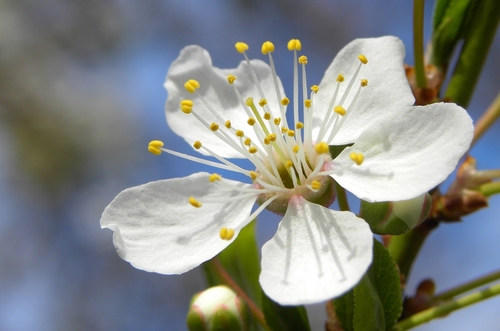
Cherry trees and shrubs contain cyanogenic glycosides in their stems, leaves, and pits, which can release cyanide when ingested. These plants are considered toxic to pets and should be kept out of reach.
Potentially toxic for cats & dogs.
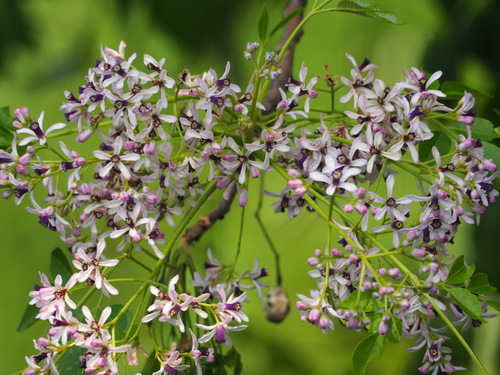
The Bead Tree is a deciduous tree known for its fragrant purple flowers and yellow berries, which contain toxic compounds. All parts of the plant, especially the fruit, are considered harmful if ingested by pets.
Potentially toxic for cats & dogs.
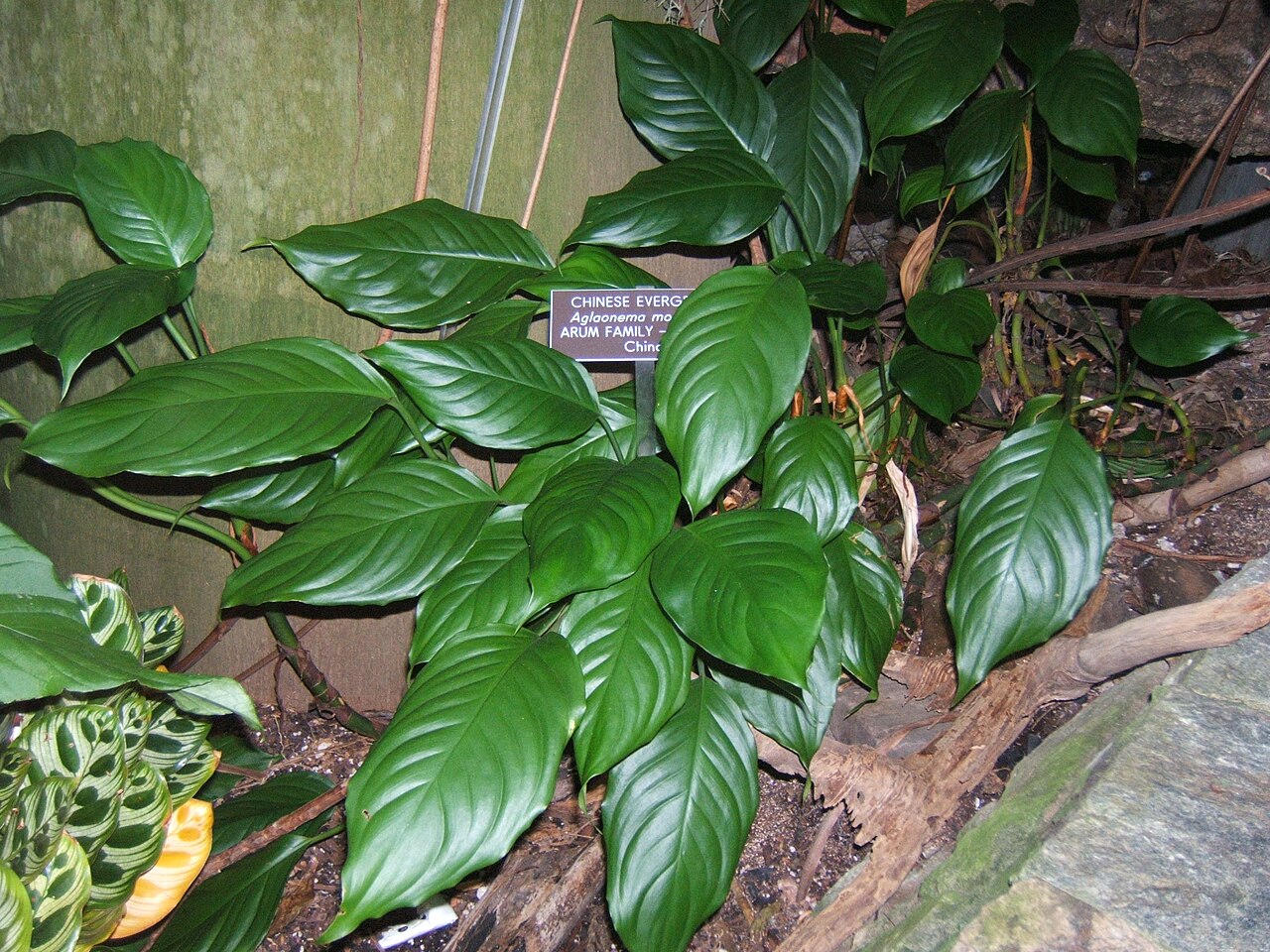
Chinese Evergreen is a popular indoor foliage plant known for its patterned leaves and tolerance of low light conditions. It contains insoluble calcium oxalate crystals that can cause irritation if ingested or chewed.
Potentially toxic for cats & dogs.
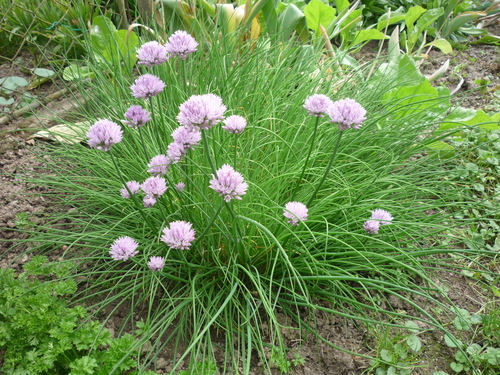
Chives are a popular culinary herb in the onion family that contain compounds capable of damaging red blood cells in pets. Ingestion of any part of the plant can lead to gastrointestinal upset and more serious systemic issues.
Potentially toxic for cats & dogs.
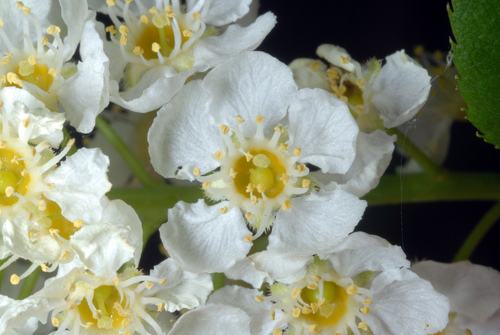
Choke Cherry is a deciduous shrub or small tree known for its clusters of white flowers and dark berries. It contains cyanogenic glycosides which can be harmful if ingested by pets.
Potentially toxic for cats & dogs.
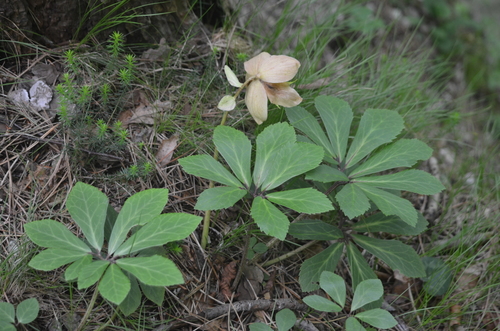
The Christmas Rose is a perennial flowering plant known for its winter blooms, but it contains cardiac glycosides that are harmful if ingested. It is considered toxic to both cats and dogs.
Potentially toxic for cats & dogs.
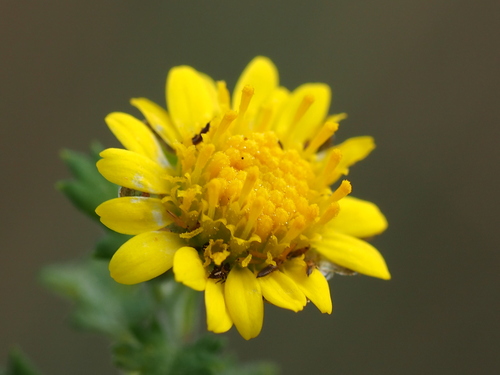
Chrysanthemums are popular flowering perennials containing pyrethrins and other compounds that can cause irritation upon contact or ingestion. They are widely recognized as toxic to common household pets.
Potentially toxic for cats & dogs.
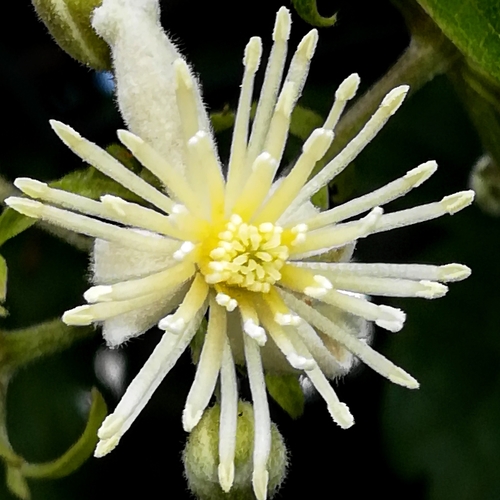
Clematis is a genus of popular flowering vines known for their showy blooms and climbing habit. While beautiful in the garden, they contain irritant compounds that can cause discomfort if ingested by pets.
Potentially toxic for cats & dogs.
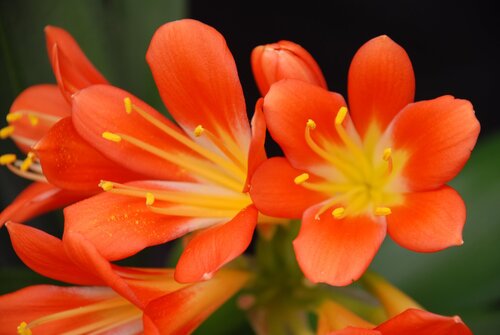
Clivia miniata is a popular flowering houseplant known for its vibrant orange or red clusters of blooms. It contains lycorine and other alkaloids that can cause gastrointestinal distress if ingested by pets.
Potentially toxic for cats & dogs.
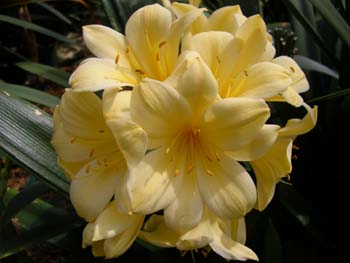
Clivia is a popular, slow-growing shade-loving plant known for its strap-like leaves and vibrant clusters of trumpet-shaped flowers. It contains lycorine and other alkaloids that can cause gastrointestinal distress if ingested by pets.
Potentially toxic for cats & dogs.
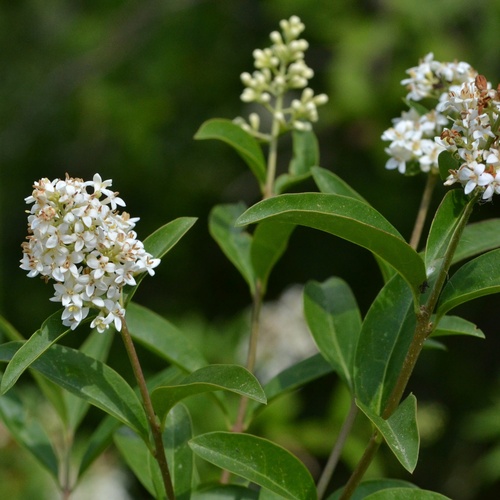
Common Privet is a semi-evergreen shrub often used for hedging that contains toxic compounds throughout the plant, particularly in the berries and leaves. Ingestion can lead to significant gastrointestinal distress in household pets.
Potentially toxic for cats & dogs.
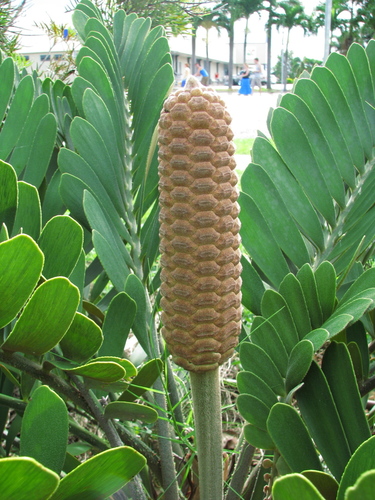
Zamia pumila is a cycad native to the southeastern United States, often grown as an ornamental landscape or container plant. It contains toxic compounds that can cause severe health complications if ingested by pets.
Potentially toxic for cats & dogs.
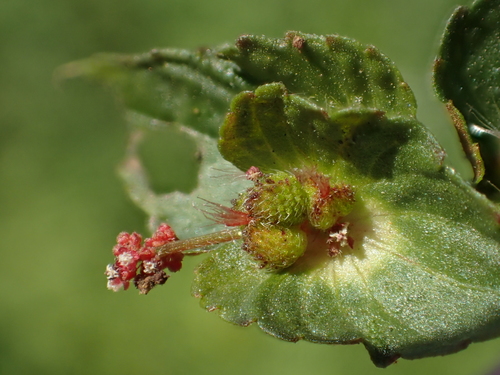
Copperleaf is a tropical shrub known for its vibrant, variegated foliage. It contains compounds that can cause irritation if ingested by household pets.
Potentially toxic for cats & dogs.
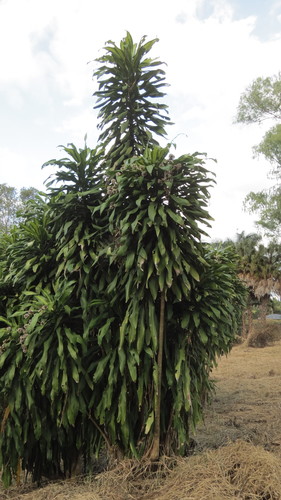
The Corn Plant is a popular indoor shrub known for its long, arching, sword-like leaves that resemble corn stalks. While aesthetically pleasing, it contains saponins that can cause adverse reactions if ingested by pets.
Potentially toxic for cats & dogs.
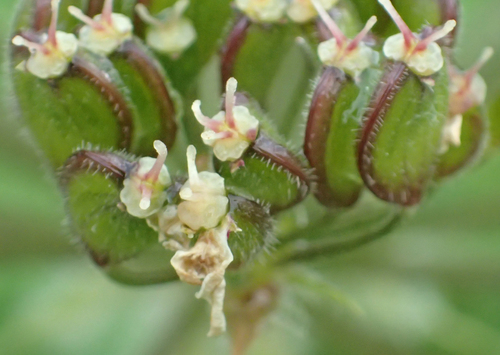
Cow parsnip is a large, herbaceous perennial member of the carrot family known for its tall stature and umbrella-like flower clusters. It contains furanocoumarins that can cause significant skin and mucosal irritation upon contact.
Potentially toxic for cats & dogs.
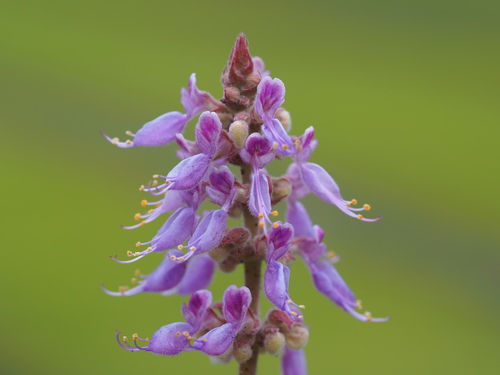
The Bread and Butter plant is a succulent herb known for its aromatic, fleshy leaves often used in culinary applications. While popular as a kitchen herb, it contains essential oils that can cause gastrointestinal distress if ingested by pets.
Potentially toxic for cats & dogs.
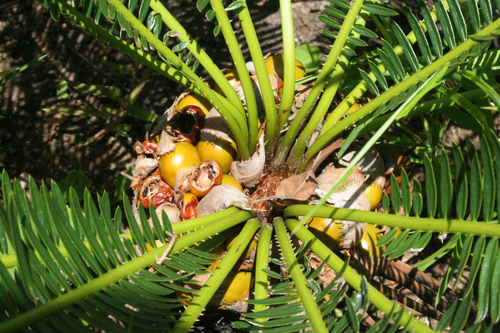
Cycads are ancient, palm-like gymnosperms that contain potent toxins throughout the entire plant, especially the seeds. Ingestion of any part of these plants is considered a medical emergency for pets.
Potentially toxic for cats & dogs.
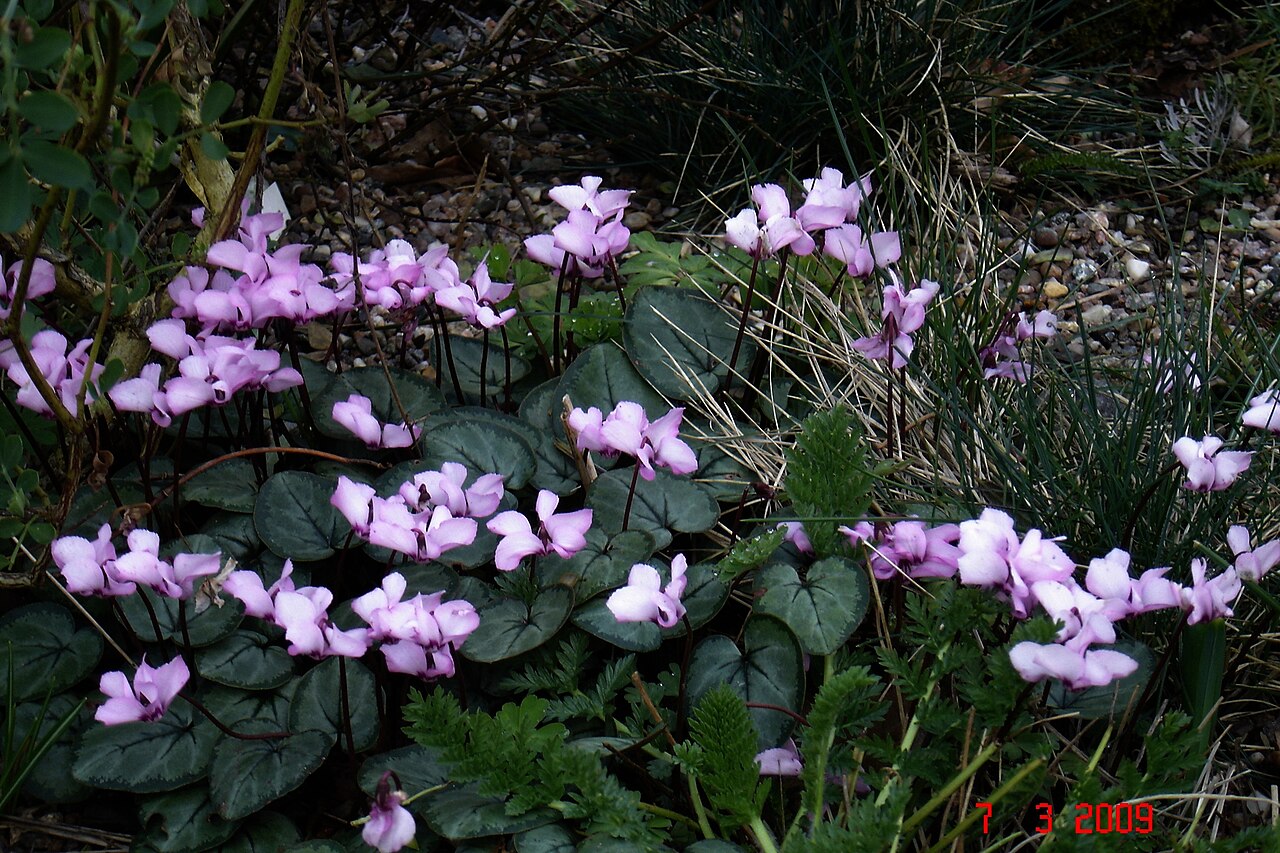
Cyclamen is a popular flowering tuberous plant known for its upswept petals and patterned foliage. It contains triterpenoid saponins which are concentrated in the roots and can cause significant irritation if ingested by pets.
Potentially toxic for cats & dogs.
D
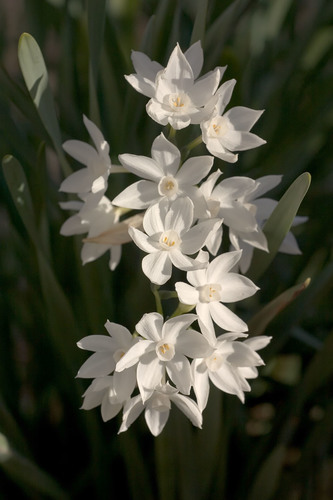
Daffodils are popular spring-flowering bulbs that contain toxic alkaloids, particularly concentrated in the bulb, which can cause significant gastrointestinal distress if ingested. All parts of the plant are considered harmful to pets.
Potentially toxic for cats & dogs.
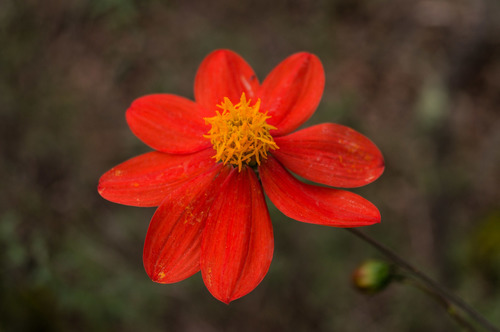
Dahlias are popular tuberous perennials known for their diverse, showy blooms. While they are a staple in gardens, they contain compounds that can cause mild gastrointestinal or dermatological irritation if ingested or handled by pets.
Potentially toxic for cats & dogs.
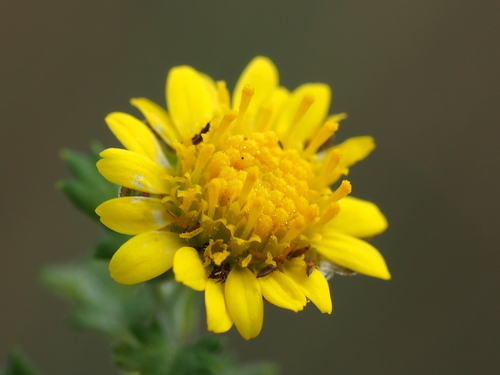
Chrysanthemums are popular flowering plants known for their vibrant blooms, but they contain natural compounds that can cause adverse reactions if ingested by pets. It is recommended to keep these plants out of reach of curious animals.
Potentially toxic for cats & dogs.
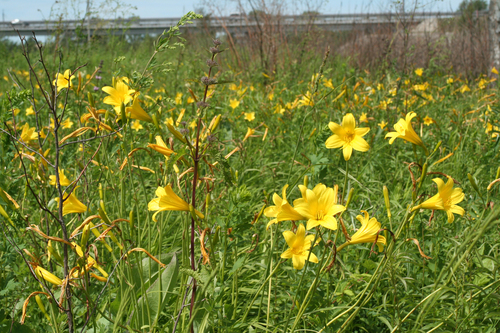
Day lilies are popular garden perennials known for their vibrant, trumpet-shaped blooms. While beautiful, they are highly dangerous to cats and should be kept strictly out of reach.
Potentially toxic for cats.
Uncertain for dogs.
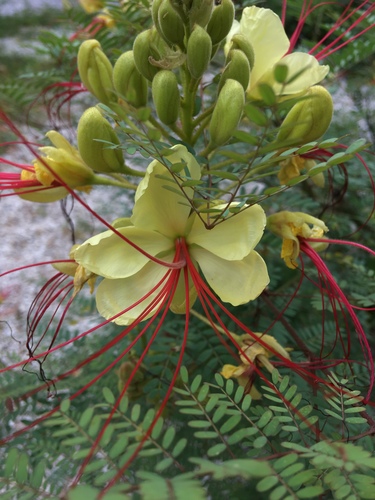
Caesalpinia gilliesii, often called the Bird of Paradise shrub, is a flowering plant known for its striking yellow and red blooms. It contains compounds that can cause gastrointestinal distress if ingested by pets.
Potentially toxic for cats & dogs.
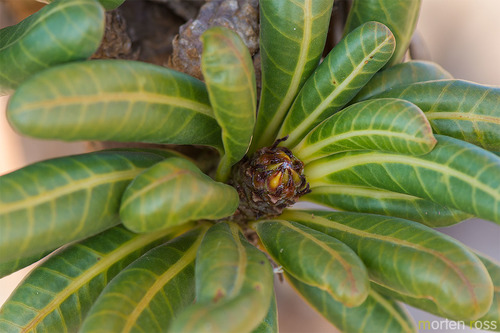
Adenium obesum is a succulent shrub known for its swollen base and vibrant, trumpet-shaped flowers. It contains cardiac glycosides that are harmful if ingested by pets.
Potentially toxic for cats & dogs.
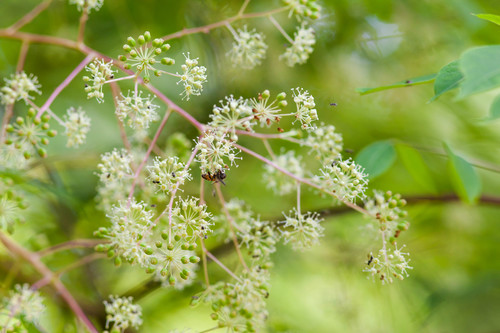
Aralia spinosa is a deciduous shrub or small tree known for its large, compound leaves and spiny stems. It is often found in woodland settings and is considered toxic to pets if ingested.
Potentially toxic for cats & dogs.
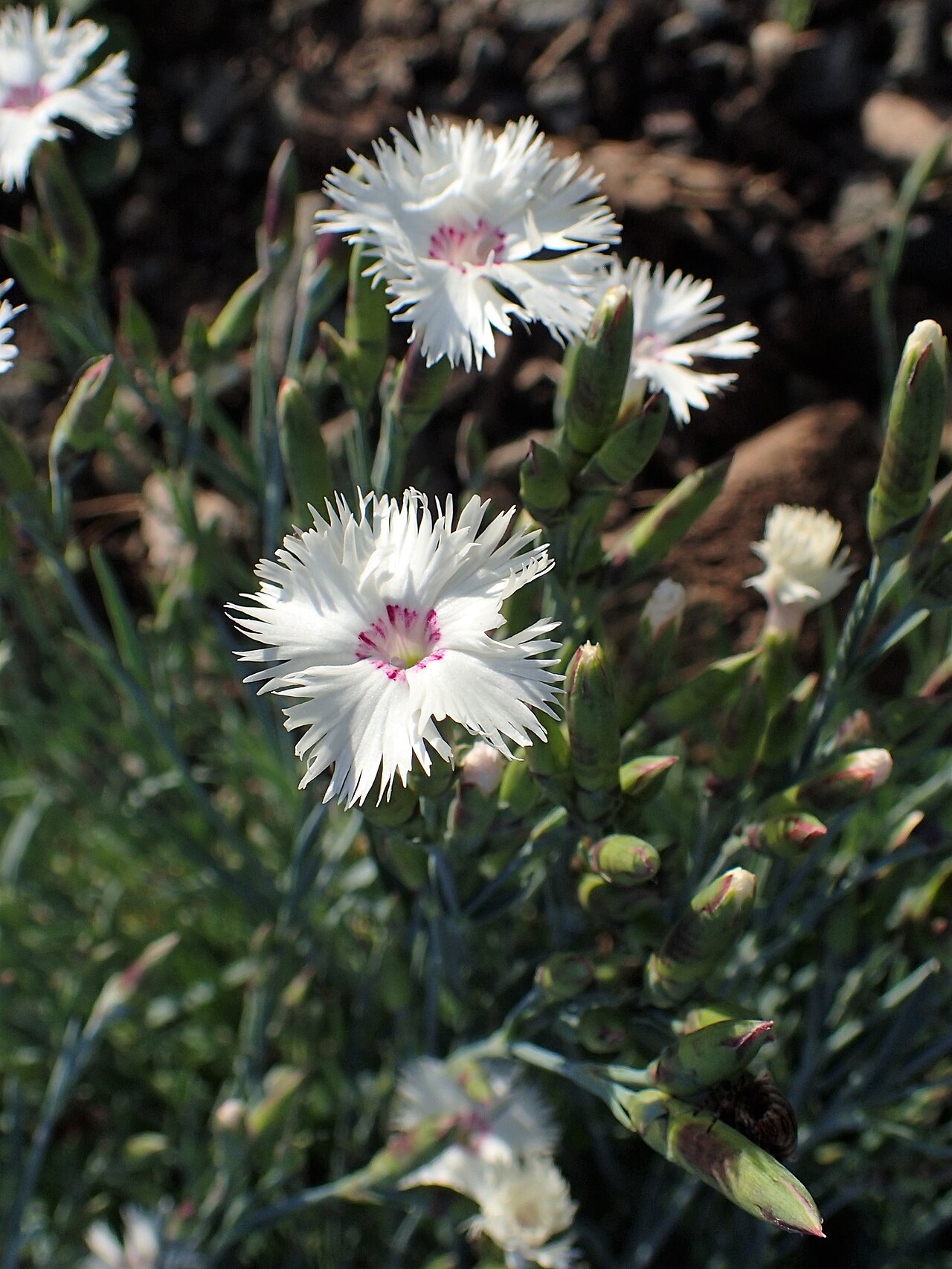
Dianthus species, including the Eastern Star, are popular garden and container plants that contain compounds which can cause gastrointestinal irritation in pets. While generally considered mild, ingestion should be monitored closely.
Potentially toxic for cats & dogs.
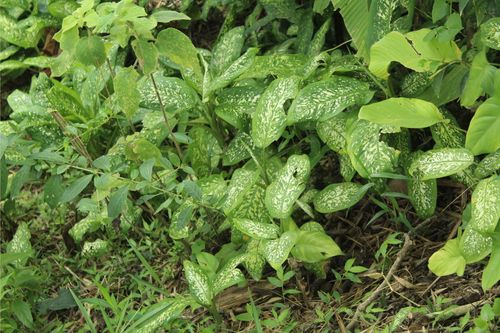
Dieffenbachia is a popular tropical houseplant known for its large, variegated leaves. It contains insoluble calcium oxalate crystals that can cause irritation if ingested or chewed.
Potentially toxic for cats & dogs.
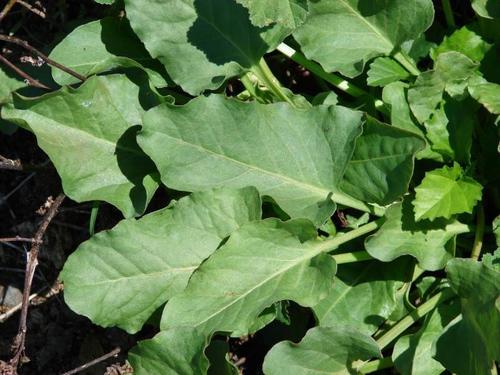
Dock is a genus of perennial herbs often found in fields and gardens that contains soluble calcium oxalates. Ingestion of any part of the plant can cause irritation to the mouth and digestive tract.
Potentially toxic for cats & dogs.
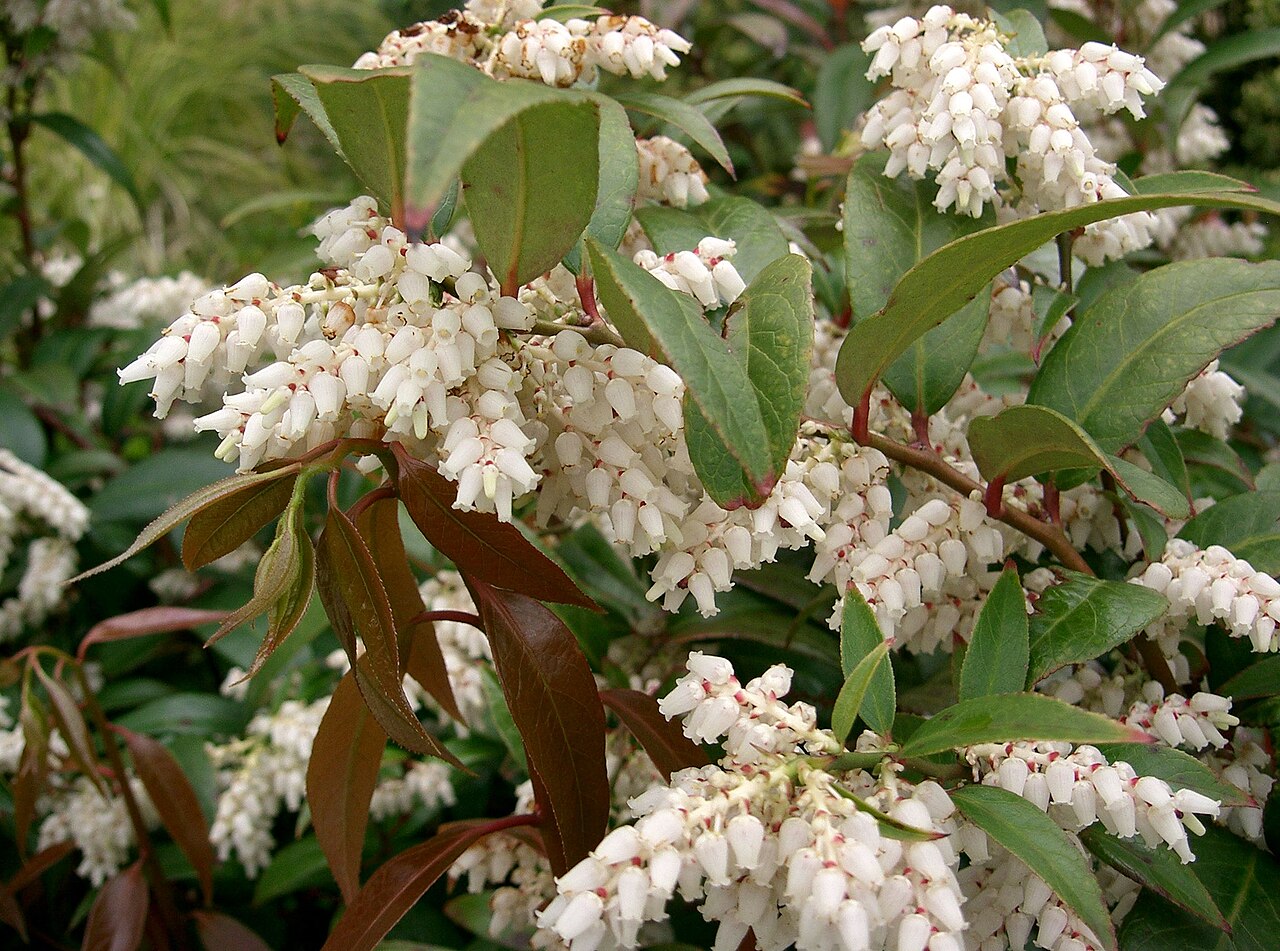
Dog Hobble is a genus of evergreen shrubs in the heath family known for their arching branches and drooping clusters of bell-shaped flowers. The plant contains grayanotoxins, which are harmful if ingested by pets.
Potentially toxic for cats & dogs.
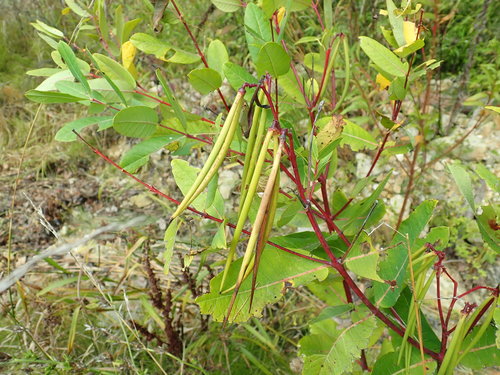
Dogbane is a genus of perennial herbaceous plants known for their milky latex sap and potential toxicity to animals. It is generally considered a wild plant rather than a typical houseplant, but it may be encountered in gardens or naturalized areas.
Potentially toxic for cats & dogs.
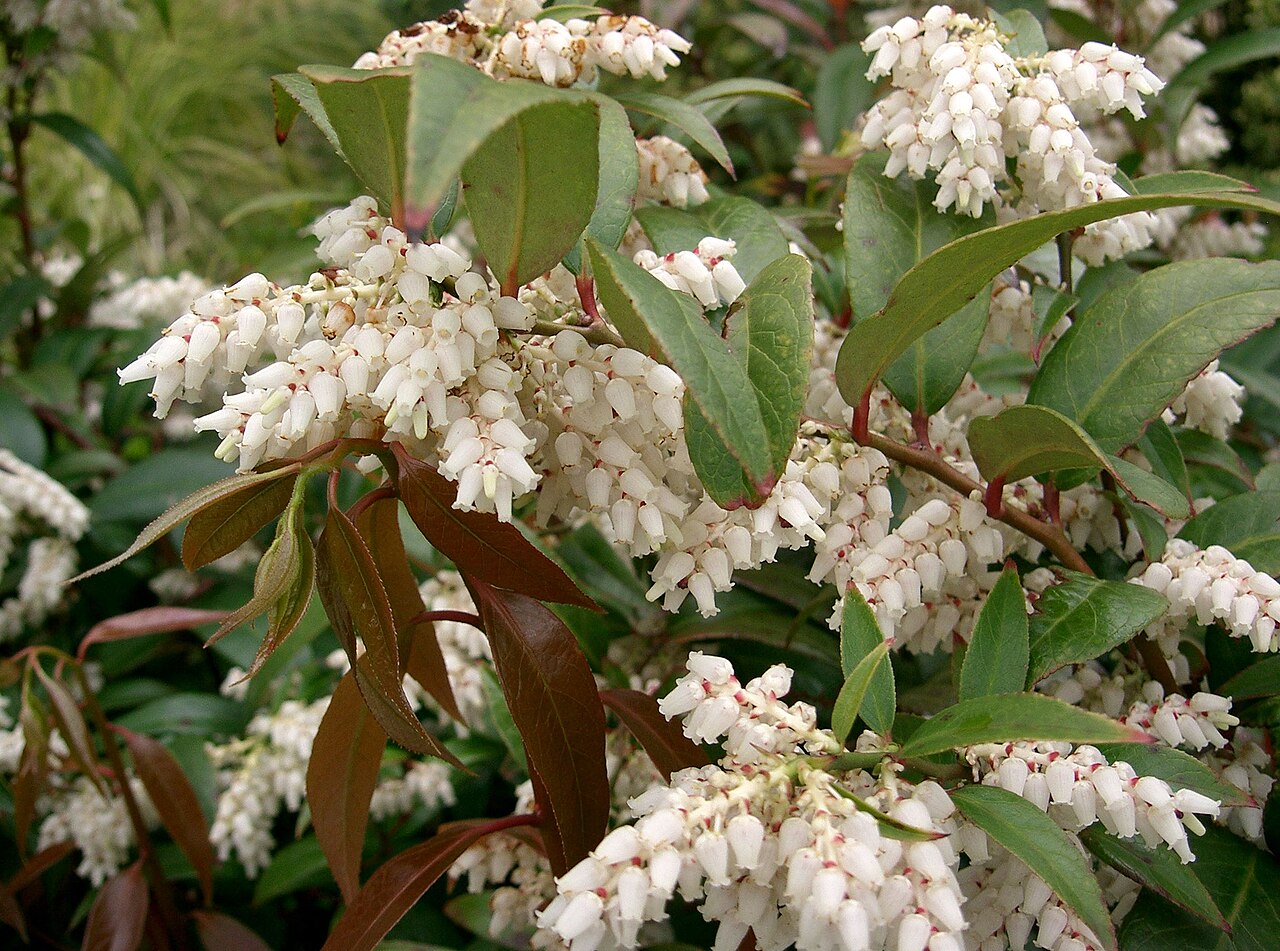
Leucothoe is a genus of evergreen shrubs known for their arching branches and drooping clusters of bell-shaped flowers. These plants contain grayanotoxins, which are harmful if ingested by household pets.
Potentially toxic for cats & dogs.
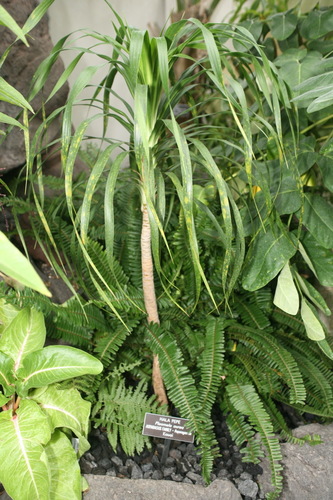
Dracaena is a popular genus of ornamental foliage plants known for their architectural, palm-like appearance. They contain saponins which can cause gastrointestinal and neurological distress if ingested by pets.
Potentially toxic for cats & dogs.
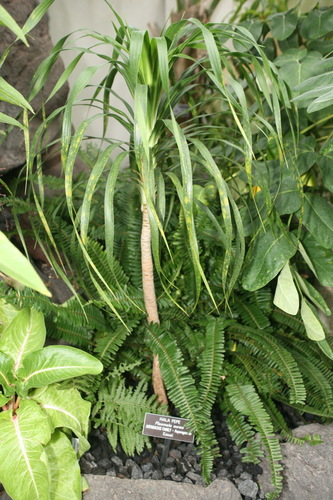
The Madagascar Dragon Tree is a popular, slow-growing indoor plant known for its slender, woody stems and spiky, colorful foliage. It contains saponins, which can cause gastrointestinal distress if ingested by pets.
Potentially toxic for cats & dogs.
E
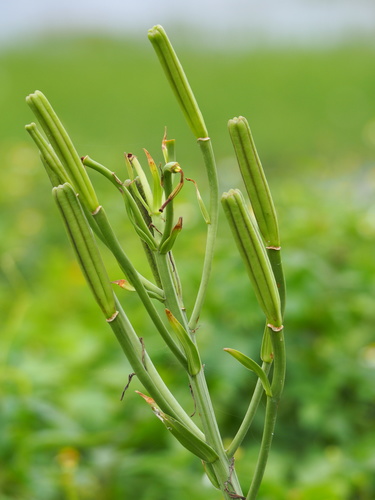
The Easter Lily is a bulbous perennial known for its large, fragrant, trumpet-shaped white flowers. It is highly significant in veterinary medicine due to its extreme toxicity to cats.
Potentially toxic for cats.
Uncertain for dogs.
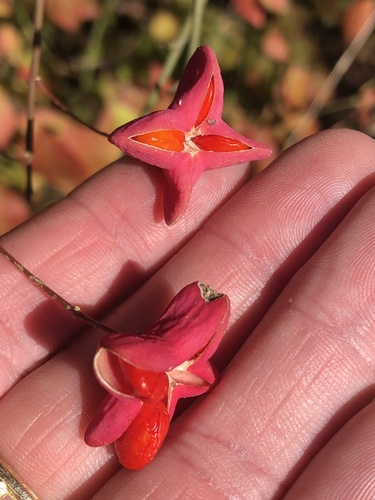
Euonymus atropurpurea is a deciduous shrub known for its vibrant fall foliage and deep red berries. It contains cardiac glycosides which can be harmful if ingested by pets.
Potentially toxic for cats & dogs.
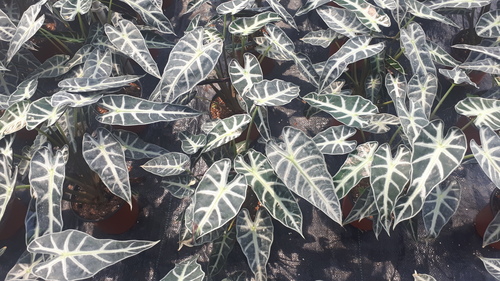
Alocasia is a genus of rhizomatous, broad-leaved perennial plants known for their dramatic, arrow-shaped foliage. They contain insoluble calcium oxalate crystals that cause immediate irritation upon contact with soft tissues.
Potentially toxic for cats & dogs.
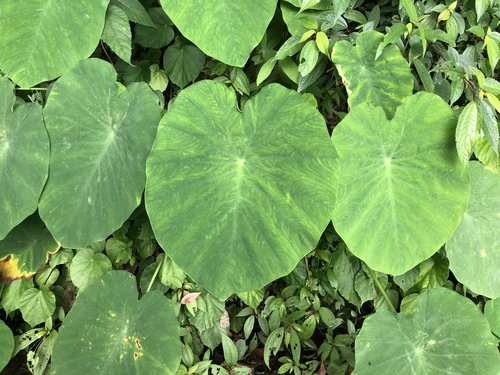
Colocasia esculenta is a tropical perennial known for its large, heart-shaped leaves that resemble elephant ears. It contains insoluble calcium oxalate crystals that cause irritation upon contact with tissues.
Potentially toxic for cats & dogs.
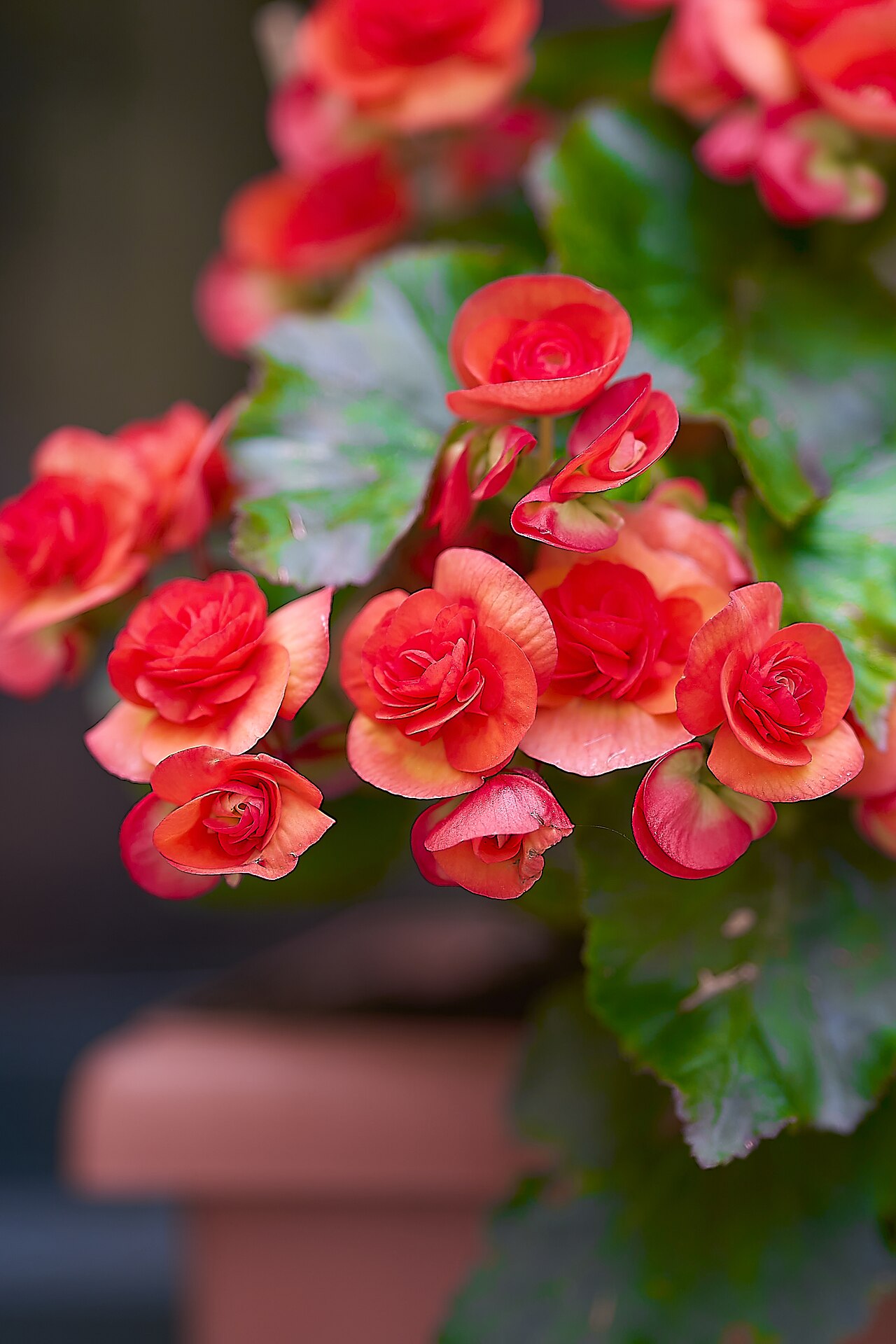
Begonia scharfii is a popular ornamental plant known for its large, fuzzy, elephant-ear-shaped leaves and delicate clusters of flowers. It contains soluble calcium oxalates which can cause irritation if ingested by pets.
Potentially toxic for cats & dogs.

English Holly is an evergreen shrub or tree known for its glossy, spiny leaves and bright red berries. While ornamental, the plant contains compounds that can cause gastrointestinal distress if ingested by pets.
Potentially toxic for cats & dogs.
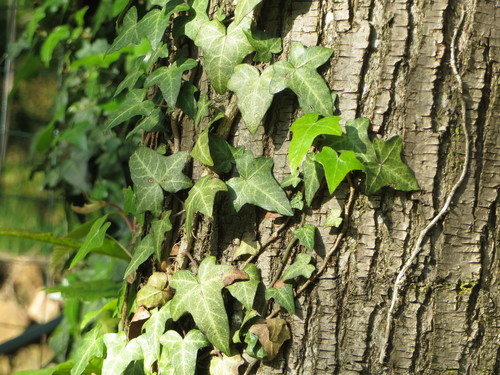
English Ivy is a popular evergreen climbing vine often grown as a houseplant or groundcover. It contains triterpenoid saponins which can cause irritation if ingested by pets.
Potentially toxic for cats & dogs.

English Yew is a highly toxic evergreen conifer containing taxine alkaloids that affect the cardiovascular and nervous systems. Ingestion of any part of the plant, especially the needles and seeds, is considered a medical emergency.
Potentially toxic for cats & dogs.
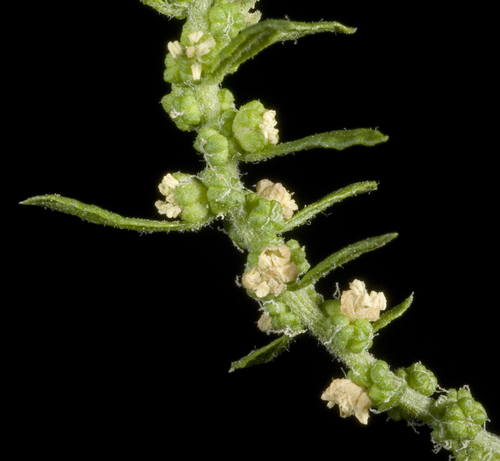
Epazote is an aromatic herb often used in culinary applications, but it contains essential oils that can be harmful to pets if ingested in significant quantities. It is best kept out of reach of curious cats and dogs.
Potentially toxic for cats & dogs.
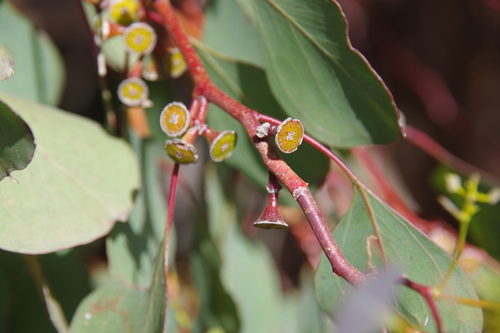
Eucalyptus is a diverse genus of evergreen trees and shrubs known for their aromatic, oil-rich foliage. While popular in floral arrangements and essential oils, the plant contains compounds that can be harmful if ingested by pets.
Potentially toxic for cats & dogs.
F
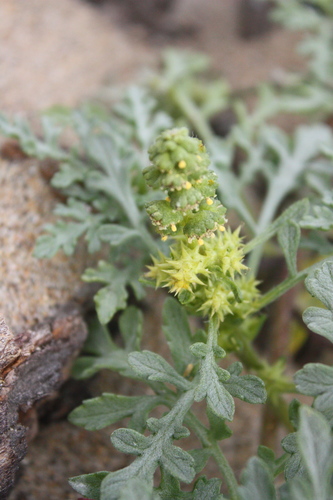
Feather Geranium is an herbaceous plant known for its aromatic, fern-like foliage. It is considered toxic to pets if ingested and should be kept out of reach of cats and dogs.
Potentially toxic for cats & dogs.
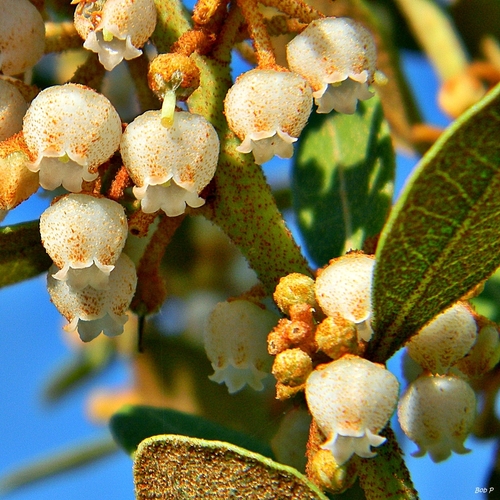
Fetterbush is a genus of evergreen shrubs in the heath family that contains grayanotoxins, which are harmful if ingested by pets. These plants are typically found in woodland or wetland environments and are not commonly kept as indoor houseplants.
Potentially toxic for cats & dogs.
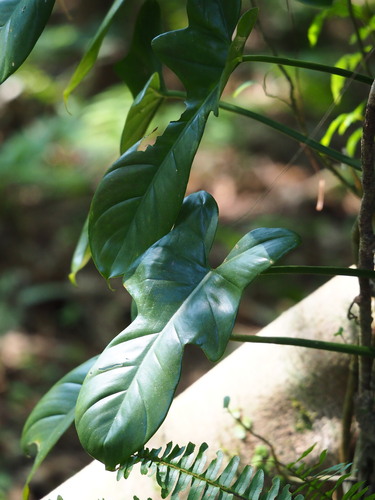
Philodendron bipennifolium is a popular vining aroid known for its unique, fiddle-shaped foliage. Like many members of the Araceae family, it contains insoluble calcium oxalate crystals that can cause irritation if ingested.
Potentially toxic for cats & dogs.
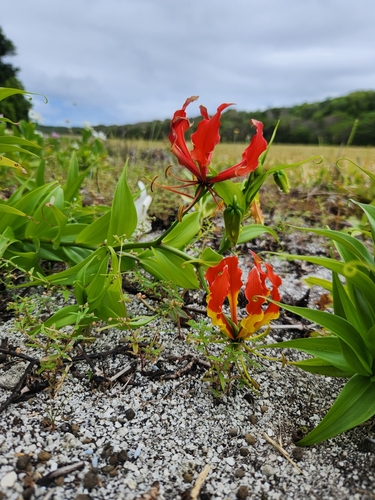
Climbing Lily is a tuberous climbing plant known for its striking, flame-like flowers. It contains colchicine, a potent alkaloid that is highly toxic to both cats and dogs if ingested.
Potentially toxic for cats & dogs.
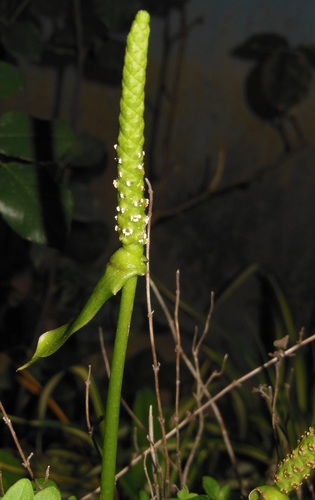
The Flamingo Flower is a popular tropical houseplant known for its vibrant, waxy spathes and deep green foliage. It contains insoluble calcium oxalate crystals that can cause irritation if ingested.
Potentially toxic for cats & dogs.

Foxglove is a biennial flowering plant known for its tall, tubular blooms. It contains potent cardiac glycosides that are highly toxic to both humans and animals if ingested.
Potentially toxic for cats & dogs.
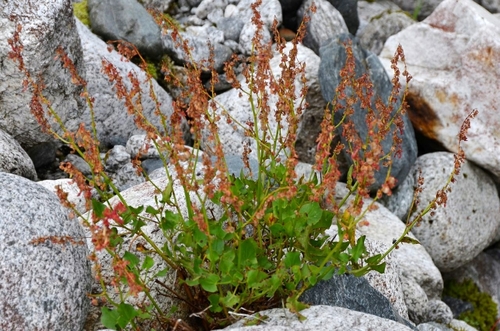
French Sorrel is a perennial herb often grown for its tangy, edible leaves, but it contains soluble calcium oxalates that can be harmful to pets if ingested in quantity. It is characterized by its shield-shaped foliage and low-growing habit.
Potentially toxic for cats & dogs.
G
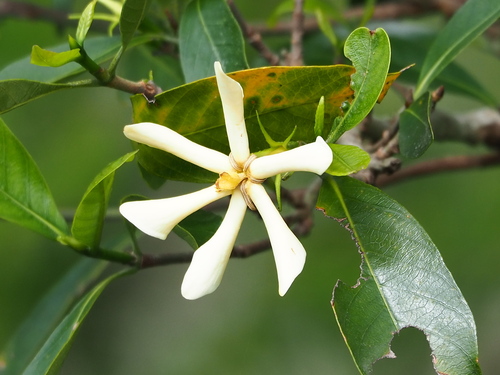
Gardenia jasminoides is a popular flowering shrub known for its highly fragrant white blooms and glossy, dark green foliage. While prized for its beauty, it contains compounds that can cause gastrointestinal distress if ingested by pets.
Potentially toxic for cats & dogs.
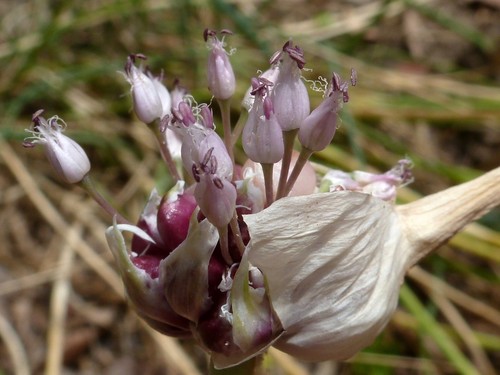
Garlic is a bulbous perennial herb widely cultivated for its culinary and medicinal uses, belonging to the Amaryllidaceae family. It contains compounds that can cause significant health issues in pets if ingested.
Potentially toxic for cats & dogs.
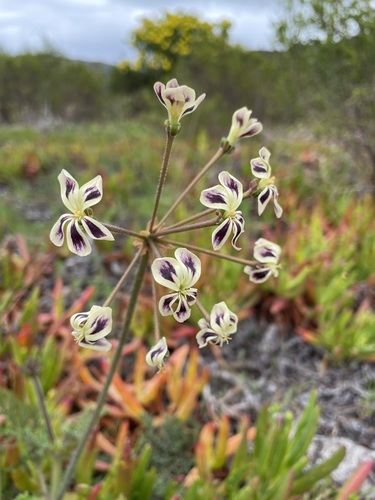
Geraniums are popular flowering plants known for their vibrant blooms and fragrant foliage. While they are common garden and container plants, they contain essential oils that can cause adverse reactions if ingested by pets.
Potentially toxic for cats & dogs.
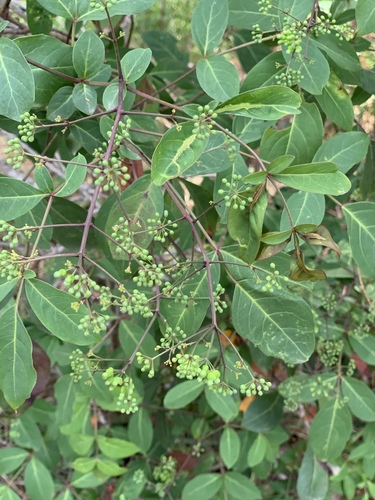
Polyscias guilfoylei is a tropical evergreen shrub often grown as an ornamental houseplant for its attractive, lacy foliage. It contains compounds that can cause irritation if ingested by household pets.
Potentially toxic for cats & dogs.
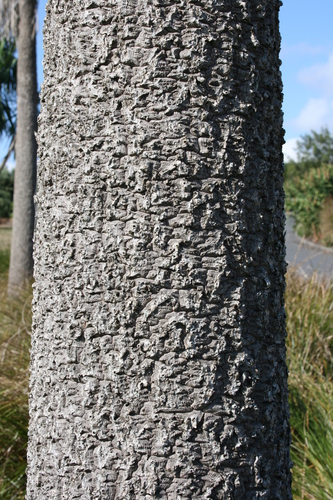
Cordyline australis is a popular ornamental plant known for its palm-like appearance and sword-shaped leaves. It contains saponins which can cause gastrointestinal distress if ingested by pets.
Potentially toxic for cats & dogs.
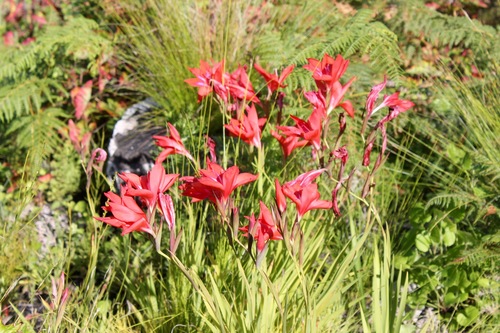
Gladiolus is a popular flowering bulb known for its tall, sword-shaped leaves and vibrant, funnel-shaped blooms. While prized for its beauty in gardens and bouquets, all parts of the plant, particularly the corm, contain compounds that are harmful if ingested by pets.
Potentially toxic for cats & dogs.
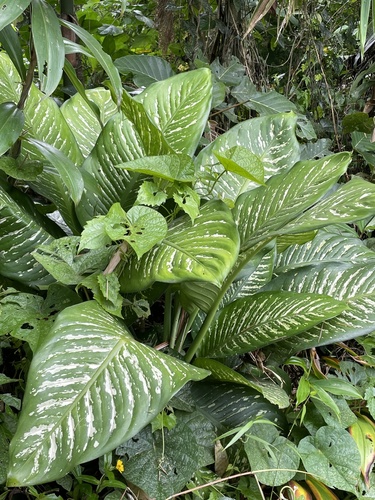
Dieffenbachia picta is a popular tropical houseplant known for its striking, variegated foliage. It contains insoluble calcium oxalate crystals that can cause irritation if ingested or handled.
Potentially toxic for cats & dogs.
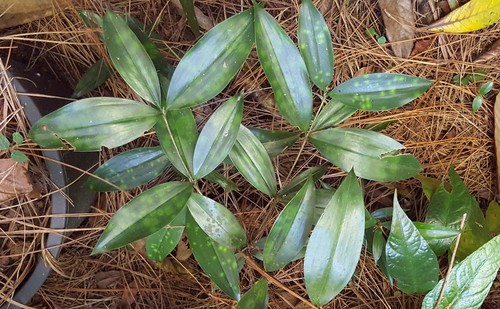
Dracaena surculosa is a popular ornamental houseplant known for its spotted, leathery foliage. It contains saponins which can cause gastrointestinal distress if ingested by pets.
Potentially toxic for cats & dogs.
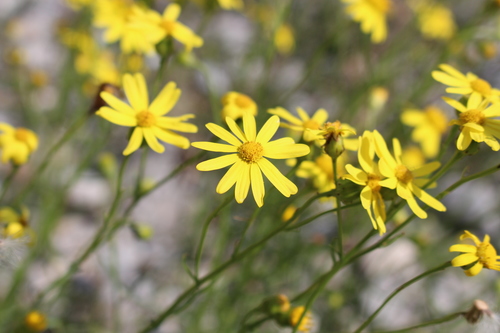
Golden Ragwort is a flowering perennial known for its bright yellow blooms and foliage. It contains pyrrolizidine alkaloids that can cause significant health issues if ingested by pets.
Potentially toxic for cats & dogs.
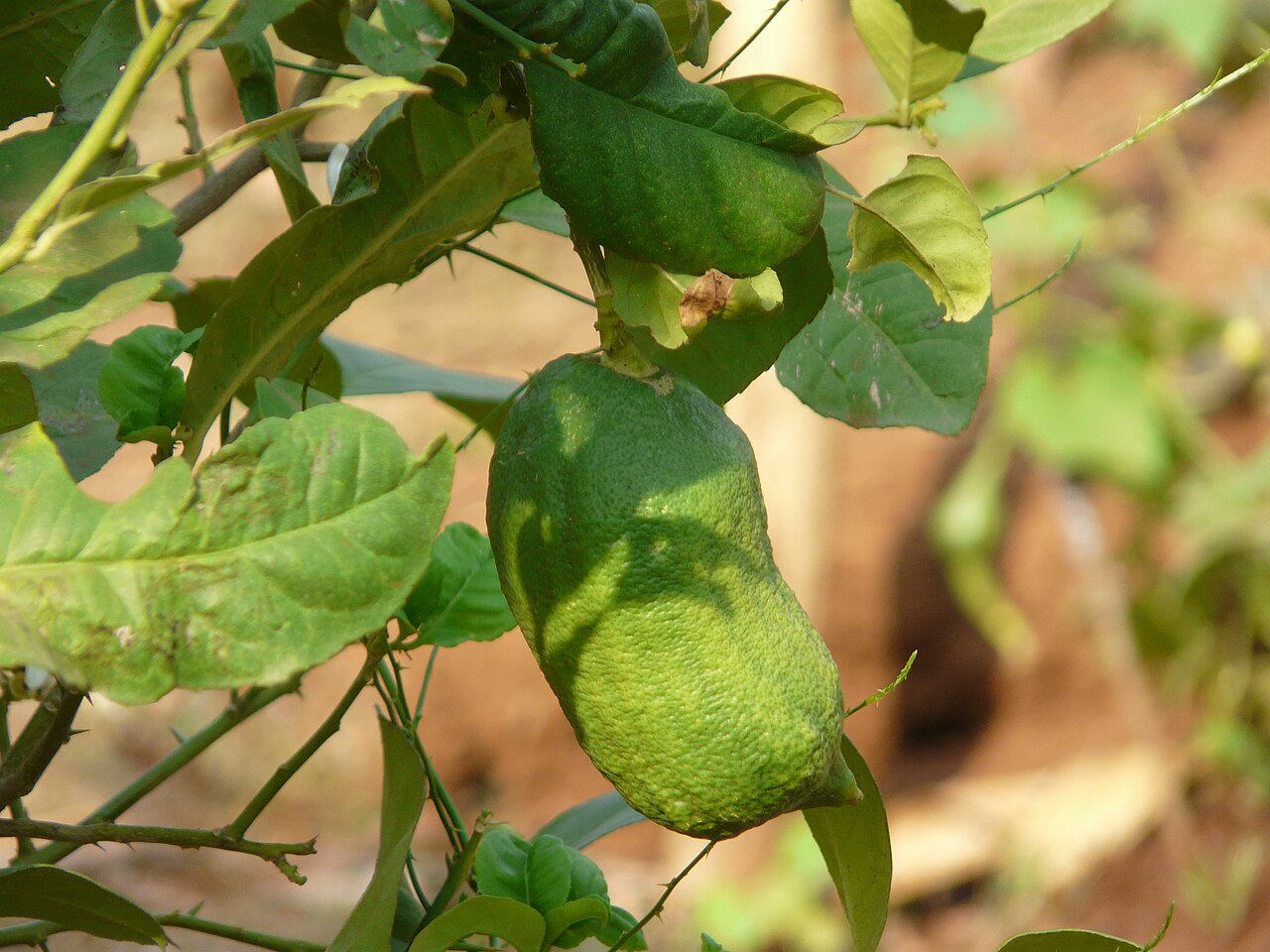
Grapefruit is a citrus tree known for its large, tart fruit and glossy, aromatic foliage. While popular in home orchards, all parts of the plant contain essential oils and psoralens that can cause adverse reactions in pets.
Potentially toxic for cats & dogs.
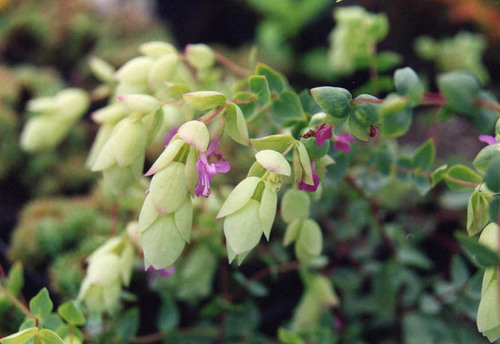
Greek Oregano is a popular culinary herb known for its pungent, aromatic leaves and low-growing, spreading habit. While widely used in cooking, ingestion of large quantities by pets can lead to gastrointestinal distress.
Potentially toxic for cats & dogs.
H
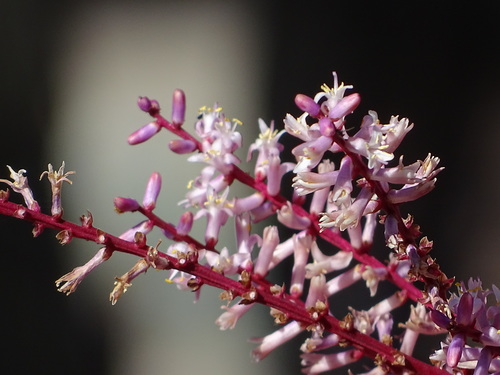
The Hawaiian Ti is a popular tropical ornamental known for its vibrant, lance-shaped foliage. It contains saponins which can cause gastrointestinal distress if ingested by pets.
Potentially toxic for cats & dogs.
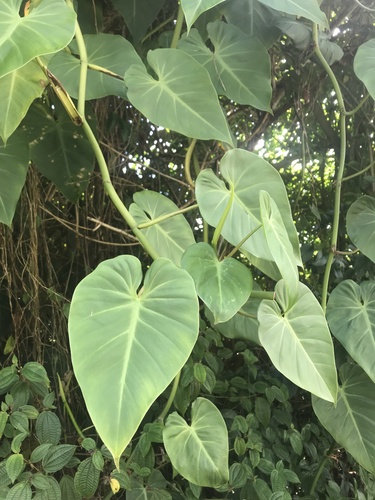
Heartleaf Philodendron is a popular trailing houseplant known for its heart-shaped leaves and ease of care. It contains insoluble calcium oxalate crystals that can cause irritation if ingested by pets.
Potentially toxic for cats & dogs.
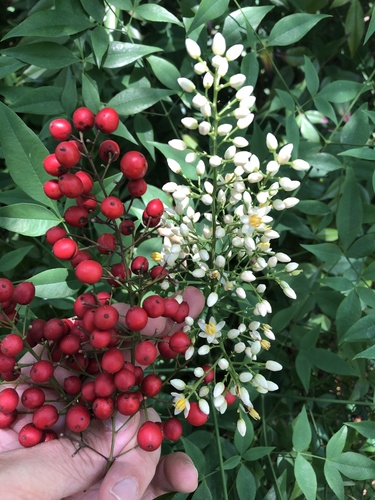
Nandina domestica is an evergreen shrub often grown for its attractive foliage and bright red berries. Despite its common name, it is not a true bamboo and contains cyanogenic glycosides that are harmful if ingested.
Potentially toxic for cats & dogs.
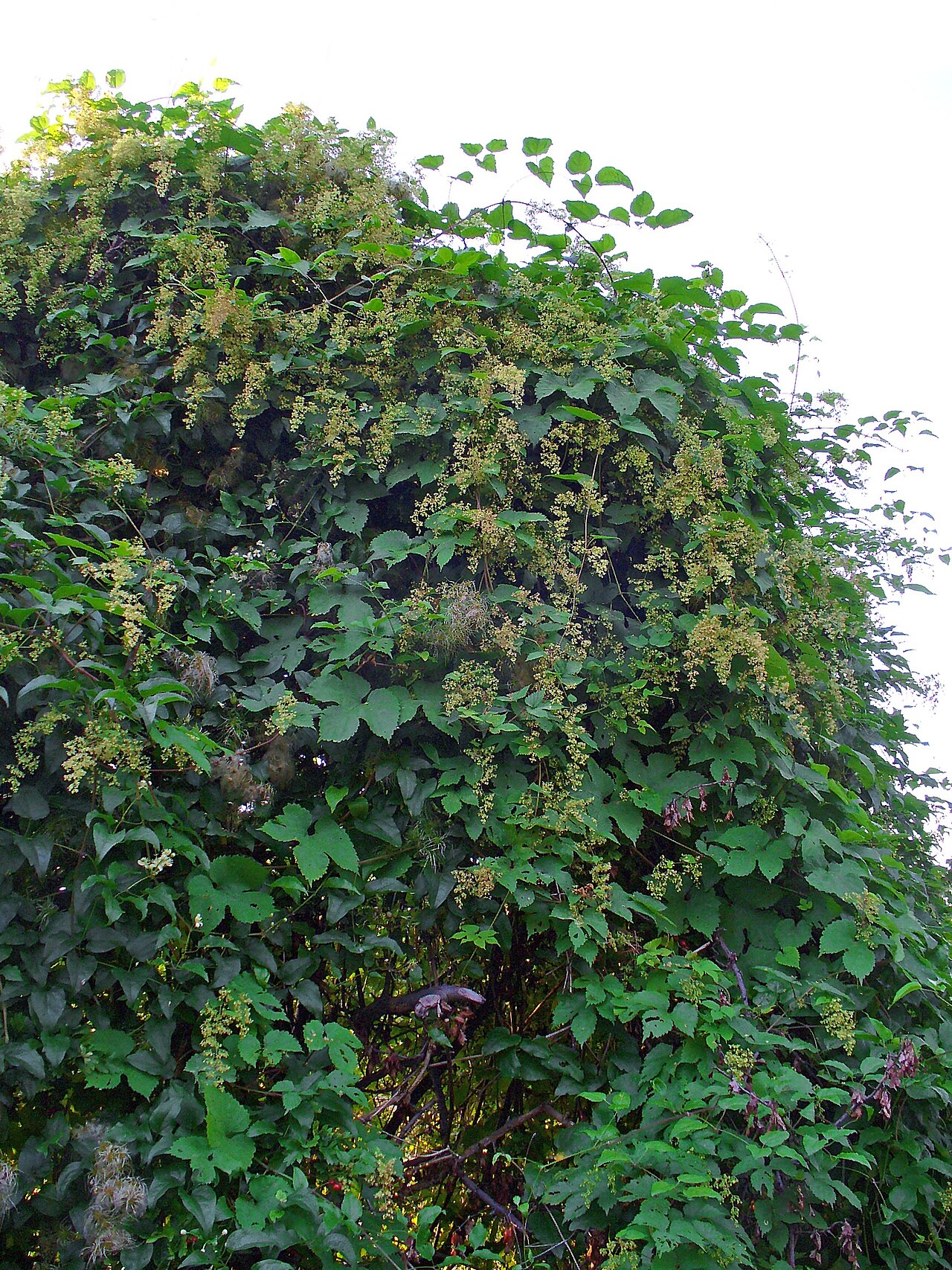
Hops are fast-growing perennial vines primarily known for their use in brewing, featuring rough, lobed leaves and papery, cone-like flowers. While popular in gardens, they contain compounds that can cause severe health issues in certain pets.
Uncertain for cats.
Potentially toxic for dogs.
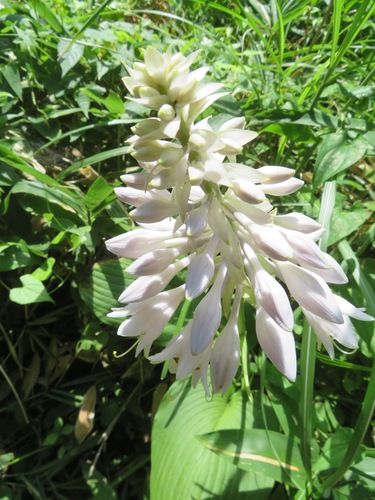
Hosta plantaginea is a popular shade-loving perennial known for its lush, broad foliage and fragrant white flowers. While prized in garden landscapes, it contains saponins that can cause gastrointestinal distress if ingested by pets.
Potentially toxic for cats & dogs.
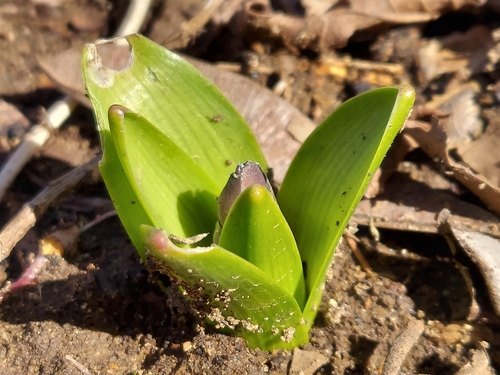
Hyacinthus orientalis is a popular spring-flowering bulb known for its fragrant, dense clusters of bell-shaped flowers. It contains calcium oxalate crystals and alkaloids that can cause irritation if ingested by pets.
Potentially toxic for cats & dogs.
I
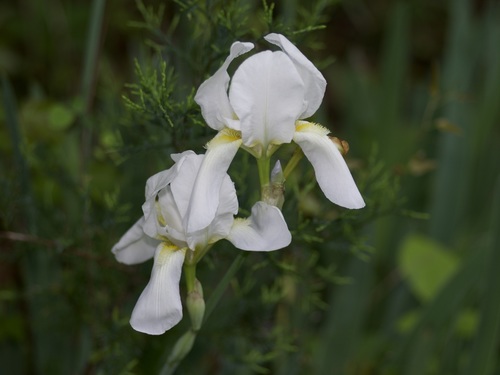
Iris species are popular perennial garden plants known for their showy, complex flowers and sword-like foliage. They contain chemical compounds that can cause gastrointestinal irritation if ingested by pets.
Potentially toxic for cats & dogs.
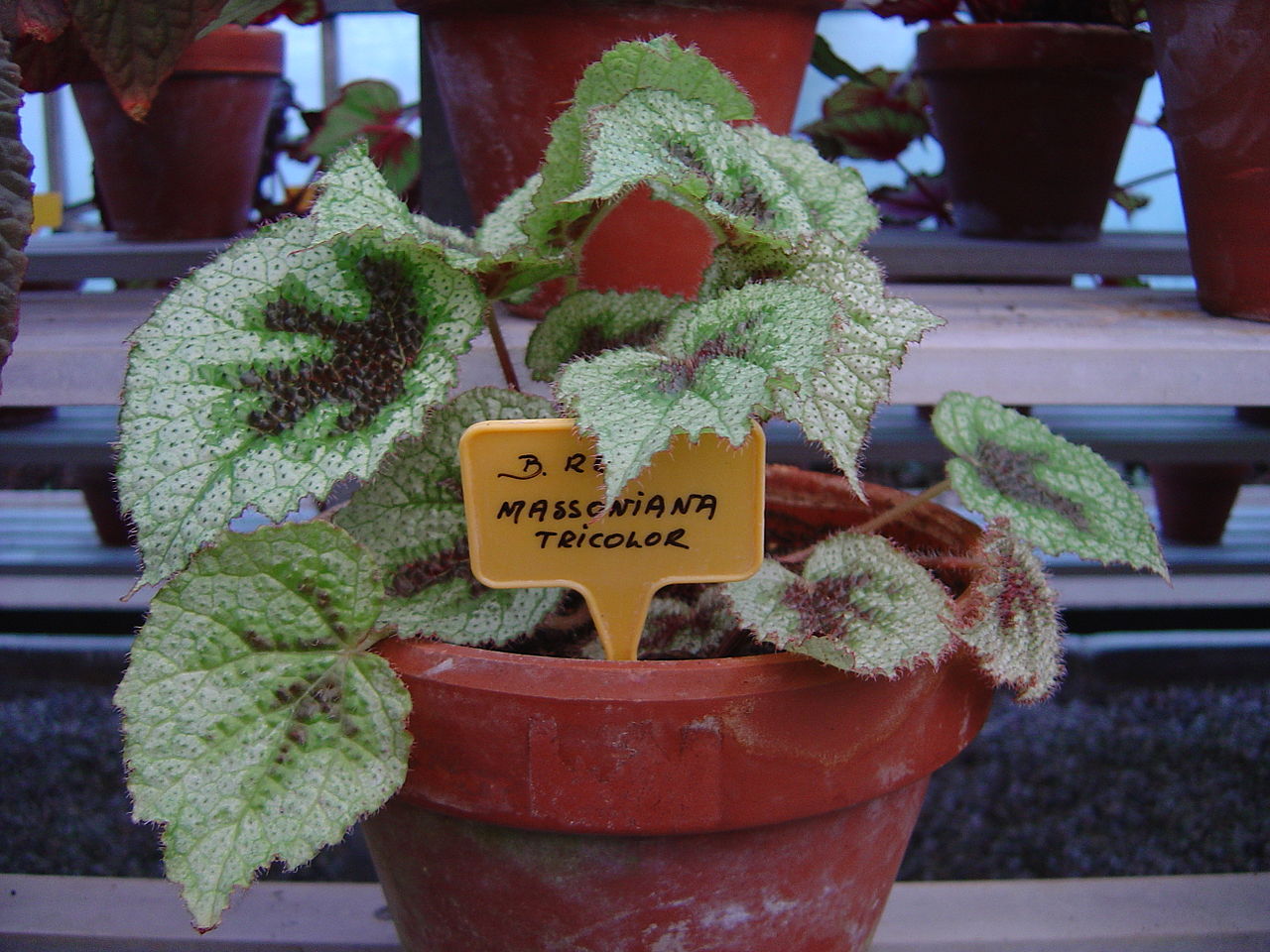
Begonia masoniana is a popular ornamental houseplant known for its textured, puckered leaves featuring a distinct dark brown cross pattern. It contains soluble calcium oxalates that can cause irritation if ingested by pets.
Potentially toxic for cats & dogs.
J
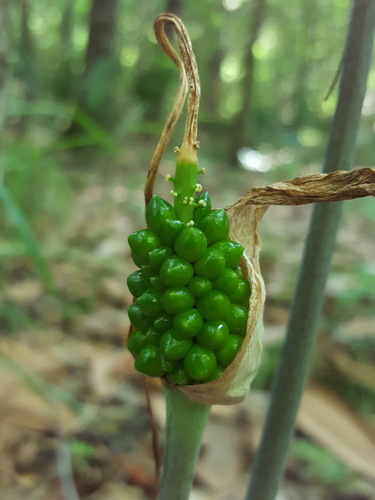
Jack-in-the-pulpit is a woodland perennial known for its unique hooded spathe and spadix structure. It contains insoluble calcium oxalate crystals that cause irritation upon contact or ingestion.
Potentially toxic for cats & dogs.
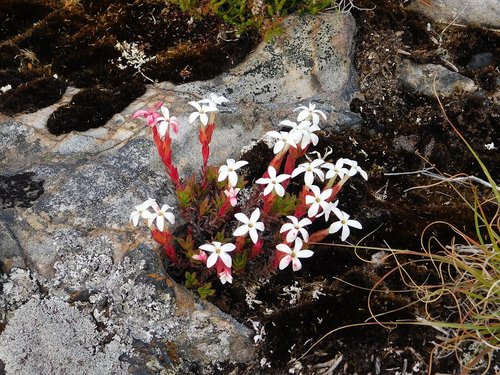
The Jade Plant is a popular succulent known for its thick, woody stems and fleshy, oval-shaped leaves. While aesthetically pleasing, it contains compounds that can cause gastrointestinal distress if ingested by pets.
Potentially toxic for cats & dogs.

Pieris japonica is an evergreen shrub known for its drooping clusters of bell-shaped flowers. It contains grayanotoxins, which are highly toxic to pets if ingested.
Potentially toxic for cats & dogs.
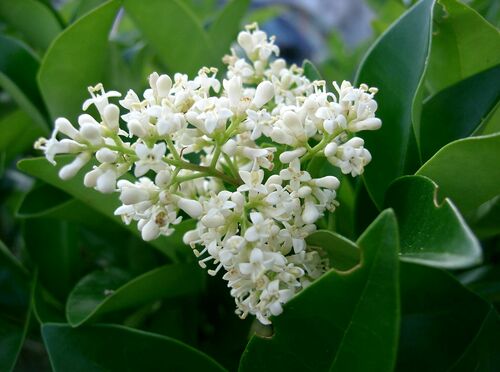
Ligustrum japonicum is a popular evergreen shrub often used for hedging, but it contains compounds that can cause gastrointestinal distress if ingested. It is considered toxic to both cats and dogs.
Potentially toxic for cats & dogs.
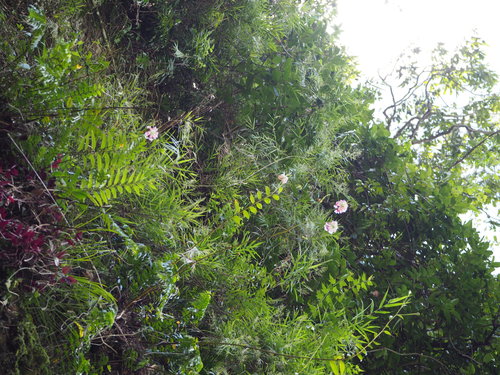
Lilium speciosum is a bulbous perennial known for its fragrant, recurved petals and striking color patterns. It is highly toxic to cats, as are many members of the Lilium genus.
Potentially toxic for cats.
Uncertain for dogs.
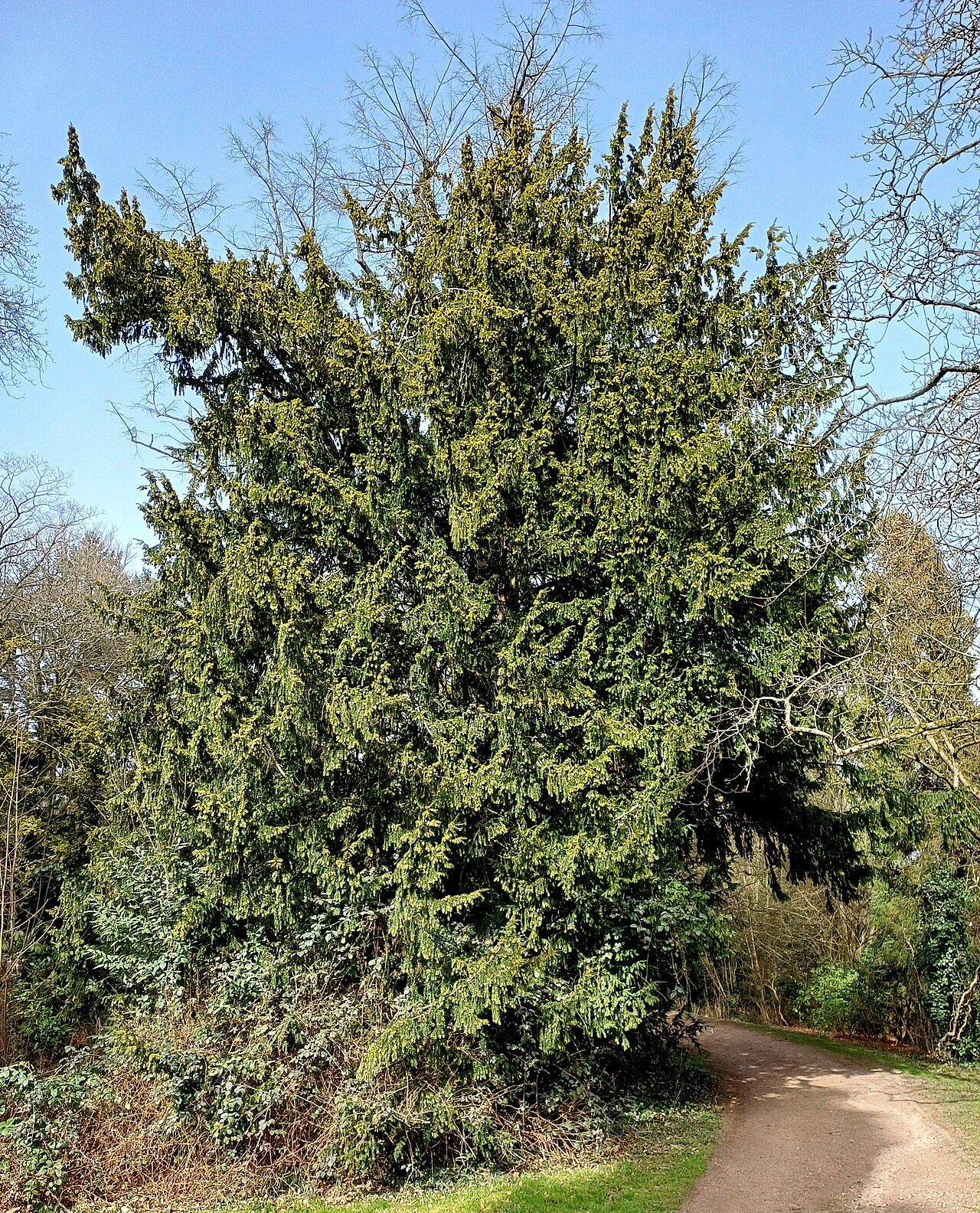
Japanese Yew is an evergreen shrub or tree containing taxine alkaloids that are highly poisonous to most animals. All parts of the plant, including the needles and seeds, are considered toxic if ingested.
Potentially toxic for cats & dogs.
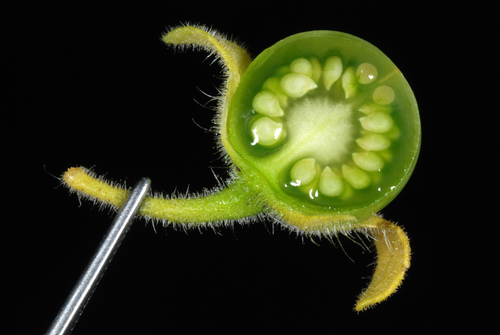
Jerusalem Cherry is an ornamental shrub known for its bright, berry-like fruits that contain toxic solanine alkaloids. Due to the presence of these compounds, all parts of the plant are considered harmful if ingested by pets.
Potentially toxic for cats & dogs.
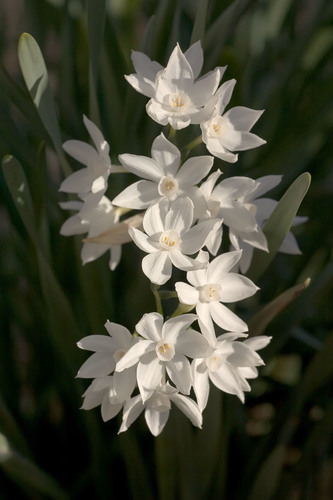
The jonquil is a bulbous perennial known for its fragrant, clustered yellow flowers and grass-like foliage. It contains alkaloids that can cause significant gastrointestinal distress if ingested by pets.
Potentially toxic for cats & dogs.
L
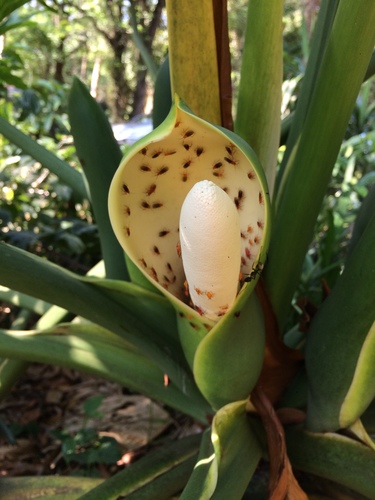
The Lacy Tree Philodendron is a popular tropical houseplant known for its large, deeply lobed, glossy green leaves. It contains insoluble calcium oxalate crystals that can cause irritation if ingested or chewed.
Potentially toxic for cats & dogs.
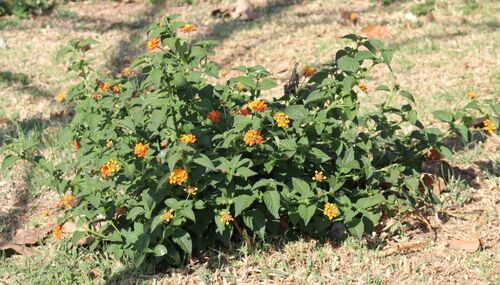
Lantana is a flowering shrub known for its clusters of vibrant, multi-colored blooms. It contains triterpenoids that can cause significant health issues if ingested by pets.
Potentially toxic for cats & dogs.
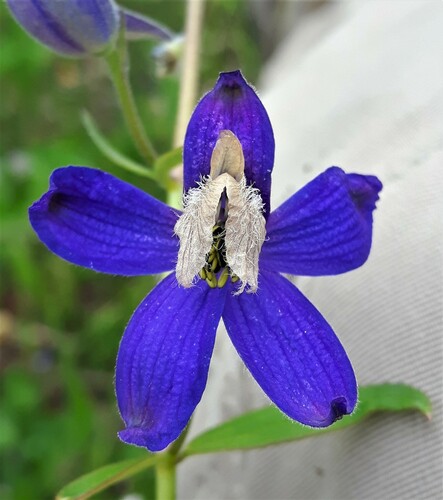
Larkspur is a popular garden perennial known for its tall, showy spikes of flowers. It contains potent alkaloids that make it highly toxic to both cats and dogs if ingested.
Potentially toxic for cats & dogs.
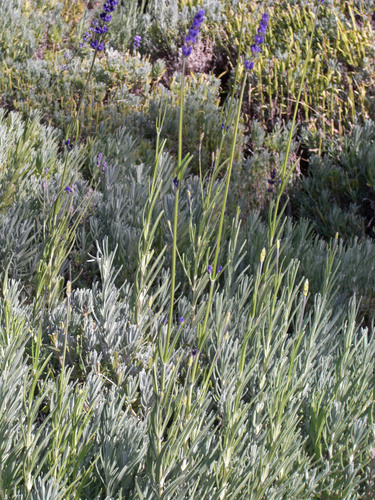
Lavender is a popular aromatic herb known for its fragrant purple flowers and silvery-green foliage. While widely used in essential oils and culinary applications, it contains compounds that can cause gastrointestinal distress if ingested by pets.
Potentially toxic for cats & dogs.
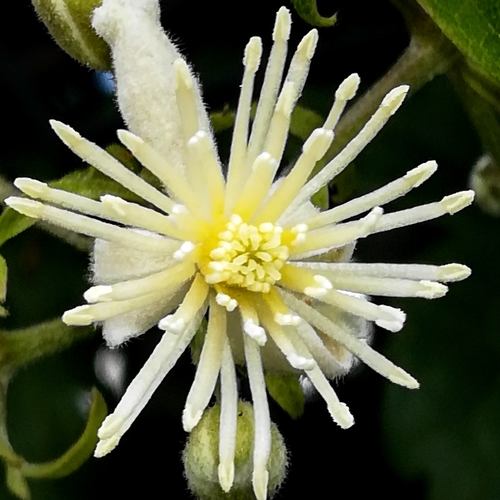
Clematis is a genus of climbing vines known for their showy, star-shaped flowers. While popular in gardens, all parts of the plant contain compounds that can cause irritation if ingested by pets.
Potentially toxic for cats & dogs.
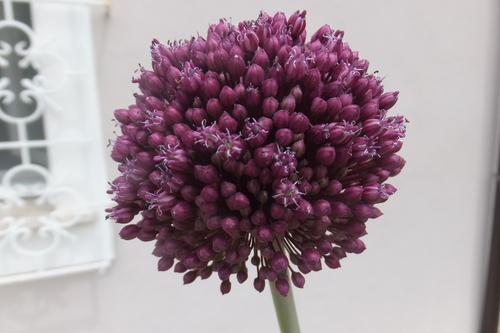
Leeks are members of the onion family that contain compounds capable of damaging red blood cells in pets. Ingestion of any part of the plant can lead to gastrointestinal upset and potential anemia.
Potentially toxic for cats & dogs.
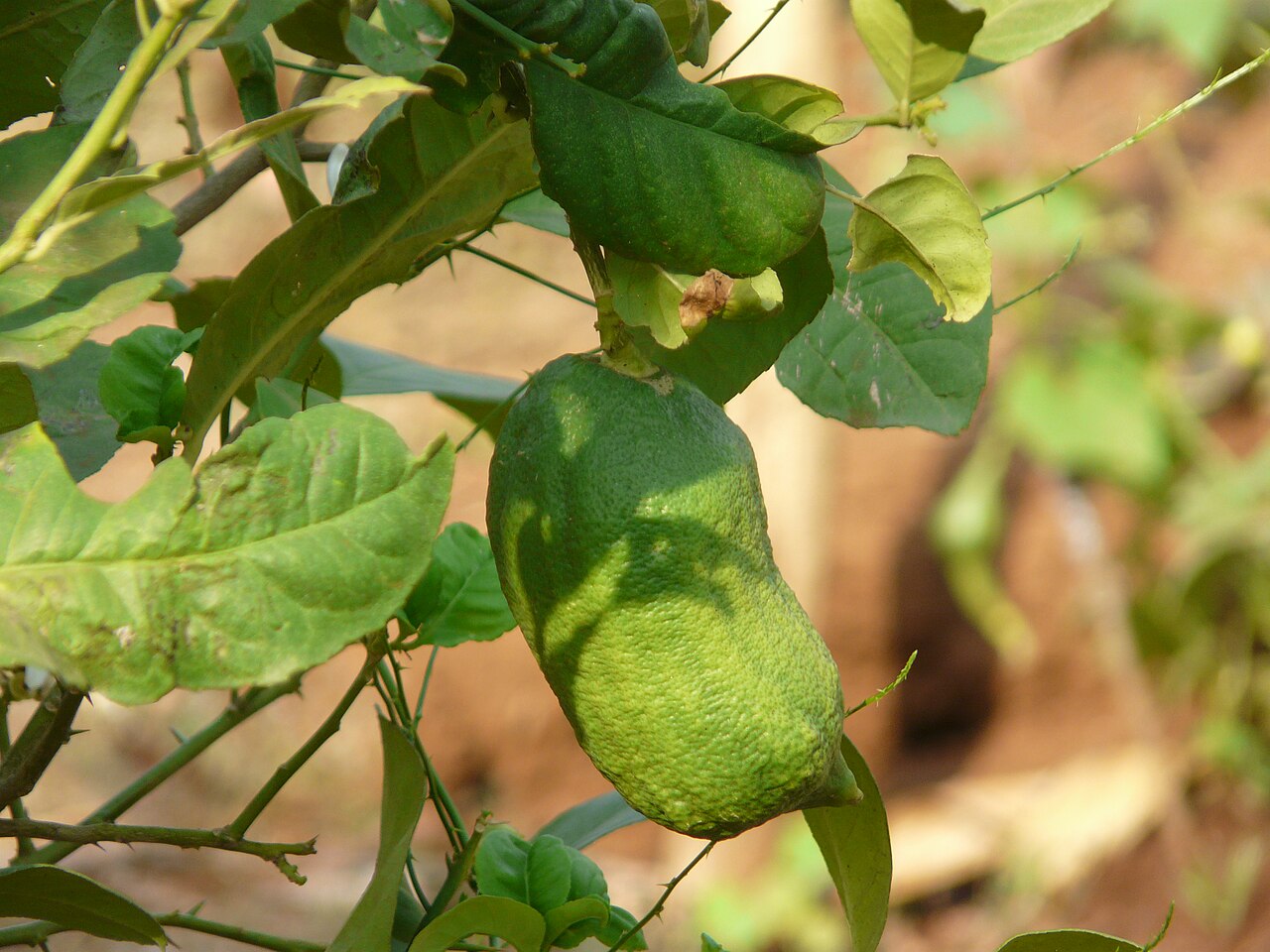
The lemon tree is a popular citrus plant known for its fragrant blossoms and acidic fruit. While often grown for culinary use, all parts of the plant contain essential oils and psoralens that can cause adverse reactions in pets.
Potentially toxic for cats & dogs.

Lemon grass is a tropical perennial grass widely used for culinary and medicinal purposes, known for its distinct citrus scent. It contains essential oils that can cause irritation if ingested by pets.
Potentially toxic for cats & dogs.
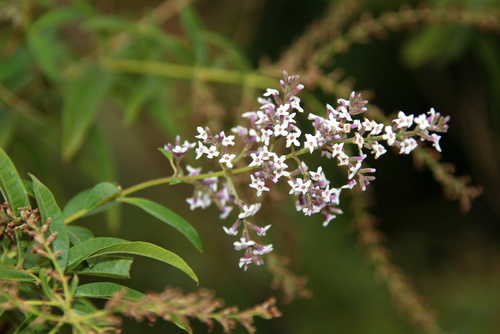
Lemon Verbena is a fragrant, woody shrub often grown for its citrus-scented foliage used in culinary and herbal applications. While popular in gardens, it contains essential oils that can cause adverse reactions if ingested by pets.
Potentially toxic for cats & dogs.
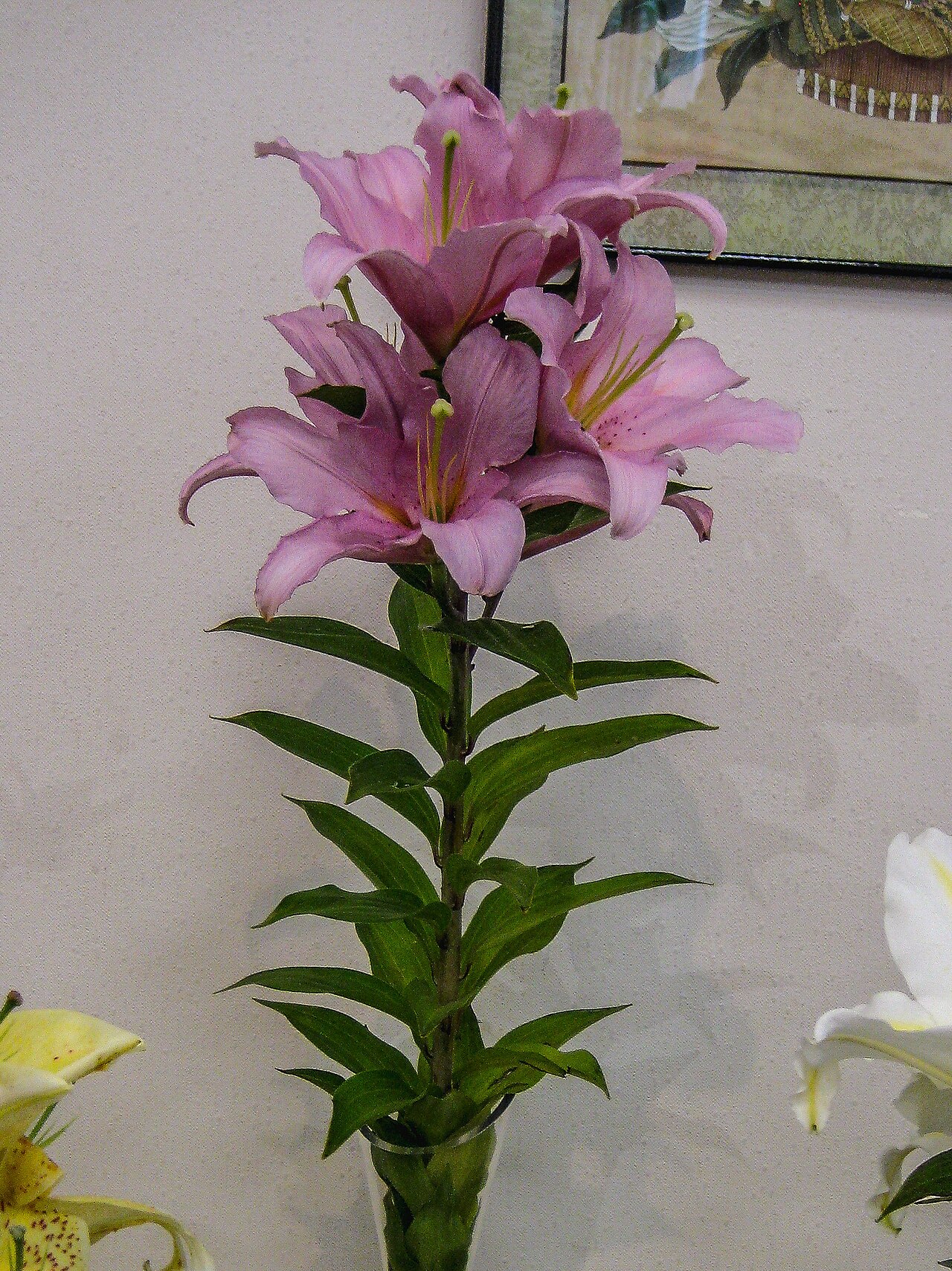
True lilies are highly toxic to cats, causing severe kidney damage even with minimal exposure. While data for dogs is less definitive, they should still be kept away from all parts of the plant.
Potentially toxic for cats.
Uncertain for dogs.
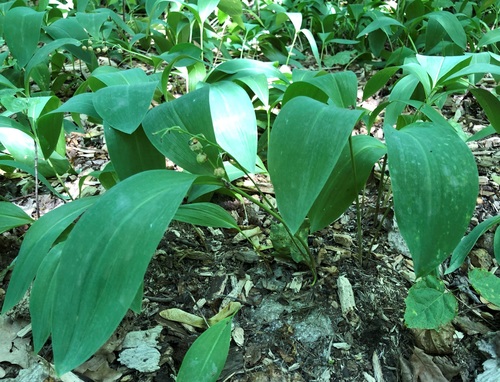
Lily of the Valley is a popular spring-flowering perennial known for its fragrant, bell-shaped white flowers. It contains cardiac glycosides that are highly toxic to pets if ingested.
Potentially toxic for cats & dogs.
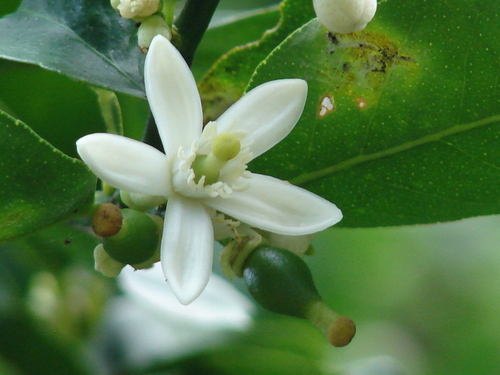
The lime tree is a citrus species known for its aromatic foliage and fruit. While popular as a houseplant, all parts of the plant contain essential oils and psoralens that can be harmful to pets if ingested.
Potentially toxic for cats & dogs.
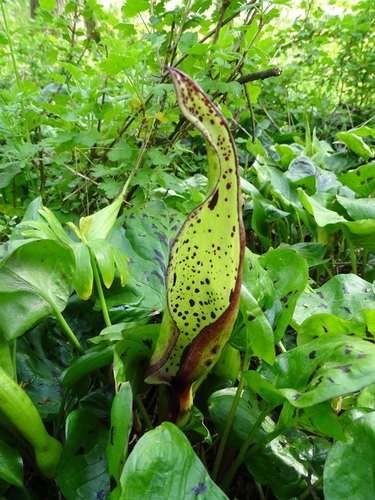
Arum maculatum is a tuberous perennial plant known for its distinct hooded spathe and bright red berries. It contains insoluble calcium oxalate crystals that cause immediate irritation upon contact with tissues.
Potentially toxic for cats & dogs.
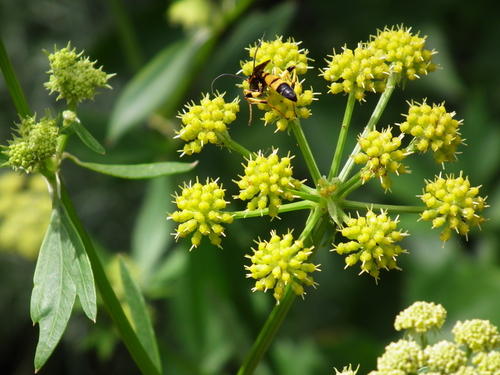
Lovage is a tall, perennial herb in the Apiaceae family often grown for its culinary uses, but it contains compounds that can cause adverse reactions in pets. It is best kept out of reach of curious cats and dogs.
Potentially toxic for cats & dogs.
M
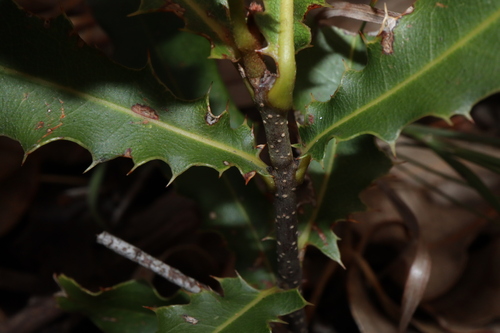
Macadamia integrifolia is a tropical evergreen tree known for producing edible nuts, though the nuts themselves are known to cause specific adverse reactions in dogs. While commonly grown for food production, it is occasionally kept as a specimen plant in warm climates.
Uncertain for cats.
Potentially toxic for dogs.
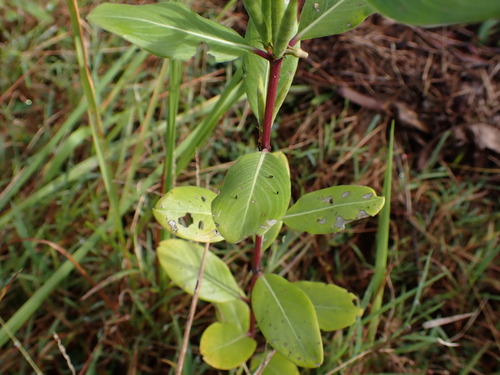
Catharanthus roseus is a flowering plant known for its vibrant blooms, but it contains alkaloids that are harmful if ingested by pets. It is commonly grown as an annual bedding plant or a container specimen.
Potentially toxic for cats & dogs.
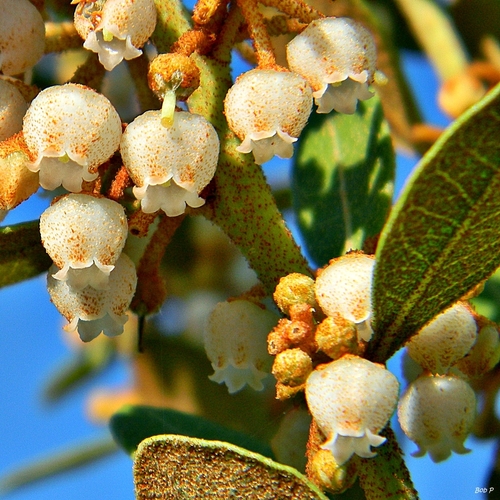
Maleberry is a deciduous shrub in the heath family known for its clusters of small, bell-shaped flowers. It contains grayanotoxins, which can cause significant illness if ingested by pets.
Potentially toxic for cats & dogs.
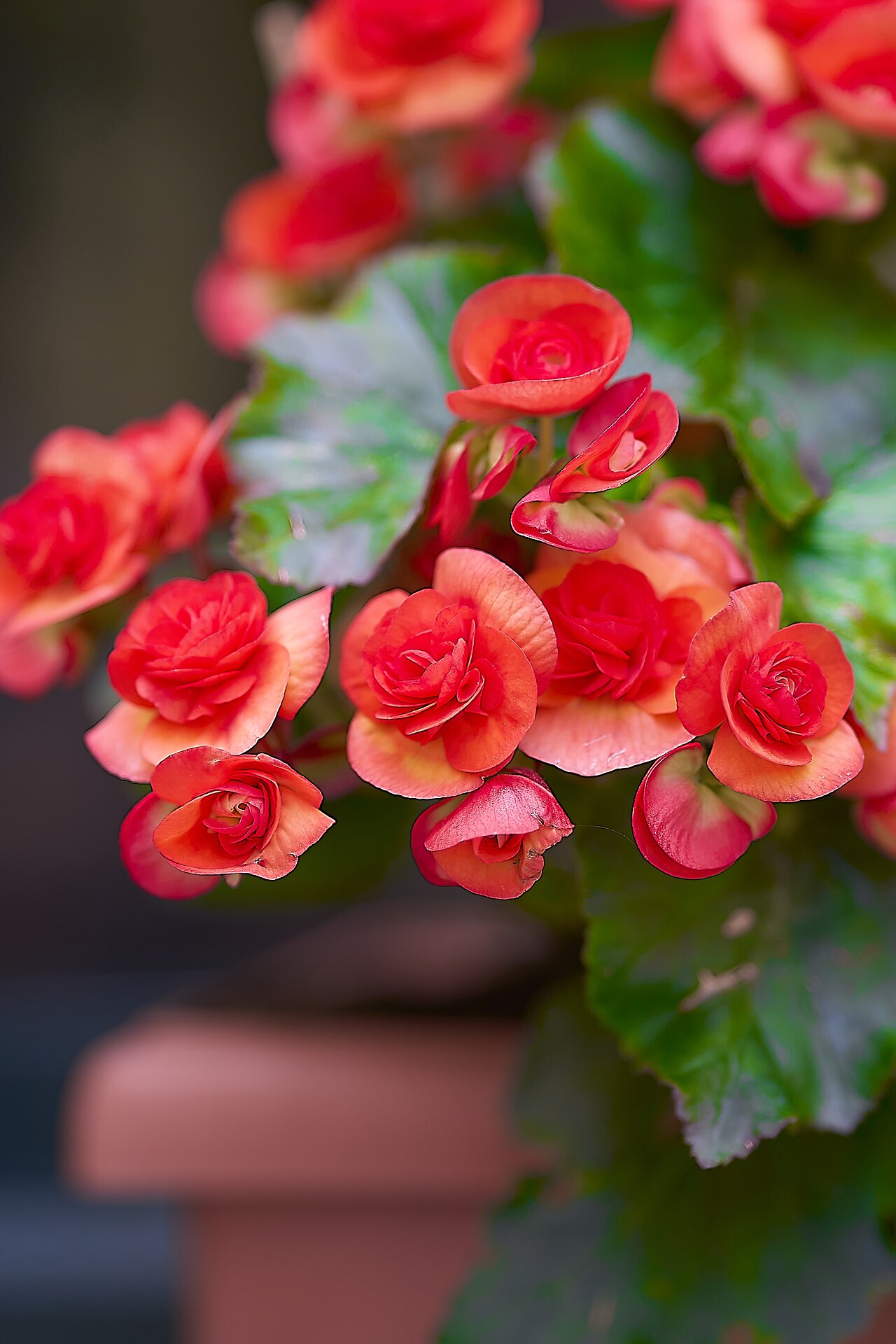
Begonia cleopatra is a popular ornamental houseplant known for its striking, maple-shaped foliage. It contains soluble calcium oxalates that can cause irritation if ingested by pets.
Potentially toxic for cats & dogs.
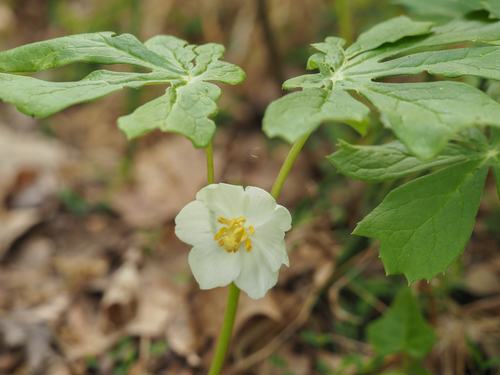
American Mandrake is a perennial woodland plant known for its umbrella-like leaves and single white flower. It contains podophyllotoxin, which is highly irritating and potentially dangerous if ingested by pets.
Potentially toxic for cats & dogs.
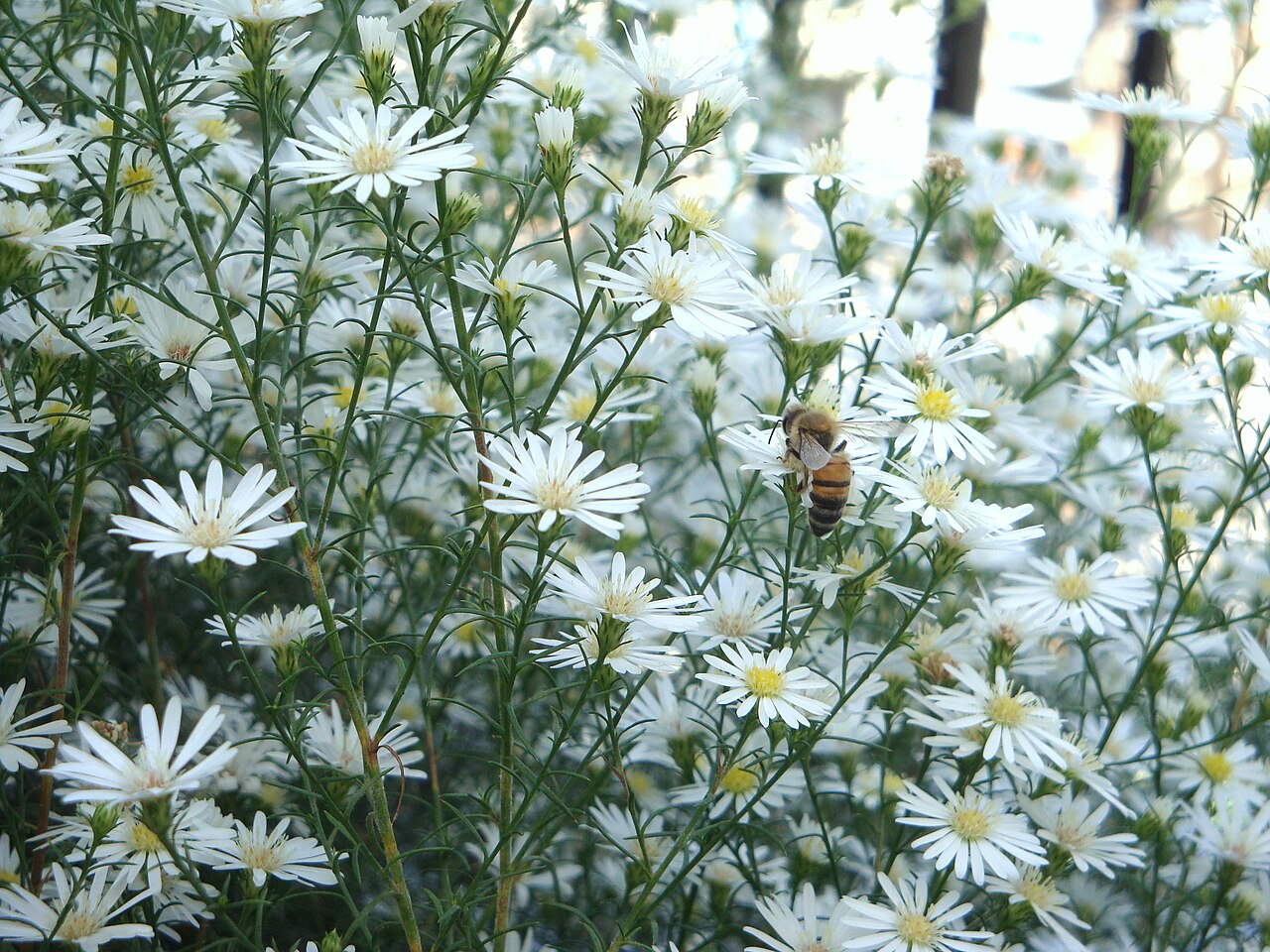
Mayweed is a flowering herbaceous plant in the daisy family known for its strong scent and daisy-like blooms. It is considered toxic to pets due to the presence of compounds that can cause irritation upon contact or ingestion.
Potentially toxic for cats & dogs.
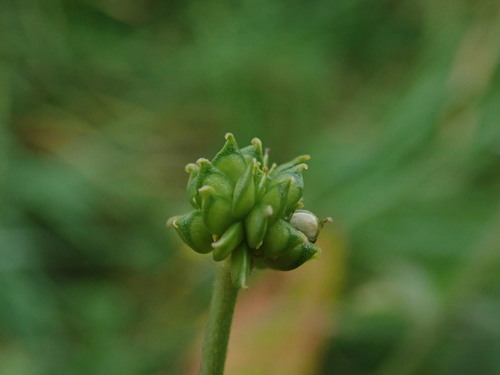
Ranunculus acris is a perennial herbaceous plant known for its bright yellow flowers and presence in meadows. It contains compounds that can cause irritation upon contact or ingestion.
Potentially toxic for cats & dogs.
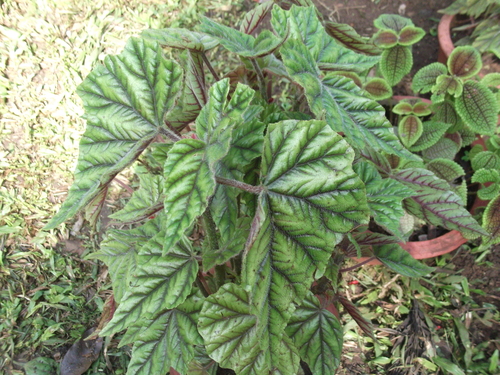
Begonia metallica is a popular ornamental houseplant known for its textured, metallic-sheen foliage. It contains soluble calcium oxalates that can cause irritation if ingested by pets.
Potentially toxic for cats & dogs.
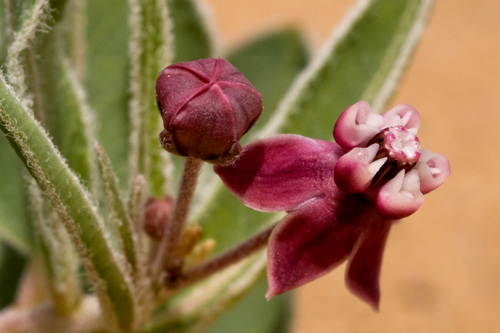
Milkweed is a diverse genus of herbaceous perennials known for their milky sap and importance to pollinators. All parts of the plant are considered toxic to pets due to the presence of cardiac glycosides.
Potentially toxic for cats & dogs.
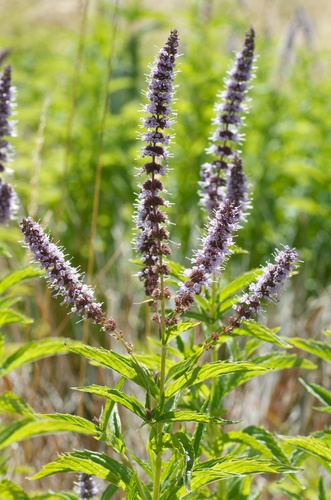
Mint is a popular aromatic herb known for its rapid growth and fragrant foliage. While commonly used in human culinary applications, it contains essential oils that can cause gastrointestinal distress in pets.
Potentially toxic for cats & dogs.
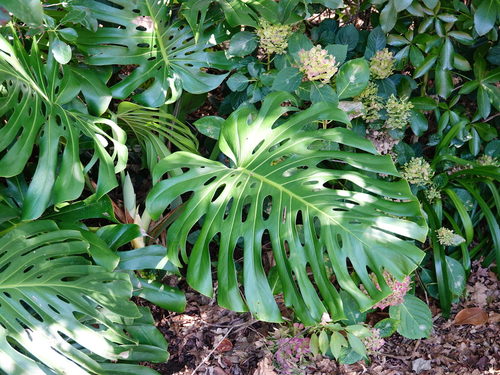
Monstera deliciosa is a popular tropical houseplant known for its large, fenestrated leaves and vining growth habit. It contains insoluble calcium oxalate crystals that can cause irritation if ingested by pets.
Potentially toxic for cats & dogs.
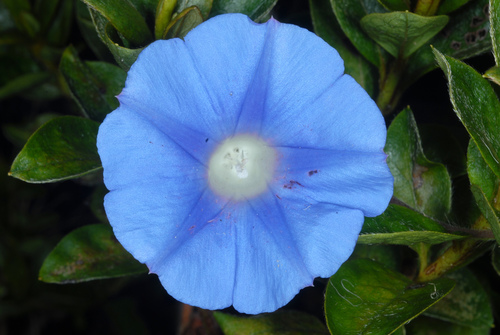
Morning Glory is a popular flowering vine known for its trumpet-shaped blooms that open in the morning. While aesthetically pleasing, the seeds and other plant parts contain alkaloids that can cause digestive distress if ingested by pets.
Potentially toxic for cats & dogs.
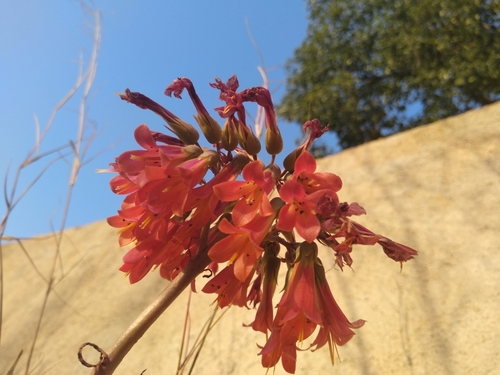
The Chandelier Plant is a succulent known for its unique, tubular leaves and prolific production of plantlets along the leaf margins. It contains cardiac glycosides that can cause significant health issues if ingested by pets.
Potentially toxic for cats & dogs.
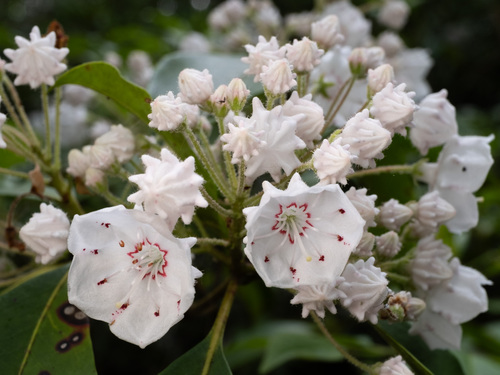
Mountain Laurel is a broadleaf evergreen shrub known for its clusters of showy, cup-shaped flowers. It contains grayanotoxins that are highly dangerous to pets if ingested.
Potentially toxic for cats & dogs.
O
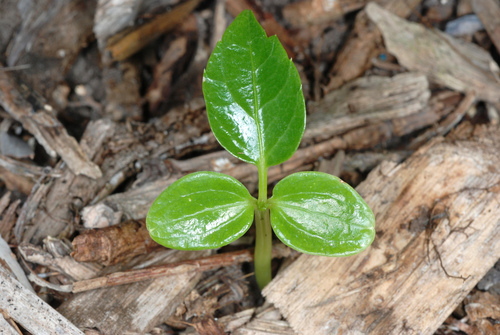
The Octopus Tree is a popular tropical houseplant known for its large, glossy, palm-like leaves arranged in a circular pattern. It contains insoluble calcium oxalate crystals that can cause irritation if ingested by pets.
Potentially toxic for cats & dogs.
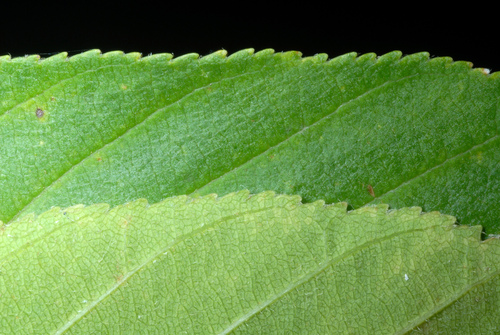
The Horse Chestnut is a deciduous tree known for its distinctive palmately compound leaves and spiky seed pods. All parts of the plant, particularly the seeds and leaves, contain saponins and glycosides that are harmful if ingested.
Potentially toxic for cats & dogs.
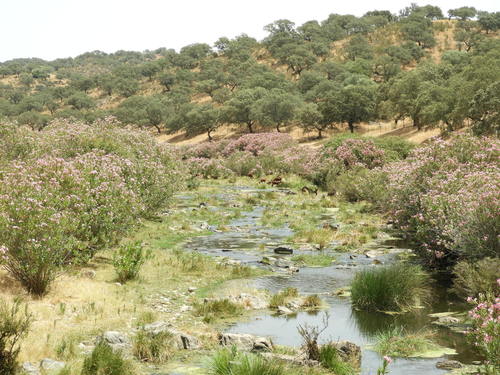
Oleander is a highly toxic evergreen shrub known for its showy flowers and extreme sensitivity to ingestion. All parts of the plant contain cardiac glycosides that can cause severe health complications in pets.
Potentially toxic for cats & dogs.
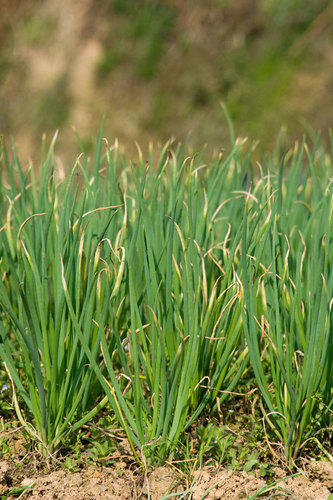
The onion is a bulbous vegetable widely used in cooking that contains compounds capable of damaging red blood cells in pets. Ingestion of any part of the plant, including the bulb, can lead to serious health complications.
Potentially toxic for cats & dogs.
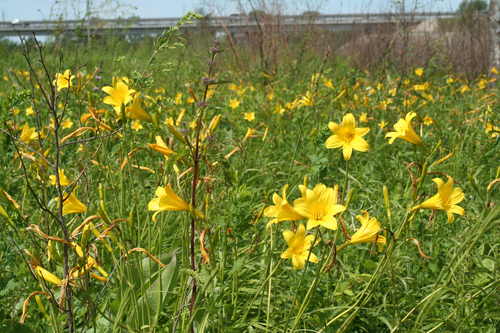
The Orange Day Lily is a perennial flowering plant known for its vibrant, trumpet-shaped blooms. While popular in gardens, it is highly dangerous to cats if ingested.
Potentially toxic for cats.
Uncertain for dogs.
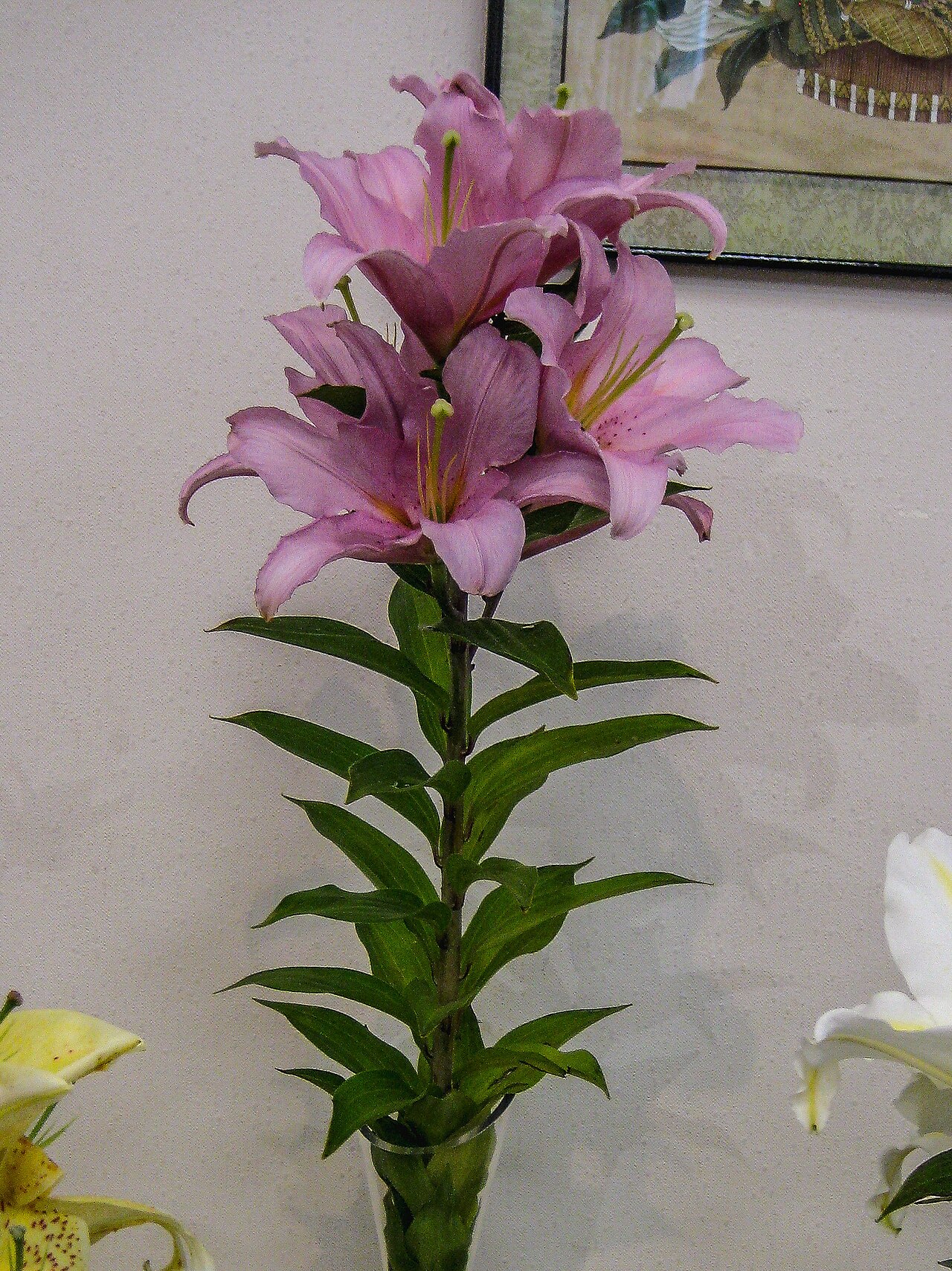
The Stargazer Lily is a popular fragrant hybrid lily known for its vibrant, spotted petals. It is highly toxic to cats, even in small amounts, and should be kept strictly out of reach.
Potentially toxic for cats.
Uncertain for dogs.
P
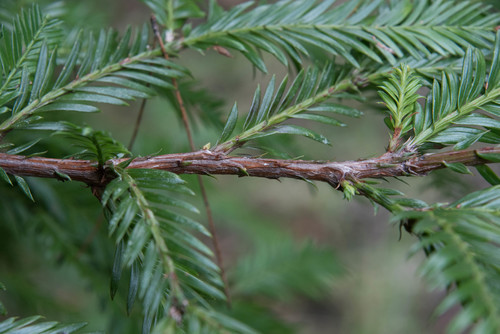
The Pacific Yew is an evergreen conifer containing taxine alkaloids that are highly poisonous to most animals. Ingestion of any part of the plant, especially the needles and seeds, can lead to severe systemic distress.
Potentially toxic for cats & dogs.
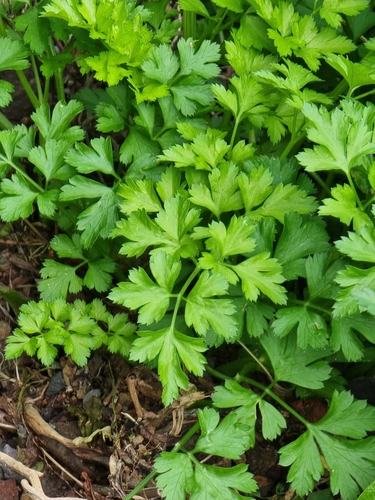
Parsley is a popular culinary herb that contains furanocoumarins and psoralens, which can cause photosensitivity in pets if ingested in large quantities. While commonly used in human cooking, it is considered toxic to both cats and dogs.
Potentially toxic for cats & dogs.
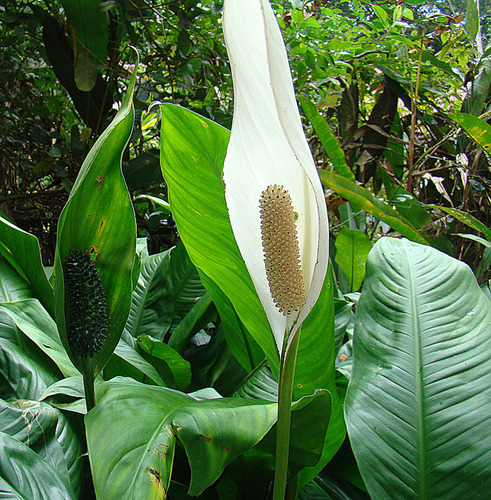
The Mauna Loa Peace Lily is a popular indoor plant known for its elegant white spathes and lush foliage. It contains insoluble calcium oxalate crystals that can cause irritation upon contact or ingestion.
Potentially toxic for cats & dogs.
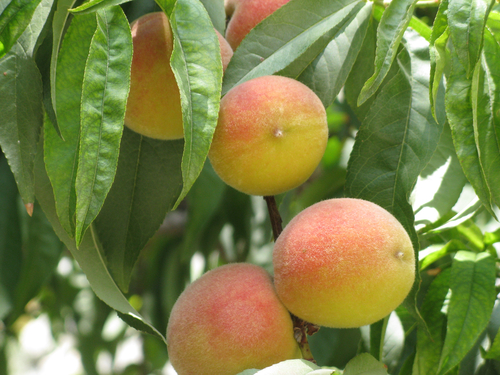
The peach tree is a deciduous fruit-bearing plant known for its edible stone fruits. While the fruit flesh is generally consumed by humans, the leaves, stems, and seeds contain cyanogenic glycosides that pose a risk to pets if ingested.
Potentially toxic for cats & dogs.
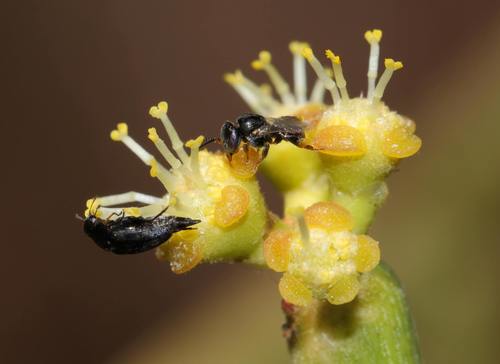
The Pencil Cactus is a succulent shrub known for its pencil-thin, leafless branches that contain a highly irritating milky white sap. It is widely recognized for its ornamental value but requires careful handling due to its toxic properties.
Potentially toxic for cats & dogs.
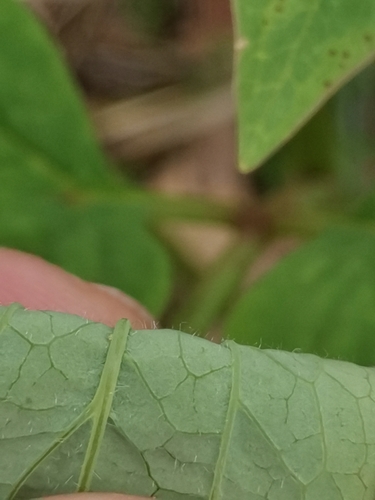
The peony is a popular garden perennial known for its large, showy blooms. While prized for its beauty, all parts of the plant contain paeonol, which can cause gastrointestinal distress if ingested by pets.
Potentially toxic for cats & dogs.
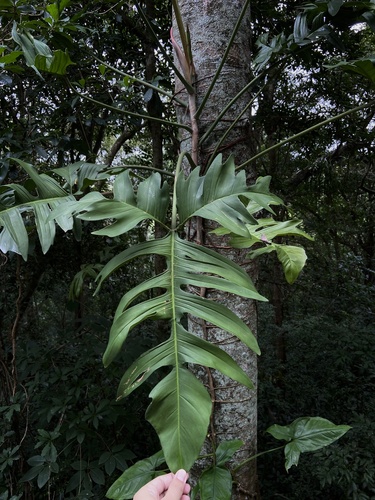
Philodendrons are popular tropical foliage plants known for their lush, heart-shaped or split leaves. They contain insoluble calcium oxalate crystals that can cause irritation if ingested.
Potentially toxic for cats & dogs.
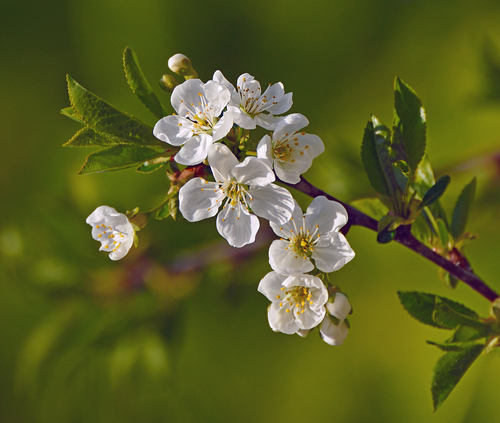
The plum tree is a fruit-bearing species in the rose family, known for its edible stone fruits. While the fruit flesh is generally safe, the stems, leaves, and seeds contain cyanogenic glycosides that can be harmful if ingested.
Potentially toxic for cats & dogs.
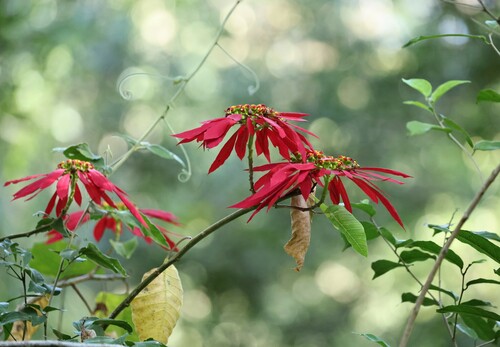
The Poinsettia is a popular holiday plant known for its vibrant, colorful bracts. While often overstated in its danger, it contains a milky sap that can cause irritation if ingested or touched.
Potentially toxic for cats & dogs.
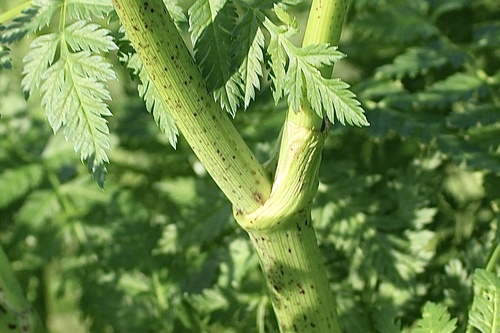
Poison Hemlock is a highly dangerous biennial herb containing potent piperidine alkaloids that affect the nervous system. It is considered one of the most toxic plants and should be strictly avoided in any environment accessible to pets.
Potentially toxic for cats & dogs.

Devil's Ivy is a popular trailing houseplant known for its heart-shaped leaves and ease of care. It contains insoluble calcium oxalate crystals that can cause irritation if ingested by pets.
Potentially toxic for cats & dogs.
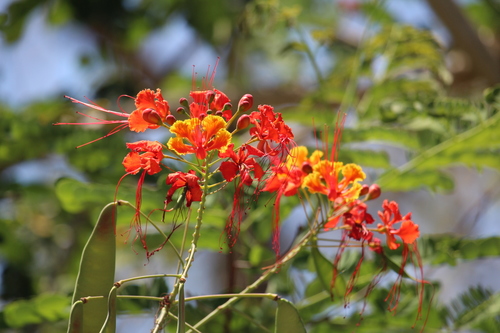
Barbados Pride is a tropical shrub known for its vibrant, showy flowers and fern-like foliage. It is considered toxic to pets if ingested, primarily due to the presence of compounds that can cause gastrointestinal distress.
Potentially toxic for cats & dogs.
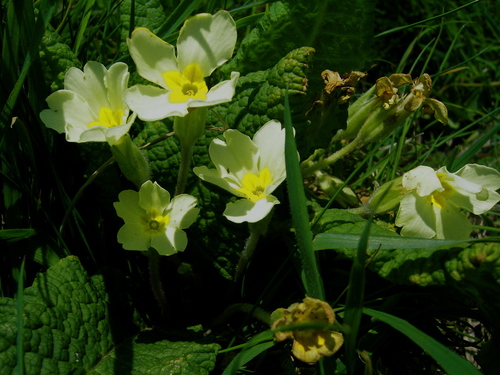
Primula vulgaris is a low-growing perennial herb known for its early spring blooms. While popular in gardens, it contains compounds that can cause irritation if ingested or touched by pets.
Potentially toxic for cats & dogs.
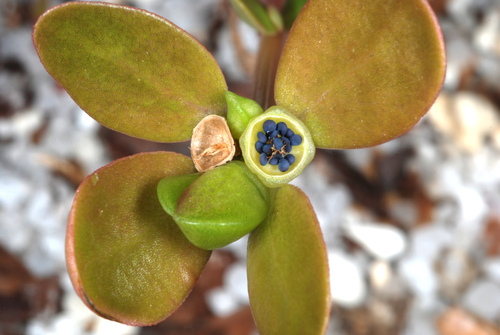
Moss Rose is a succulent, low-growing annual known for its vibrant, rose-like flowers and fleshy leaves. While popular in gardens, it contains soluble calcium oxalates that can cause irritation if ingested by pets.
Potentially toxic for cats & dogs.
R
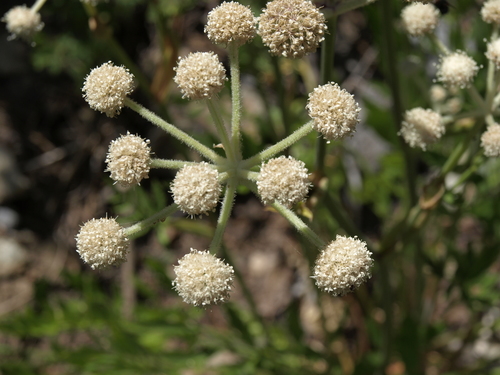
Ranger's Button is a perennial herb native to the western United States, known for its distinct, button-like flower clusters. It is considered toxic to pets if ingested and should be kept out of reach.
Potentially toxic for cats & dogs.
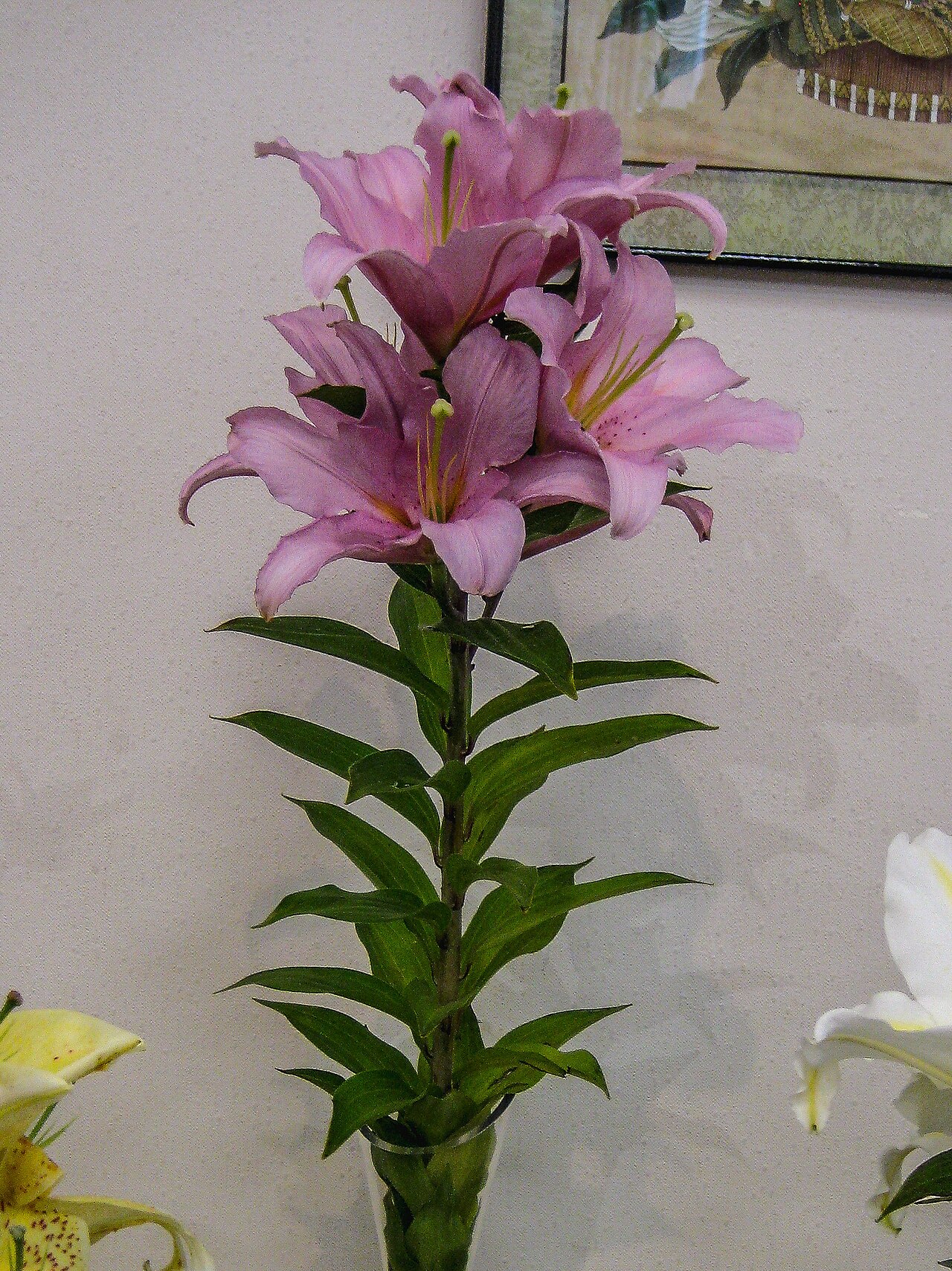
Red Lily is a bulbous perennial known for its vibrant, upward-facing blooms. It is highly significant in veterinary toxicology due to the severe risk it poses to feline health.
Potentially toxic for cats.
Uncertain for dogs.
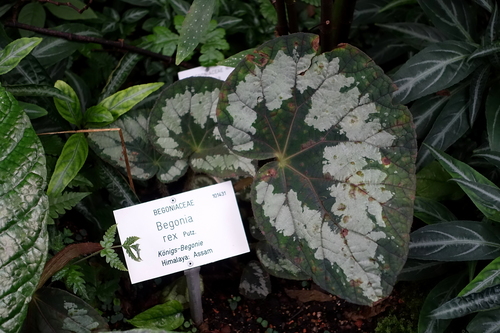
The Peace Begonia is a popular ornamental houseplant prized for its vibrant, patterned foliage. It contains soluble calcium oxalates that can cause irritation if ingested by pets.
Potentially toxic for cats & dogs.
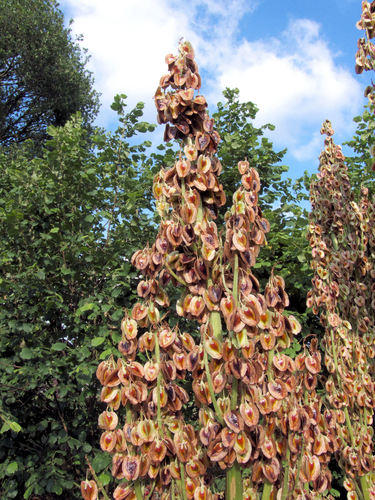
Rhubarb is a perennial vegetable known for its edible stalks, but its leaves contain high levels of soluble oxalate crystals that are harmful if ingested. It is widely grown in gardens for culinary use but requires caution regarding pet access to the foliage.
Potentially toxic for cats & dogs.
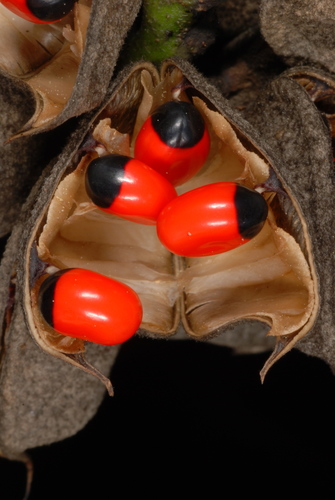
The Rosary Pea is a climbing vine known for its highly toxic seeds, which contain the potent protein abrin. Due to the extreme danger posed by the seeds, this plant should be kept strictly out of reach of all pets.
Potentially toxic for cats & dogs.
S
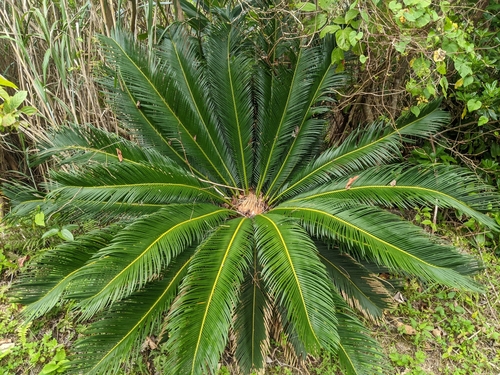
The Sago Palm is a popular ornamental cycad that is highly toxic to pets if ingested. All parts of the plant, especially the seeds, contain cycasin, which can cause severe health complications.
Potentially toxic for cats & dogs.
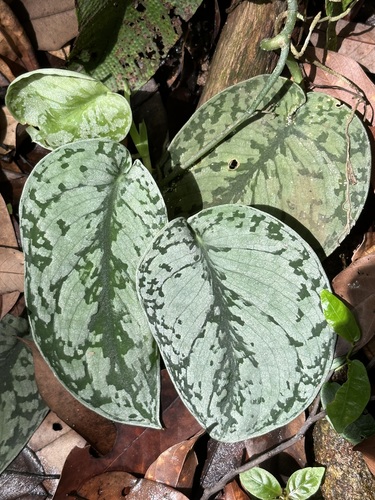
Satin Pothos is a popular vining houseplant known for its heart-shaped, silver-variegated leaves. It contains insoluble calcium oxalate crystals that can cause irritation if ingested.
Potentially toxic for cats & dogs.
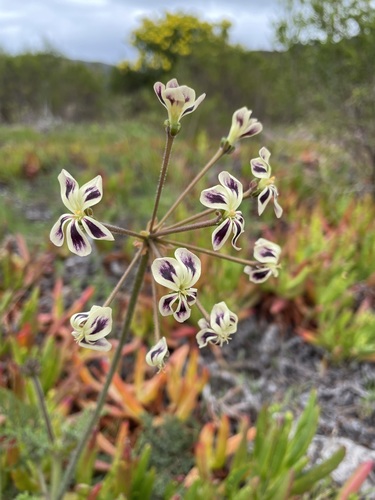
Scented geraniums are popular aromatic houseplants known for their fragrant foliage and clusters of small flowers. While prized for their scent, they contain essential oils that can cause irritation if ingested by pets.
Potentially toxic for cats & dogs.
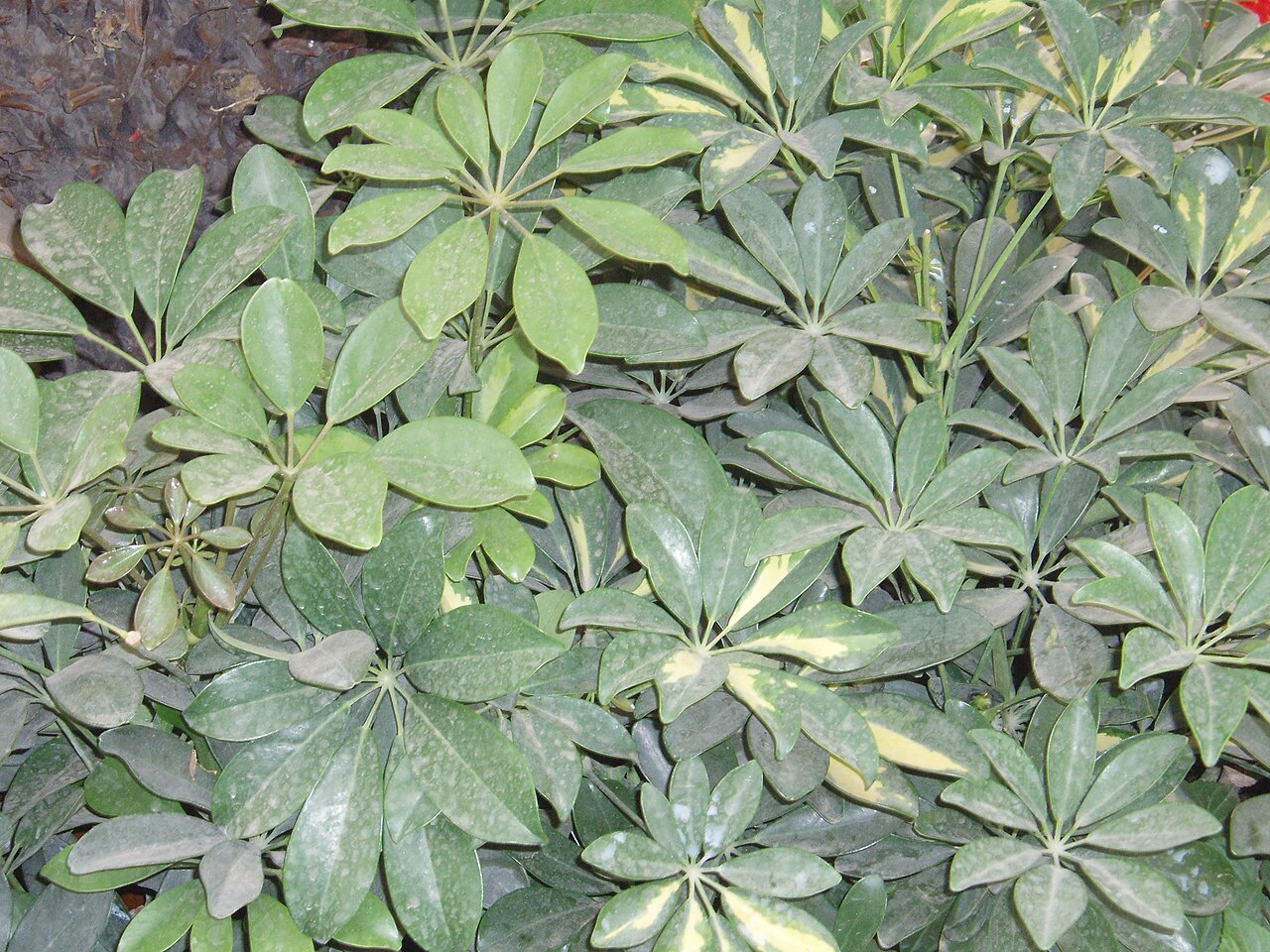
Schefflera is a popular tropical houseplant known for its glossy, palm-like leaflets arranged in a circular pattern. It contains insoluble calcium oxalate crystals that can cause irritation upon ingestion.
Potentially toxic for cats & dogs.
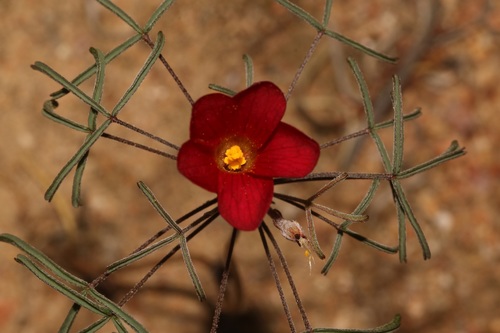
Oxalis species, often known as wood sorrel or shamrock plants, are popular indoor plants characterized by their clover-like foliage. They contain soluble calcium oxalates which can cause irritation if ingested by pets.
Potentially toxic for cats & dogs.
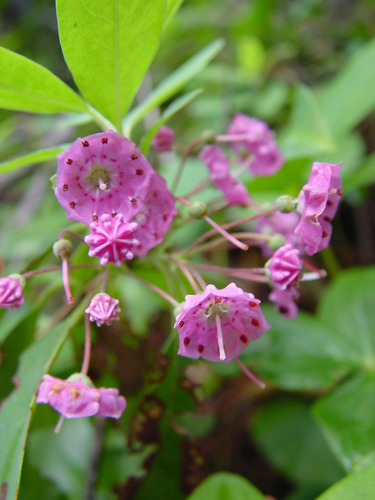
Lambkill is a flowering evergreen shrub in the heath family known for containing grayanotoxins. Ingestion of any part of the plant can cause significant health issues in pets.
Potentially toxic for cats & dogs.
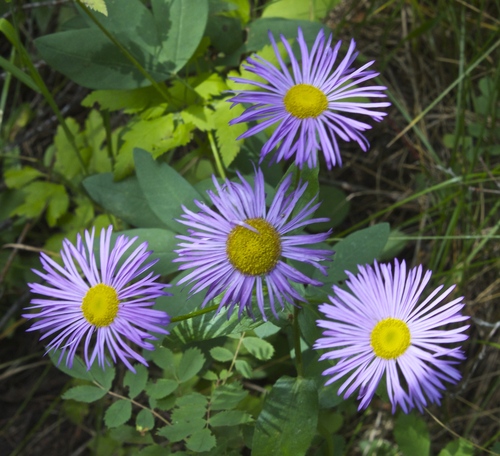
Erigeron speciosus is a perennial flowering plant in the daisy family known for its showy, lavender-blue blooms. While popular in gardens, it is considered toxic to household pets if ingested.
Potentially toxic for cats & dogs.
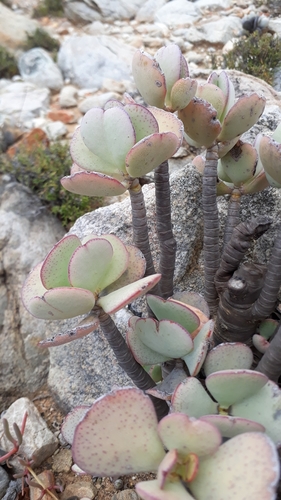
Crassula arborescens is a succulent shrub known for its thick, fleshy, blue-green leaves with reddish margins. While popular as an ornamental houseplant, it contains compounds that can cause adverse reactions if ingested by pets.
Potentially toxic for cats & dogs.
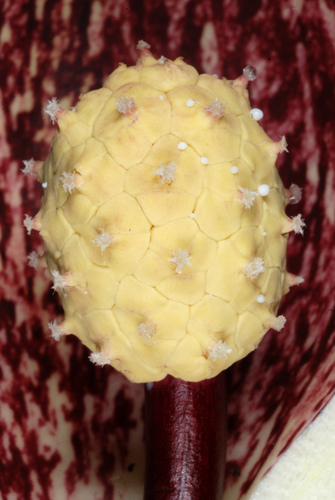
Skunk Cabbage is a wetland-dwelling perennial known for its distinct odor and early spring emergence. It contains calcium oxalate crystals which can cause irritation upon ingestion.
Potentially toxic for cats & dogs.
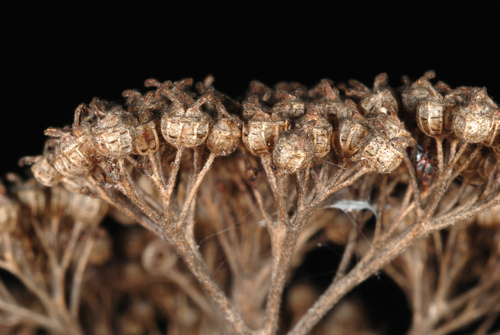
Hydrangea arborescens is a deciduous shrub known for its large, rounded clusters of white flowers. It contains cyanogenic glycosides which can cause gastrointestinal distress if ingested by pets.
Potentially toxic for cats & dogs.
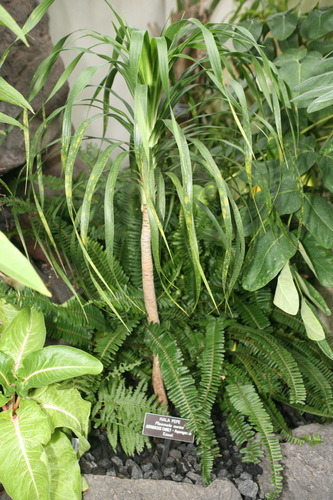
Dracaena trifasciata is a popular, hardy houseplant known for its stiff, sword-like leaves with striking yellow margins. It is widely appreciated for its air-purifying qualities and ability to thrive in various indoor conditions.
Potentially toxic for cats & dogs.
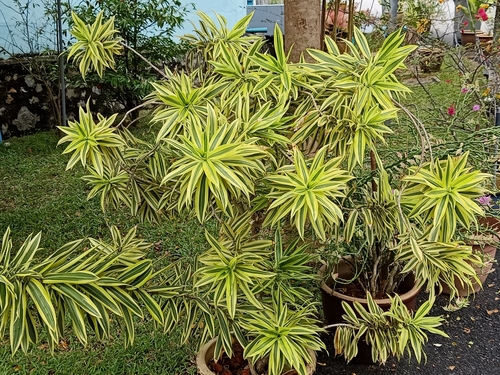
Dracaena reflexa is a popular ornamental houseplant known for its spiraling, lance-shaped leaves and woody stems. It contains saponins which can cause gastrointestinal and neurological distress if ingested by pets.
Potentially toxic for cats & dogs.
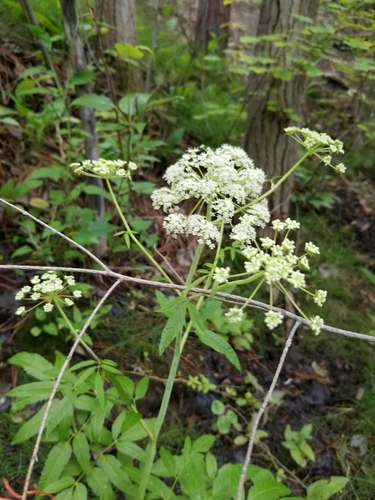
Cicuta maculata is a highly dangerous perennial plant containing cicutoxin, which acts as a potent neurotoxin. It is considered one of the most poisonous plants in North America and should be strictly avoided in any environment accessible to pets.
Potentially toxic for cats & dogs.
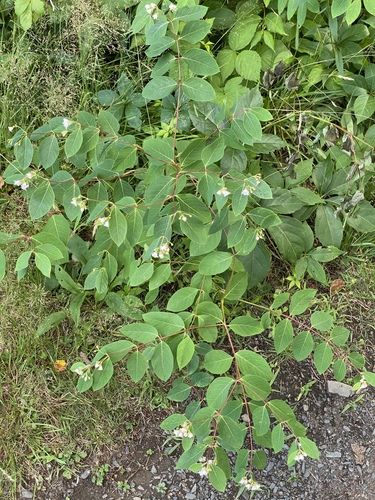
Bitter Root is a perennial herbaceous plant known for its pink, bell-shaped flowers and milky sap. It contains cardiac glycosides that are harmful if ingested by pets.
Potentially toxic for cats & dogs.
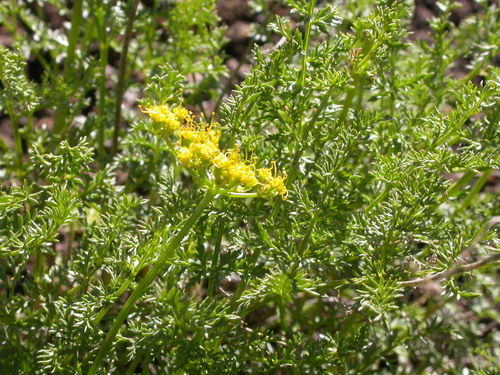
Spring Parsley is a low-growing perennial herb native to the western United States, often found in rocky, arid environments. It is considered toxic to pets if ingested and should be kept out of reach.
Potentially toxic for cats & dogs.
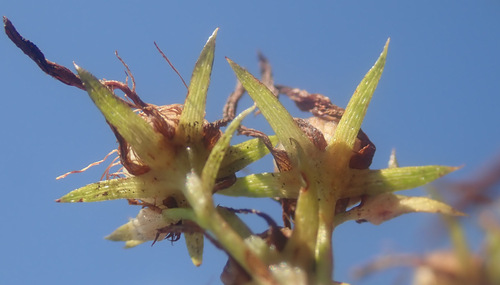
Klamath Weed is a perennial flowering plant known for its bright yellow blooms and medicinal history, but it contains compounds that can cause significant health issues if ingested by pets. It is widely recognized as a toxic plant that requires careful management in households with animals.
Potentially toxic for cats & dogs.
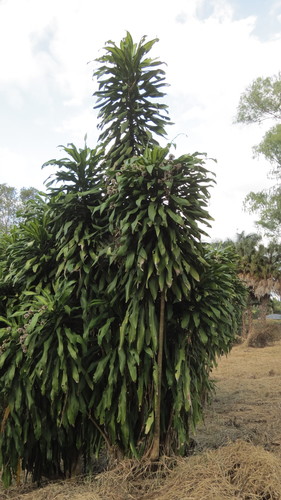
Striped Dracaena is a popular indoor foliage plant known for its long, lance-shaped leaves with distinct variegation. It contains saponins, which can cause adverse reactions if ingested by pets.
Potentially toxic for cats & dogs.
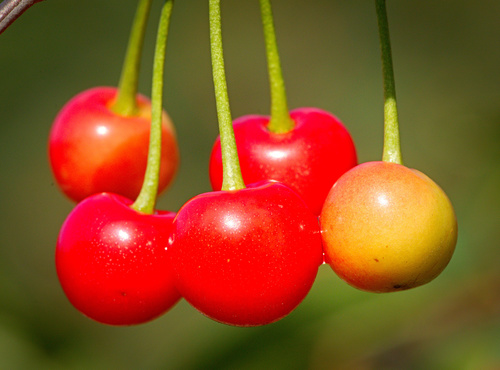
Prunus avium is a deciduous tree known for its edible fruit, but its stems, leaves, and seeds contain cyanogenic glycosides that can be harmful if ingested by pets. It is widely cultivated for fruit production and as an ornamental specimen.
Potentially toxic for cats & dogs.
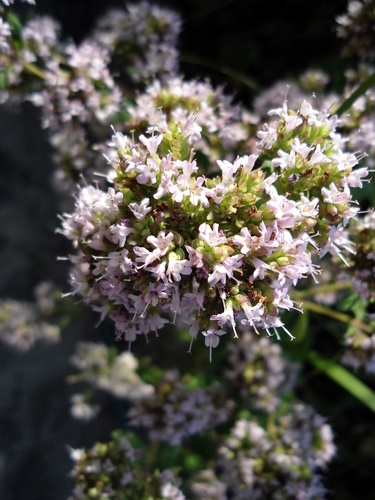
Marjoram is a popular culinary herb often grown in kitchen gardens or as a potted plant. While widely used in cooking, ingestion of large quantities by pets can lead to gastrointestinal distress.
Potentially toxic for cats & dogs.
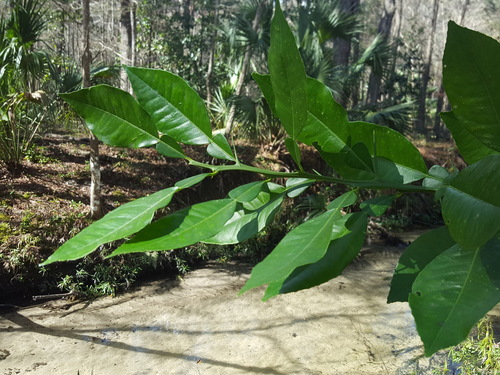
The sweet orange is a popular citrus tree known for its fragrant blossoms and edible fruit. While the fruit is a common food item, the essential oils and plant parts contain compounds that can cause irritation to pets.
Potentially toxic for cats & dogs.
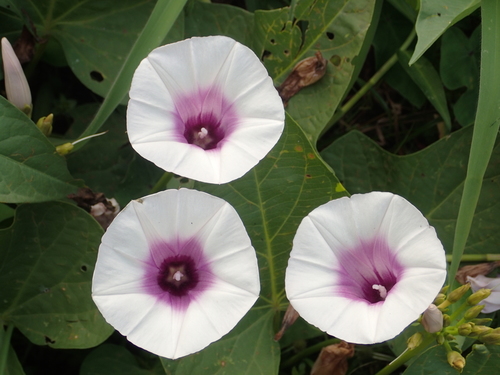
Sweet Potato Vine is a popular ornamental foliage plant known for its vibrant, trailing leaves. While generally considered safe for pets, it is best to prevent them from grazing on the foliage to avoid minor digestive discomfort.
Potentially toxic for cats & dogs.
T
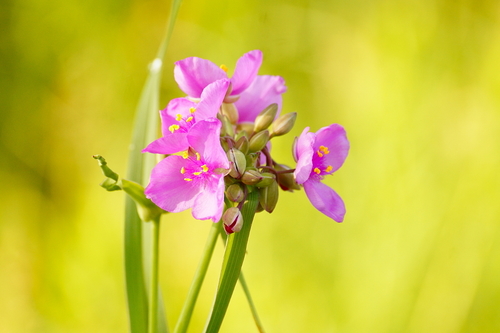
Tahitian Bridal Veil is a delicate, trailing plant known for its small white flowers and deep green foliage with purple undersides. It is a member of the Commelinaceae family and is commonly grown in hanging baskets.
Potentially toxic for cats & dogs.
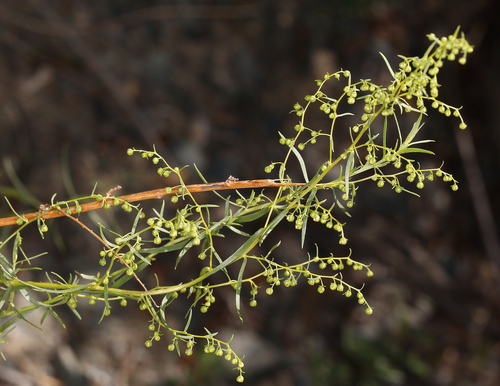
Tarragon is a perennial herb in the sunflower family often used in culinary applications. While popular in kitchens, it contains essential oils that can cause gastrointestinal distress if ingested by pets.
Potentially toxic for cats & dogs.
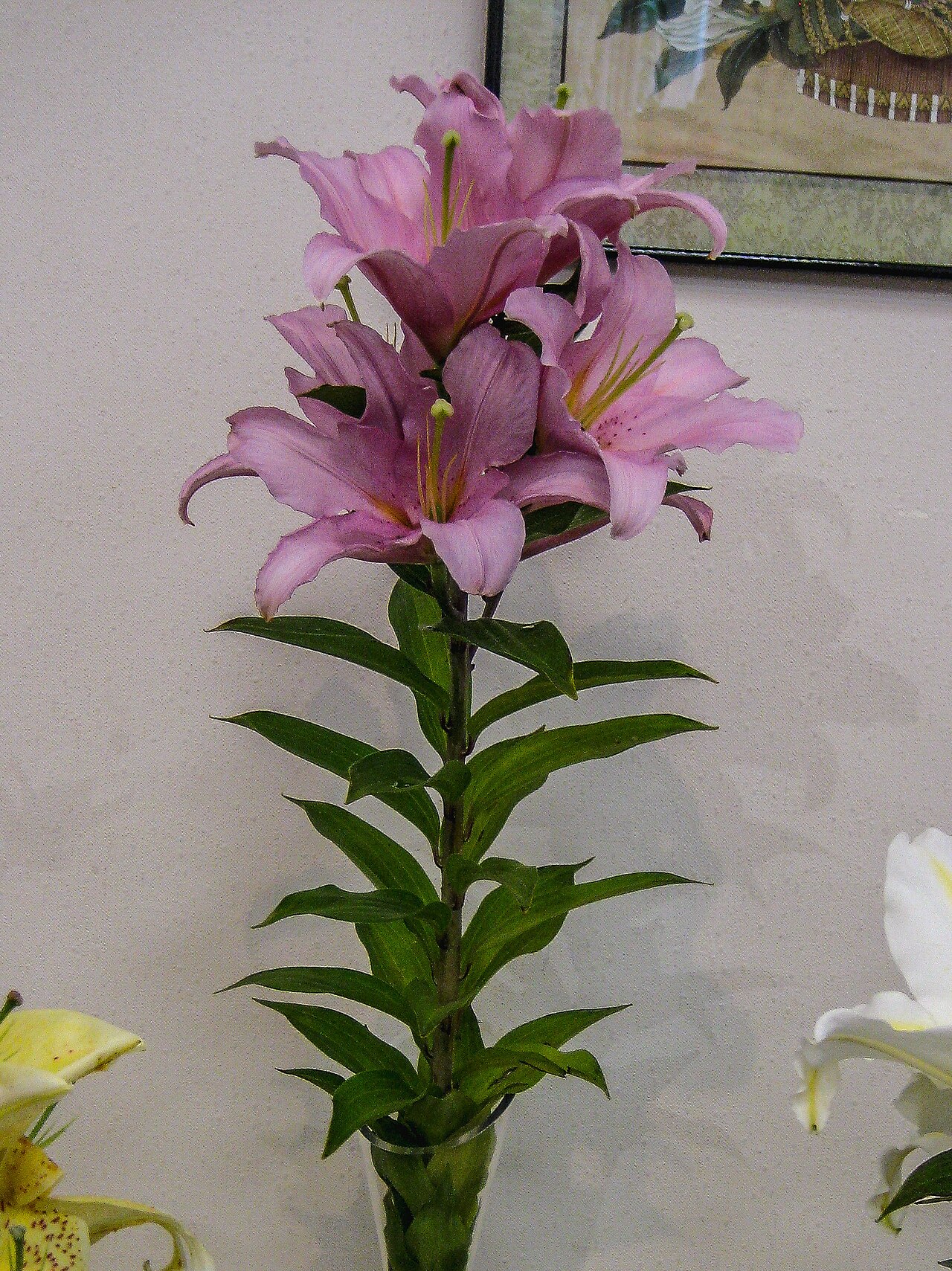
The Tiger Lily is a bulbous perennial known for its striking orange, spotted flowers. It is highly dangerous to cats, as all parts of the plant can cause severe health complications.
Potentially toxic for cats.
Uncertain for dogs.
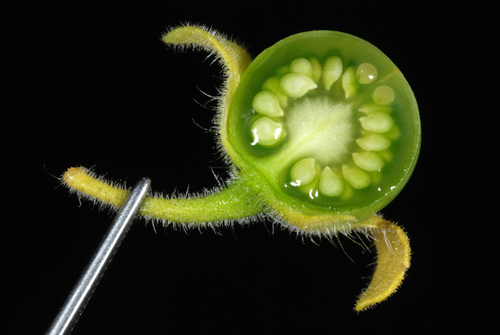
The tomato plant is a popular garden vegetable that contains solanine, a glycoalkaloid found in its stems and leaves. While the fruit is generally consumed by humans, the green parts of the plant can cause adverse reactions if ingested by pets.
Potentially toxic for cats & dogs.
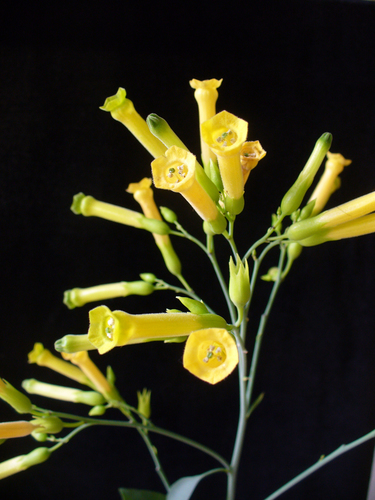
Nicotiana glauca is a fast-growing shrub known for its glaucous, blue-green foliage and tubular yellow flowers. It contains pyridine alkaloids, specifically anabasine, which are highly toxic to animals if ingested.
Potentially toxic for cats & dogs.
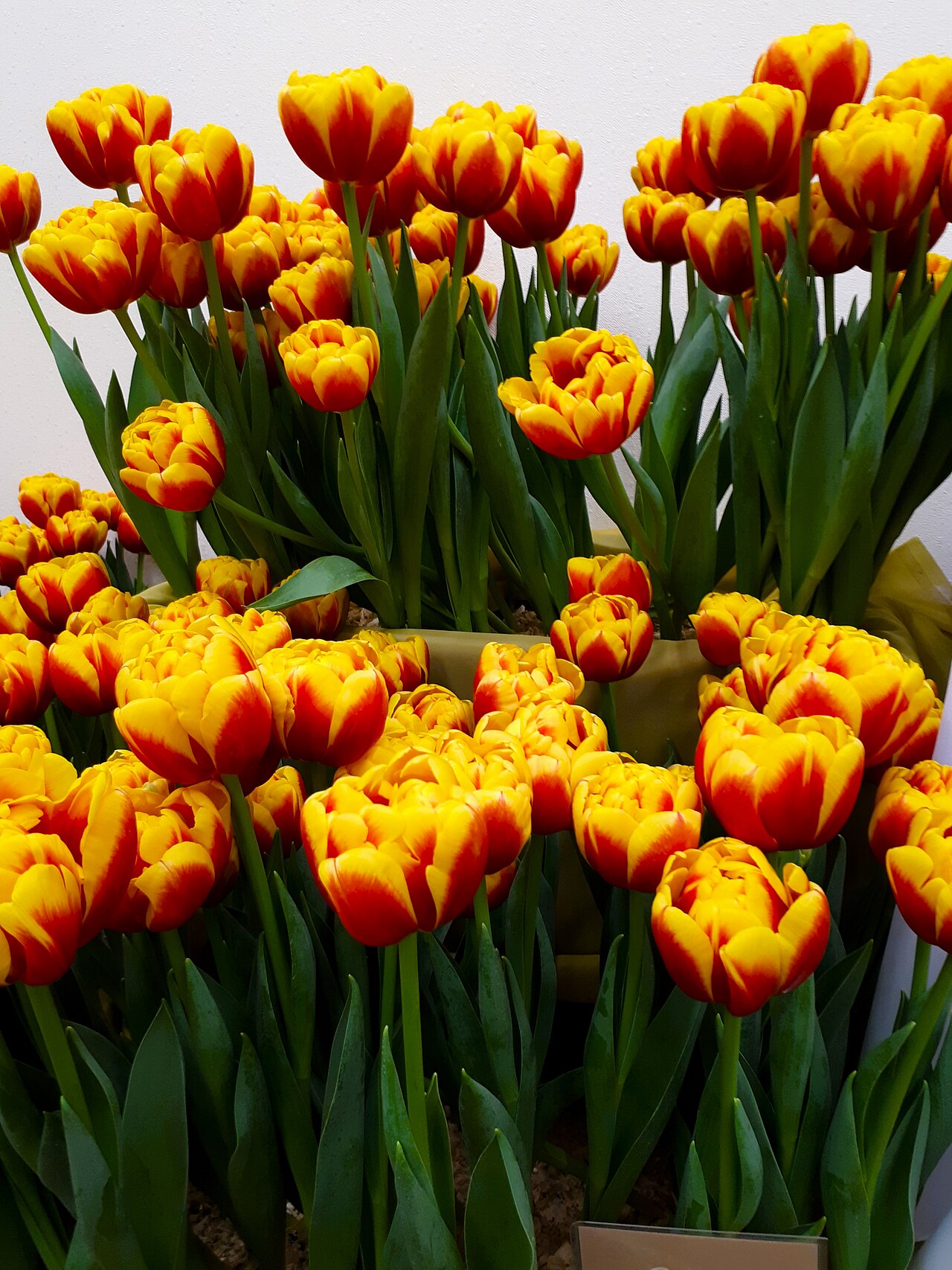
Tulips are popular spring-flowering bulbs that contain allergenic lactones, primarily concentrated in the bulb, which can cause irritation if ingested. While the entire plant is considered toxic, the bulb is the most potent part.
Potentially toxic for cats & dogs.
W
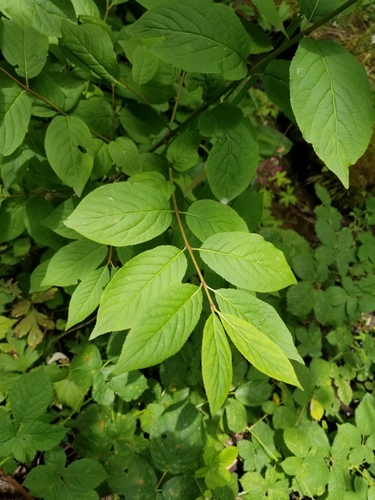
Euonymus occidentalis, commonly known as the Western burning bush or Wahoo, is a deciduous shrub containing cardiac glycosides that are harmful if ingested. It is best kept out of reach of all household pets.
Potentially toxic for cats & dogs.
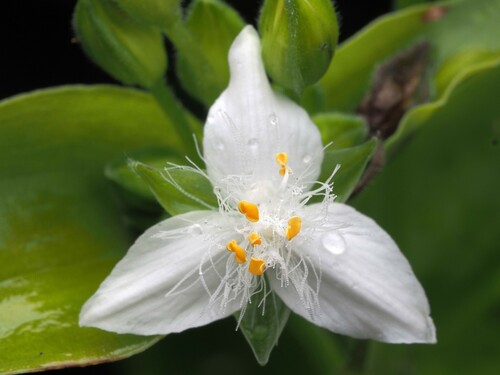
The Inch Plant is a fast-growing, trailing perennial often kept as a houseplant for its attractive, variegated foliage. It contains sap that can cause irritation upon contact or ingestion.
Potentially toxic for cats & dogs.
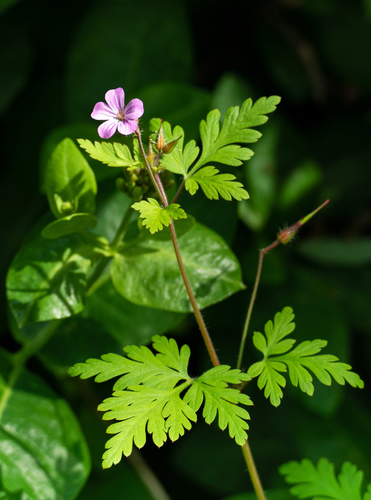
Cowbane is a highly poisonous genus of plants in the carrot family, known for containing potent neurotoxins that affect the central nervous system. It is considered one of the most lethal plants in North America and should be strictly avoided in any environment accessible to pets.
Potentially toxic for cats & dogs.
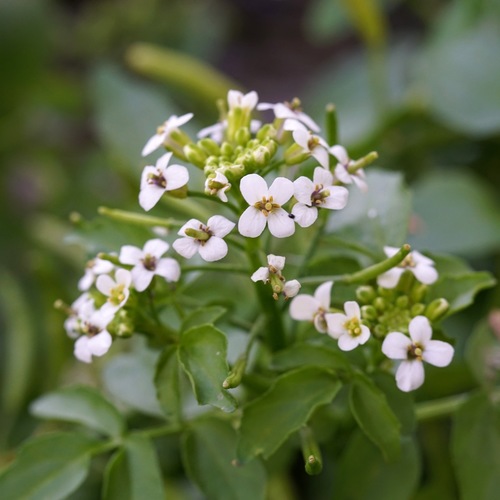
Nasturtium officinale is an aquatic or semi-aquatic perennial plant often grown for culinary use, but it can cause gastrointestinal distress if ingested by pets. It is distinct from the common garden Nasturtium (Tropaeolum majus).
Potentially toxic for cats & dogs.
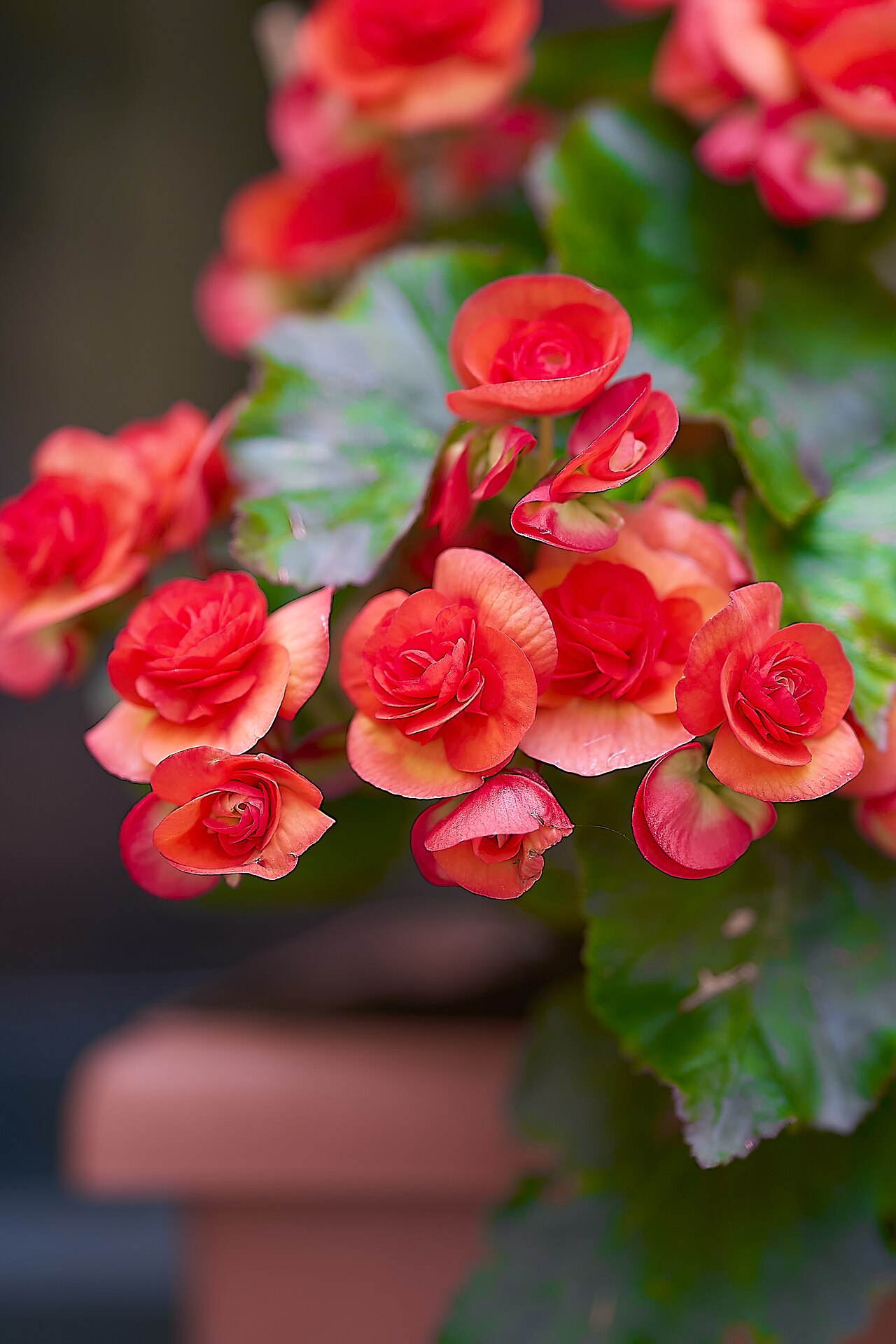
The Pink Pearl is a popular cultivar of wax begonia known for its waxy, succulent-like leaves and delicate pink flowers. It contains soluble calcium oxalates that can cause irritation if ingested by pets.
Potentially toxic for cats & dogs.
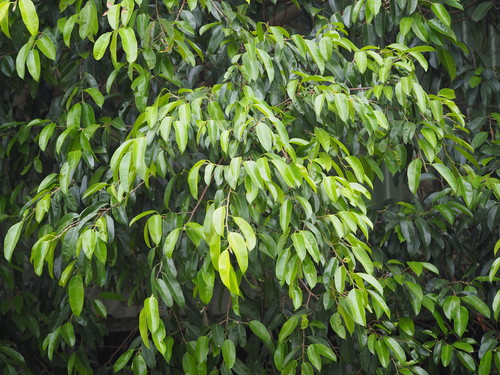
The Weeping Fig is a popular indoor tree known for its glossy, arching foliage and elegant, pendulous branches. It contains a milky sap that can cause irritation upon contact or ingestion.
Potentially toxic for cats & dogs.
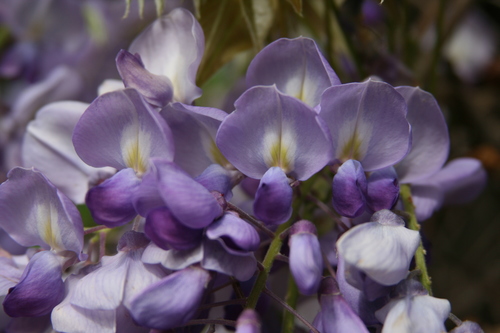
Wisteria is a genus of woody, climbing vines known for their cascading, fragrant flower clusters. All parts of the plant, particularly the seeds and pods, contain toxic compounds that can cause gastrointestinal distress if ingested.
Potentially toxic for cats & dogs.
Y
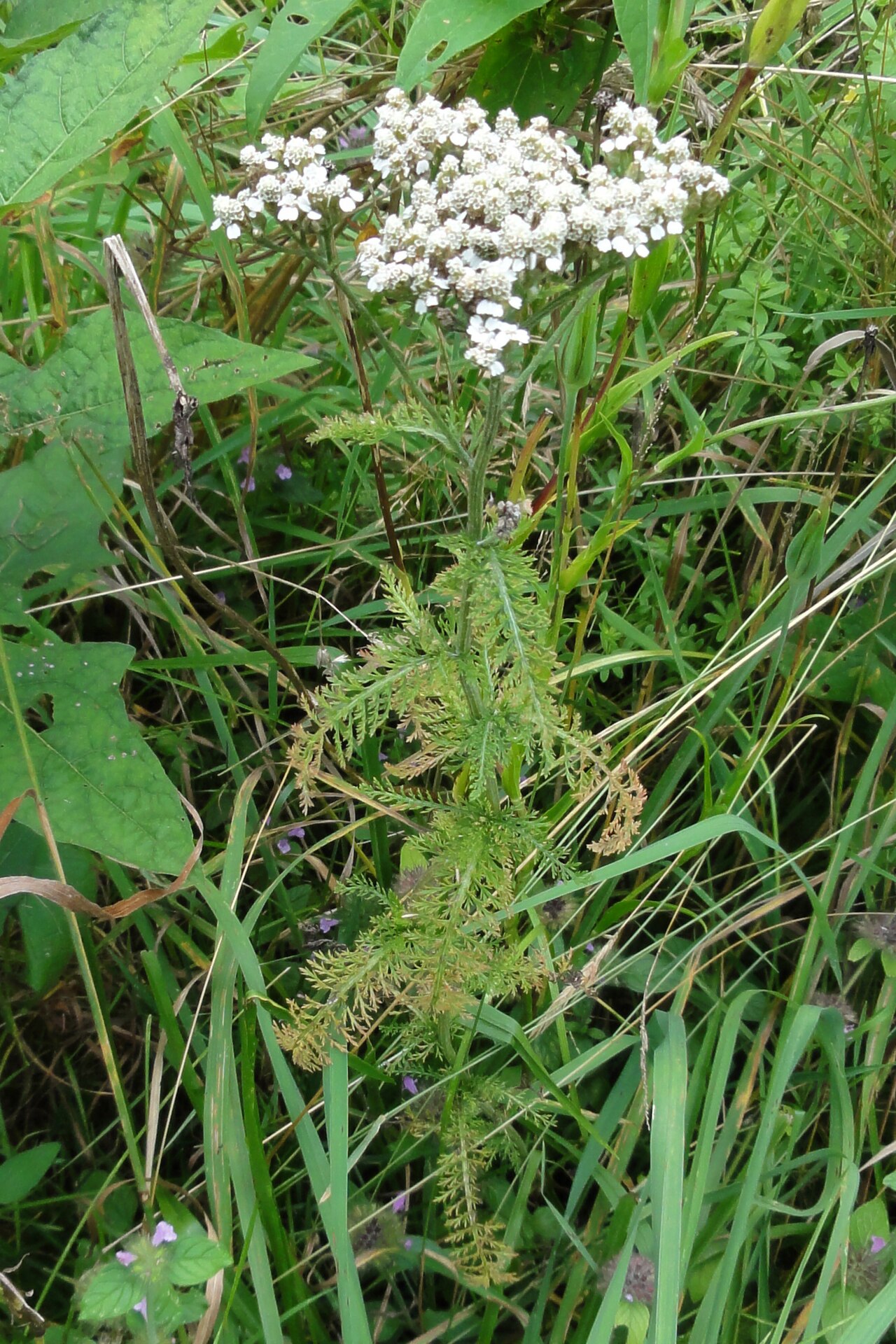
Achillea millefolium is a hardy perennial herb known for its feathery, fern-like foliage and clusters of small, daisy-like flowers. While popular in gardens, it contains compounds that can cause adverse reactions if ingested by pets.
Potentially toxic for cats & dogs.
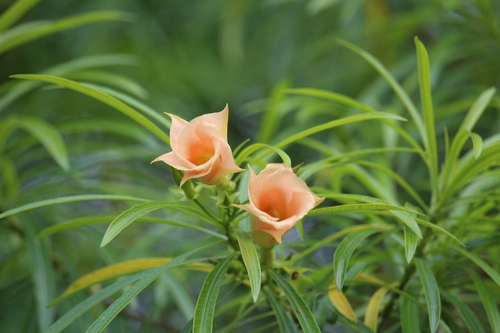
Yellow Oleander is a highly toxic evergreen shrub known for its bright, trumpet-shaped yellow flowers and narrow, leathery leaves. All parts of this plant contain potent cardiac glycosides that are dangerous if ingested by pets.
Potentially toxic for cats & dogs.
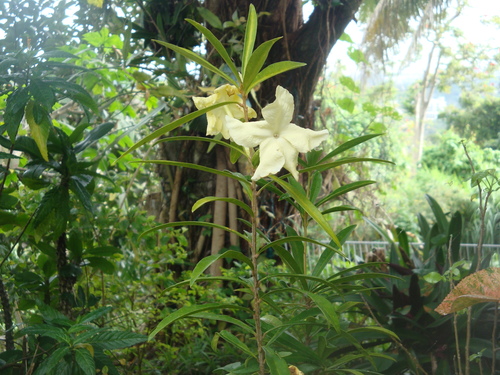
Brunfelsia is a genus of flowering shrubs known for their fragrant, color-changing blooms. All parts of the plant are considered toxic to pets if ingested.
Potentially toxic for cats & dogs.
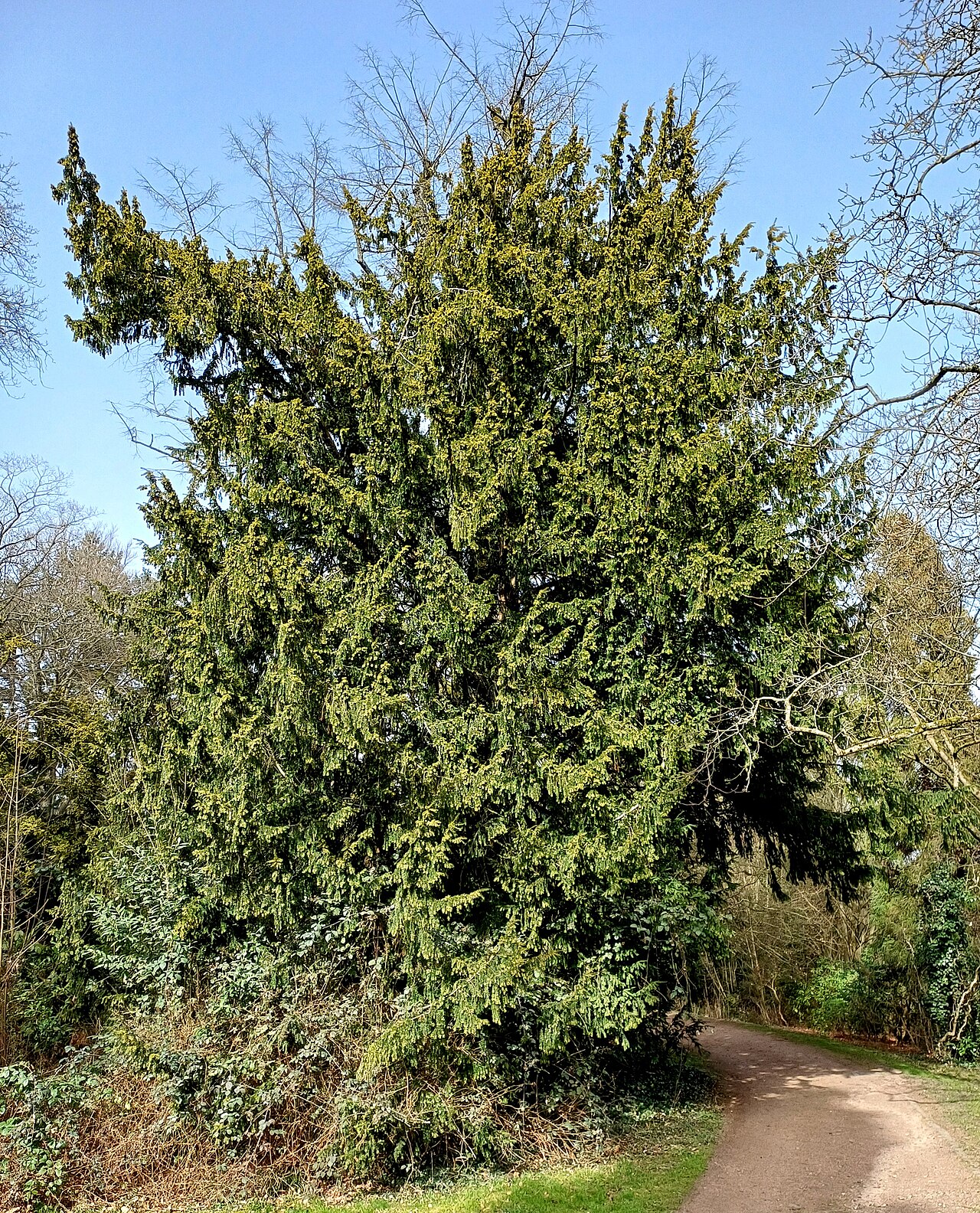
Yew is a genus of evergreen conifers known for their high toxicity due to the presence of taxine alkaloids. All parts of the plant, including needles and seeds, are considered dangerous if ingested.
Potentially toxic for cats & dogs.

Yucca is a genus of perennial shrubs and trees known for their architectural, sword-shaped leaves and tall spikes of white flowers. While popular as houseplants, they contain saponins that can cause irritation if ingested by pets.
Potentially toxic for cats & dogs.