Cats & Dogs
Potentially toxicConsulted references classify the plant as toxic or irritating for that pet type.
Verified against ASPCA/provenance audit 2026-05-06 on May 6, 2026.
Sources
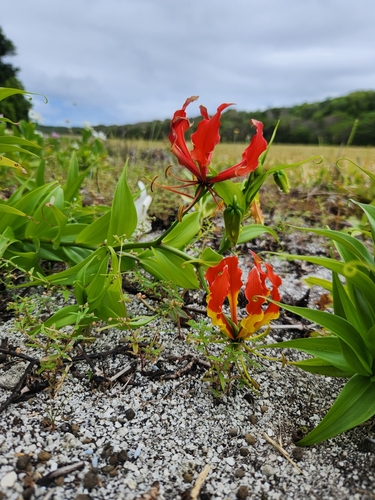
Gloriosa superba
Climbing Lily is a tuberous climbing plant known for its striking, flame-like flowers. It contains colchicine, a potent alkaloid that is highly toxic to both cats and dogs if ingested.
Safety status
Cats & Dogs
Potentially toxicConsulted references classify the plant as toxic or irritating for that pet type.
Verified against ASPCA/provenance audit 2026-05-06 on May 6, 2026.
Sources
If a pet has chewed or swallowed plant material and is showing symptoms, contact a veterinarian or poison resource immediately. This product is for structured reference, not diagnosis.
Cats — concern notes
Common signs
Drooling, vomiting, diarrhea, abdominal pain, and potential multi-organ failure.
Escalation note
This plant is considered highly toxic. Ingestion of any part, especially the tubers, is a medical emergency. Contact your veterinarian or an animal poison control center immediately if ingestion is suspected.
Dogs — concern notes
Common signs
Excessive salivation, vomiting, bloody diarrhea, lethargy, and potential systemic organ damage.
Escalation note
The plant contains colchicine, which can cause severe systemic poisoning. Immediate veterinary intervention is required if your dog has chewed or ingested any part of this plant.
Safer alternatives
No hand-picked alternatives for this plant yet. You can still pick your own using the Compare button on any other plant.
ASPCA Toxic Plant List
toxicology · 99% reliability
Gloriosa superba is listed as toxic to cats and dogs due to the presence of colchicine.
Kew Plants of the World Online
botanical · 95% reliability
Accepted scientific name and botanical distribution for Gloriosa superba.
Yes, Flame Lily is highly toxic to cats. It contains colchicine, a potent alkaloid, and ingestion of any part of the plant — especially the tubers — is considered a medical emergency that can lead to multi-organ failure.
Heavy drooling and bloody vomiting typically appear within about 2 hours of ingestion, followed by bloody diarrhea, weakness, and shock. Over the next 24–48 hours, kidney failure, liver failure, bone-marrow suppression, and dangerous clotting disorders can develop; a cat that stops urinating in that window has a poor prognosis.
Get to an emergency veterinarian immediately — do not wait for symptoms to appear. Do not try to induce vomiting at home; colchicine toxicity requires IV fluids, controlled decontamination, and close organ monitoring that can only be done in a clinic. Call ASPCA Animal Poison Control (888) 426-4435 or Pet Poison Helpline (855-764-7661) on your way.
Treatment is most effective when started within 3 hours of ingestion; multi-organ damage then progresses over 24–48 hours. There is no safe dose — ingestion of any part of the plant, including a small amount of tuber, warrants an immediate emergency visit.
Yes, Flame Lily is highly toxic to dogs. It contains colchicine, a potent alkaloid that causes severe systemic poisoning — ingestion of any part of the plant requires immediate veterinary attention.
Initial signs include excessive salivation, vomiting (often bloody), and profuse diarrhea, typically appearing within a few hours of ingestion. Over the following 24–48 hours, symptoms can progress to weakness, collapse, kidney and liver injury, seizures, and bleeding from impaired clotting. The early gut symptoms may briefly seem to improve before this dangerous multi-organ phase sets in.
Transport your dog to a veterinarian immediately — do not induce vomiting at home, as colchicine cases require controlled decontamination, aggressive IV fluids, and in-clinic monitoring of clotting and kidney function. Call ASPCA Animal Poison Control at (888) 426-4435 or head straight to an emergency vet. Treatment started before severe signs appear makes the difference between recovery and irreversible organ damage.
If left untreated, organ failure can be fatal within 24–36 hours of ingestion. The colchicine in Flame Lily causes a deceptive progression — the early vomiting and diarrhea can temporarily ease, masking that multi-organ damage is underway, so a dog that seems to stabilize is still in serious danger without veterinary care.
Same safety verdict
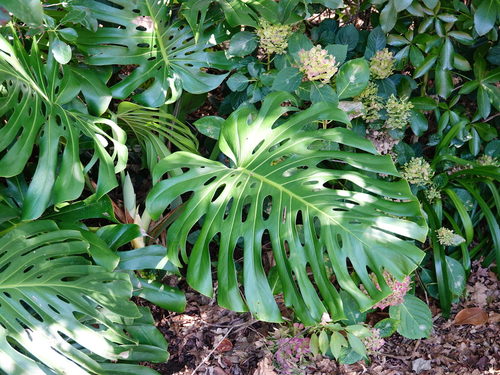
Monstera deliciosa is a popular tropical houseplant known for its large, fenestrated leaves and vining growth habit. It contains insoluble calcium oxalate crystals that can cause irritation if ingested by pets.
Potentially toxic for cats & dogs.
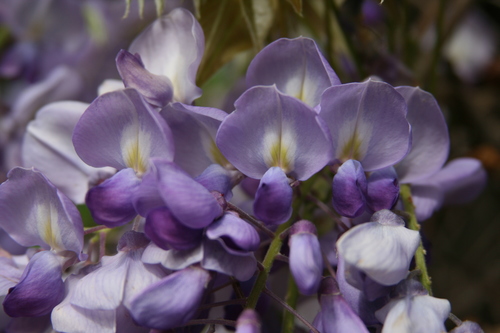
Wisteria is a genus of woody, climbing vines known for their cascading, fragrant flower clusters. All parts of the plant, particularly the seeds and pods, contain toxic compounds that can cause gastrointestinal distress if ingested.
Potentially toxic for cats & dogs.
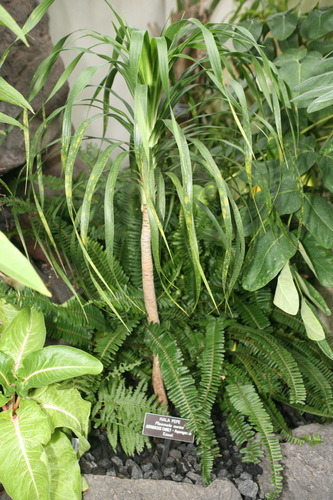
Dracaena trifasciata is a popular, hardy houseplant known for its stiff, sword-like leaves with striking yellow margins. It is widely appreciated for its air-purifying qualities and ability to thrive in various indoor conditions.
Potentially toxic for cats & dogs.
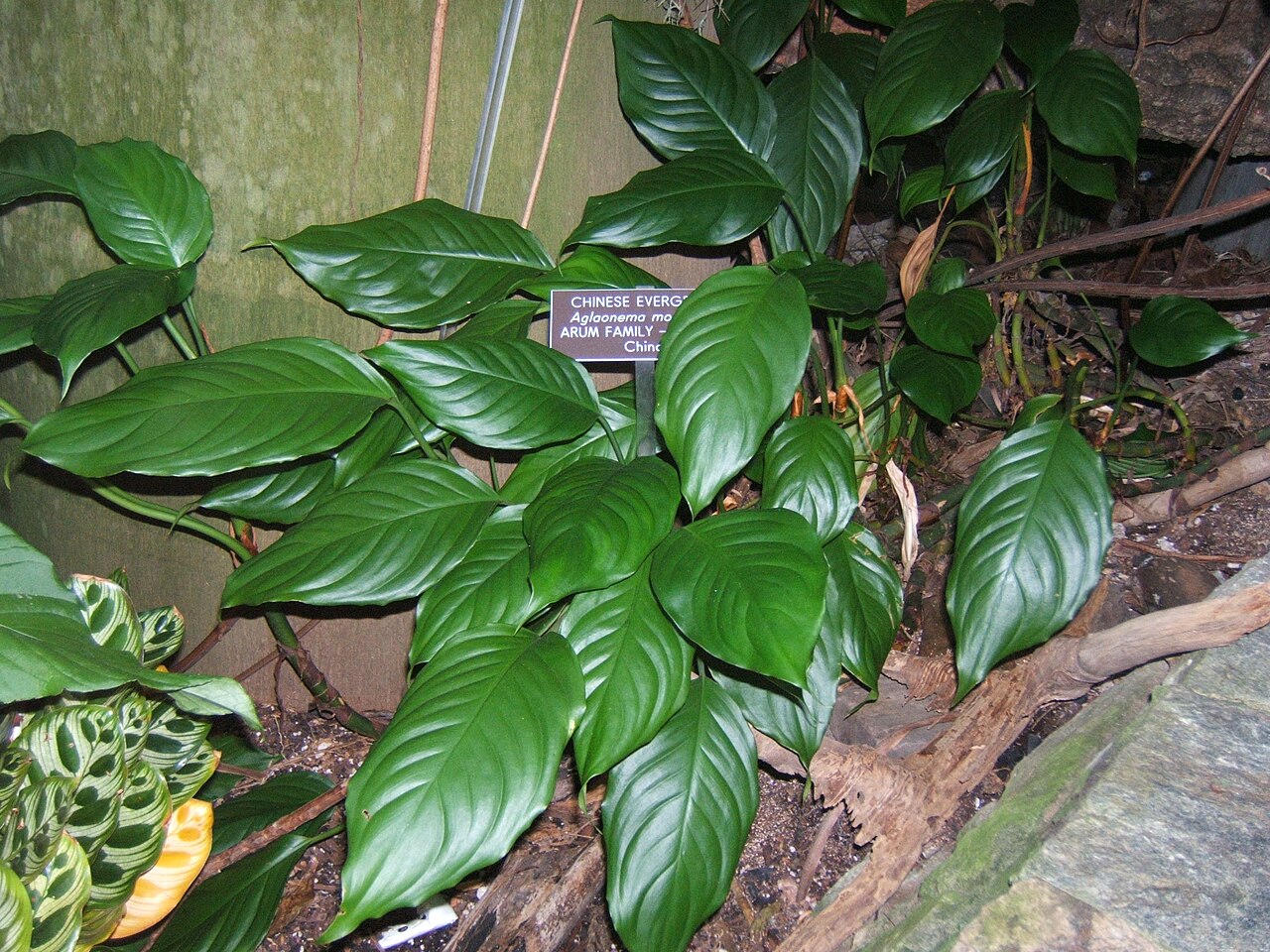
Chinese Evergreen is a popular indoor foliage plant known for its patterned leaves and tolerance of low light conditions. It contains insoluble calcium oxalate crystals that can cause irritation if ingested or chewed.
Potentially toxic for cats & dogs.
Same growing conditions
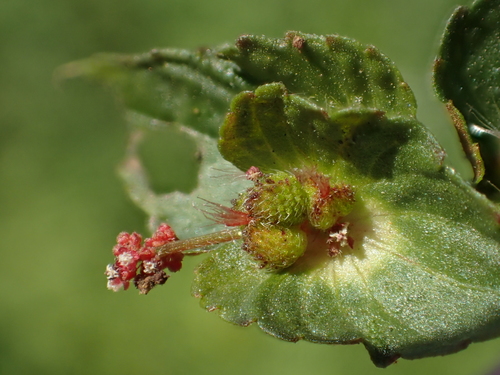
Copperleaf is a tropical shrub known for its vibrant, variegated foliage. It contains compounds that can cause irritation if ingested by household pets.
Potentially toxic for cats & dogs.
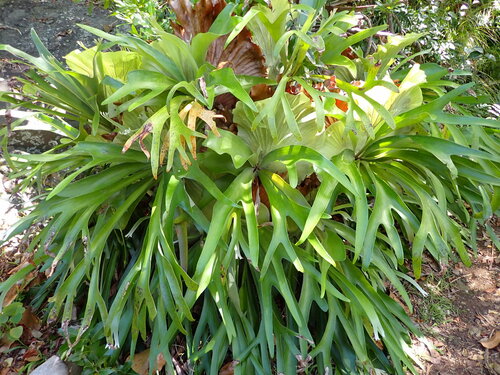
Staghorn Fern is a unique epiphytic fern known for its antler-shaped fronds. It is considered non-toxic to pets, though ingestion of large amounts of fibrous material may cause minor digestive discomfort.
Generally safe for cats & dogs.
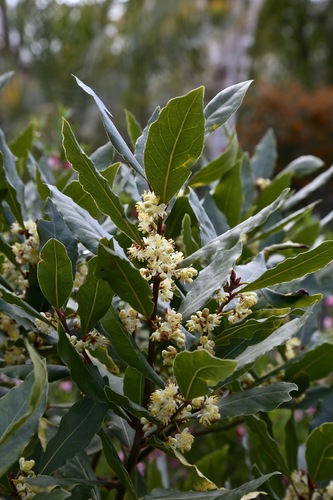
Bay Laurel is a popular culinary herb often grown as an ornamental shrub or tree. While prized for its aromatic leaves, it contains essential oils that can cause digestive distress if ingested by pets.
Potentially toxic for cats & dogs.
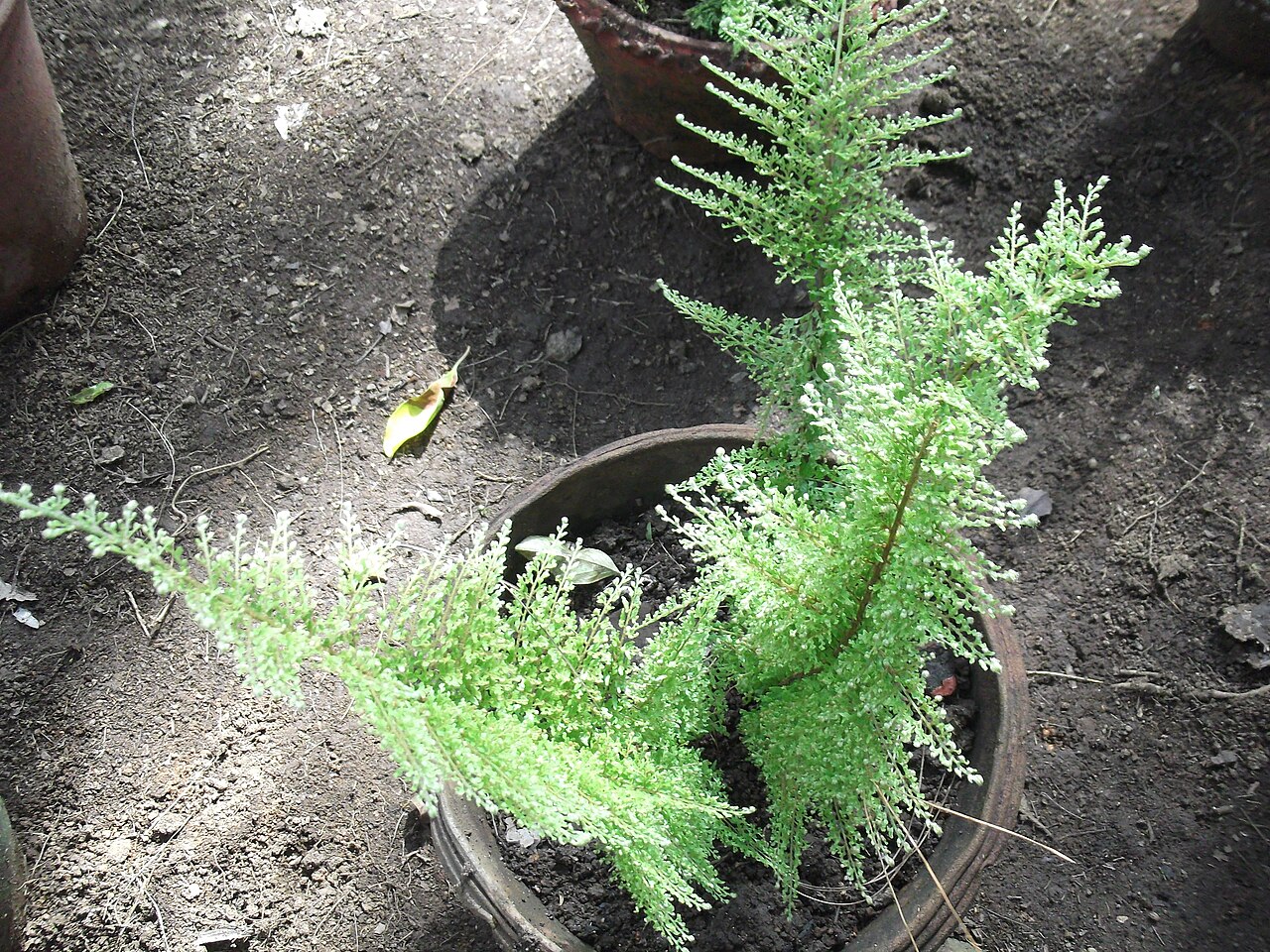
The Boston Fern is a popular, lush houseplant known for its arching fronds and preference for high humidity. It is widely considered safe for pets, though ingestion of any plant material can occasionally cause minor digestive upset.
Uncertain for cats.
Generally safe for dogs.