Cats & Dogs
Potentially toxicConsulted references classify the plant as toxic or irritating for that pet type.
Verified against ASPCA/provenance audit 2026-05-06 on May 6, 2026.
Sources
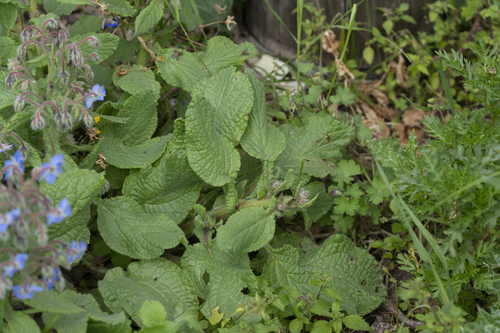
Borago officinalis
Borage is a flowering herb known for its star-shaped blue flowers and hairy foliage. While often used in culinary applications for humans, it contains pyrrolizidine alkaloids that can be harmful to pets if ingested.
Safety status
Cats & Dogs
Potentially toxicConsulted references classify the plant as toxic or irritating for that pet type.
Verified against ASPCA/provenance audit 2026-05-06 on May 6, 2026.
Sources
If a pet has chewed or swallowed plant material and is showing symptoms, contact a veterinarian or poison resource immediately. This product is for structured reference, not diagnosis.
Cats — concern notes
Common signs
Gastrointestinal upset including vomiting, diarrhea, and potential liver irritation due to alkaloid content.
Escalation note
Ingestion can lead to discomfort; please contact your veterinarian if you suspect your cat has consumed any part of this plant.
Dogs — concern notes
Common signs
Drooling, vomiting, diarrhea, and potential lethargy or signs of abdominal pain.
Escalation note
While symptoms are often mild, the presence of pyrrolizidine alkaloids warrants caution; consult a veterinarian for professional guidance.
Safer alternatives
No hand-picked alternatives for this plant yet. You can still pick your own using the Compare button on any other plant.
ASPCA Toxic Plant List
toxicology · 99% reliability
Borage is listed as toxic to both cats and dogs by the ASPCA.
NC State Extension Plant Toolbox
botanical · 94% reliability
Borago officinalis is an annual herb in the Boraginaceae family, noted for its culinary and medicinal history.
Yes, borage (Borago officinalis) is considered potentially toxic to cats. It contains pyrrolizidine alkaloids that can cause gastrointestinal upset and potential liver irritation if ingested.
The most common early signs are drooling and vomiting; diarrhea may follow. If your cat brushed against the bristly leaves, watch for localized dermatitis on the muzzle or paws. Reduced appetite, lethargy, or yellowing of the gums lasting more than a day may indicate liver involvement and require prompt veterinary attention.
Wipe your cat's mouth and any plant residue from her fur with a damp cloth, and rinse any skin-contact areas with lukewarm water. Do not try to induce vomiting at home. Bag a leaf sample, then call ASPCA Animal Poison Control at (888) 426-4435 for guidance on whether your cat needs to be seen.
Onset and duration are not well documented for cats specifically — veterinary references note that information on borage poisoning in cats is limited, including how fast signs appear and how much plant material matters. Treat any GI signs that persist past a few hours as worth a call to your vet; don't wait for severe symptoms, as cats are good at hiding illness.
Yes, borage (Borago officinalis) is potentially toxic to dogs. It contains pyrrolizidine alkaloids that can cause GI irritation, and the bristly leaves can also cause skin and mouth irritation on contact.
The main signs are drooling, vomiting, and diarrhea. Some dogs develop dermatitis on the muzzle, lips, or paws from contact with the hairy leaves. With larger ingestions, watch for lethargy, loss of appetite, and signs of dehydration such as sticky gums — these can indicate the alkaloids are irritating the liver.
Rinse your dog's mouth and any skin contact areas with lukewarm water to remove plant residue. Do not induce vomiting at home — veterinary guidance advises against it for borage because it can worsen irritation. Save a sample of the plant, then call your vet or the ASPCA Animal Poison Control Center at (888) 426-4435.
With moderate consumption and prompt treatment, most dogs recover completely within 24–48 hours. Call your vet immediately if vomiting or diarrhea continues past a couple of episodes, your dog seems weak or refuses food, or you suspect more than a mouthful was eaten — don't wait for symptoms to escalate before seeking care.
Same safety verdict
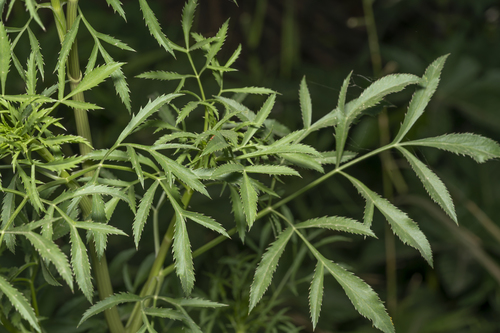
Bishop's Weed is an annual herb often grown for its delicate, lace-like white flower clusters. It contains furanocoumarins which can cause skin irritation and systemic issues if ingested.
Potentially toxic for cats & dogs.
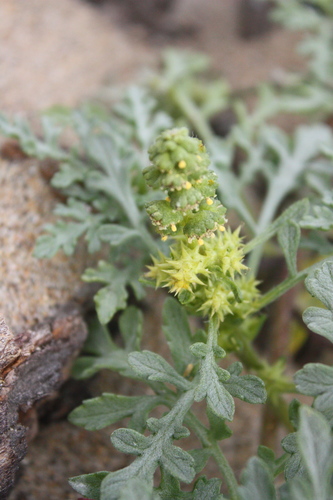
Feather Geranium is an herbaceous plant known for its aromatic, fern-like foliage. It is considered toxic to pets if ingested and should be kept out of reach of cats and dogs.
Potentially toxic for cats & dogs.

Monstera deliciosa is a popular tropical houseplant known for its large, fenestrated leaves and vining growth habit. It contains insoluble calcium oxalate crystals that can cause irritation if ingested by pets.
Potentially toxic for cats & dogs.

Dracaena trifasciata is a popular, hardy houseplant known for its stiff, sword-like leaves with striking yellow margins. It is widely appreciated for its air-purifying qualities and ability to thrive in various indoor conditions.
Potentially toxic for cats & dogs.
Same growing conditions
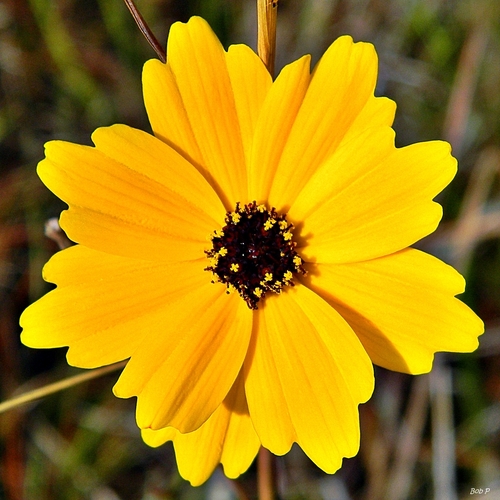
Coreopsis is a popular genus of flowering plants in the aster family, widely grown for their cheerful, daisy-like blooms. They are generally considered safe for household pets, though ingestion of large amounts of plant material may cause minor digestive discomfort.
Generally safe for cats & dogs.
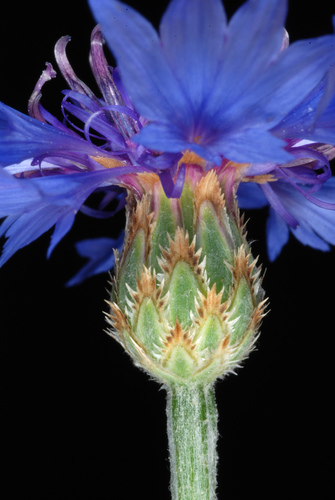
Bachelor's Button is a popular annual flowering plant known for its vibrant blue blooms and ease of cultivation. It is considered non-toxic to pets, though ingestion of large amounts of fibrous plant material may cause minor digestive discomfort.
Generally safe for cats & dogs.
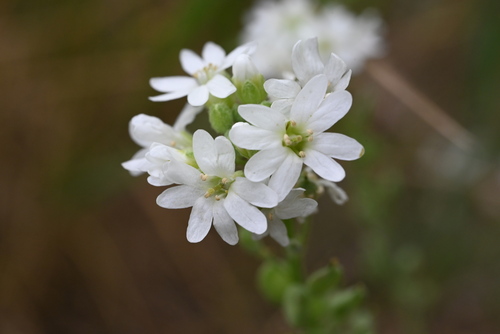
Hoary Alyssum is a hardy, herbaceous plant often found in fields and roadsides, known for its small white flowers. It is generally considered safe for pets, though ingestion of large amounts of fibrous material may cause minor digestive discomfort.
Uncertain for cats & dogs.
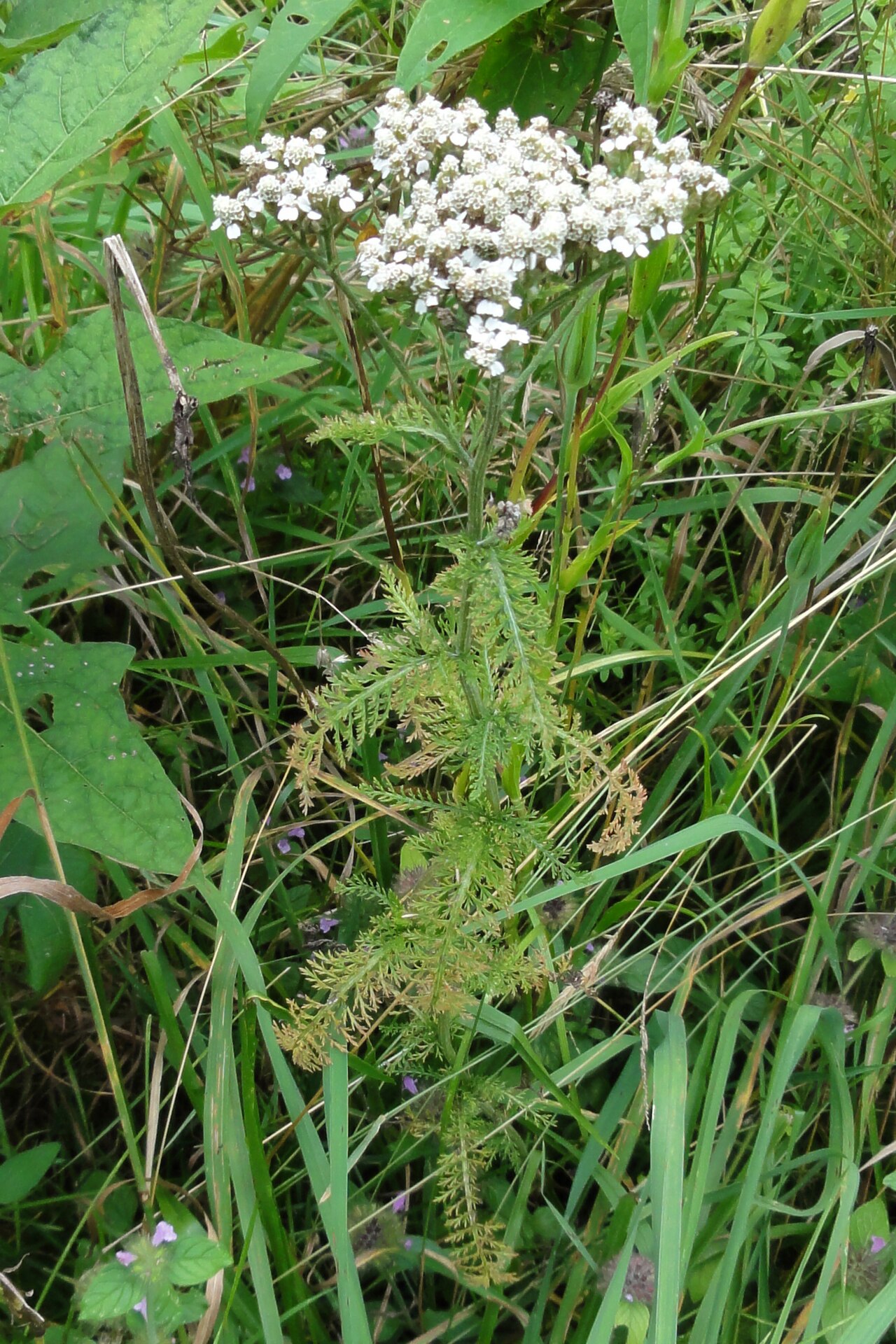
Achillea millefolium is a hardy perennial herb known for its feathery, fern-like foliage and clusters of small, daisy-like flowers. While popular in gardens, it contains compounds that can cause adverse reactions if ingested by pets.
Potentially toxic for cats & dogs.