Cats & Dogs
Potentially toxicConsulted references classify the plant as toxic or irritating for that pet type.
Verified against ASPCA/provenance audit 2026-05-06 on May 6, 2026.
Sources
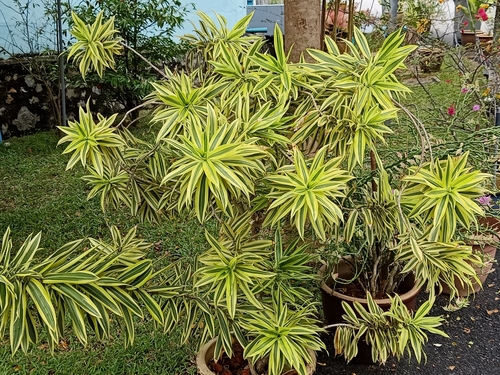
Dracaena reflexa
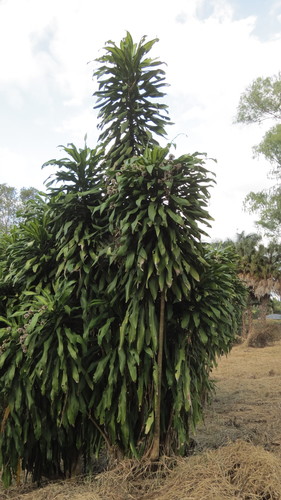
Dracaena reflexa is a popular ornamental houseplant known for its spiraling, lance-shaped leaves and woody stems. It contains saponins which can cause gastrointestinal and neurological distress if ingested by pets.
Safety status
Cats & Dogs
Potentially toxicConsulted references classify the plant as toxic or irritating for that pet type.
Verified against ASPCA/provenance audit 2026-05-06 on May 6, 2026.
Sources
If a pet has chewed or swallowed plant material and is showing symptoms, contact a veterinarian or poison resource immediately. This product is for structured reference, not diagnosis.
Cats — concern notes
Common signs
Vomiting (sometimes with blood), depression, anorexia, hypersalivation, and dilated pupils.
Escalation note
Ingestion can lead to significant discomfort and systemic distress; please contact your veterinarian or an animal poison control center immediately if ingestion is suspected.
Dogs — concern notes
Common signs
Vomiting, loss of appetite, lethargy, and excessive drooling.
Escalation note
While rarely fatal, the saponins can cause persistent gastrointestinal upset; consult a veterinarian to manage symptoms and ensure proper hydration.
Safer alternatives
No hand-picked alternatives for this plant yet. You can still pick your own using the Compare button on any other plant.
ASPCA Toxic Plant List
toxicology · 99% reliability
Dracaena species contain saponins which can cause vomiting, depression, anorexia, hypersalivation, and dilated pupils in cats and dogs.
Kew Plants of the World Online
botanical · 95% reliability
Accepted botanical record for Dracaena reflexa Lam.
Yes, Song of India (Dracaena reflexa) is toxic to cats. It contains saponins that can cause vomiting (sometimes with blood), depression, loss of appetite, hypersalivation, and dilated pupils if ingested.
Watch for vomiting (occasionally with blood), drooling, loss of appetite, depression, and dilated pupils. Some cats may also show weakness or an unsteady walk. Signs typically begin within the first few hours after ingestion.
Call your vet or ASPCA Animal Poison Control (888-426-4435) right away if you notice blood in the vomit, dilated pupils, or repeated vomiting. For a single mild vomit with otherwise normal behavior, monitor closely for 2–4 hours and call if symptoms progress. Most cats recover within 24 hours with veterinary support.
Song of India contains saponins, naturally occurring compounds found throughout the plant that disrupt cell membranes and irritate the gastrointestinal and nervous systems, producing both GI symptoms (vomiting, drooling, anorexia) and neurological signs (dilated pupils, depression) in cats.
Yes, Song of India (Dracaena reflexa) is toxic to dogs. It contains saponins that can cause gastrointestinal and neurological distress if ingested.
The most common symptoms are vomiting (sometimes with a small amount of blood), drooling, loss of appetite, and lethargy. Some dogs may also show weakness or mild diarrhea.
Call your vet or the ASPCA Animal Poison Control Center at (888) 426-4435 right away. Call immediately if you see blood in the vomit, repeated vomiting that prevents your dog from keeping water down, or significant weakness. Most dogs recover within 24 hours with supportive care and hydration.
The saponins found throughout the plant — leaves and stems — are responsible for the toxic effects. Ingestion is rarely fatal, but saponins can cause persistent gastrointestinal upset; a vet visit is recommended to manage symptoms and ensure your dog stays properly hydrated.
Often compared with
Commonly confused with
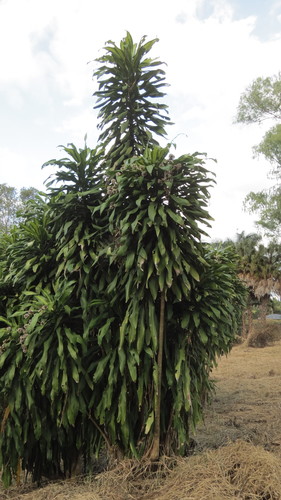
The Corn Plant is a popular indoor shrub known for its long, arching, sword-like leaves that resemble corn stalks. While aesthetically pleasing, it contains saponins that can cause adverse reactions if ingested by pets.
Potentially toxic for cats & dogs.
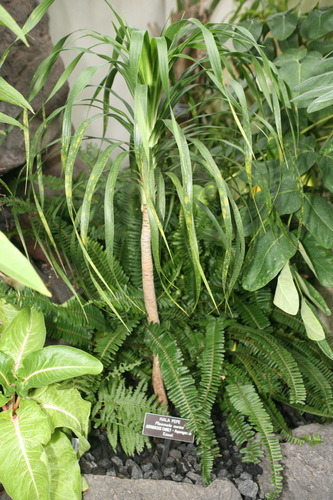
Dracaena trifasciata is a popular, hardy houseplant known for its stiff, sword-like leaves with striking yellow margins. It is widely appreciated for its air-purifying qualities and ability to thrive in various indoor conditions.
Potentially toxic for cats & dogs.
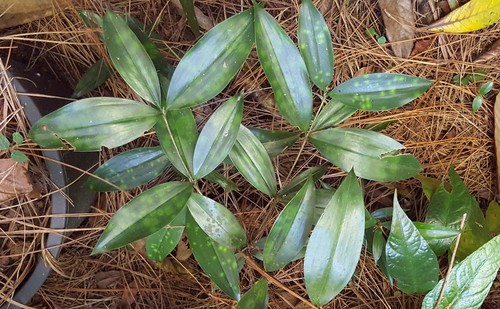
Dracaena surculosa is a popular ornamental houseplant known for its spotted, leathery foliage. It contains saponins which can cause gastrointestinal distress if ingested by pets.
Potentially toxic for cats & dogs.
Same genus
Same safety verdict
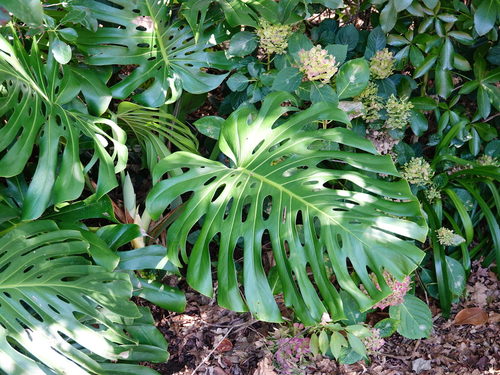
Monstera deliciosa is a popular tropical houseplant known for its large, fenestrated leaves and vining growth habit. It contains insoluble calcium oxalate crystals that can cause irritation if ingested by pets.
Potentially toxic for cats & dogs.
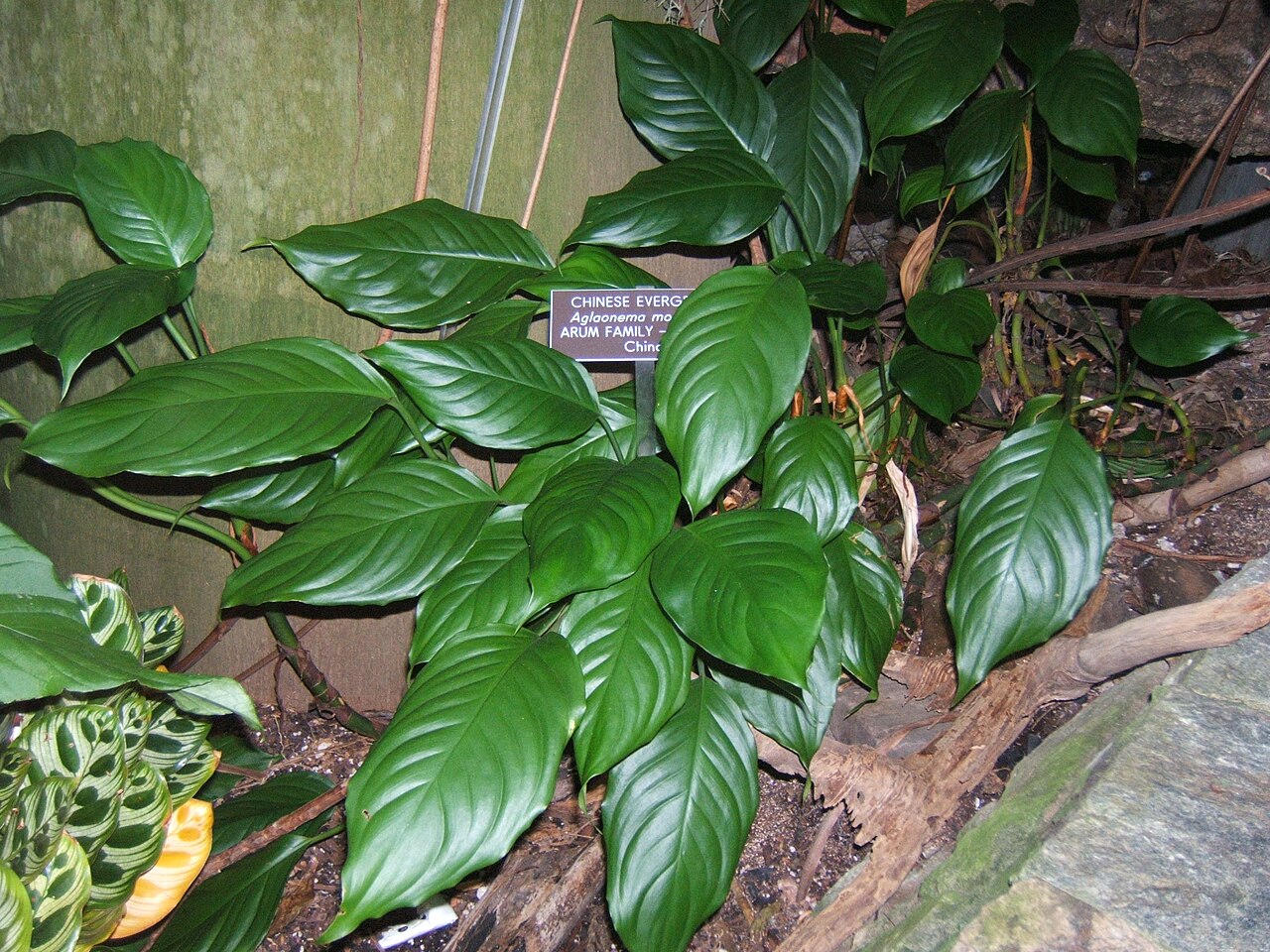
Chinese Evergreen is a popular indoor foliage plant known for its patterned leaves and tolerance of low light conditions. It contains insoluble calcium oxalate crystals that can cause irritation if ingested or chewed.
Potentially toxic for cats & dogs.
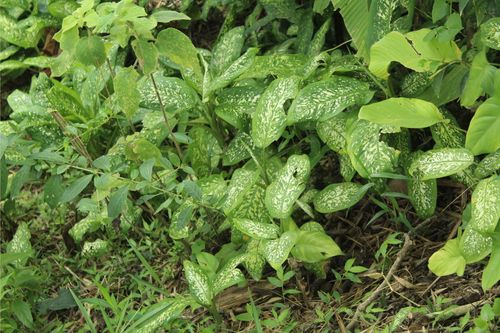
Dieffenbachia is a popular tropical houseplant known for its large, variegated leaves. It contains insoluble calcium oxalate crystals that can cause irritation if ingested or chewed.
Potentially toxic for cats & dogs.
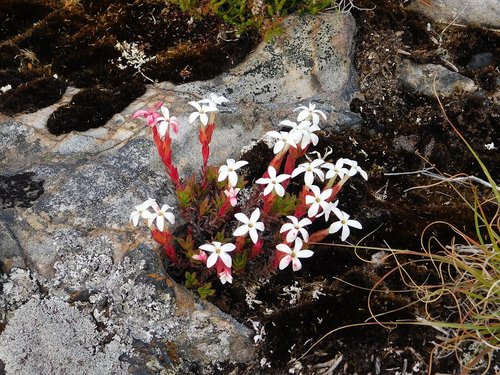
The Jade Plant is a popular succulent known for its thick, woody stems and fleshy, oval-shaped leaves. While aesthetically pleasing, it contains compounds that can cause gastrointestinal distress if ingested by pets.
Potentially toxic for cats & dogs.
Same growing conditions
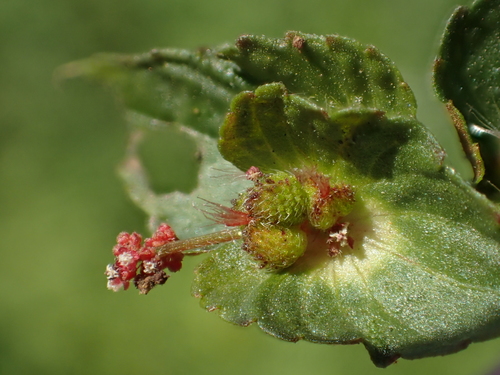
Copperleaf is a tropical shrub known for its vibrant, variegated foliage. It contains compounds that can cause irritation if ingested by household pets.
Potentially toxic for cats & dogs.
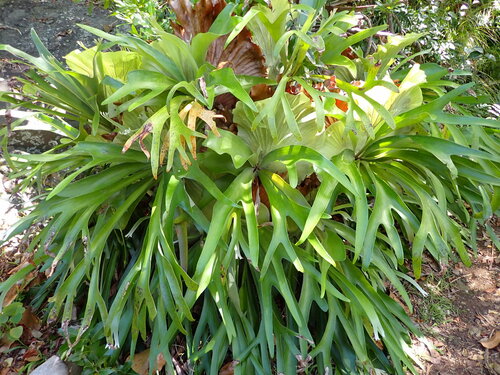
Staghorn Fern is a unique epiphytic fern known for its antler-shaped fronds. It is considered non-toxic to pets, though ingestion of large amounts of fibrous material may cause minor digestive discomfort.
Generally safe for cats & dogs.
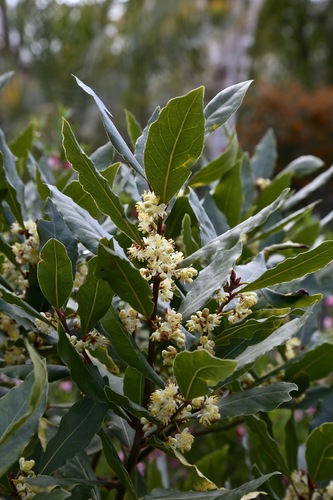
Bay Laurel is a popular culinary herb often grown as an ornamental shrub or tree. While prized for its aromatic leaves, it contains essential oils that can cause digestive distress if ingested by pets.
Potentially toxic for cats & dogs.
The Boston Fern is a popular, lush houseplant known for its arching fronds and preference for high humidity. It is widely considered safe for pets, though ingestion of any plant material can occasionally cause minor digestive upset.
Uncertain for cats.
Generally safe for dogs.