Cats & Dogs
Potentially toxicConsulted references classify the plant as toxic or irritating for that pet type.
Verified against ASPCA/provenance audit 2026-05-06 on May 6, 2026.
Sources
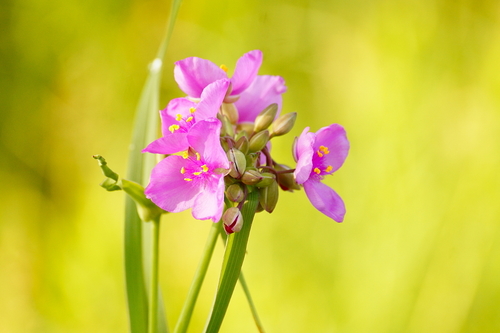
Tradescantia multiflora
Tahitian Bridal Veil is a delicate, trailing plant known for its small white flowers and deep green foliage with purple undersides. It is a member of the Commelinaceae family and is commonly grown in hanging baskets.
Safety status
Cats & Dogs
Potentially toxicConsulted references classify the plant as toxic or irritating for that pet type.
Verified against ASPCA/provenance audit 2026-05-06 on May 6, 2026.
Sources
If a pet has chewed or swallowed plant material and is showing symptoms, contact a veterinarian or poison resource immediately. This product is for structured reference, not diagnosis.
Cats — concern notes
Common signs
Dermatitis, skin irritation, redness, and potential gastrointestinal upset if ingested.
Escalation note
Contact with the sap can cause skin irritation. If your cat ingests any part of the plant, please contact your veterinarian for guidance.
Dogs — concern notes
Common signs
Skin irritation, redness, itching, and potential digestive distress upon ingestion.
Escalation note
The plant contains sap that may cause contact dermatitis in sensitive pets. Always consult a veterinarian if you suspect your dog has ingested or had significant contact with this plant.
Safer alternatives
No hand-picked alternatives for this plant yet. You can still pick your own using the Compare button on any other plant.
ASPCA Toxic Plant List
toxicology · 99% reliability
Tahitian Bridal Veil is listed as toxic to both cats and dogs due to potential skin irritation and gastrointestinal upset.
Kew Plants of the World Online
botanical · 95% reliability
Accepted botanical nomenclature for Tradescantia multiflora, formerly known as Gibasis geniculata.
Yes, Tahitian Bridal Veil (Tradescantia multiflora) is considered potentially toxic to cats. Contact with the plant's sap can cause skin irritation, redness, and dermatitis, and ingesting it can cause mild gastrointestinal upset. The ASPCA characterizes the overall picture as mild rather than systemic.
Skin contact with the sap can cause redness, itchiness, or hair loss on areas like the chin, belly, or paws within minutes to hours. If a cat chews or ingests the plant, expect drooling, pawing at the mouth, mild vomiting, or brief diarrhea — typically appearing within 1–6 hours and resolving within 24 hours.
Move the plant out of your cat's reach immediately. For skin exposure, gently rinse the affected area with water. Call the ASPCA Animal Poison Control Center at (888) 426-4435 if symptoms worsen. Seek veterinary care if dermatitis spreads, persists beyond 24–48 hours, or involves the eyes, or if your cat is repeatedly vomiting or refusing food.
Skin irritation from sap contact can appear within minutes to hours of exposure. GI symptoms from ingestion typically show up within 1–6 hours. Most mild cases resolve on their own once the plant is removed from the cat's environment, though the specific onset and duration numbers are not precisely documented by the cited source (ASPCA provenance audit, 2026-05-06).
Yes, Tahitian Bridal Veil (Tradescantia multiflora) is considered potentially toxic to dogs. The plant's sap can cause contact dermatitis — skin irritation, redness, and itching — and chewing the leaves may lead to mild digestive upset including vomiting or loose stool.
Skin contact with the sap can cause redness, itching, and irritation on the muzzle, paws, or belly within minutes to hours. If a dog chews the leaves, GI upset such as drooling, vomiting, or loose stool can appear within 1–6 hours and typically clears within 24 hours. Watch for persistent scratching at one spot as a sign sap reached the skin.
Remove your dog from the plant, then gently wash any affected skin with mild soap and water to remove sap residue. Monitor for spreading rash, eye redness or swelling, or GI symptoms lasting more than 24 hours. If symptoms worsen or persist, call your vet or the ASPCA Animal Poison Control Center at (888) 426-4435.
The two reactions come from different types of exposure: skin contact with the sap triggers contact dermatitis (redness, itching) within minutes to hours, while stomach upset results from actually chewing or swallowing the leaves and typically appears within 1–6 hours. A dog that only brushed against the plant may show only skin irritation; one that chewed it may show both.
Often compared with
Same safety verdict
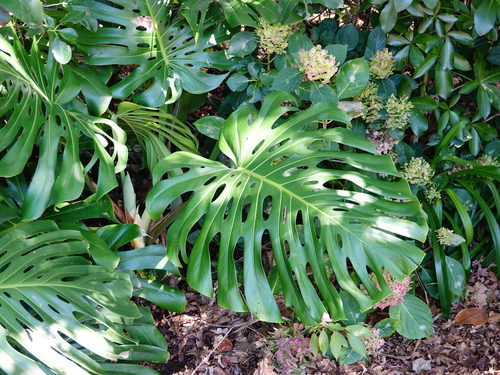
Monstera deliciosa is a popular tropical houseplant known for its large, fenestrated leaves and vining growth habit. It contains insoluble calcium oxalate crystals that can cause irritation if ingested by pets.
Potentially toxic for cats & dogs.
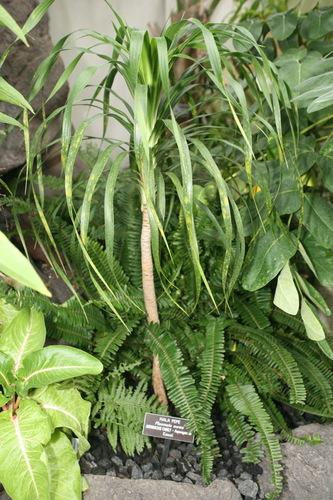
Dracaena trifasciata is a popular, hardy houseplant known for its stiff, sword-like leaves with striking yellow margins. It is widely appreciated for its air-purifying qualities and ability to thrive in various indoor conditions.
Potentially toxic for cats & dogs.
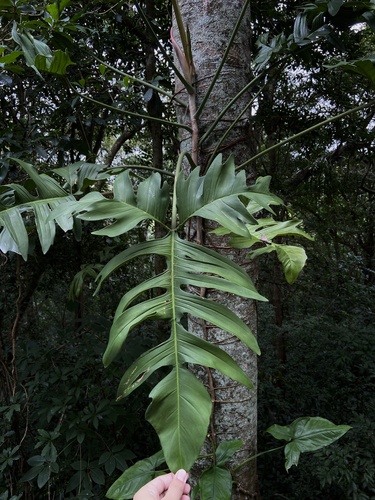
Philodendrons are popular tropical foliage plants known for their lush, heart-shaped or split leaves. They contain insoluble calcium oxalate crystals that can cause irritation if ingested.
Potentially toxic for cats & dogs.
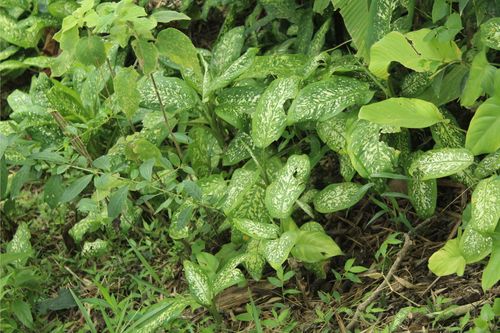
Dieffenbachia is a popular tropical houseplant known for its large, variegated leaves. It contains insoluble calcium oxalate crystals that can cause irritation if ingested or chewed.
Potentially toxic for cats & dogs.
Same growing conditions
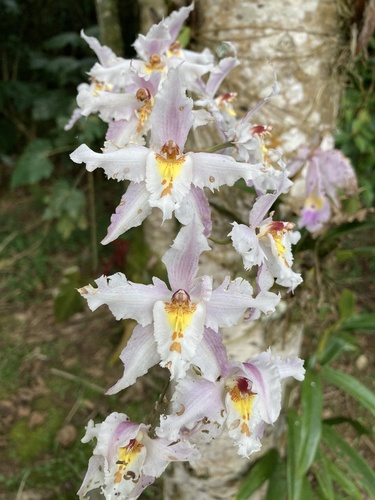
The Lace Orchid is a popular, elegant flowering plant known for its ruffled, star-shaped blooms. It is considered non-toxic to household pets, though its fibrous nature may cause minor digestive discomfort if consumed in large quantities.
Generally safe for cats.
Not yet rated for dogs.
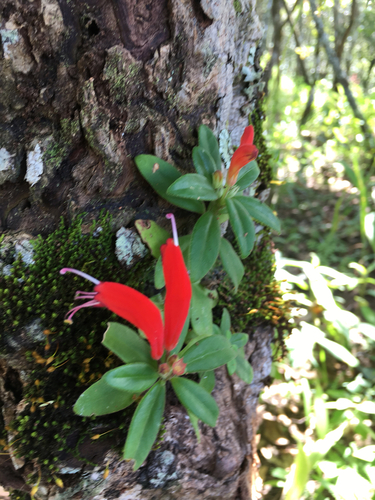
The Lipstick Plant is a popular trailing houseplant known for its tubular, bright red flowers that resemble lipstick tubes. It is considered non-toxic to pets, making it a safe choice for households with cats and dogs.
Generally safe for cats & dogs.
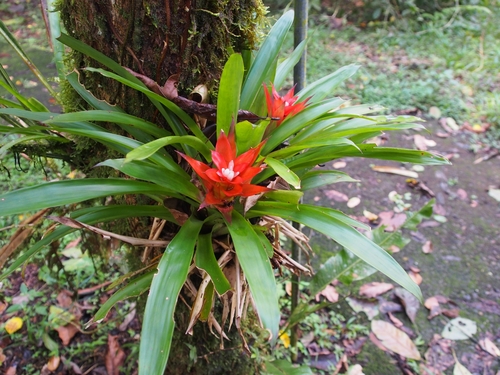
Orange Star is a popular, vibrant bromeliad known for its long-lasting, star-shaped inflorescence. It is considered non-toxic to pets, though ingestion of plant material can occasionally cause minor digestive discomfort.
Generally safe for cats & dogs.
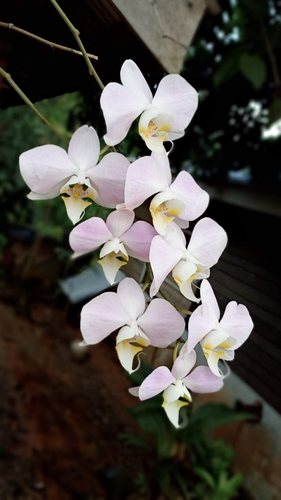
Phalaenopsis orchids, commonly known as moth orchids, are popular indoor flowering plants prized for their long-lasting, elegant blooms. They are considered non-toxic to pets, though their fibrous nature may cause minor digestive upset if consumed in large quantities.
Generally safe for cats & dogs.