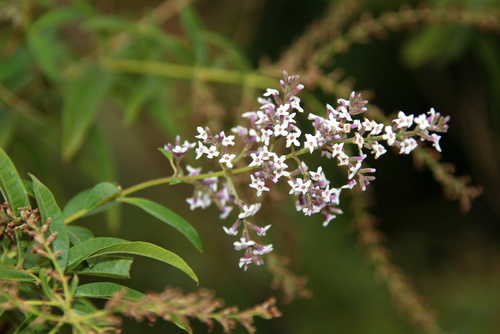
Cats & Dogs
Potentially toxicConsulted references classify the plant as toxic or irritating for that pet type.
Verified against ASPCA/provenance audit 2026-05-06 on May 6, 2026.
Sources

Cymbopogon citratus
Lemon grass is a tropical perennial grass widely used for culinary and medicinal purposes, known for its distinct citrus scent. It contains essential oils that can cause irritation if ingested by pets.
Safety status
Cats & Dogs
Potentially toxicConsulted references classify the plant as toxic or irritating for that pet type.
Verified against ASPCA/provenance audit 2026-05-06 on May 6, 2026.
Sources
If a pet has chewed or swallowed plant material and is showing symptoms, contact a veterinarian or poison resource immediately. This product is for structured reference, not diagnosis.
Cats — concern notes
Common signs
Gastrointestinal upset, vomiting, and potential irritation of the mouth or throat.
Escalation note
Ingestion can cause physical irritation due to the sharp, fibrous nature of the leaves and chemical irritation from essential oils. Please contact your veterinarian if your cat has ingested this plant.
Dogs — concern notes
Common signs
Vomiting, diarrhea, and signs of gastrointestinal distress.
Escalation note
The fibrous leaves can be difficult to digest and may cause mechanical irritation, while the oils may cause stomach upset. Always consult a veterinarian if you suspect your dog has consumed a significant amount.
Safer alternatives
No hand-picked alternatives for this plant yet. You can still pick your own using the Compare button on any other plant.
ASPCA Toxic Plant List
toxicology · 99% reliability
Lemon grass contains essential oils and chemical components that can cause gastrointestinal upset in cats and dogs.
NC State Extension Plant Toolbox
botanical · 94% reliability
Cymbopogon citratus is a tender perennial grass often grown as an annual in cooler climates.
Yes, lemon grass (Cymbopogon citratus) is considered potentially toxic to cats. The fibrous leaves can physically irritate the mouth and GI tract, and the plant's essential oils can cause chemical irritation if ingested or absorbed through the skin.
The most common signs are gastrointestinal upset — vomiting, diarrhea, and loss of appetite — which typically appear within a few hours of chewing the plant and resolve within 24 hours with supportive care. If your cat was exposed to concentrated lemongrass essential oil rather than the raw plant, you may also see drooling, lethargy, and respiratory or skin irritation, which can take 3–7 days to fully resolve. Large amounts of the fibrous leaves can cause GI obstruction.
Move your cat away from the plant and gently wipe any plant material from her mouth. If essential oil got on her fur or skin, wash the area with a mild dish soap to stop further absorption through grooming. Do not induce vomiting unless directed by a vet. Call your veterinarian or ASPCA Poison Control (888-426-4435) if she vomits more than once or twice, refuses food for more than a day, or shows lethargy, breathing changes, or signs of obstruction.
Yes — concentrated lemongrass essential oil poses a greater risk than the raw plant. Essential oils are rapidly absorbed through the skin and mucous membranes, and exposure can cause drooling, lethargy, anorexia, and respiratory or skin irritation that may persist for 3–7 days. If your cat walked through spilled oil or you applied a lemongrass product to her coat, wash it off immediately with mild dish soap and contact ASPCA Poison Control (888-426-4435).
Yes, lemon grass (Cymbopogon citratus) is considered potentially toxic to dogs. The fibrous leaves can cause mechanical irritation in the digestive tract, and the essential oils can cause stomach upset, making it a plant to keep away from dogs.
The most common signs are vomiting and diarrhea, typically appearing within a few hours of ingestion and usually resolving within 24 hours with supportive care. Exposure to concentrated essential oils can additionally cause drooling, lethargy, loss of appetite, and respiratory or skin irritation, which may take 3–7 days to fully resolve.
Remove the plant and rinse your dog's mouth with water to clear any residue. If essential oil got on the coat, wash it off with a mild dish soap to limit absorption. Do not induce vomiting unless directed by a veterinarian or poison control — call ASPCA Poison Control at (888) 426-4435 if your dog ingested lemongrass essential oil or ate a large quantity of leaves.
Yes, the tough fibrous leaves are difficult to digest and can potentially cause a mechanical obstruction. Watch for signs of an intestinal blockage — straining to defecate, abdominal pain, or repeated unproductive vomiting — and call your vet immediately if any of these appear.
Same safety verdict
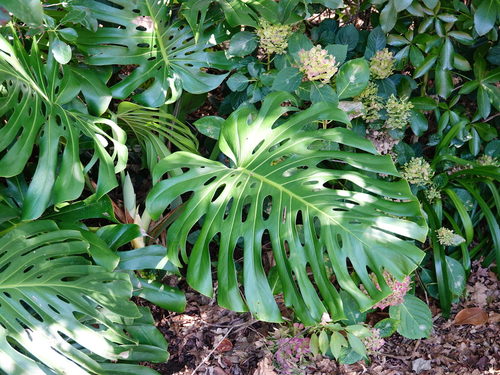
Monstera deliciosa is a popular tropical houseplant known for its large, fenestrated leaves and vining growth habit. It contains insoluble calcium oxalate crystals that can cause irritation if ingested by pets.
Potentially toxic for cats & dogs.
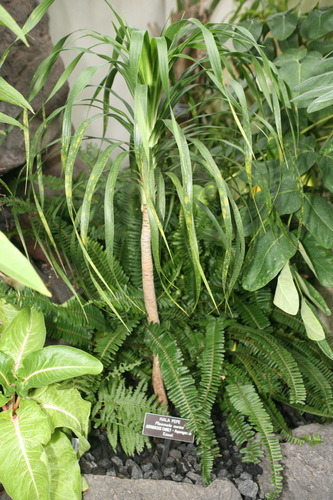
Dracaena trifasciata is a popular, hardy houseplant known for its stiff, sword-like leaves with striking yellow margins. It is widely appreciated for its air-purifying qualities and ability to thrive in various indoor conditions.
Potentially toxic for cats & dogs.
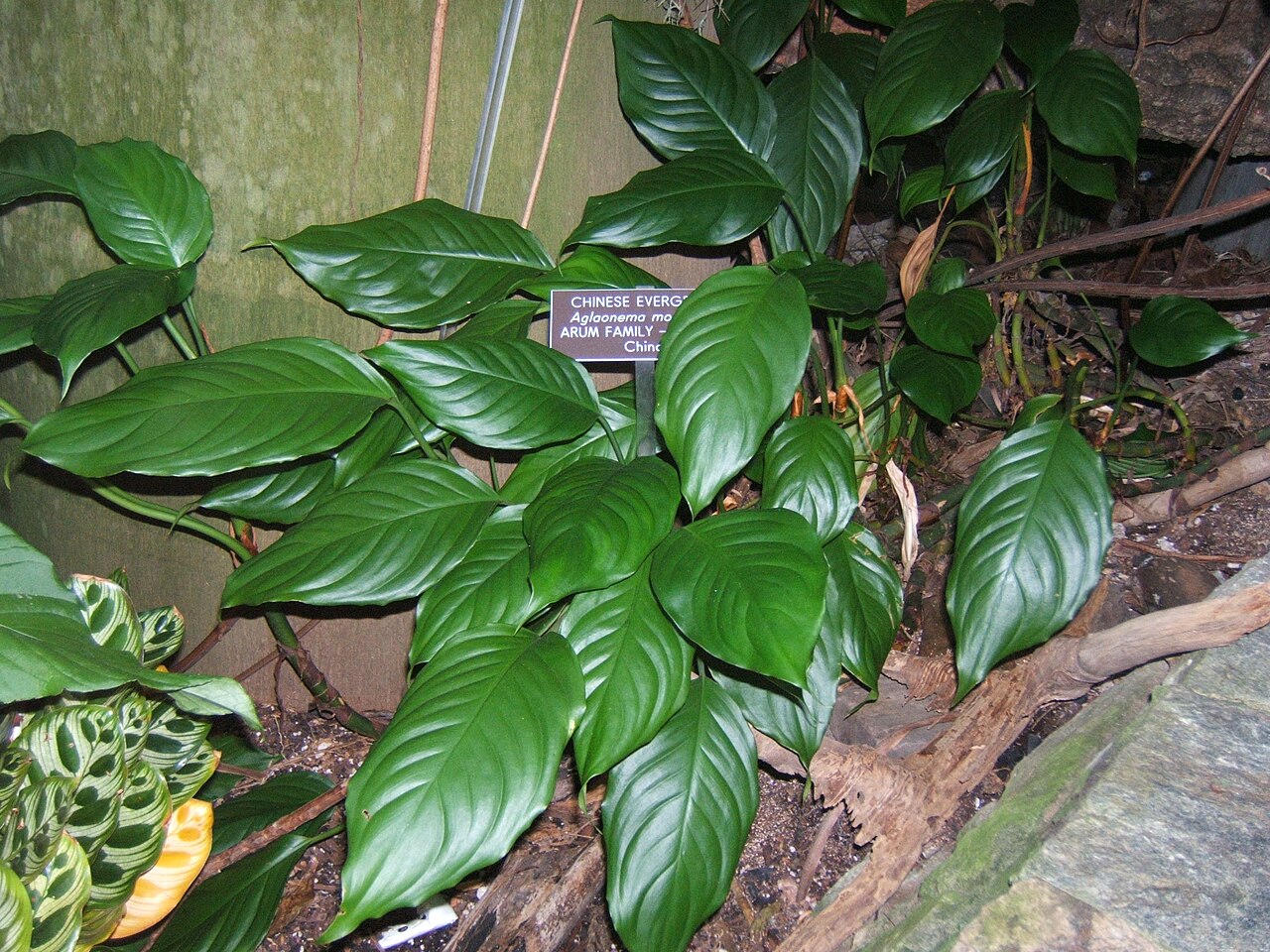
Chinese Evergreen is a popular indoor foliage plant known for its patterned leaves and tolerance of low light conditions. It contains insoluble calcium oxalate crystals that can cause irritation if ingested or chewed.
Potentially toxic for cats & dogs.
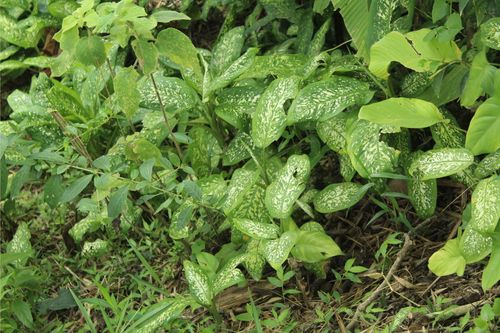
Dieffenbachia is a popular tropical houseplant known for its large, variegated leaves. It contains insoluble calcium oxalate crystals that can cause irritation if ingested or chewed.
Potentially toxic for cats & dogs.
Same growing conditions