Cats & Dogs
Potentially toxicConsulted references classify the plant as toxic or irritating for that pet type.
Verified against ASPCA/provenance audit 2026-05-06 on May 6, 2026.
Sources
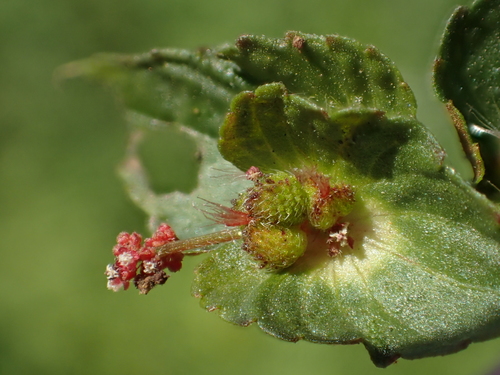
Acalypha godseffiana
Copperleaf is a tropical shrub known for its vibrant, variegated foliage. It contains compounds that can cause irritation if ingested by household pets.
Safety status
Cats & Dogs
Potentially toxicConsulted references classify the plant as toxic or irritating for that pet type.
Verified against ASPCA/provenance audit 2026-05-06 on May 6, 2026.
Sources
If a pet has chewed or swallowed plant material and is showing symptoms, contact a veterinarian or poison resource immediately. This product is for structured reference, not diagnosis.
Cats — concern notes
Common signs
Oral irritation, excessive drooling, vomiting, and difficulty swallowing.
Escalation note
Ingestion can cause gastrointestinal distress. Please contact your veterinarian if you suspect your cat has consumed any part of this plant.
Dogs — concern notes
Common signs
Vomiting, diarrhea, lethargy, and potential irritation of the mouth and throat.
Escalation note
While typically mild, ingestion can lead to digestive upset. Always consult a veterinarian if your dog shows signs of illness after exposure.
Safer alternatives
No hand-picked alternatives for this plant yet. You can still pick your own using the Compare button on any other plant.
ASPCA Toxic Plant List
toxicology · 99% reliability
Copperleaf is listed as toxic to both cats and dogs by the ASPCA.
NC State Extension Plant Toolbox
botanical · 94% reliability
Acalypha godseffiana is a tropical evergreen shrub often grown for its colorful foliage.
Yes, copperleaf (Acalypha godseffiana) is considered potentially toxic to cats. Compounds in the plant can cause oral irritation, excessive drooling, vomiting, and difficulty swallowing if ingested.
The most common signs are drooling, lip-smacking, vomiting, and diarrhea. Some cats also paw at their mouth or skip meals. Symptoms typically begin within an hour of chewing the plant and most uncomplicated cases resolve within 24–48 hours.
Remove your cat from the plant and rinse their mouth with water if possible. Monitor closely for drooling, vomiting, or pawing at the mouth. Call your vet or the ASPCA Animal Poison Control Center at (888) 426-4435 if vomiting or drooling persists more than a few hours, your cat refuses to eat, or symptoms are worsening — repeated vomiting can dehydrate a cat quickly.
The data does not specify which part of the plant is most concentrated with irritants, so any part of the copperleaf — leaves, stems, or sap — should be treated as a potential hazard. Contact with or ingestion of any portion can trigger oral irritation and gastrointestinal distress.
Yes, Copperleaf (Acalypha godseffiana) is considered potentially toxic to dogs. It contains irritating compounds that can cause vomiting, diarrhea, lethargy, and irritation of the mouth and throat if ingested.
The most common signs are drooling, vomiting, and diarrhea, often beginning within an hour of chewing the plant. Some dogs paw at their mouth or skip a meal; lethargy is usually mild. Symptoms typically resolve within 24–48 hours with supportive care.
Remove your dog from the plant and rinse their mouth with water if they are drooling heavily. Monitor closely for vomiting, diarrhea, or lethargy. Call your vet or the ASPCA Animal Poison Control Center at (888) 426-4435 if vomiting or diarrhea persists more than a few hours, your dog won't drink, or symptoms worsen — larger dogs that chewed a significant amount warrant earlier review.
The timeline is not well documented in published sources, but GI upset from irritating plant compounds like those in Copperleaf typically begins within an hour of ingestion and resolves in 24–48 hours with supportive care. If your dog is still symptomatic after that window, contact your veterinarian.
Often compared with
Same safety verdict
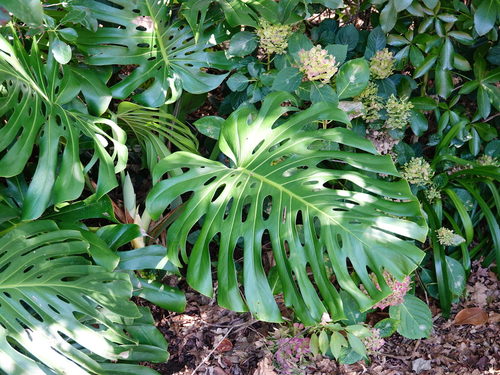
Monstera deliciosa is a popular tropical houseplant known for its large, fenestrated leaves and vining growth habit. It contains insoluble calcium oxalate crystals that can cause irritation if ingested by pets.
Potentially toxic for cats & dogs.
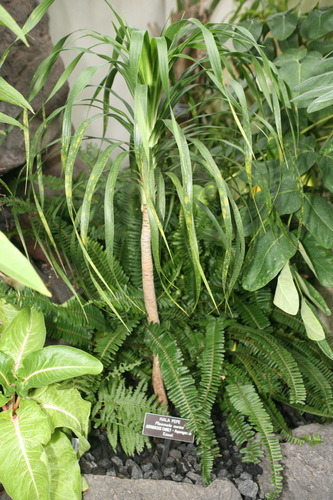
Dracaena trifasciata is a popular, hardy houseplant known for its stiff, sword-like leaves with striking yellow margins. It is widely appreciated for its air-purifying qualities and ability to thrive in various indoor conditions.
Potentially toxic for cats & dogs.
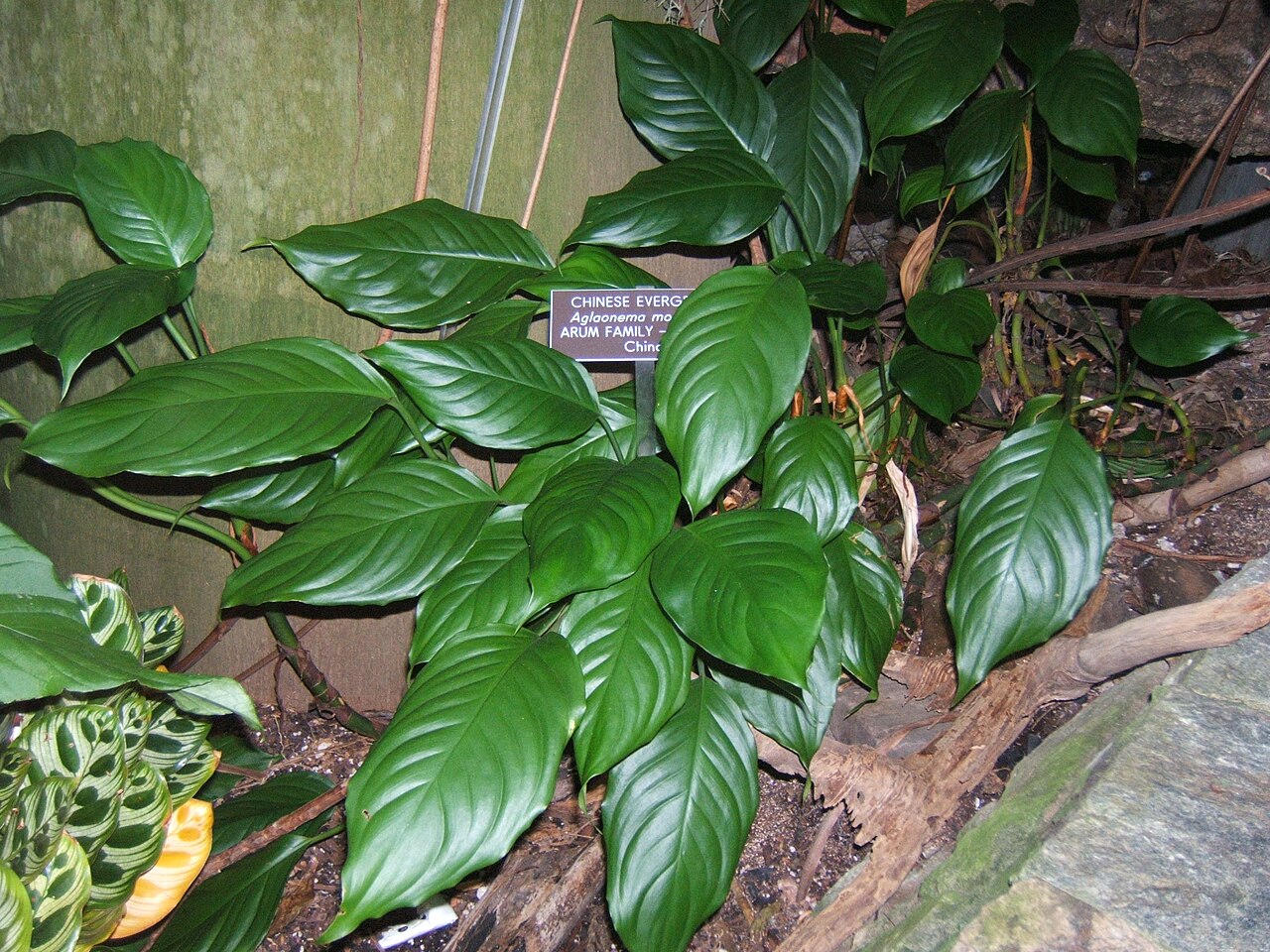
Chinese Evergreen is a popular indoor foliage plant known for its patterned leaves and tolerance of low light conditions. It contains insoluble calcium oxalate crystals that can cause irritation if ingested or chewed.
Potentially toxic for cats & dogs.
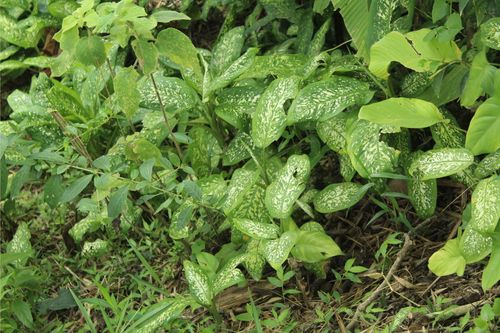
Dieffenbachia is a popular tropical houseplant known for its large, variegated leaves. It contains insoluble calcium oxalate crystals that can cause irritation if ingested or chewed.
Potentially toxic for cats & dogs.
Same growing conditions
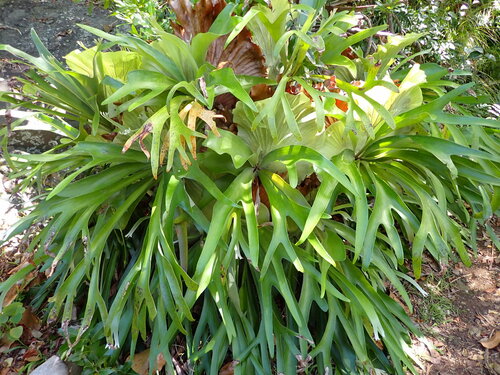
Staghorn Fern is a unique epiphytic fern known for its antler-shaped fronds. It is considered non-toxic to pets, though ingestion of large amounts of fibrous material may cause minor digestive discomfort.
Generally safe for cats & dogs.
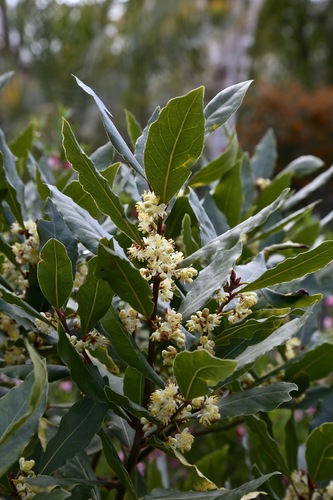
Bay Laurel is a popular culinary herb often grown as an ornamental shrub or tree. While prized for its aromatic leaves, it contains essential oils that can cause digestive distress if ingested by pets.
Potentially toxic for cats & dogs.
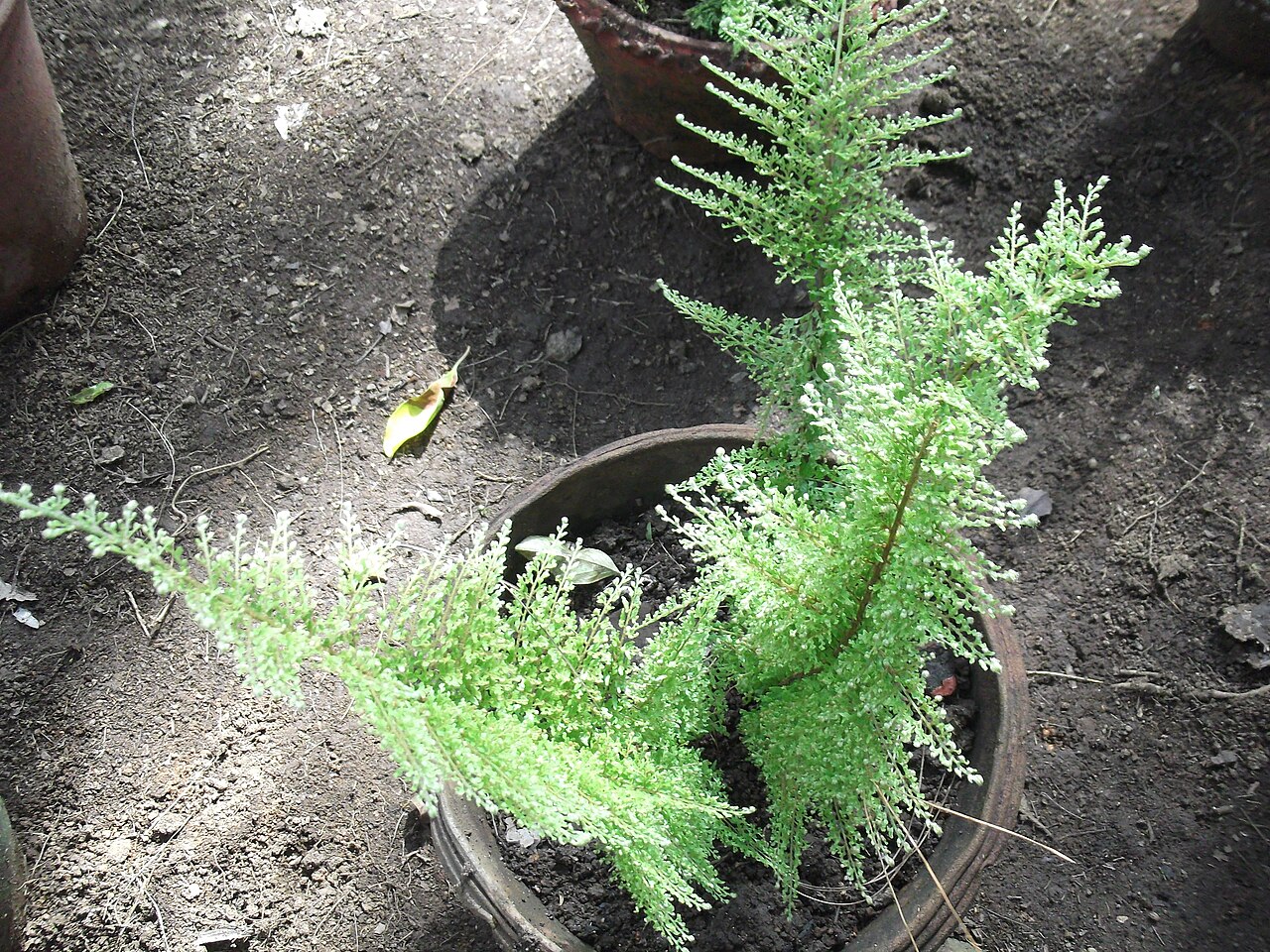
The Boston Fern is a popular, lush houseplant known for its arching fronds and preference for high humidity. It is widely considered safe for pets, though ingestion of any plant material can occasionally cause minor digestive upset.
Uncertain for cats.
Generally safe for dogs.
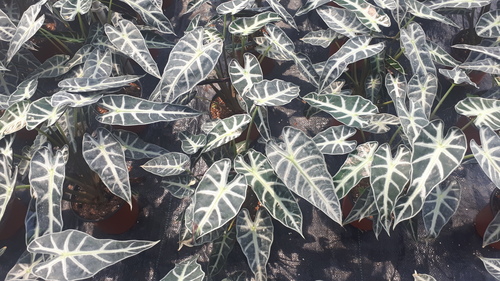
Alocasia is a genus of rhizomatous, broad-leaved perennial plants known for their dramatic, arrow-shaped foliage. They contain insoluble calcium oxalate crystals that cause immediate irritation upon contact with soft tissues.
Potentially toxic for cats & dogs.