Cats & Dogs
Potentially toxicConsulted references classify the plant as toxic or irritating for that pet type.
Verified against ASPCA/provenance audit 2026-05-06 on May 6, 2026.
Sources
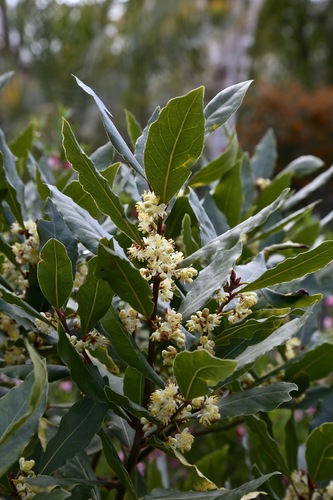
Laurus nobilis
Bay Laurel is a popular culinary herb often grown as an ornamental shrub or tree. While prized for its aromatic leaves, it contains essential oils that can cause digestive distress if ingested by pets.
Safety status
Cats & Dogs
Potentially toxicConsulted references classify the plant as toxic or irritating for that pet type.
Verified against ASPCA/provenance audit 2026-05-06 on May 6, 2026.
Sources
If a pet has chewed or swallowed plant material and is showing symptoms, contact a veterinarian or poison resource immediately. This product is for structured reference, not diagnosis.
Cats — concern notes
Common signs
Vomiting, diarrhea, and potential gastrointestinal irritation.
Escalation note
Ingestion can lead to physical blockage or irritation due to the rigid nature of the leaves. Please contact your veterinarian if your cat has ingested any part of this plant.
Dogs — concern notes
Common signs
Vomiting, diarrhea, and abdominal discomfort.
Escalation note
The leaves are tough and can cause mechanical irritation or obstruction in the digestive tract. Always consult a veterinarian if you suspect your dog has consumed this plant.
Safer alternatives
Some links earn us a small commission. They never affect our safety classifications.
ASPCA Toxic Plant List
toxicology · 99% reliability
Bay Laurel is listed as toxic to both cats and dogs due to potential gastrointestinal upset.
NC State Extension Plant Toolbox
botanical · 94% reliability
Laurus nobilis is an evergreen shrub or tree commonly used for culinary purposes, but it is known to be toxic to pets.
Yes, Bay Laurel (Laurus nobilis) is potentially toxic to cats. The essential oils in its leaves can cause vomiting, diarrhea, and gastrointestinal irritation. The rigid nature of the leaves also poses a physical obstruction risk, making even small ingestions a concern for cats.
ASPCA lists vomiting and diarrhea as the typical signs. Beyond basic GI upset, watch for repeated unproductive retching, refusal to eat, lethargy, hunched posture, or signs of belly pain — these can indicate a leaf is lodged in the GI tract rather than simple gastritis. GI signs typically begin within hours of ingestion, while obstruction-related signs may develop or worsen over the following 24 to 72 hours.
Remove any visible leaf fragments from your cat's mouth and offer fresh water. Do not induce vomiting — if a leaf is present, vomiting can worsen the risk of esophageal trauma. Do not use hydrogen peroxide or homemade antidotes without speaking to a veterinary professional first. Call ASPCA Animal Poison Control at (888) 426-4435 for guidance.
Yes — whole-leaf ingestion is an immediate-call scenario for cats specifically because of obstruction risk. Bay leaves are rigid and do not break down easily, meaning a leaf can become lodged in a small cat's esophagus or GI tract. Do not wait to see how it goes; contact your veterinarian or ASPCA Animal Poison Control (888) 426-4435 right away.
Yes, Bay Laurel (Laurus nobilis) is considered potentially toxic to dogs. The essential oils in its leaves can cause vomiting, diarrhea, and abdominal discomfort. Beyond the chemical irritation, the tough, leathery leaves pose an additional risk of mechanical irritation or obstruction in the digestive tract.
The main signs to watch for are vomiting, diarrhea, and belly tenderness. GI symptoms typically begin within a few hours of ingestion. If a whole leaf was swallowed, watch specifically for repeated unproductive retching, restlessness, refusal to eat, or abdominal pain — these can signal a leaf lodged somewhere in the digestive tract, which may not appear until 24 hours or more after ingestion.
Remove any leaf fragments from your dog's mouth and offer fresh water. Do not try to induce vomiting at home — if a whole leaf is present, vomiting risks lodging it in the esophagus. Do not administer hydrogen peroxide or any home antidote without speaking to a veterinary professional first. Call your vet or ASPCA Animal Poison Control at (888) 426-4435 if your dog vomits more than once or twice, cannot keep water down, seems painful in the belly, or you suspect a whole leaf was swallowed.
Yes — this is a specific concern with Bay Laurel that goes beyond typical plant toxicity. The leaves are tough enough to cause mechanical irritation or obstruction in the digestive tract. A small dog that ate multiple leaves is considered an urgent case. Obstruction signs (repeated unproductive vomiting, abdominal tenderness, refusal to eat) can appear later than the initial GI upset, sometimes more than 24 hours after ingestion, so monitor your dog closely even if they seem initially fine.
Same safety verdict
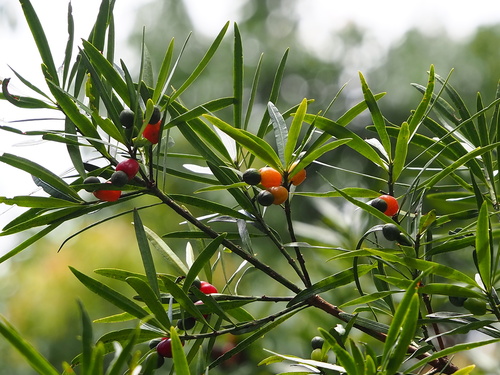
The Buddhist Pine is a slow-growing evergreen conifer often used as an ornamental shrub or bonsai specimen. While popular for its needle-like foliage, it contains compounds that can cause gastrointestinal distress if ingested by pets.
Potentially toxic for cats & dogs.
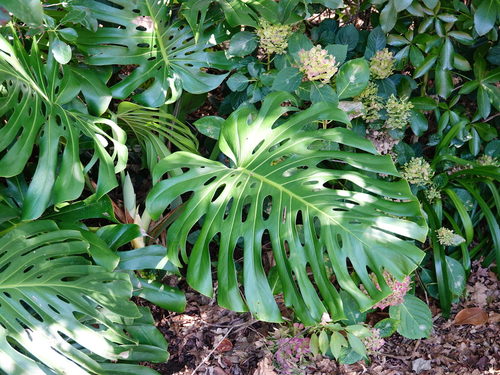
Monstera deliciosa is a popular tropical houseplant known for its large, fenestrated leaves and vining growth habit. It contains insoluble calcium oxalate crystals that can cause irritation if ingested by pets.
Potentially toxic for cats & dogs.
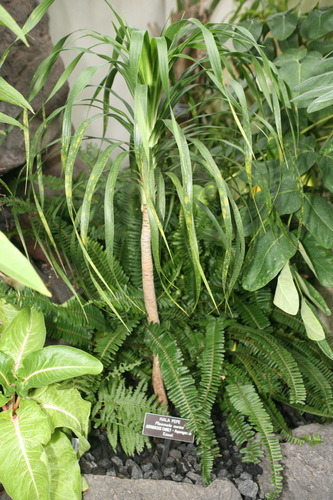
Dracaena trifasciata is a popular, hardy houseplant known for its stiff, sword-like leaves with striking yellow margins. It is widely appreciated for its air-purifying qualities and ability to thrive in various indoor conditions.
Potentially toxic for cats & dogs.
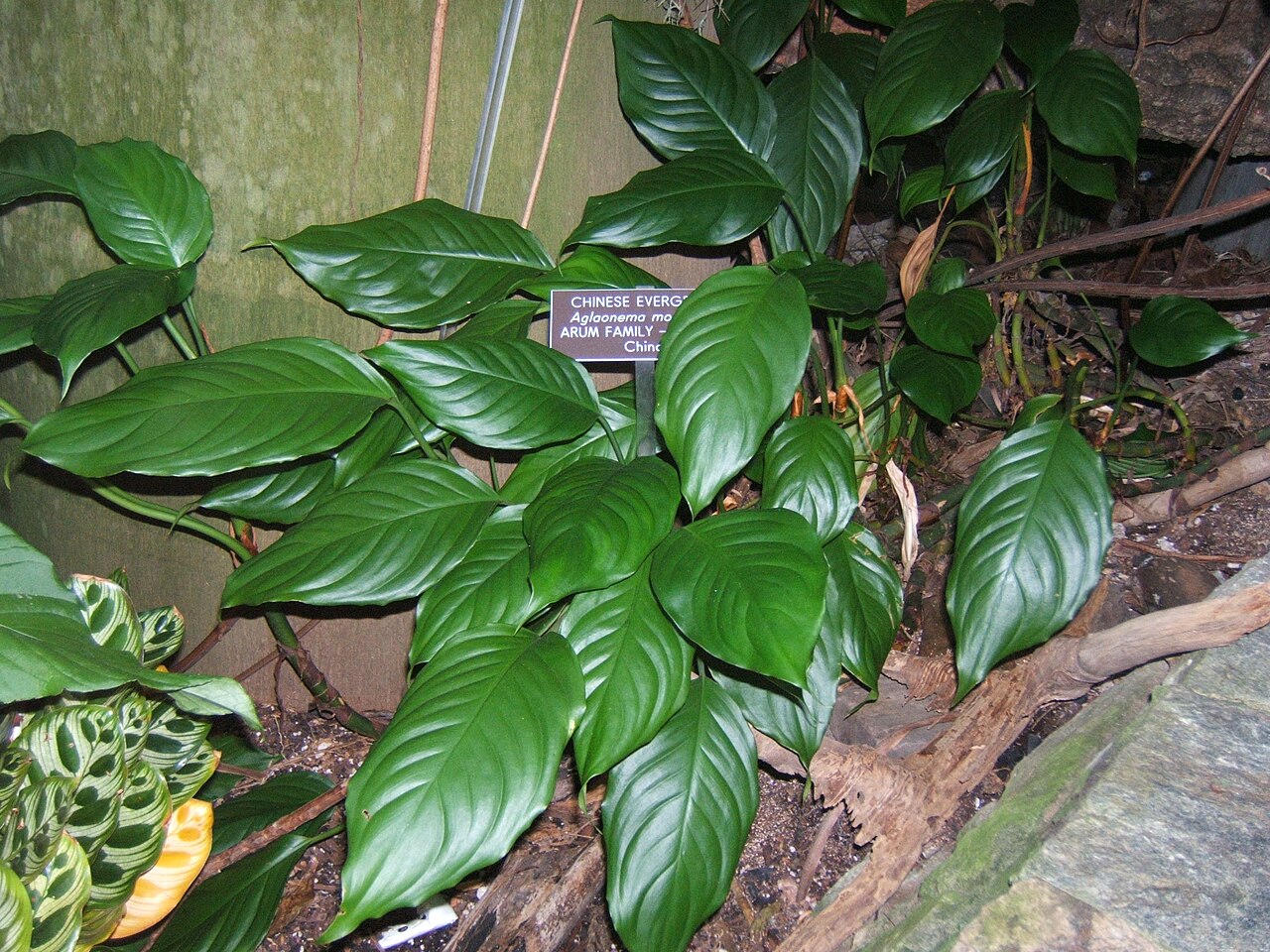
Chinese Evergreen is a popular indoor foliage plant known for its patterned leaves and tolerance of low light conditions. It contains insoluble calcium oxalate crystals that can cause irritation if ingested or chewed.
Potentially toxic for cats & dogs.
Same growing conditions
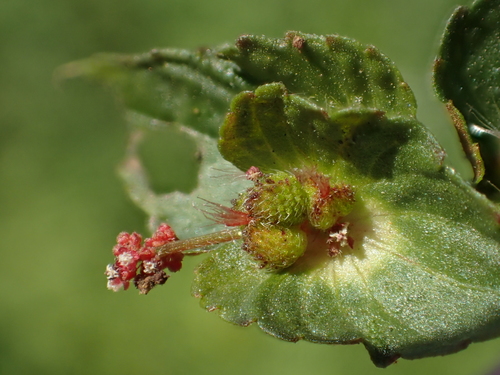
Copperleaf is a tropical shrub known for its vibrant, variegated foliage. It contains compounds that can cause irritation if ingested by household pets.
Potentially toxic for cats & dogs.
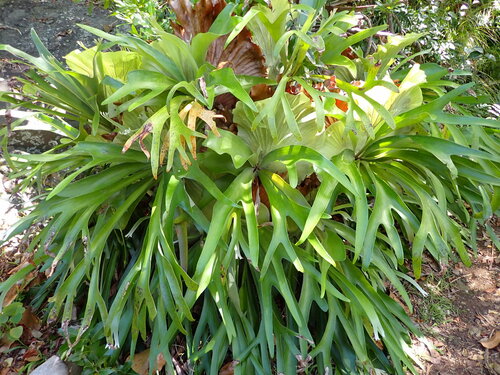
Staghorn Fern is a unique epiphytic fern known for its antler-shaped fronds. It is considered non-toxic to pets, though ingestion of large amounts of fibrous material may cause minor digestive discomfort.
Generally safe for cats & dogs.
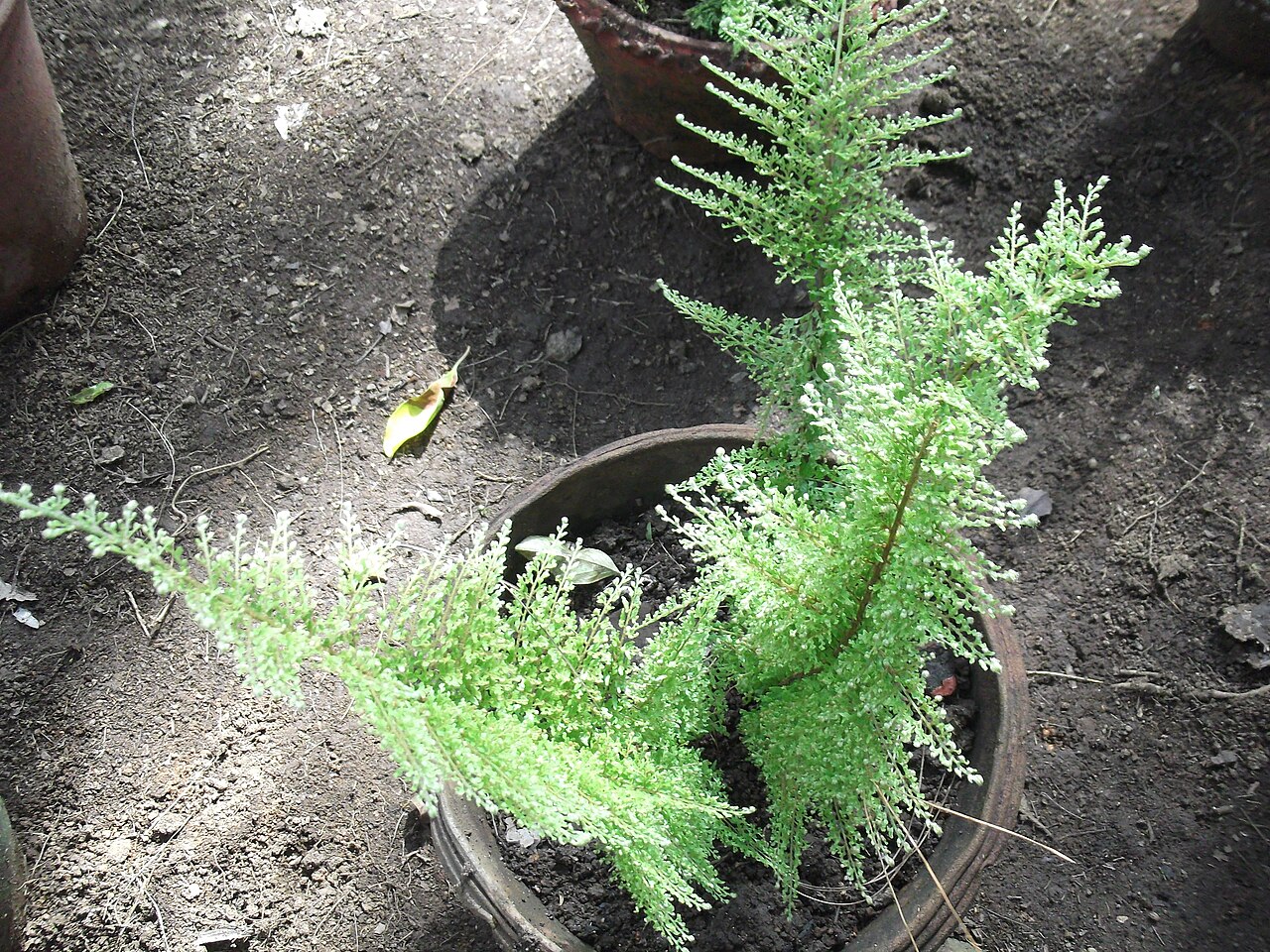
The Boston Fern is a popular, lush houseplant known for its arching fronds and preference for high humidity. It is widely considered safe for pets, though ingestion of any plant material can occasionally cause minor digestive upset.
Uncertain for cats.
Generally safe for dogs.
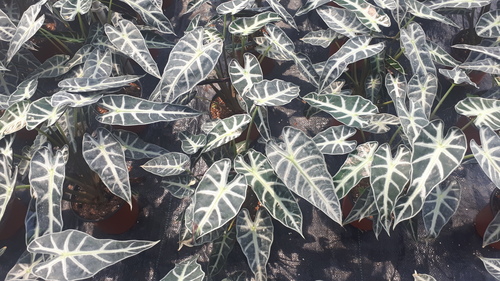
Alocasia is a genus of rhizomatous, broad-leaved perennial plants known for their dramatic, arrow-shaped foliage. They contain insoluble calcium oxalate crystals that cause immediate irritation upon contact with soft tissues.
Potentially toxic for cats & dogs.