Cats & Dogs
Potentially toxicConsulted references classify the plant as toxic or irritating for that pet type.
Verified against ASPCA/provenance audit 2026-05-06 on May 6, 2026.
Sources
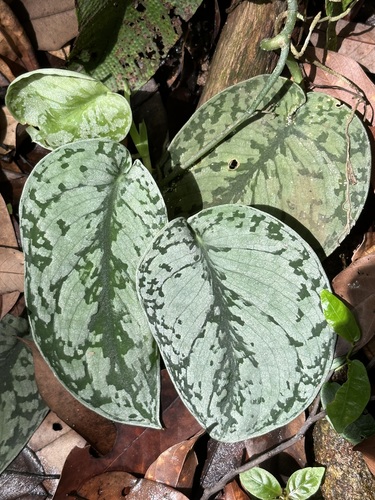
Scindapsus pictus
Satin Pothos is a popular vining houseplant known for its heart-shaped, silver-variegated leaves. It contains insoluble calcium oxalate crystals that can cause irritation if ingested.
Safety status
Cats & Dogs
Potentially toxicConsulted references classify the plant as toxic or irritating for that pet type.
Verified against ASPCA/provenance audit 2026-05-06 on May 6, 2026.
Sources
If a pet has chewed or swallowed plant material and is showing symptoms, contact a veterinarian or poison resource immediately. This product is for structured reference, not diagnosis.
Cats — concern notes
Common signs
Oral irritation, intense burning and irritation of mouth, tongue and lips, excessive drooling, vomiting, and difficulty swallowing.
Escalation note
The insoluble calcium oxalate crystals cause immediate mechanical irritation. If your cat has ingested this plant, please contact your veterinarian or a pet poison control center.
Dogs — concern notes
Common signs
Oral irritation, intense burning and irritation of mouth, tongue and lips, excessive drooling, vomiting, and difficulty swallowing.
Escalation note
Ingestion typically leads to immediate discomfort due to the presence of calcium oxalate crystals. Please consult your veterinarian if you suspect your dog has chewed on or eaten this plant.
Safer alternatives
Some links earn us a small commission. They never affect our safety classifications.
ASPCA Toxic Plant List
toxicology · 99% reliability
Satin Pothos is toxic to both cats and dogs due to insoluble calcium oxalate crystals.
NC State Extension Plant Toolbox
botanical · 94% reliability
Scindapsus pictus is a vining plant in the Araceae family, often grown as a houseplant for its attractive foliage.
Yes, Satin Pothos (Scindapsus pictus) is toxic to cats. It contains insoluble calcium oxalate crystals that cause immediate mechanical irritation to the mouth, tongue, and lips upon chewing.
Signs appear within seconds: pawing at the mouth, foamy drooling, head shaking, and yowling. Vomiting typically follows. Watch for swelling around the lips or tongue and any wheezing or labored breathing, which is rare but a true emergency.
Wipe out your cat's mouth with a damp cloth to remove plant fragments, and rinse any residue from fur or paws so it isn't groomed back in. A small amount of milk or yogurt can help soothe irritation — do not induce vomiting. Then call your vet or ASPCA Animal Poison Control at (888) 426-4435.
Pain and drooling start within seconds of chewing. Most uncomplicated cases ease over 12–24 hours with supportive care. Airway swelling, when it occurs, develops within the first hour — call your vet immediately if you see any swelling or breathing changes rather than waiting it out.
Yes, satin pothos (Scindapsus pictus) is toxic to dogs. It contains insoluble calcium oxalate crystals that cause immediate oral irritation, intense burning of the mouth, tongue, and lips, excessive drooling, vomiting, and difficulty swallowing.
Onset is essentially immediate — within seconds of chewing. Expect sudden drooling, lip-licking, pawing at the mouth, and head shaking. Vomiting and a brief refusal to eat are common next. More serious but less common signs include swelling of the lips, tongue, or throat, a hoarse-sounding bark, or difficulty breathing, which signal airway involvement.
Gently wipe your dog's mouth with a damp cloth to remove plant fragments. Offering a small amount of milk or yogurt can help bind the oxalate crystals and ease the burning. Do not induce vomiting. Then call your vet or the ASPCA Animal Poison Control Center at (888) 426-4435 for further guidance.
Drooling and oral pain typically begin within seconds of chewing and usually settle within a few hours. Appetite generally returns within 24 hours in uncomplicated cases. Call your vet immediately if symptoms worsen, swelling develops around the mouth or throat, or your dog has difficulty breathing or cannot drink water.
Often compared with
Same safety verdict
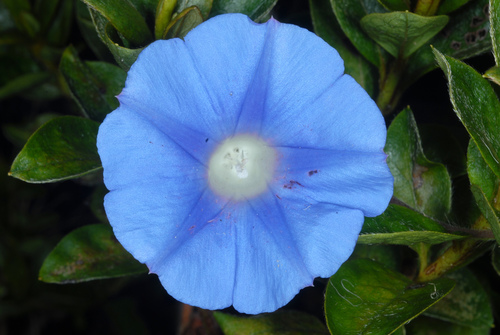
Morning Glory is a popular flowering vine known for its trumpet-shaped blooms that open in the morning. While aesthetically pleasing, the seeds and other plant parts contain alkaloids that can cause digestive distress if ingested by pets.
Potentially toxic for cats & dogs.
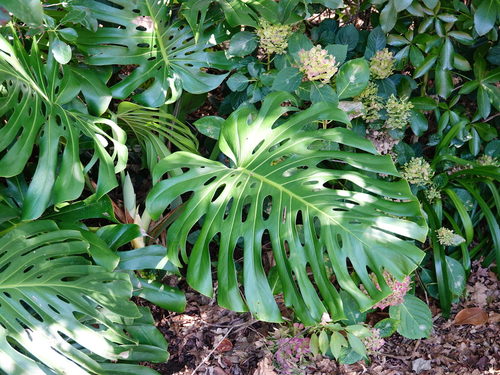
Monstera deliciosa is a popular tropical houseplant known for its large, fenestrated leaves and vining growth habit. It contains insoluble calcium oxalate crystals that can cause irritation if ingested by pets.
Potentially toxic for cats & dogs.
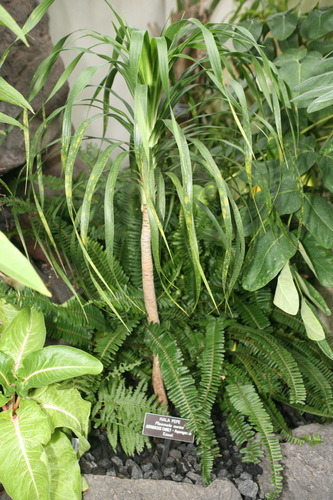
Dracaena trifasciata is a popular, hardy houseplant known for its stiff, sword-like leaves with striking yellow margins. It is widely appreciated for its air-purifying qualities and ability to thrive in various indoor conditions.
Potentially toxic for cats & dogs.
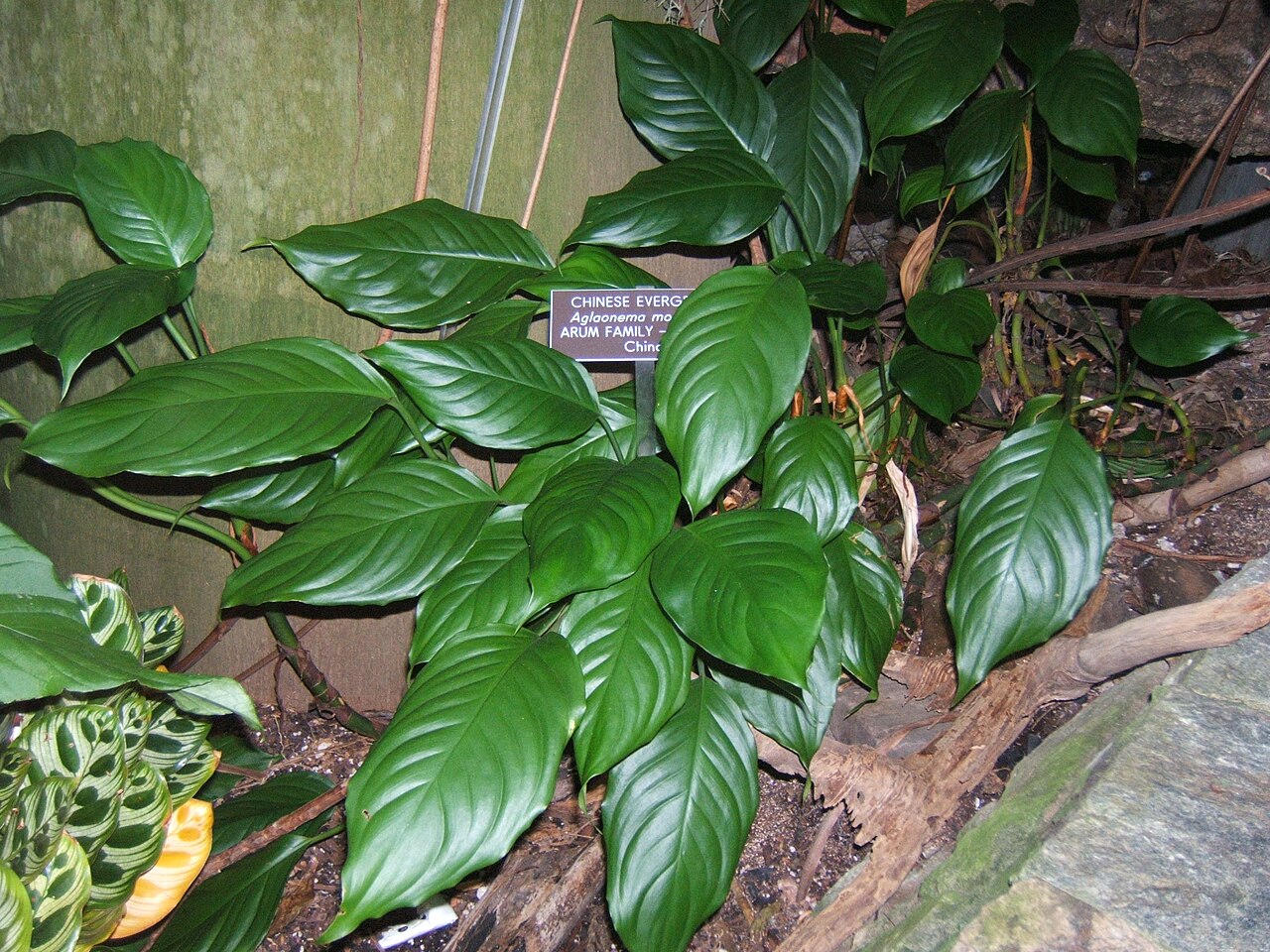
Chinese Evergreen is a popular indoor foliage plant known for its patterned leaves and tolerance of low light conditions. It contains insoluble calcium oxalate crystals that can cause irritation if ingested or chewed.
Potentially toxic for cats & dogs.