Cats & Dogs
Potentially toxicConsulted references classify the plant as toxic or irritating for that pet type.
Verified against ASPCA/provenance audit 2026-05-06 on May 6, 2026.
Sources
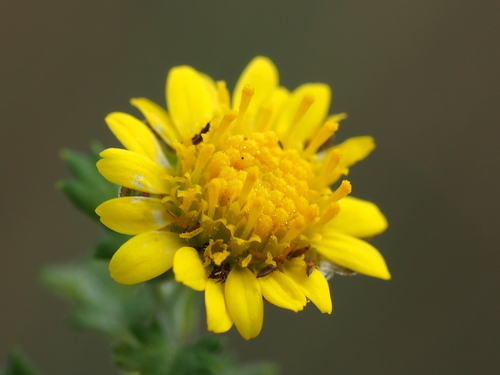
Chrysanthemum species
Chrysanthemums are popular flowering plants known for their vibrant blooms, but they contain natural compounds that can cause adverse reactions if ingested by pets. It is recommended to keep these plants out of reach of curious animals.
Safety status
Cats & Dogs
Potentially toxicConsulted references classify the plant as toxic or irritating for that pet type.
Verified against ASPCA/provenance audit 2026-05-06 on May 6, 2026.
Sources
If a pet has chewed or swallowed plant material and is showing symptoms, contact a veterinarian or poison resource immediately. This product is for structured reference, not diagnosis.
Cats — concern notes
Common signs
Drooling, vomiting, diarrhea, and skin irritation (dermatitis).
Escalation note
Ingestion can lead to gastrointestinal distress and skin inflammation. Please contact your veterinarian if you suspect your cat has ingested any part of this plant.
Dogs — concern notes
Common signs
Vomiting, diarrhea, hypersalivation, and incoordination.
Escalation note
While typically causing mild to moderate gastrointestinal upset, ingestion of large amounts may cause more severe symptoms. Always consult a veterinarian for professional medical advice if ingestion occurs.
Safer alternatives
No hand-picked alternatives for this plant yet. You can still pick your own using the Compare button on any other plant.
ASPCA Toxic Plant List
toxicology · 99% reliability
Chrysanthemum contains pyrethrins, sesquiterpene lactones, and other potential irritants that can cause clinical signs in pets.
NC State Extension Plant Toolbox
botanical · 94% reliability
Chrysanthemum is a genus of flowering plants in the family Asteraceae, widely cultivated for ornamental purposes.
Yes, chrysanthemums are toxic to cats. They contain compounds — including pyrethrins — that can cause gastrointestinal distress and skin irritation if ingested or contacted.
Typical signs include drooling, vomiting, diarrhea, and incoordination. With heavier exposure, cats may develop twitching, tremors, dilated pupils, hyperexcitability, or seizures — cats are especially vulnerable to the pyrethrin profile in chrysanthemums. Skin contact can also cause a transient rash.
Remove any remaining plant material from your cat's reach, then call your veterinarian or ASPCA Animal Poison Control (888-426-4435) the same day — even for mild drooling or vomiting. If your cat shows tremors, seizures, dilated pupils, or trouble walking, treat it as an emergency and seek veterinary care immediately.
Signs can appear within minutes to a few hours of exposure, but may take up to 72 hours to develop fully, so monitor your cat closely for several days even if they seem fine at first.
Yes, chrysanthemums (daisies) are toxic to dogs. They contain natural compounds that can cause vomiting, diarrhea, hypersalivation, and incoordination if ingested. Keep these plants out of reach of curious dogs.
The most common signs are vomiting, diarrhea, drooling, and an unsteady gait. If your dog got sap on its skin, watch for a localized rash. Severe symptoms like tremors, weakness, or seizures are rare but possible after large ingestions.
Call your veterinarian or the ASPCA Animal Poison Control Center at (888) 426-4435 right away. Mild gastrointestinal signs typically resolve within about 24 hours with supportive care, but if vomiting won't stop or your dog seems wobbly or has tremors, those symptoms need immediate veterinary attention.
Onset can range from minutes to a few hours after ingestion. Symptoms are typically mild to moderate gastrointestinal upset, though ingestion of large amounts may cause more severe reactions.
Often compared with
Same safety verdict
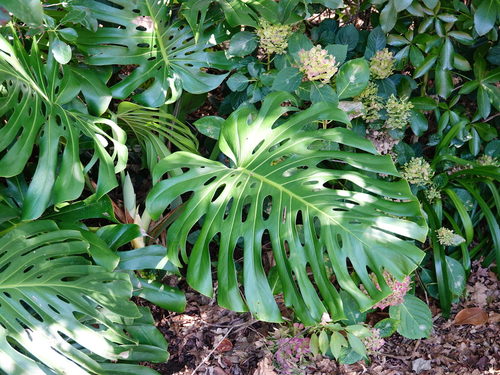
Monstera deliciosa is a popular tropical houseplant known for its large, fenestrated leaves and vining growth habit. It contains insoluble calcium oxalate crystals that can cause irritation if ingested by pets.
Potentially toxic for cats & dogs.

Dracaena trifasciata is a popular, hardy houseplant known for its stiff, sword-like leaves with striking yellow margins. It is widely appreciated for its air-purifying qualities and ability to thrive in various indoor conditions.
Potentially toxic for cats & dogs.
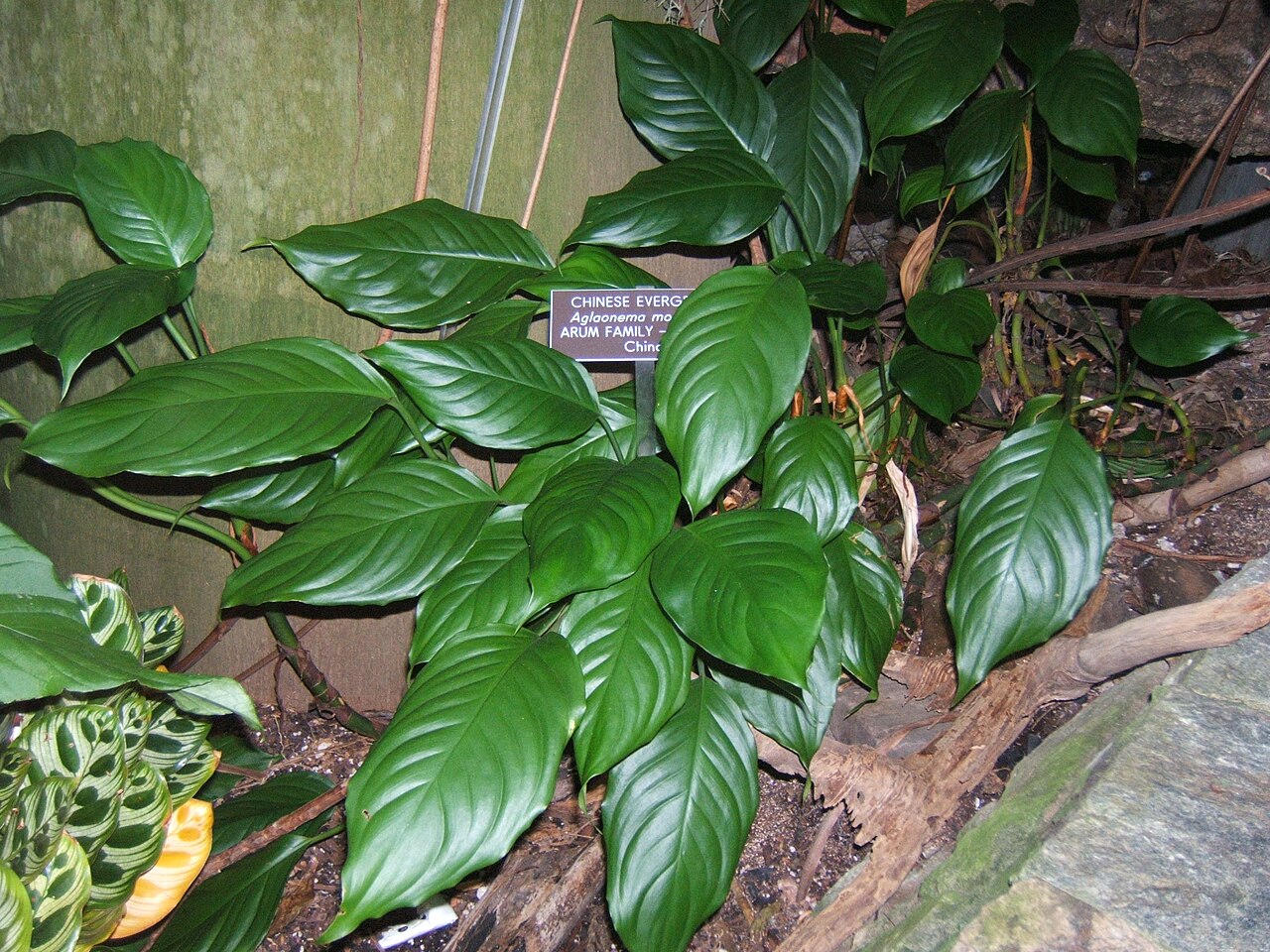
Chinese Evergreen is a popular indoor foliage plant known for its patterned leaves and tolerance of low light conditions. It contains insoluble calcium oxalate crystals that can cause irritation if ingested or chewed.
Potentially toxic for cats & dogs.
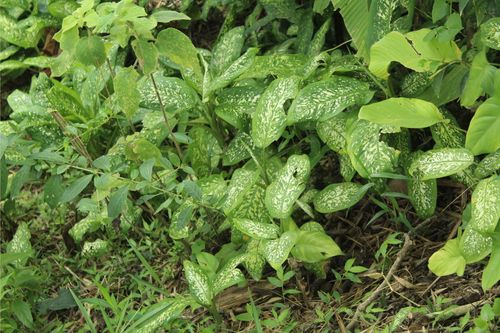
Dieffenbachia is a popular tropical houseplant known for its large, variegated leaves. It contains insoluble calcium oxalate crystals that can cause irritation if ingested or chewed.
Potentially toxic for cats & dogs.
Same growing conditions
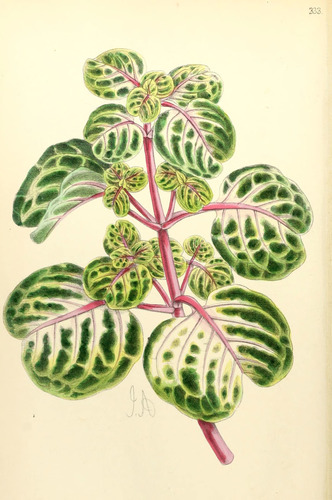
Bloodleaf is a vibrant ornamental plant known for its striking deep red or purple foliage. While it is considered non-toxic, ingestion of large amounts of plant material may cause mild digestive discomfort.
Generally safe for cats & dogs.
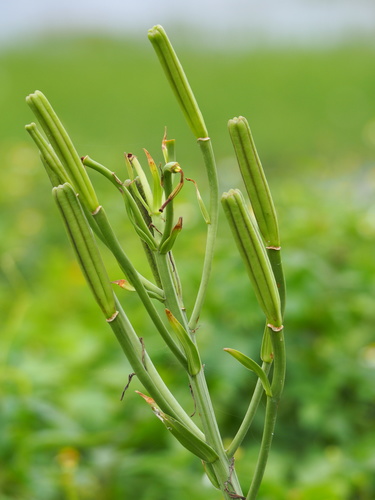
The Easter Lily is a bulbous perennial known for its large, fragrant, trumpet-shaped white flowers. It is highly significant in veterinary medicine due to its extreme toxicity to cats.
Potentially toxic for cats.
Uncertain for dogs.
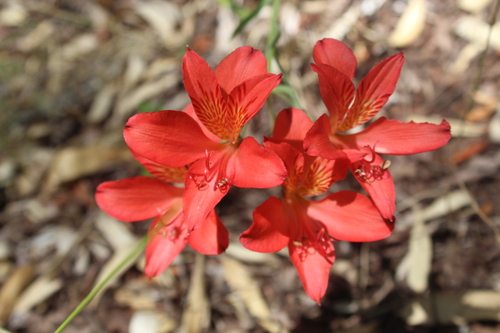
Peruvian Lily is a popular flowering plant known for its vibrant, orchid-like blooms and long-lasting cut flowers. While generally considered safe for pets, it is not a food source and may cause minor digestive discomfort if consumed in large quantities.
Generally safe for cats & dogs.