Cats & Dogs
Potentially toxicConsulted references classify the plant as toxic or irritating for that pet type.
Verified against ASPCA/provenance audit 2026-05-06 on May 6, 2026.
Sources
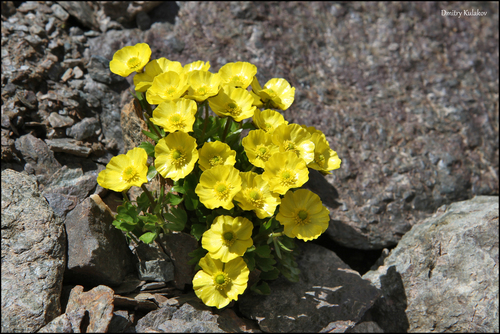
Ranunculus spp.
Buttercups are flowering plants known for their bright, cup-shaped blooms, but they contain compounds that can cause irritation if ingested. They are generally considered toxic to household pets due to the presence of protoanemonin.
Safety status
Cats & Dogs
Potentially toxicConsulted references classify the plant as toxic or irritating for that pet type.
Verified against ASPCA/provenance audit 2026-05-06 on May 6, 2026.
Sources
If a pet has chewed or swallowed plant material and is showing symptoms, contact a veterinarian or poison resource immediately. This product is for structured reference, not diagnosis.
Cats — concern notes
Common signs
Drooling, vomiting, diarrhea, and oral irritation or blistering.
Escalation note
Ingestion can cause significant gastrointestinal distress. Please contact your veterinarian immediately if you suspect your cat has consumed any part of this plant.
Dogs — concern notes
Common signs
Excessive salivation, abdominal pain, vomiting, and potential mouth sores.
Escalation note
The plant contains irritant sap that can cause discomfort upon contact or ingestion. Seek veterinary care if your dog shows signs of distress after exposure.
Safer alternatives
No hand-picked alternatives for this plant yet. You can still pick your own using the Compare button on any other plant.
ASPCA Toxic Plant List
toxicology · 99% reliability
Buttercup is toxic to both cats and dogs, causing gastrointestinal irritation.
NC State Extension Plant Toolbox
botanical · 94% reliability
Ranunculus species are known to be toxic to livestock and pets due to the compound protoanemonin.
Buttercups contain protoanemonin, an irritating compound released when the plant is chewed or crushed. It causes direct irritation and blistering to the mouth, tongue, and gastrointestinal tract. Most cats recover within 24–48 hours once the compound is cleared and oral pain is managed, though oral ulcers can take several days to fully heal.
Yes, buttercups (Ranunculus spp.) are toxic to cats. They contain protoanemonin, a compound that causes oral irritation, drooling, vomiting, and diarrhea. Symptoms are typically uncomfortable but not life-threatening in most cases.
The earliest signs are heavy drooling, pawing at the mouth, and visible irritation or small ulcers on the tongue or gums, usually appearing within about 3 hours of chewing. These are often followed by vomiting, diarrhea, and reduced appetite. Larger ingestions can also cause depression and a wobbly gait.
If you can do so safely, gently wipe your cat's mouth and remove any plant pieces stuck on the teeth or fur. Do not try to make your cat vomit and do not give over-the-counter medications. Call your vet or ASPCA Animal Poison Control at (888) 426-4435 before coming in so they can advise on next steps.
Signs typically appear within 3–6 hours of ingestion. Most dogs recover within 24–48 hours with fluids and a bland diet, though oral ulcers can take several days to heal and a soft diet for about a week is commonly recommended.
Expect heavy drooling and pawing at the mouth first, often with a foul-smelling breath from blistering. This can be followed by vomiting, diarrhea, abdominal pain, and mouth sores. In cases of large ingestions, depression, wobbly gait, weakness, or labored breathing have been reported, and stool may contain blood if the GI tract is significantly irritated.
Remove any plant material from your dog's mouth and offer fresh water, but do not induce vomiting and do not give human pain or stomach medications. Call your vet or the ASPCA Animal Poison Control Center at (888) 426-4435 before transporting so they can prepare care — a vet may start activated charcoal or IV fluids on arrival depending on how much was eaten.
Yes, buttercups (Ranunculus spp.) are potentially toxic to dogs. They contain protoanemonin, an irritant compound in the sap that causes discomfort on contact and if ingested.
Often compared with
Same safety verdict
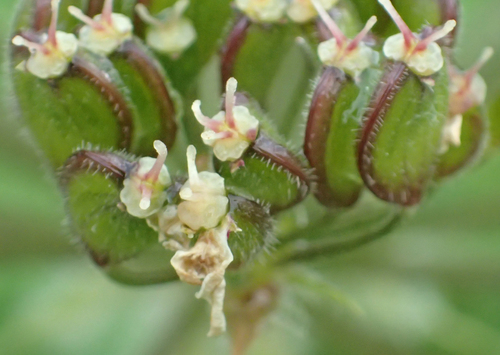
Cow parsnip is a large, herbaceous perennial member of the carrot family known for its tall stature and umbrella-like flower clusters. It contains furanocoumarins that can cause significant skin and mucosal irritation upon contact.
Potentially toxic for cats & dogs.
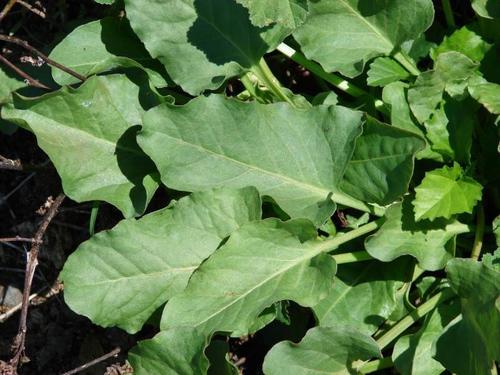
Dock is a genus of perennial herbs often found in fields and gardens that contains soluble calcium oxalates. Ingestion of any part of the plant can cause irritation to the mouth and digestive tract.
Potentially toxic for cats & dogs.
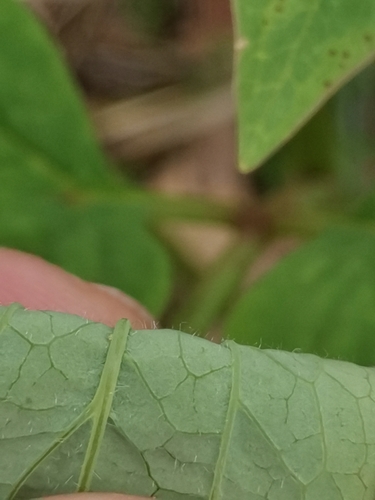
The peony is a popular garden perennial known for its large, showy blooms. While prized for its beauty, all parts of the plant contain paeonol, which can cause gastrointestinal distress if ingested by pets.
Potentially toxic for cats & dogs.
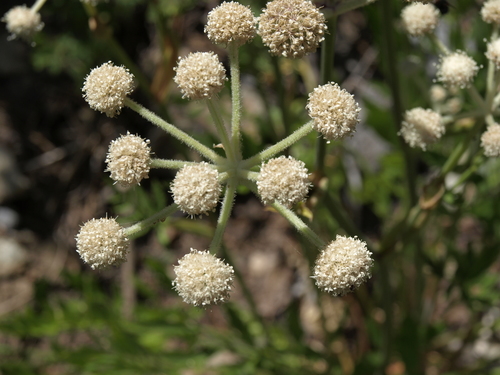
Ranger's Button is a perennial herb native to the western United States, known for its distinct, button-like flower clusters. It is considered toxic to pets if ingested and should be kept out of reach.
Potentially toxic for cats & dogs.
Same growing conditions
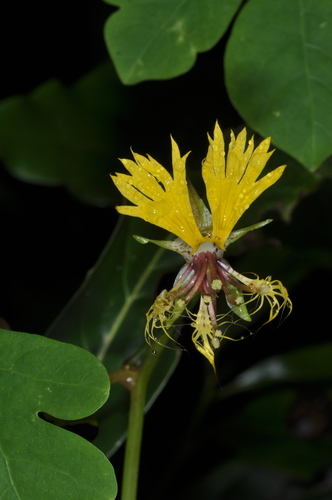
Nasturtium is a popular, fast-growing annual known for its edible, peppery-flavored flowers and rounded leaves. It is widely considered safe for household pets, though large ingestions of fibrous plant material may occasionally cause mild digestive upset.
Generally safe for cats & dogs.
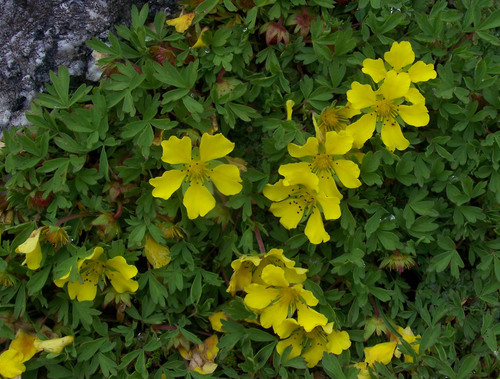
Cinquefoil is a diverse genus of flowering plants in the rose family, commonly found in gardens and wild meadows. While generally considered safe for pets, it is not intended for consumption.
Generally safe for cats & dogs.
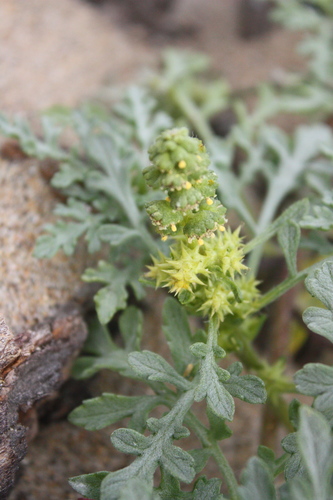
Feather Geranium is an herbaceous plant known for its aromatic, fern-like foliage. It is considered toxic to pets if ingested and should be kept out of reach of cats and dogs.
Potentially toxic for cats & dogs.
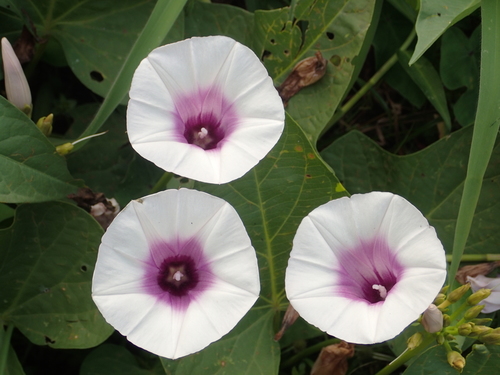
Sweet Potato Vine is a popular ornamental foliage plant known for its vibrant, trailing leaves. While generally considered safe for pets, it is best to prevent them from grazing on the foliage to avoid minor digestive discomfort.
Potentially toxic for cats & dogs.