Cats & Dogs
Potentially toxicConsulted references classify the plant as toxic or irritating for that pet type.
Verified against ASPCA/provenance audit 2026-05-06 on May 6, 2026.
Sources
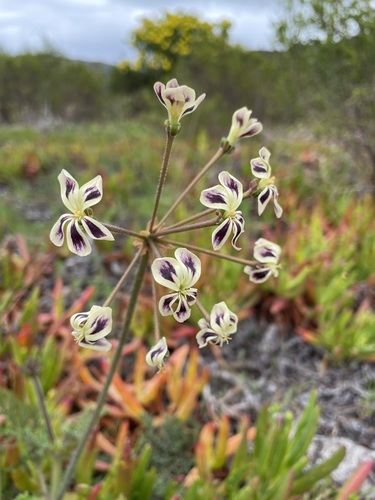
Pelargonium species
Geraniums are popular flowering plants known for their vibrant blooms and fragrant foliage. While they are common garden and container plants, they contain essential oils that can cause adverse reactions if ingested by pets.
Safety status
Cats & Dogs
Potentially toxicConsulted references classify the plant as toxic or irritating for that pet type.
Verified against ASPCA/provenance audit 2026-05-06 on May 6, 2026.
Sources
If a pet has chewed or swallowed plant material and is showing symptoms, contact a veterinarian or poison resource immediately. This product is for structured reference, not diagnosis.
Cats — concern notes
Common signs
Vomiting, anorexia, depression, and dermatitis.
Escalation note
Ingestion typically results in gastrointestinal upset. If your cat has ingested any part of this plant, please contact your veterinarian or a pet poison control center.
Dogs — concern notes
Common signs
Vomiting, anorexia, depression, and skin irritation.
Escalation note
Symptoms are generally mild to moderate but can cause significant discomfort. Always consult with a veterinarian if you suspect your dog has consumed this plant.
Safer alternatives
Some links earn us a small commission. They never affect our safety classifications.
ASPCA Toxic Plant List
toxicology · 99% reliability
Geraniums contain geraniol and linalool, which can cause vomiting, anorexia, depression, and dermatitis in dogs and cats.
NC State Extension Plant Toolbox
botanical · 94% reliability
Pelargonium is a genus of flowering plants which includes about 200 species of perennials, succulents, and shrubs.
Yes, geraniums (Pelargonium species) are potentially toxic to cats. They contain essential oils that can cause vomiting, loss of appetite, depression, and skin irritation if ingested or if the plant contacts your cat's skin.
The most common signs are vomiting, anorexia, and unusual quietness or hiding. Cats may also develop dermatitis — red, itchy skin or fur loss where the plant touched them or where they groomed sap off their coat. Larger exposures can progress to ataxia, muscle weakness, or hypothermia.
Contact your veterinarian or the ASPCA Animal Poison Control Center at (888) 426-4435. GI signs typically begin within a few hours and resolve in 24–48 hours with supportive care, but call your vet immediately if vomiting persists past one or two episodes, your cat won't eat for more than 12 hours, skin redness is spreading, or you see weakness or wobbliness. Concentrated geranium essential oil exposure should be treated as urgent.
The toxicity is tied to the essential oils present throughout the plant rather than one isolated part. Skin contact with foliage can cause dermatitis even without ingestion, while eating any part of the plant can trigger gastrointestinal and neurological signs in larger amounts.
Yes, geraniums (Pelargonium species) are considered potentially toxic to dogs. They contain essential oils that can cause vomiting, loss of appetite, depression, and skin irritation if ingested or if the plant contacts skin.
The most common signs are vomiting, anorexia, and low energy or withdrawal. Skin contact can cause redness, itching, or hives, and you may also see drooling or mild diarrhea. GI symptoms typically begin within a few hours and resolve within 24–48 hours; skin irritation can linger a few days longer.
Monitor your dog closely for vomiting, appetite loss, and skin irritation. Call your vet or the ASPCA Animal Poison Control Center at (888) 426-4435 if vomiting is repeated, appetite hasn't returned within 24 hours, skin lesions worsen or spread, or a small dog or puppy ate more than a leaf or two. Exposure to geranium essential oil (not just the plant) warrants a same-day call.
Yes — geranium essential oil is considered more concerning than incidental plant ingestion, and any exposure to the oil should prompt a same-day call to your vet or ASPCA Animal Poison Control at (888) 426-4435. Symptoms from the plant itself are generally mild to moderate, but the concentrated oil raises the risk of more significant toxicity.
Often compared with
Same safety verdict
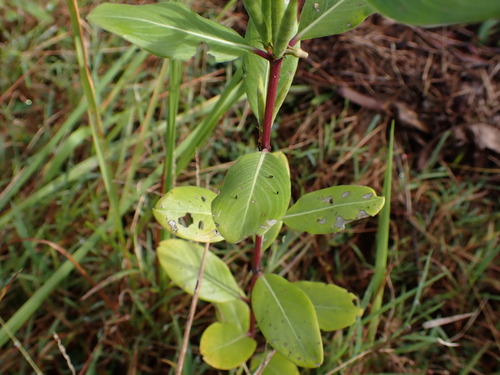
Catharanthus roseus is a flowering plant known for its vibrant blooms, but it contains alkaloids that are harmful if ingested by pets. It is commonly grown as an annual bedding plant or a container specimen.
Potentially toxic for cats & dogs.
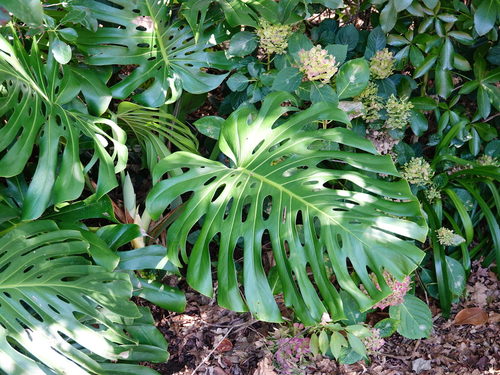
Monstera deliciosa is a popular tropical houseplant known for its large, fenestrated leaves and vining growth habit. It contains insoluble calcium oxalate crystals that can cause irritation if ingested by pets.
Potentially toxic for cats & dogs.
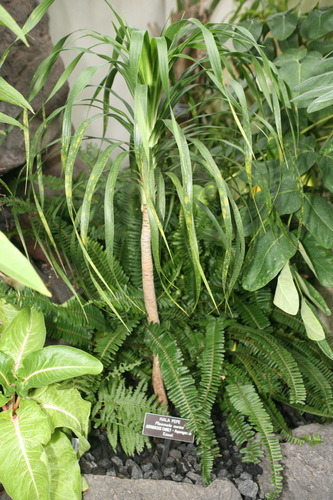
Dracaena trifasciata is a popular, hardy houseplant known for its stiff, sword-like leaves with striking yellow margins. It is widely appreciated for its air-purifying qualities and ability to thrive in various indoor conditions.
Potentially toxic for cats & dogs.
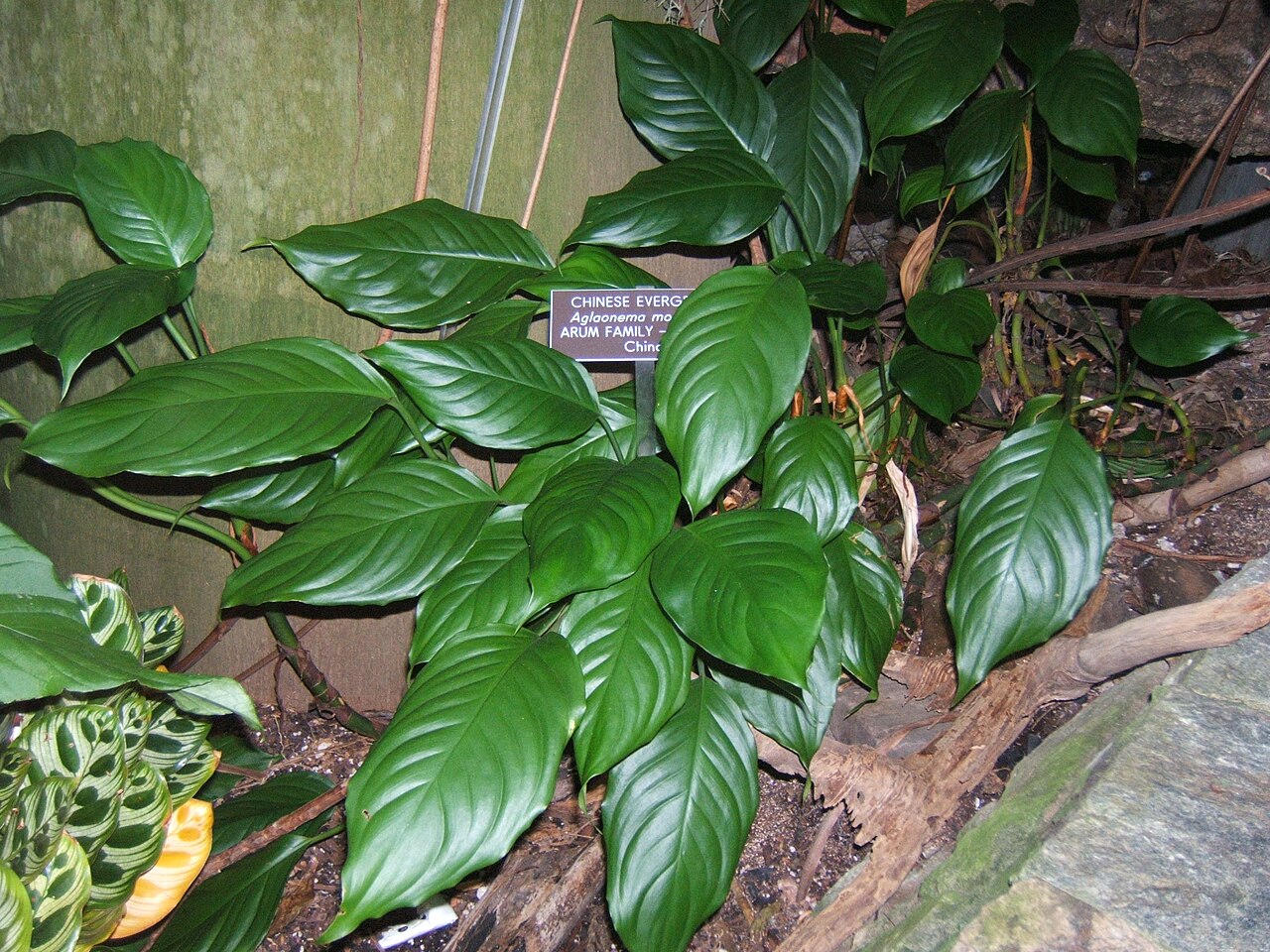
Chinese Evergreen is a popular indoor foliage plant known for its patterned leaves and tolerance of low light conditions. It contains insoluble calcium oxalate crystals that can cause irritation if ingested or chewed.
Potentially toxic for cats & dogs.
Same growing conditions
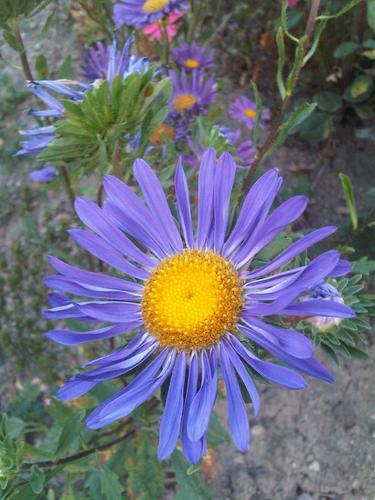
China Aster is a popular annual flowering plant known for its daisy-like blooms and vibrant colors. It is considered non-toxic to household pets, though ingestion of large amounts of plant material may cause minor digestive discomfort.
Generally safe for cats & dogs.
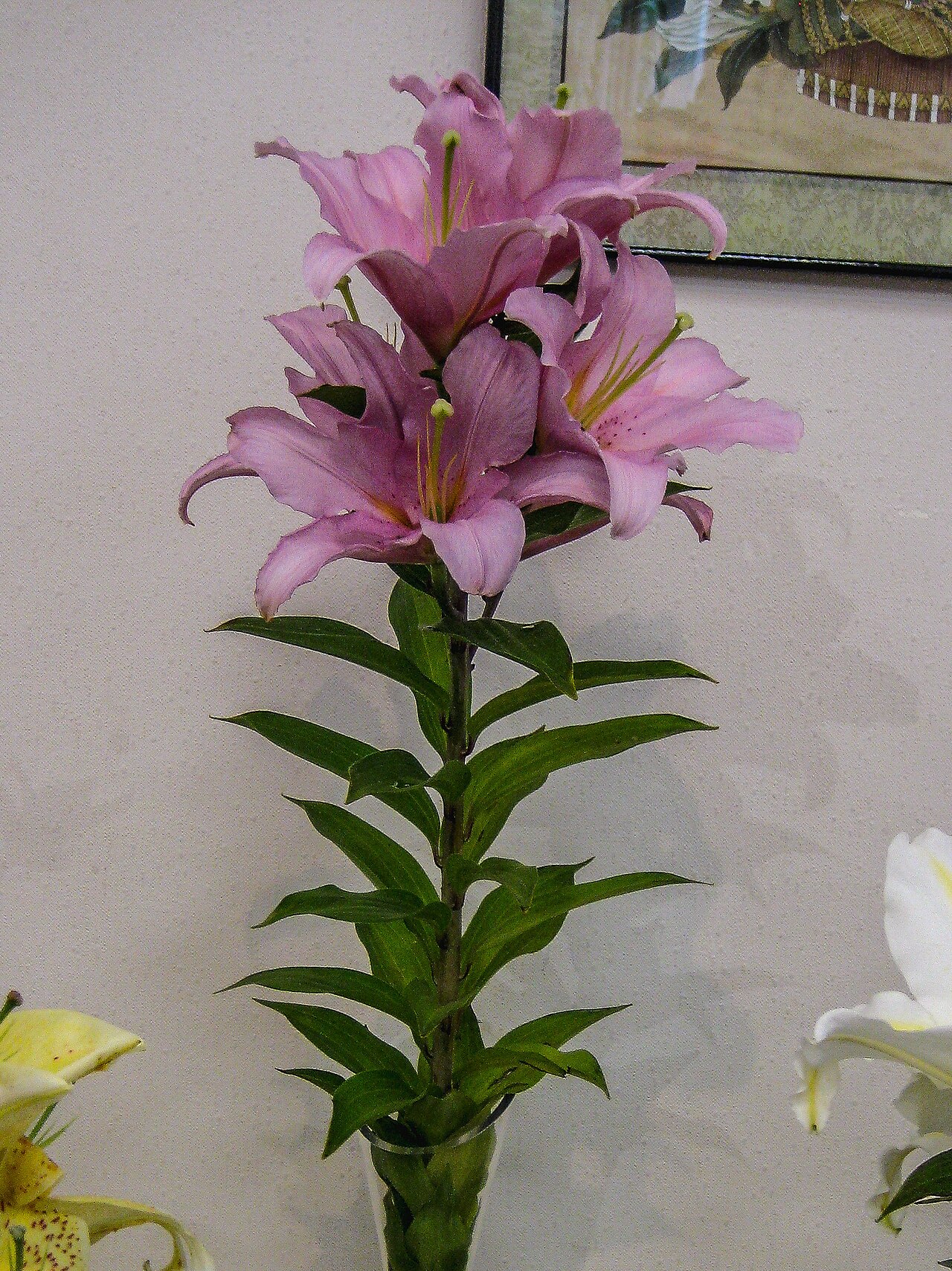
Red Lily is a bulbous perennial known for its vibrant, upward-facing blooms. It is highly significant in veterinary toxicology due to the severe risk it poses to feline health.
Potentially toxic for cats.
Uncertain for dogs.
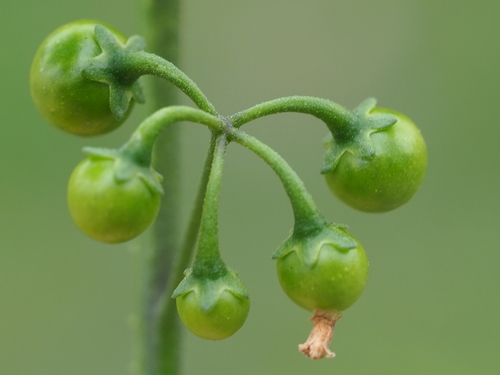
Black Nightshade is an herbaceous plant in the Solanaceae family containing solanine alkaloids that are harmful if ingested. It is widely considered a weed and is not typically cultivated as an indoor houseplant.
Potentially toxic for cats & dogs.
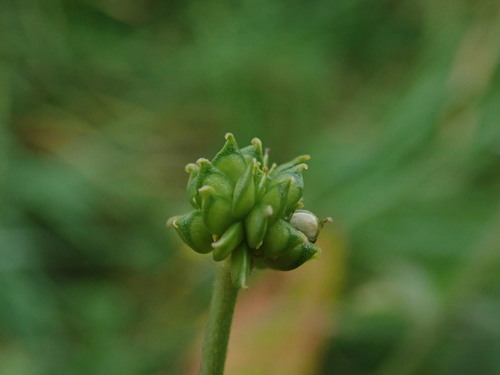
Ranunculus acris is a perennial herbaceous plant known for its bright yellow flowers and presence in meadows. It contains compounds that can cause irritation upon contact or ingestion.
Potentially toxic for cats & dogs.