Cats & Dogs
Potentially toxicConsulted references classify the plant as toxic or irritating for that pet type.
Verified against ASPCA/provenance audit 2026-05-06 on May 6, 2026.
Sources
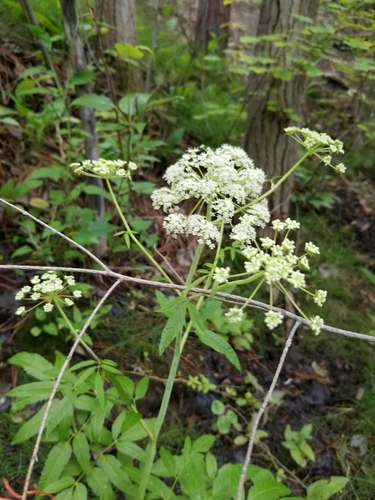
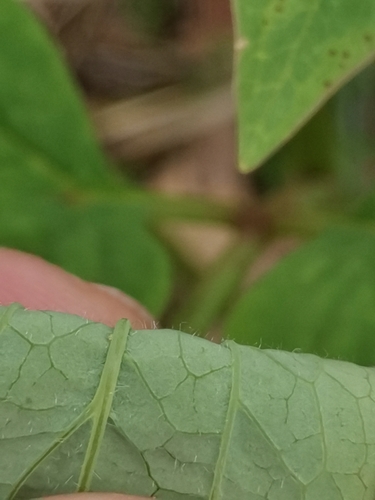
Cicuta maculata
Cicuta maculata is a highly dangerous perennial plant containing cicutoxin, which acts as a potent neurotoxin. It is considered one of the most poisonous plants in North America and should be strictly avoided in any environment accessible to pets.
Safety status
Cats & Dogs
Potentially toxicConsulted references classify the plant as toxic or irritating for that pet type.
Verified against ASPCA/provenance audit 2026-05-06 on May 6, 2026.
Sources
If a pet has chewed or swallowed plant material and is showing symptoms, contact a veterinarian or poison resource immediately. This product is for structured reference, not diagnosis.
Cats — concern notes
Common signs
Excessive salivation, muscle twitching, seizures, respiratory distress, and potential cardiac arrest.
Escalation note
This plant is extremely lethal; ingestion of even a small amount can cause rapid onset of severe neurological symptoms. Seek emergency veterinary care immediately if ingestion is suspected.
Dogs — concern notes
Common signs
Vomiting, tremors, violent seizures, loss of coordination, and respiratory failure.
Escalation note
The toxins in this plant are fast-acting and life-threatening. Immediate veterinary intervention is required as there is no specific antidote for cicutoxin poisoning.
Safer alternatives
No hand-picked alternatives for this plant yet. You can still pick your own using the Compare button on any other plant.
ASPCA Toxic Plant List
toxicology · 99% reliability
Water Hemlock (Cicuta maculata) is listed as toxic to both cats and dogs due to the presence of cicutoxin.
NC State Extension Plant Toolbox
botanical · 94% reliability
Cicuta maculata is a highly toxic native perennial that can be fatal to humans and animals if ingested.
Yes, Spotted Water Hemlock (Cicuta maculata) is extremely toxic to cats. It contains cicutoxin, a potent neurotoxin, and is considered one of the most poisonous plants in North America — even a small amount can be lethal.
Symptoms include excessive salivation, drooling, agitation, muscle twitching, tremors, seizures, severe abdominal pain, dilated pupils, respiratory distress, and paralysis. Clinical signs can begin shortly after ingestion, and severe poisoning is often fatal.
Call ASPCA Animal Poison Control at (888) 426-4435 or Pet Poison Helpline at (855) 764-7661 immediately and transport your cat to the nearest emergency veterinarian — do not wait for symptoms to appear. Do not attempt to induce vomiting at home; hydrogen peroxide is never safe for cats and can cause stomach bleeding.
There is no antidote for cicutoxin poisoning. Survival depends entirely on how quickly a cat receives emergency supportive care, which is why immediate veterinary treatment — before symptoms escalate — is critical.
Yes, Spotted Water Hemlock (Cicuta maculata) is highly toxic to dogs and considered one of the most poisonous plants in North America. It contains cicutoxin, a potent neurotoxin, and even a small amount can be life-threatening. There is no specific antidote, so any suspected ingestion is a veterinary emergency.
Signs include drooling, weakness, agitation, nervousness, muscle twitching, vomiting, diarrhea, extreme stomach pain, dilated pupils, fever, bloat, violent seizures, and loss of coordination. In severe cases, respiratory paralysis and death can occur. Symptoms can begin shortly after ingestion.
Call ASPCA Animal Poison Control at (888) 426-4435 or Pet Poison Helpline at (855) 764-7661 immediately and transport your dog to an emergency vet without delay. Do not attempt to induce vomiting at home without professional guidance — Pet Poison Helpline specifically warns that hydrogen peroxide is not always safe to administer. Survival depends on emergency supportive care given quickly.
No, there is no specific antidote for cicutoxin, the neurotoxin found in Spotted Water Hemlock. Treatment is emergency supportive care — managing seizures, maintaining respiratory function, and stabilizing the dog. Because the toxin is fast-acting and cases can be fatal, immediate veterinary intervention is critical even before symptoms appear.
Often compared with
Same safety verdict
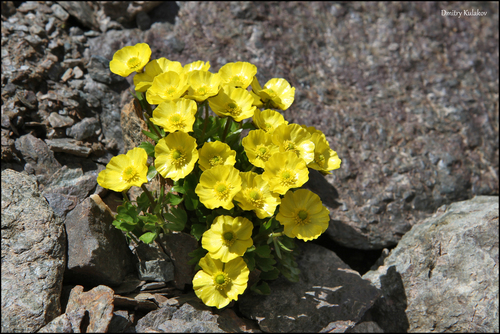
Buttercups are flowering plants known for their bright, cup-shaped blooms, but they contain compounds that can cause irritation if ingested. They are generally considered toxic to household pets due to the presence of protoanemonin.
Potentially toxic for cats & dogs.
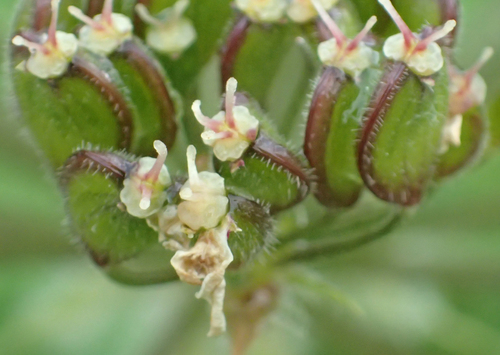
Cow parsnip is a large, herbaceous perennial member of the carrot family known for its tall stature and umbrella-like flower clusters. It contains furanocoumarins that can cause significant skin and mucosal irritation upon contact.
Potentially toxic for cats & dogs.
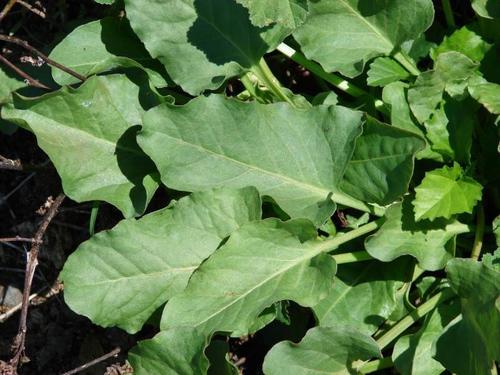
Dock is a genus of perennial herbs often found in fields and gardens that contains soluble calcium oxalates. Ingestion of any part of the plant can cause irritation to the mouth and digestive tract.
Potentially toxic for cats & dogs.
The peony is a popular garden perennial known for its large, showy blooms. While prized for its beauty, all parts of the plant contain paeonol, which can cause gastrointestinal distress if ingested by pets.
Potentially toxic for cats & dogs.