Cats & Dogs
Potentially toxicConsulted references classify the plant as toxic or irritating for that pet type.
Verified against ASPCA/provenance audit 2026-05-06 on May 6, 2026.
Sources
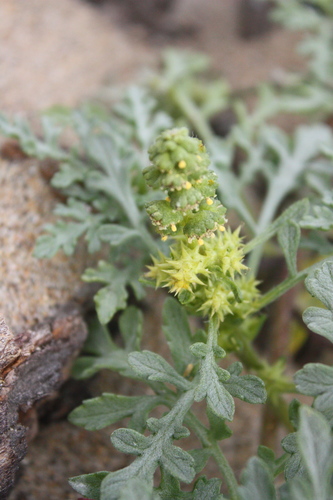
Ambrosia mexicana
Feather Geranium is an herbaceous plant known for its aromatic, fern-like foliage. It is considered toxic to pets if ingested and should be kept out of reach of cats and dogs.
Safety status
Cats & Dogs
Potentially toxicConsulted references classify the plant as toxic or irritating for that pet type.
Verified against ASPCA/provenance audit 2026-05-06 on May 6, 2026.
Sources
If a pet has chewed or swallowed plant material and is showing symptoms, contact a veterinarian or poison resource immediately. This product is for structured reference, not diagnosis.
Cats — concern notes
Common signs
Oral irritation, excessive drooling, vomiting, and potential gastrointestinal distress.
Escalation note
Ingestion may cause discomfort; please contact your veterinarian or a pet poison control center immediately if you suspect your cat has consumed any part of this plant.
Dogs — concern notes
Common signs
Vomiting, diarrhea, lethargy, and irritation of the mouth or throat.
Escalation note
While symptoms are often mild, individual reactions can vary; consult a veterinarian if your dog exhibits signs of illness after contact with the plant.
Safer alternatives
No hand-picked alternatives for this plant yet. You can still pick your own using the Compare button on any other plant.
ASPCA Toxic Plant List
toxicology · 99% reliability
Feather Geranium is listed as toxic to both cats and dogs by the ASPCA.
Plants of the World Online (Kew)
botanical · 95% reliability
Accepted scientific name and taxonomic classification for Ambrosia mexicana.
Yes, feather geranium (Ambrosia mexicana) is considered toxic to cats. Ingestion can cause oral irritation, excessive drooling, vomiting, and gastrointestinal distress, so it should be kept out of reach.
According to the ASPCA, cats that eat feather geranium may show vomiting, anorexia (refusal to eat), and depression. Drooling and oral irritation can appear quickly as the cat chews the leaves.
Call your vet or the ASPCA Animal Poison Control Center at (888) 426-4435 right away, especially if your cat eats more than a small mouthful, vomits more than once or twice, refuses food for more than a few hours, or seems unusually withdrawn.
Oral irritation and drooling can begin as soon as the cat chews the leaves, but onset and recovery times for feather geranium ingestion in cats are not well documented. Monitor closely and contact your vet if symptoms persist or worsen.
Yes, Feather Geranium (Ambrosia mexicana) is considered toxic to dogs if ingested. The ASPCA lists it as a potentially toxic plant, and dogs that eat it may experience vomiting, diarrhea, lethargy, and irritation of the mouth or throat.
Signs to watch for include vomiting, diarrhea, refusal to eat, lethargy, drooling, and oral discomfort while chewing. Symptoms are often mild, but individual reactions can vary.
Remove your dog from the plant and rinse their mouth with water if they show oral irritation. Call ASPCA Animal Poison Control at (888) 426-4435 or your veterinarian if your dog has eaten a noticeable quantity, is vomiting repeatedly, refuses to eat for more than a few hours, or seems lethargic.
Onset and recovery times for Feather Geranium ingestion in dogs are not well documented. Monitor your dog closely after any known exposure and contact your vet if symptoms appear or worsen.
Often compared with
Same safety verdict
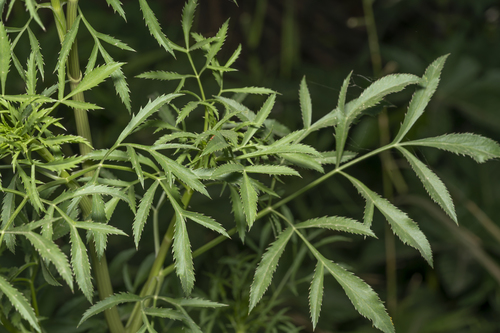
Bishop's Weed is an annual herb often grown for its delicate, lace-like white flower clusters. It contains furanocoumarins which can cause skin irritation and systemic issues if ingested.
Potentially toxic for cats & dogs.
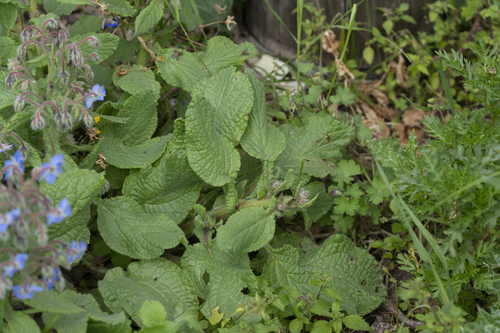
Borage is a flowering herb known for its star-shaped blue flowers and hairy foliage. While often used in culinary applications for humans, it contains pyrrolizidine alkaloids that can be harmful to pets if ingested.
Potentially toxic for cats & dogs.
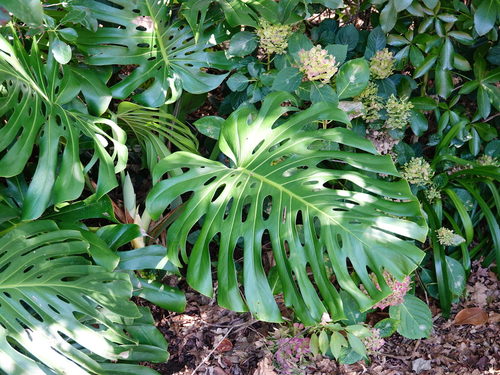
Monstera deliciosa is a popular tropical houseplant known for its large, fenestrated leaves and vining growth habit. It contains insoluble calcium oxalate crystals that can cause irritation if ingested by pets.
Potentially toxic for cats & dogs.
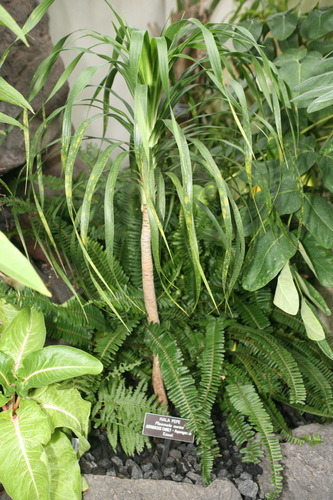
Dracaena trifasciata is a popular, hardy houseplant known for its stiff, sword-like leaves with striking yellow margins. It is widely appreciated for its air-purifying qualities and ability to thrive in various indoor conditions.
Potentially toxic for cats & dogs.
Same growing conditions
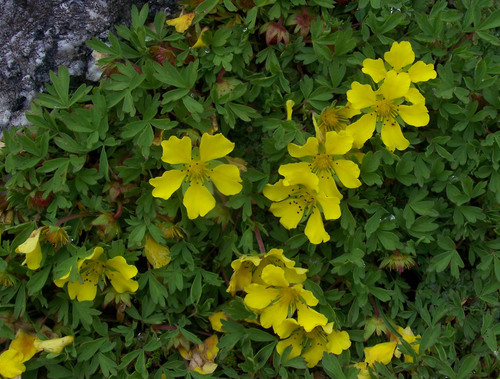
Cinquefoil is a diverse genus of flowering plants in the rose family, commonly found in gardens and wild meadows. While generally considered safe for pets, it is not intended for consumption.
Generally safe for cats & dogs.
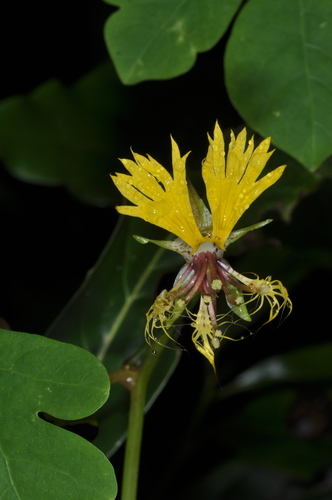
Nasturtium is a popular, fast-growing annual known for its edible, peppery-flavored flowers and rounded leaves. It is widely considered safe for household pets, though large ingestions of fibrous plant material may occasionally cause mild digestive upset.
Generally safe for cats & dogs.
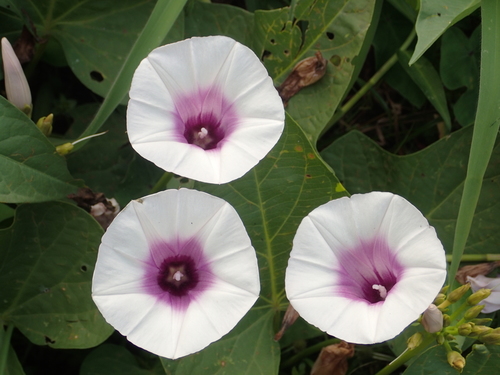
Sweet Potato Vine is a popular ornamental foliage plant known for its vibrant, trailing leaves. While generally considered safe for pets, it is best to prevent them from grazing on the foliage to avoid minor digestive discomfort.
Potentially toxic for cats & dogs.
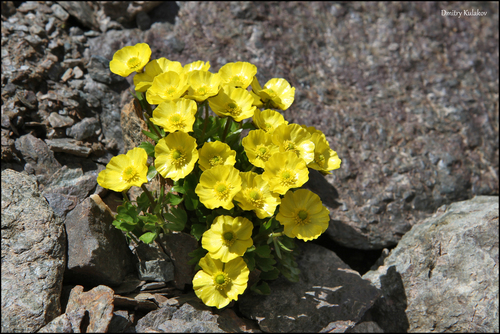
Buttercups are flowering plants known for their bright, cup-shaped blooms, but they contain compounds that can cause irritation if ingested. They are generally considered toxic to household pets due to the presence of protoanemonin.
Potentially toxic for cats & dogs.