Indoor plants safe for cats
Indoor plants classified as generally safe for cats, cross-referenced with the ASPCA plant registry.
Cat-Safe Houseplants: Non-Toxic Plants Vetted by ASPCA
Every plant on this page is classified as generally safe for cats based on the ASPCA's Toxic and Non-Toxic Plants registry, the standard reference for U.S. veterinary toxicology. Cats are obligate carnivores and rarely eat large quantities of greenery, but a curious nibble on the wrong plant can mean a vet visit — so we restrict this list to species with no known toxic principles documented by ASPCA.
Even non-toxic plants can cause mild GI upset if a cat eats a lot of leaves. This list is a starting point for picking houseplants you can keep without constant worry, not a substitute for veterinary advice. If your pet has chewed or swallowed any plant, call the ASPCA Animal Poison Control Center at (888) 426-4435 — a $95 consultation fee may apply but the line is staffed 24/7.
238 plants
A
Bixa orellana, commonly known as Achiote or Lipstick Tree, is a tropical shrub or small tree widely cultivated for its seeds, which produce the natural pigment annatto. While generally considered non-toxic, ingestion of plant material by pets should be monitored for gastrointestinal upset.
Generally safe for cats & dogs.
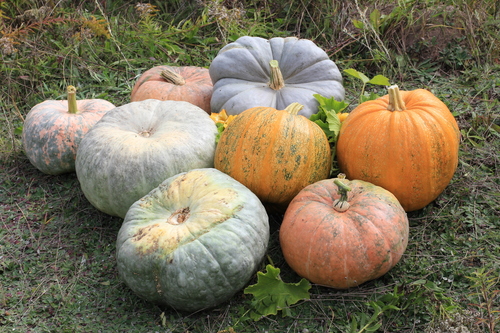
Acorn squash is a popular edible winter squash known for its ribbed, dark green skin and sweet, yellow-orange flesh. It is widely cultivated for culinary use and is considered safe for household pets.
Generally safe for cats & dogs.
Aechmea magdalenae is a species of bromeliad known for its large, spiny leaves and striking inflorescence. While many bromeliads are considered non-toxic, the physical structure of this plant poses mechanical injury risks to pets.
Generally safe for cats & dogs.
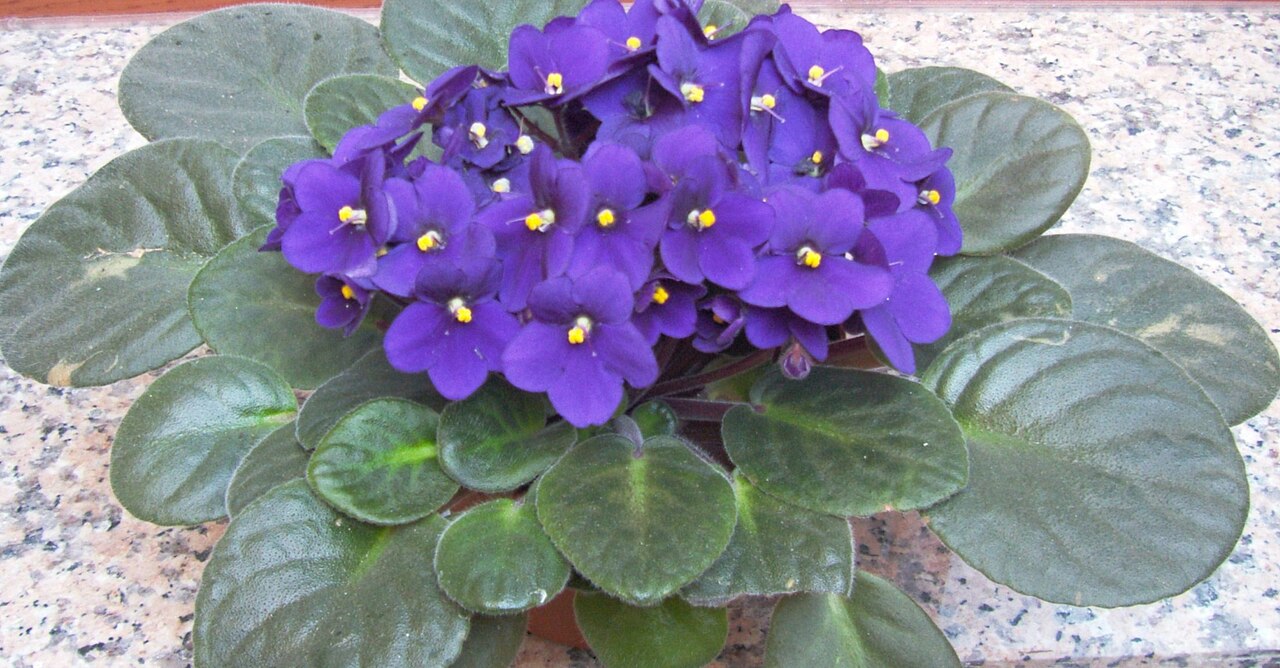
African Violets are popular, low-growing flowering houseplants known for their fuzzy leaves and vibrant blooms. They are considered non-toxic to both cats and dogs.
Generally safe for cats & dogs.
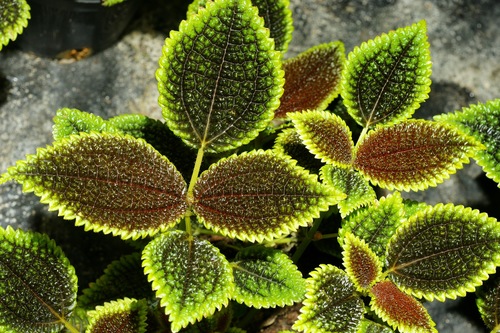
The Aluminum Plant is a popular indoor foliage plant known for its striking silver-patterned leaves and compact growth habit. It is considered safe for households with pets, though large ingestions of plant material may occasionally cause minor digestive discomfort.
Generally safe for cats & dogs.
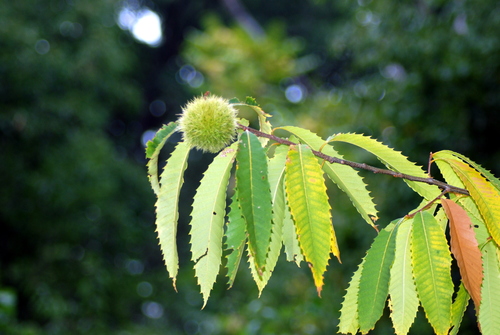
The American Chestnut is a deciduous tree known for its historical significance and edible nuts. It is considered non-toxic to pets, though ingestion of large amounts of fibrous plant material may cause minor digestive discomfort.
Generally safe for cats & dogs.
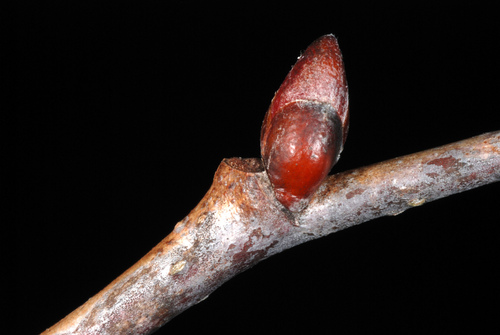
The American Linden is a large, deciduous shade tree known for its fragrant flowers and heart-shaped leaves. It is considered safe for pets, though ingestion of large amounts of plant material may cause minor digestive discomfort.
Generally safe for cats & dogs.
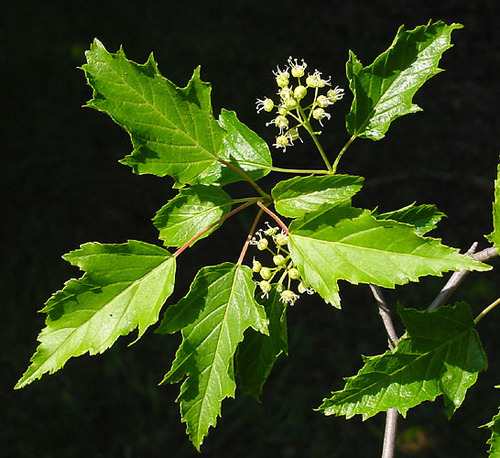
The Amur Maple is a hardy, deciduous shrub or small tree known for its vibrant autumn foliage and fragrant spring flowers. It is considered non-toxic to pets, though ingestion of large amounts of fibrous plant material may occasionally cause mild digestive discomfort.
Generally safe for cats & dogs.
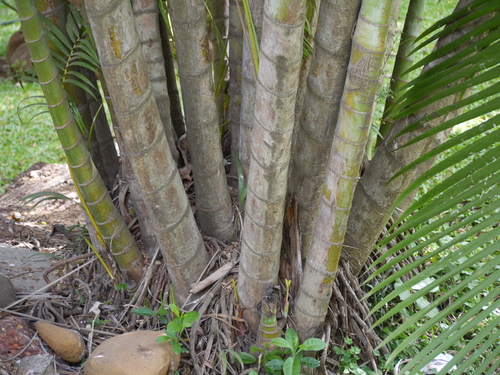
The Areca Palm is a popular indoor palm known for its feathery, arching fronds and air-purifying qualities. It is considered safe for households with pets, though its fibrous nature may cause minor digestive discomfort if ingested in large quantities.
Generally safe for cats & dogs.
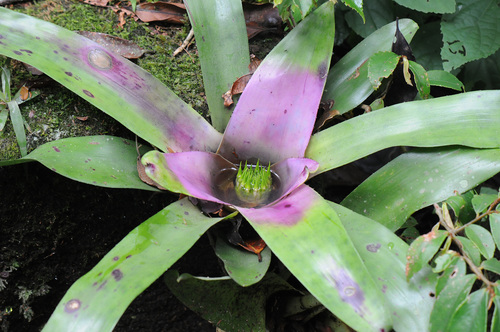
Neoregelia are popular bromeliads known for their vibrant, colorful foliage and water-holding central cups. They are generally considered safe for households with pets, though their fibrous leaves may cause minor digestive irritation if consumed in large quantities.
Generally safe for cats & dogs.
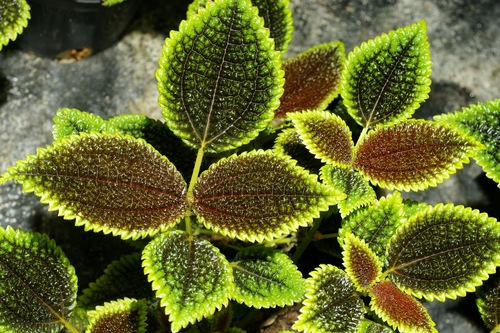
The Artillery Plant is a small, fern-like succulent known for its tiny leaves and unique habit of releasing pollen in small puffs. It is generally considered safe for households with pets.
Generally safe for cats & dogs.
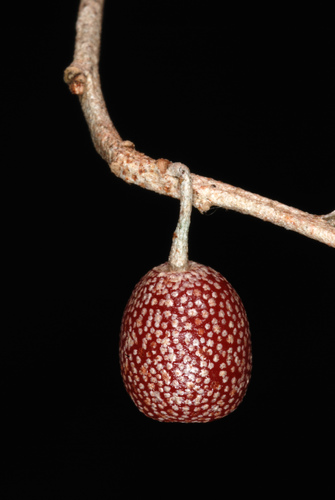
Autumn Olive is a hardy, deciduous shrub known for its silvery foliage and edible berries. It is considered non-toxic to pets, though large ingestions of fibrous plant material may occasionally cause minor digestive discomfort.
Generally safe for cats & dogs.
B
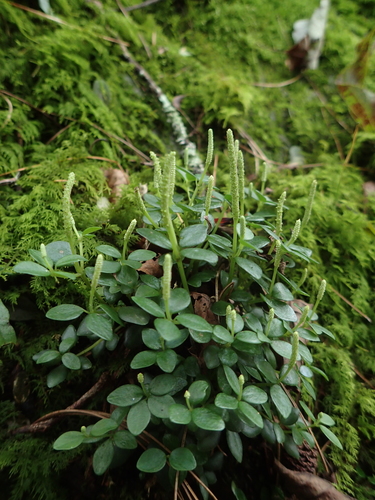
The American Rubber Plant is a popular, low-maintenance houseplant known for its thick, succulent-like leaves. It is considered non-toxic to pets, though ingestion of large amounts of plant material may cause minor digestive discomfort.
Generally safe for cats & dogs.
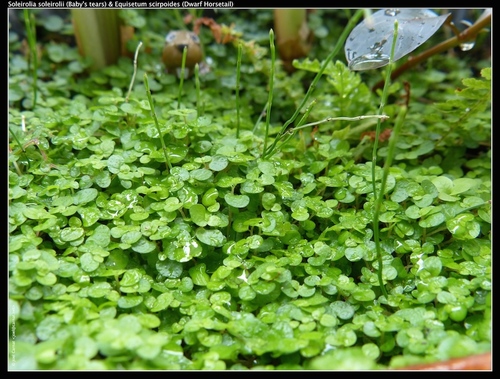
Baby Tears is a delicate, creeping groundcover often grown in terrariums or as a houseplant for its dense, moss-like appearance. It is considered non-toxic to pets, though ingestion of large amounts of plant material may cause minor digestive upset.
Generally safe for cats & dogs.
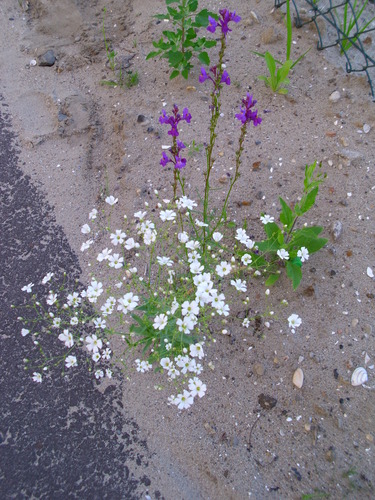
Baby's Breath is a popular ornamental plant known for its delicate, cloud-like clusters of small white or pink flowers. While generally considered safe, it is best kept out of reach to prevent accidental ingestion of fibrous plant material.
Generally safe for cats & dogs.
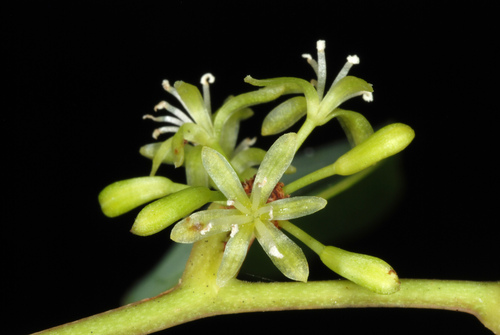
Smilax laurifolia is a woody, climbing vine known for its tough, leathery leaves and thorny stems. While generally considered safe for pets, its fibrous nature can occasionally cause minor digestive discomfort if consumed in large quantities.
Generally safe for cats & dogs.
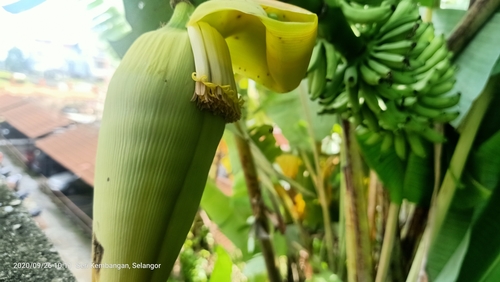
The banana plant is a popular tropical houseplant known for its large, paddle-shaped leaves and rapid growth. It is considered non-toxic to pets, though its fibrous nature may cause mild digestive discomfort if consumed in large quantities.
Generally safe for cats & dogs.
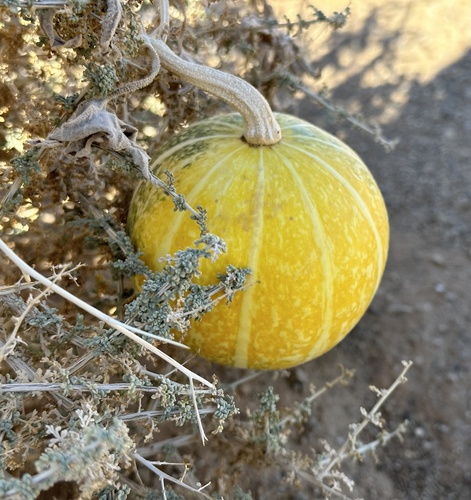
Banana squash is a large, edible winter squash variety known for its elongated shape and sweet, dense flesh. It is considered safe for household pets, though large ingestions of raw plant material may cause minor digestive discomfort.
Generally safe for cats & dogs.
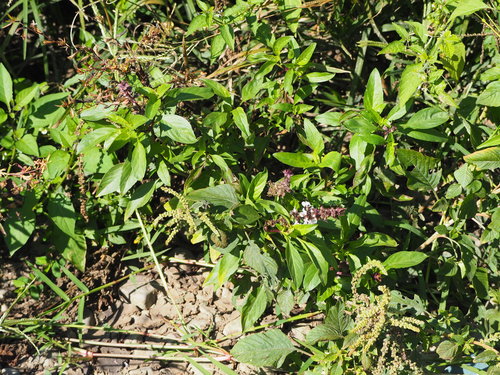
Basil is a popular culinary herb known for its aromatic leaves and ease of growth in sunny indoor or outdoor environments. It is considered safe for pets, though large ingestions of fibrous plant material may occasionally cause minor digestive discomfort.
Generally safe for cats & dogs.
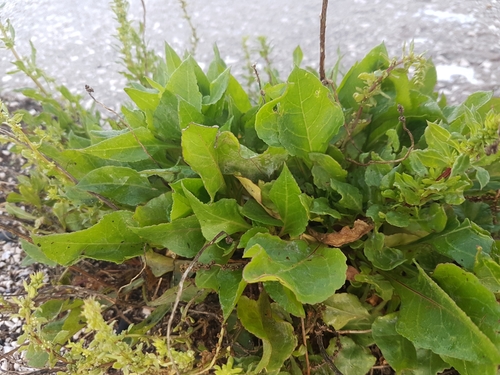
Beta vulgaris is a widely cultivated vegetable known for its edible taproot and leafy greens. It is considered safe for household pets, though large ingestions of fibrous plant material may occasionally cause minor digestive discomfort.
Generally safe for cats & dogs.
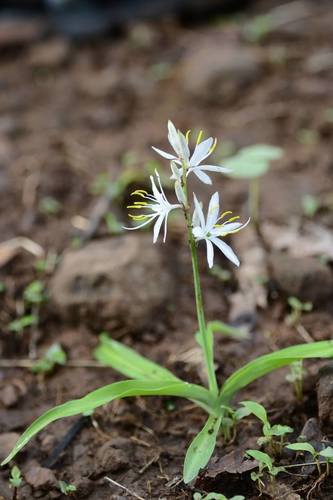
Bichetii Grass is a popular, low-maintenance houseplant known for its arching, variegated foliage that resembles a miniature spider plant. It is widely considered safe for households with pets, though large ingestions of fibrous plant material may cause minor digestive discomfort.
Generally safe for cats & dogs.
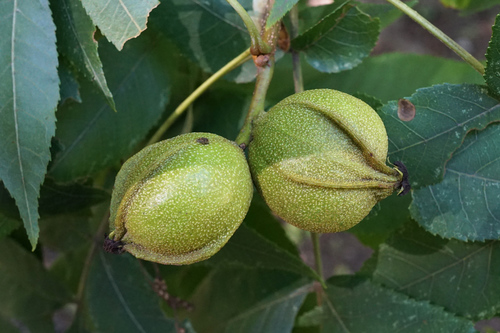
The Bitternut Hickory is a deciduous tree known for its distinctively bitter nuts and compound leaves. While generally considered safe for pets, the fibrous nature of the plant material can occasionally cause mild digestive discomfort if consumed in large quantities.
Generally safe for cats & dogs.
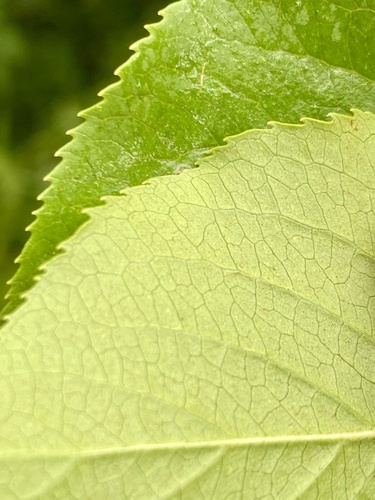
Black Haw is a deciduous shrub or small tree known for its clusters of white flowers and dark, edible berries. It is widely considered safe for household pets, though its fibrous nature may cause minor digestive discomfort if consumed in large quantities.
Generally safe for cats & dogs.
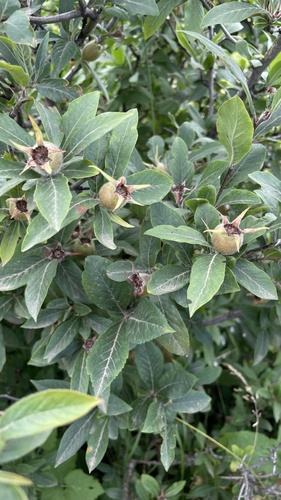
Crataegus douglasii is a deciduous shrub or small tree known for its dark, edible berries and thorny branches. It is generally considered safe for household pets, though its physical structure requires caution.
Generally safe for cats & dogs.
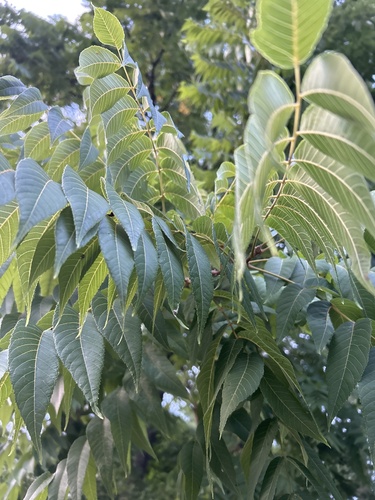
The Black Walnut is a large deciduous tree native to North America, widely recognized for its edible nuts and distinctively dark, hard wood. While generally considered safe for cats, the plant material and nuts can pose specific health risks to dogs.
Generally safe for cats.
Potentially toxic for dogs.
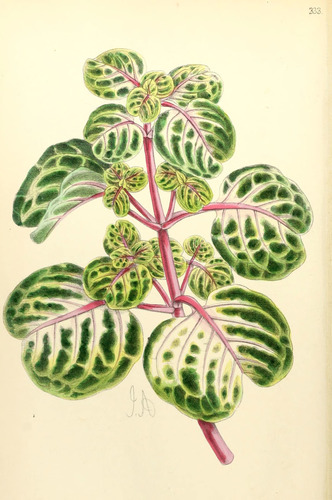
Bloodleaf is a vibrant ornamental plant known for its striking deep red or purple foliage. While it is considered non-toxic, ingestion of large amounts of plant material may cause mild digestive discomfort.
Generally safe for cats & dogs.
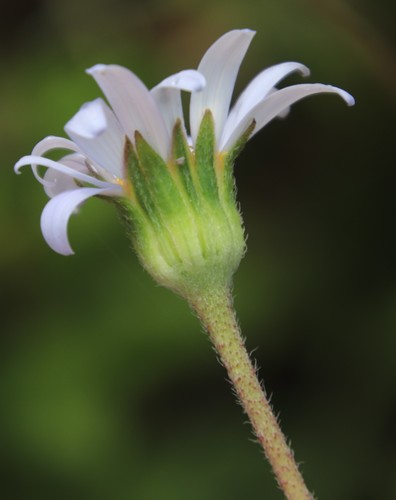
Felicia amelloides is a charming, daisy-like flowering plant often grown as an annual or tender perennial. It is considered non-toxic to pets, though ingestion of large amounts of plant material may cause minor digestive discomfort.
Generally safe for cats & dogs.
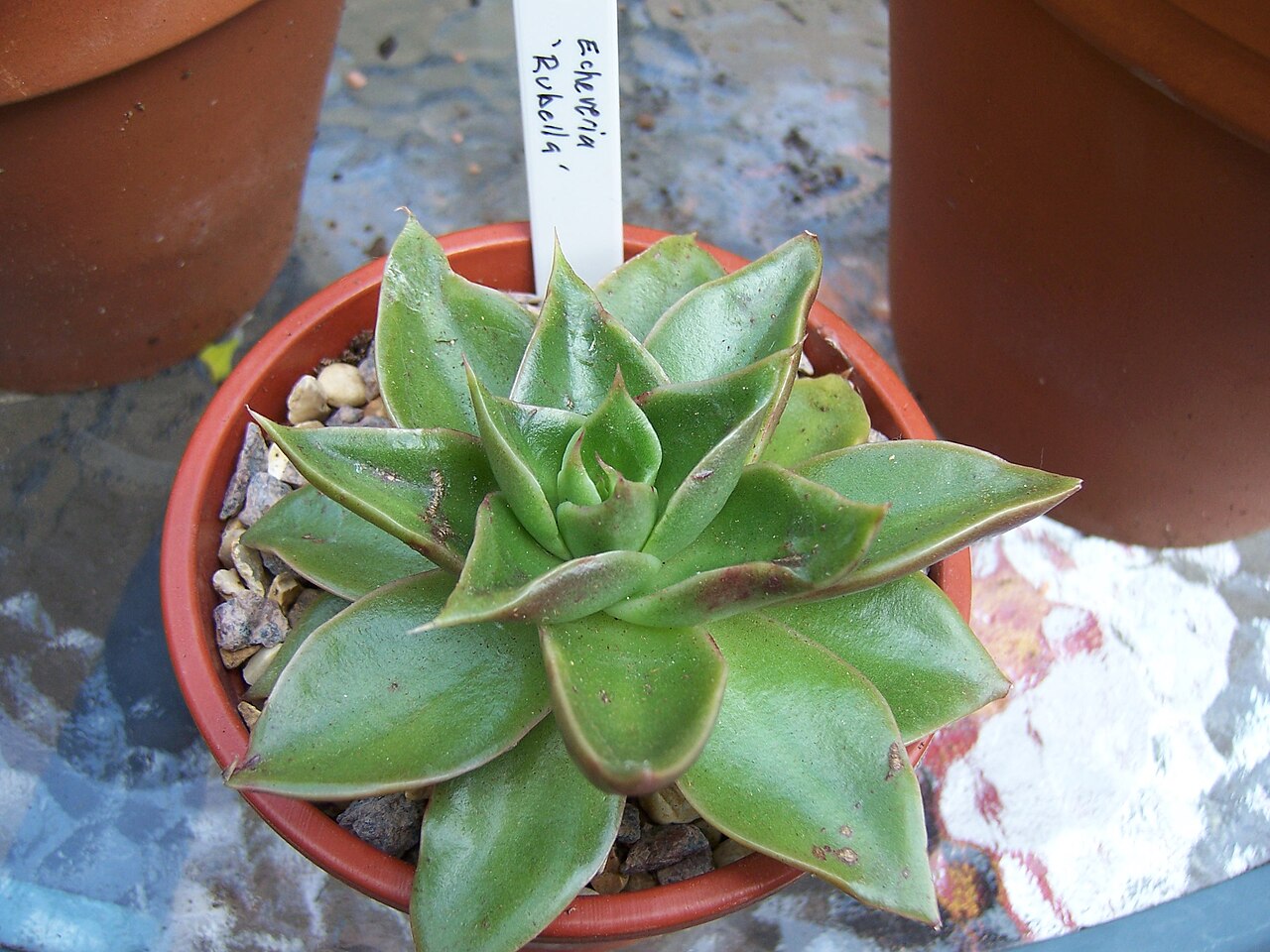
Echeveria glauca is a popular succulent known for its rosette-forming, powdery blue-green leaves. It is widely considered safe for households with pets, though its fibrous texture may cause minor digestive discomfort if consumed in large quantities.
Generally safe for cats & dogs.
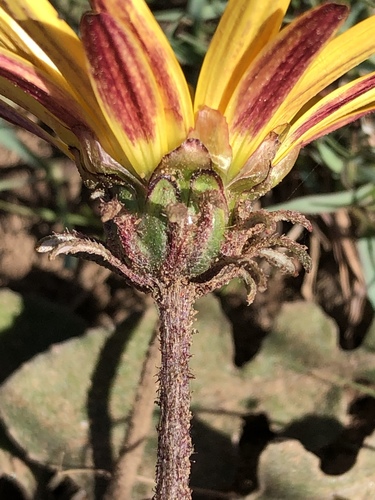
Arctotis stoechadifolia is a flowering perennial known for its silver-green foliage and daisy-like blooms. It is considered safe for household pets, though ingestion of large amounts of plant material may cause minor digestive discomfort.
Generally safe for cats & dogs.
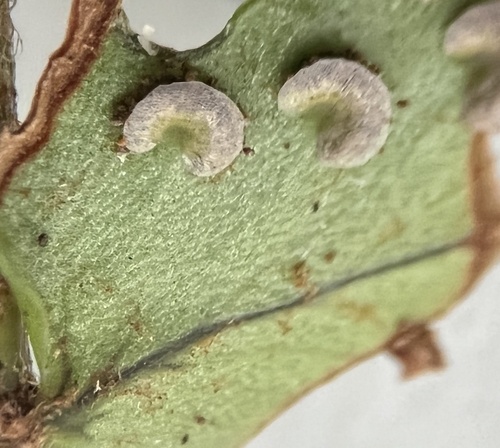
The Boston Fern is a popular, lush houseplant known for its arching fronds and preference for high humidity. It is considered non-toxic to pets, though its fibrous nature may cause minor digestive upset if consumed in large quantities.
Generally safe for cats & dogs.
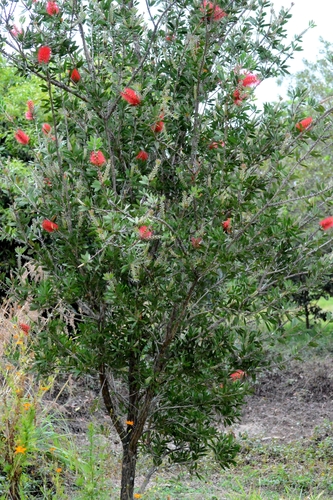
Bottlebrush is a popular evergreen shrub known for its unique, spike-like flowers that resemble a cleaning brush. It is generally considered safe for pets, though its fibrous nature may cause mild digestive discomfort if consumed in large quantities.
Generally safe for cats & dogs.
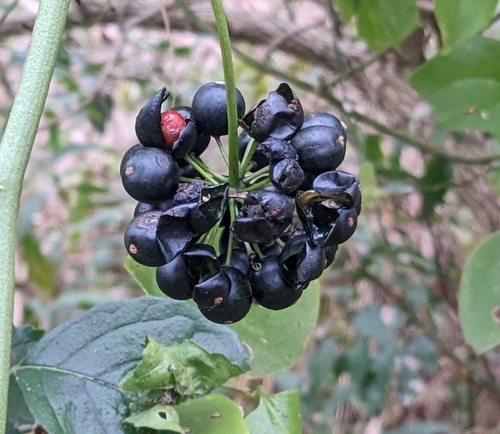
Bristly Greenbrier is a woody, climbing vine native to North America, often found in thickets and woodlands. It is considered non-toxic to pets, though its fibrous nature may cause minor digestive discomfort if consumed in large quantities.
Generally safe for cats & dogs.
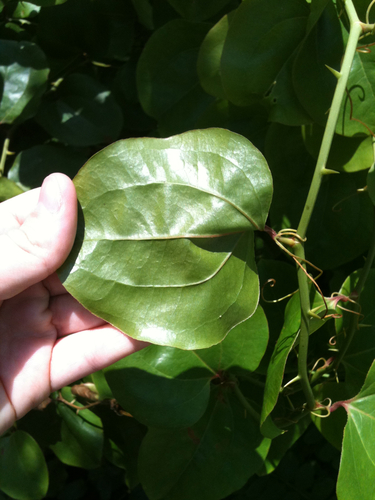
Bullbrier is a hardy, woody vine native to North America, often recognized by its prickly stems and rounded leaves. It is considered non-toxic to pets, though its fibrous nature may cause minor digestive discomfort if consumed in large quantities.
Generally safe for cats & dogs.
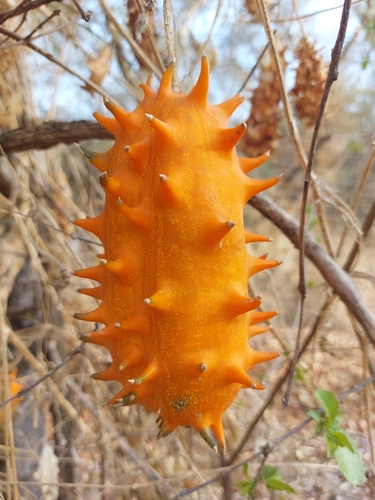
Bur Gourd is a vining plant in the cucumber family known for its small, spiky, edible fruits. It is generally considered safe for household pets, though its fibrous nature may cause minor digestive discomfort if consumed in large quantities.
Generally safe for cats & dogs.
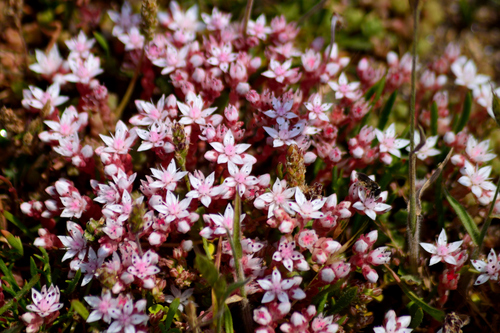
Burro's Tail is a popular trailing succulent known for its dense, fleshy, blue-green leaves that resemble braided tails. It is considered non-toxic to pets, though its fibrous nature may cause minor digestive discomfort if consumed in large quantities.
Generally safe for cats & dogs.
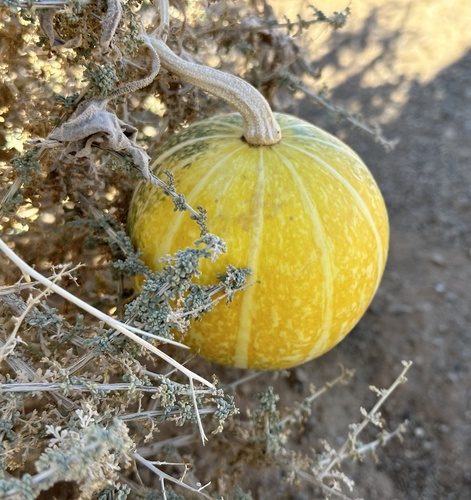
Buttercup squash is a popular winter squash variety known for its sweet, nutty flavor and dense, orange flesh. It is considered safe for pets, though large ingestions of raw plant material may cause minor digestive discomfort.
Generally safe for cats & dogs.
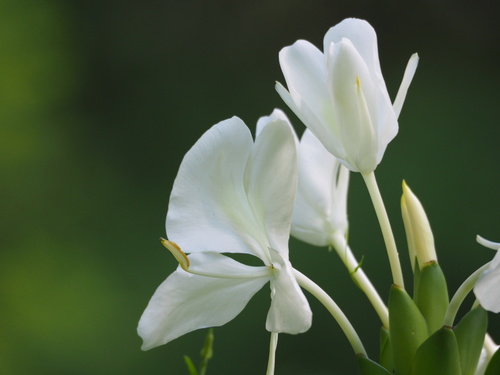
Butterfly Ginger is a fragrant, rhizomatous perennial known for its showy, orchid-like white flowers. It is considered non-toxic to pets, though its fibrous nature may cause minor digestive discomfort if consumed in large quantities.
Generally safe for cats & dogs.
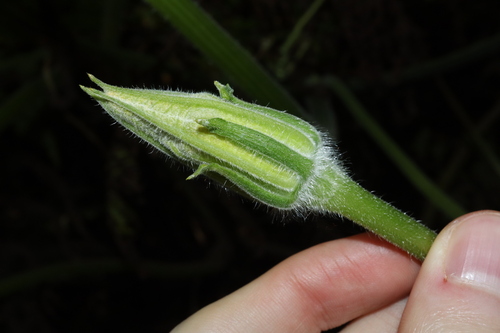
Butternut squash is a popular edible winter squash that is considered safe for pets to consume in moderation. While non-toxic, large quantities of raw or fibrous material may cause mild digestive discomfort.
Generally safe for cats & dogs.
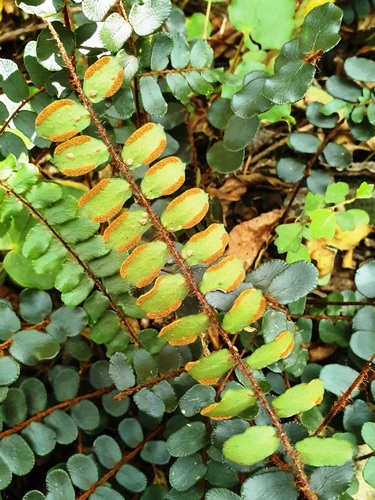
The Button Fern is a charming, compact fern known for its small, round, dark green leaflets arranged along wiry stems. It thrives in humid, shaded environments and is a popular choice for terrariums and indoor containers.
Generally safe for cats & dogs.
C

Calathea are popular tropical houseplants known for their striking, patterned foliage and rhythmic leaf movement. They are considered safe for households with pets, though ingestion of large amounts of fibrous plant material may cause minor digestive discomfort.
Generally safe for cats & dogs.
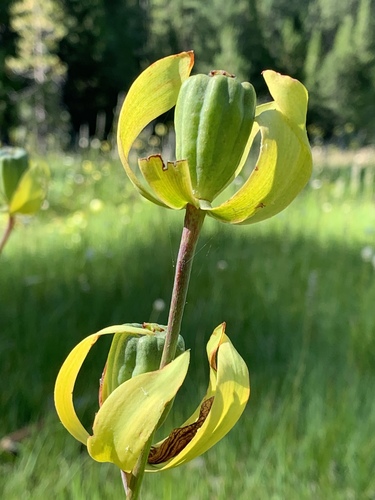
The California Pitcher Plant is a unique carnivorous species native to boggy areas of Northern California and Oregon. It is considered non-toxic to household pets, though its fibrous structure may cause minor digestive discomfort if consumed in large quantities.
Generally safe for cats & dogs.
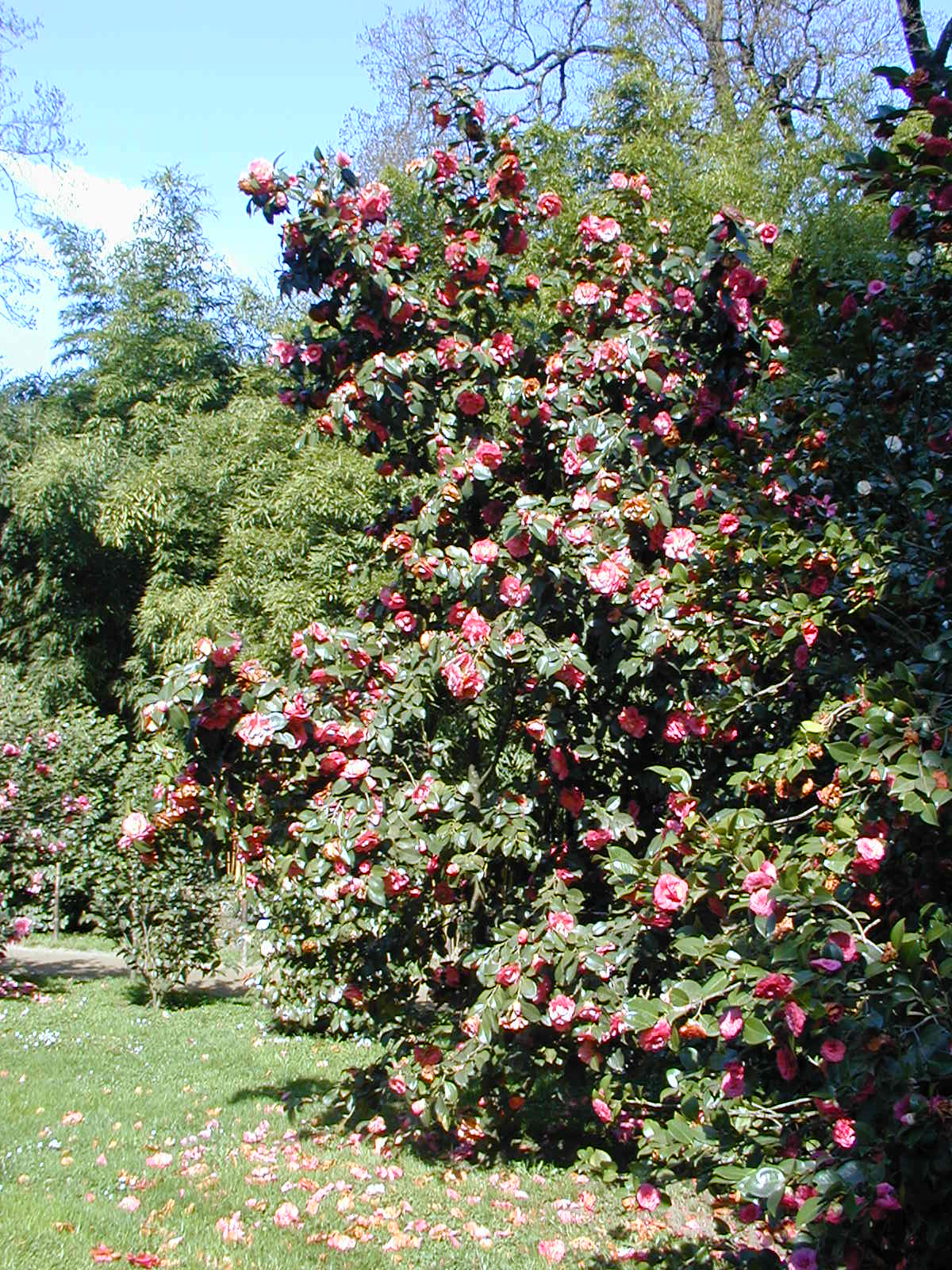
Camellia is a popular evergreen shrub known for its glossy, dark green leaves and showy, rose-like flowers. It is considered non-toxic to pets, though ingestion of large amounts of fibrous plant material may cause minor digestive discomfort.
Generally safe for cats & dogs.
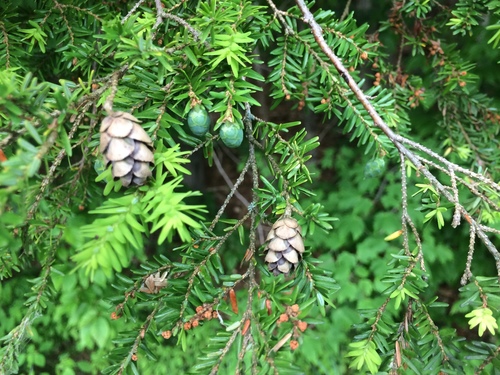
Canada Hemlock is a popular evergreen conifer known for its graceful, feathery foliage and adaptability in landscape settings. It is considered non-toxic to pets, though its fibrous nature may cause minor digestive discomfort if consumed in large quantities.
Generally safe for cats & dogs.
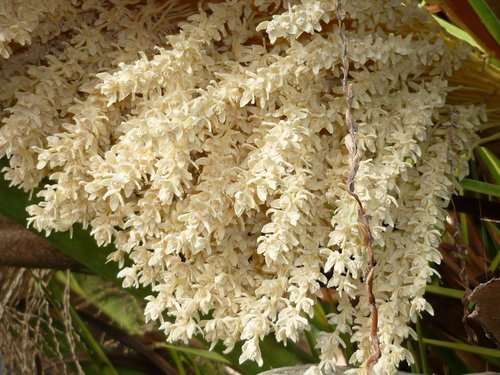
The Canary Date Palm is a popular ornamental palm known for its massive, feathery fronds and sturdy trunk. While it is considered non-toxic to pets, its fibrous foliage can cause mechanical irritation if ingested in large quantities.
Generally safe for cats & dogs.

The Candle Plant is a popular trailing ornamental known for its variegated, fuzzy foliage and aromatic leaves. It is considered non-toxic to pets, though ingestion of large amounts of plant material may cause minor digestive discomfort.
Generally safe for cats & dogs.
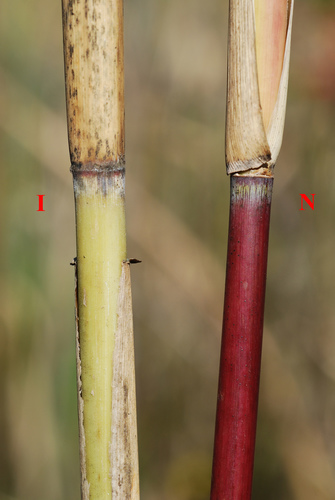
Canna Lily is a popular tropical perennial known for its vibrant, large flowers and bold foliage. It is considered safe for pets, though its fibrous nature may cause minor digestive discomfort if consumed in large quantities.
Generally safe for cats & dogs.
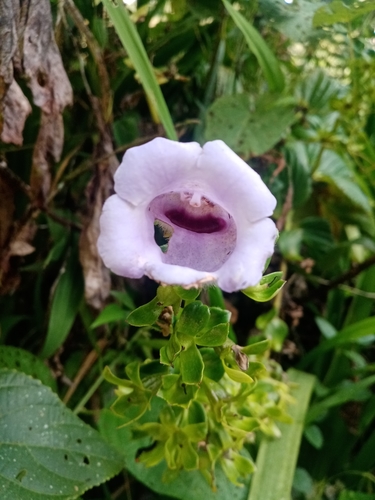
Canterbury-bell is a flowering perennial known for its bell-shaped blooms and is considered safe for households with pets. While non-toxic, ingestion of large amounts of plant material may cause minor digestive discomfort due to its fibrous nature.
Generally safe for cats & dogs.
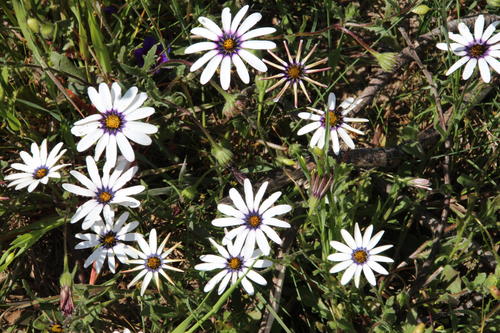
Cape Marigold is a cheerful, daisy-like annual known for its vibrant blooms that open in sunlight. It is considered safe for households with pets, though ingestion of large amounts of plant material may cause minor digestive discomfort.
Generally safe for cats & dogs.
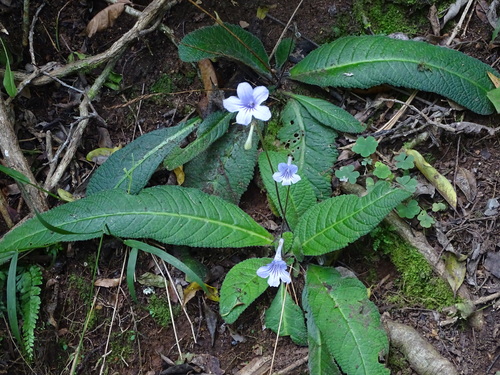
Cape Primrose is a popular flowering houseplant known for its trumpet-shaped blooms and fuzzy, textured foliage. It is considered non-toxic to pets, making it a safe choice for households with cats and dogs.
Generally safe for cats & dogs.
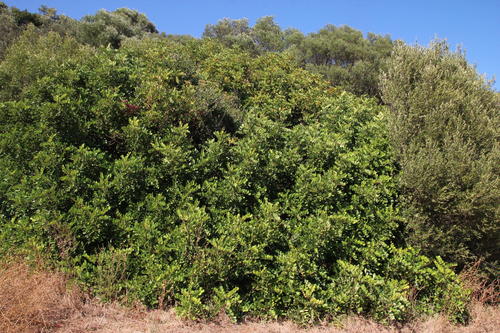
Carob is a Mediterranean evergreen tree known for its edible pods, which are commonly used as a chocolate substitute. It is considered safe for pets, though its fibrous nature may cause minor digestive discomfort if consumed in large quantities.
Generally safe for cats & dogs.

Caroba is a tropical flowering tree known for its fern-like foliage and clusters of trumpet-shaped purple flowers. It is considered safe for households with pets, though ingestion of large amounts of plant material may cause minor digestive discomfort.
Generally safe for cats & dogs.
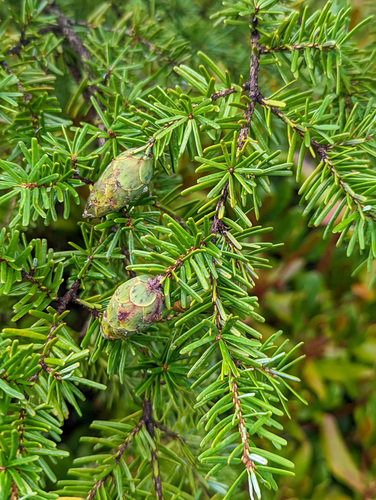
The Carolina Hemlock is a graceful, slow-growing evergreen conifer native to the Appalachian Mountains. It is widely considered safe for household pets, though its fibrous needles may cause minor digestive irritation if consumed in large quantities.
Generally safe for cats & dogs.

Stapelia hirsuta is a unique succulent known for its star-shaped, hairy flowers that emit a faint odor to attract pollinators. It is considered safe for households with pets, though its fibrous stems may cause minor digestive discomfort if consumed in large quantities.
Generally safe for cats & dogs.
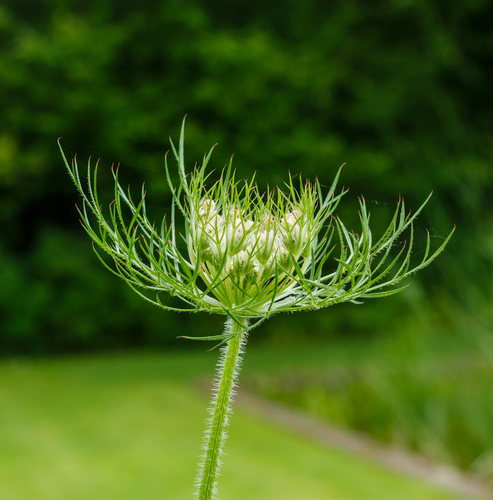
The carrot is a popular root vegetable often grown in home gardens, known for its edible taproot and feathery foliage. It is considered safe for pets, though large ingestions of fibrous plant material may occasionally cause minor digestive upset.
Generally safe for cats & dogs.
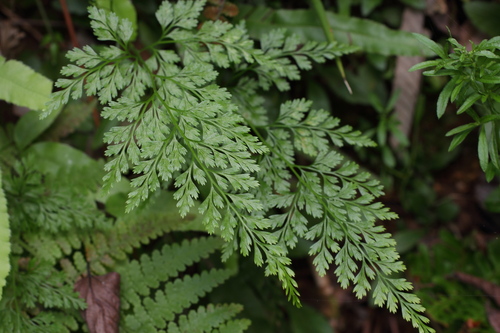
The Carrot Fern is a delicate, lacy-leaved fern known for its finely divided foliage that resembles carrot tops. It is considered non-toxic to household pets, making it a safe choice for indoor environments.
Generally safe for cats & dogs.
Casaba melon is a variety of muskmelon known for its sweet, pale flesh and thick, wrinkled rind. While the plant is considered non-toxic, ingestion of large amounts of fibrous plant material may cause minor digestive discomfort.
Generally safe for cats & dogs.
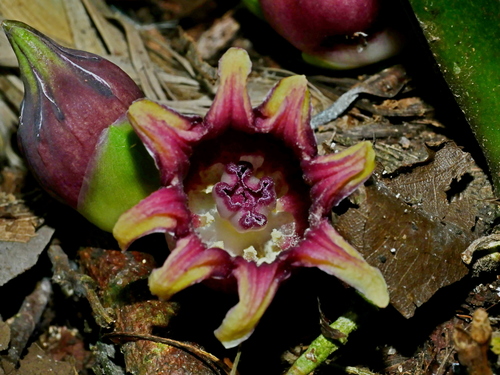
The Cast Iron Plant is a hardy, shade-tolerant houseplant known for its deep green, leathery foliage and ability to thrive in low-light conditions. It is widely considered a pet-safe choice for households with cats and dogs.
Generally safe for cats & dogs.
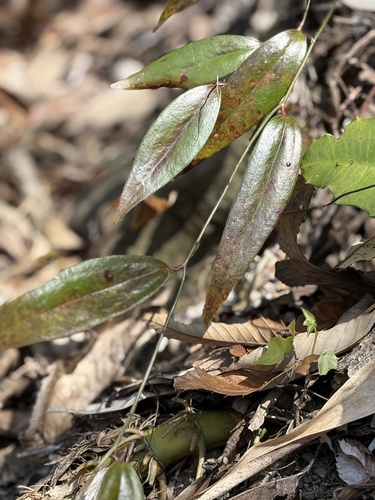
Cat Brier is a hardy, woody vine known for its tough stems and foliage. It is considered non-toxic to pets, though its fibrous nature may cause minor digestive discomfort if consumed in large quantities.
Generally safe for cats & dogs.
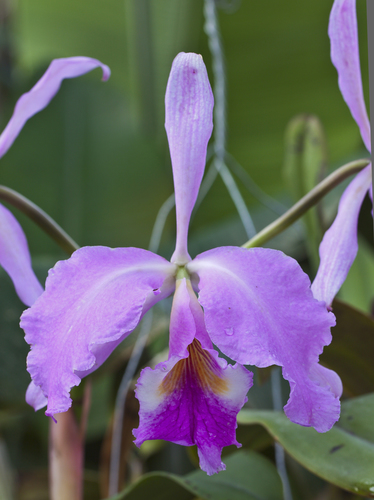
The Cattleya orchid is a popular, showy flowering plant known for its large, fragrant blooms and epiphytic growth habit. It is considered non-toxic to pets, though its fibrous nature may cause mild digestive discomfort if consumed in large quantities.
Generally safe for cats & dogs.
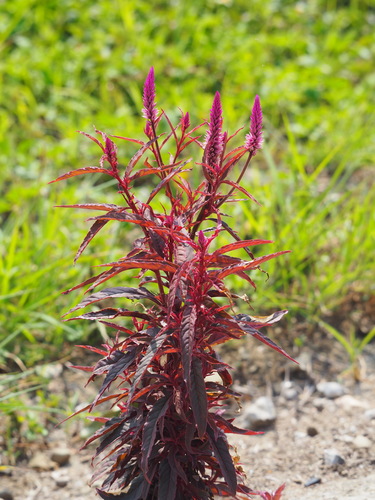
Celosia is a popular ornamental plant known for its vibrant, feathery, or plume-like flower spikes. It is widely considered safe for households with pets, though ingestion of large amounts of fibrous plant material may cause minor digestive discomfort.
Generally safe for cats & dogs.
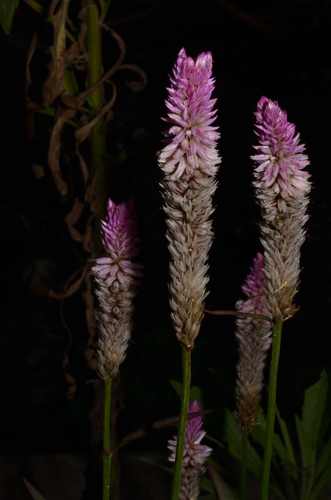
Celosia spicata is a popular ornamental plant known for its unique, wheat-like flower spikes. It is considered safe for households with pets, though ingestion of large amounts of fibrous plant material may cause minor digestive discomfort.
Generally safe for cats & dogs.

Ceratostigma is a hardy, low-growing perennial known for its vibrant blue flowers and attractive autumn foliage. It is generally considered safe for pets, though ingestion of large amounts of plant material may cause minor digestive discomfort.
Generally safe for cats & dogs.
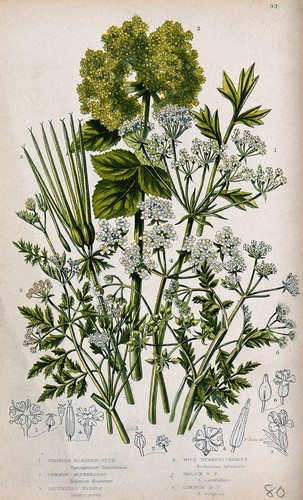
Chervil is a delicate, aromatic herb in the parsley family often used in culinary applications. It is considered safe for pets, though large ingestions of any fibrous plant material may cause minor digestive upset.
Generally safe for cats & dogs.
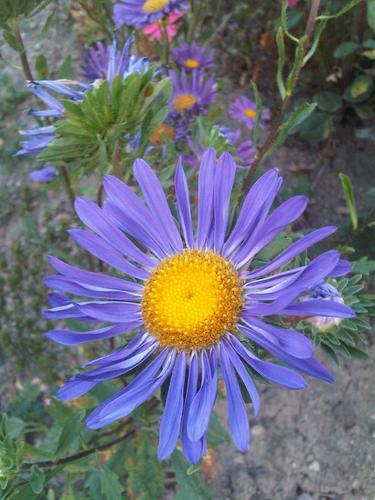
China Aster is a popular annual flowering plant known for its daisy-like blooms and vibrant colors. It is considered non-toxic to household pets, though ingestion of large amounts of plant material may cause minor digestive discomfort.
Generally safe for cats & dogs.

Chinese Plumbago is a hardy, flowering perennial shrub known for its vibrant blue flowers and bronze-tinted foliage. It is considered non-toxic to pets, though ingestion of large amounts of plant material may cause minor digestive discomfort.
Generally safe for cats & dogs.
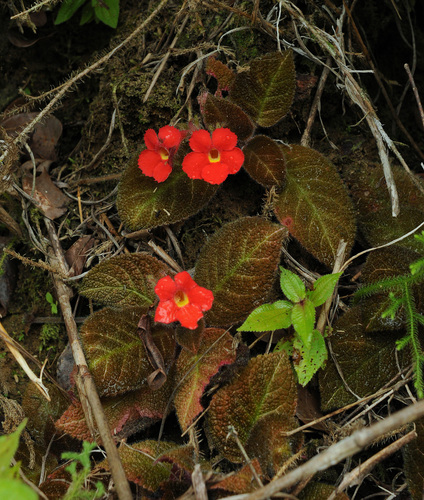
Chocolate Soldier is a popular trailing houseplant known for its fuzzy, patterned foliage and delicate, fringed flowers. It is considered safe for households with pets, though ingestion of large amounts of plant material may cause minor digestive discomfort.
Generally safe for cats & dogs.
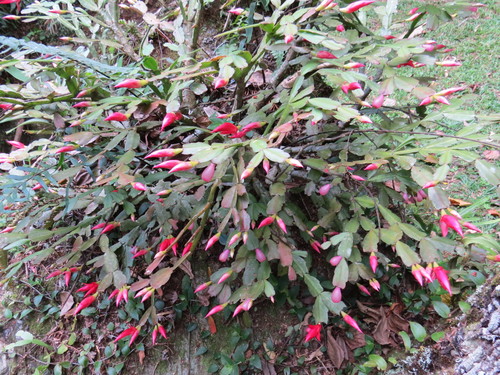
The Christmas Cactus is a popular, low-maintenance flowering succulent known for its segmented, arching stems and vibrant holiday blooms. It is considered non-toxic to pets, though its fibrous nature may cause minor digestive discomfort if consumed in large quantities.
Generally safe for cats & dogs.
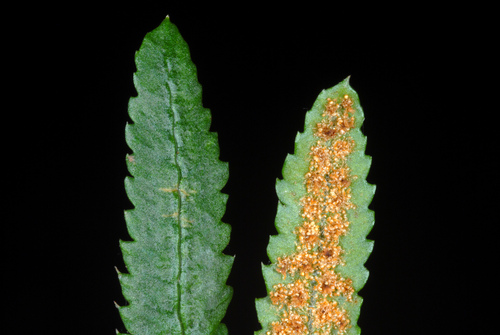
The Christmas Fern is a hardy, evergreen perennial native to North America, prized for its leathery, dark green fronds that remain vibrant throughout the winter months. It is considered safe for households with pets, though its fibrous texture may cause minor digestive discomfort if consumed in large quantities.
Generally safe for cats & dogs.

The Christmas Orchid is a popular epiphytic orchid known for its large, showy, and fragrant winter blooms. It is considered non-toxic to household pets, though its fibrous nature may cause minor digestive discomfort if consumed in large quantities.
Generally safe for cats & dogs.
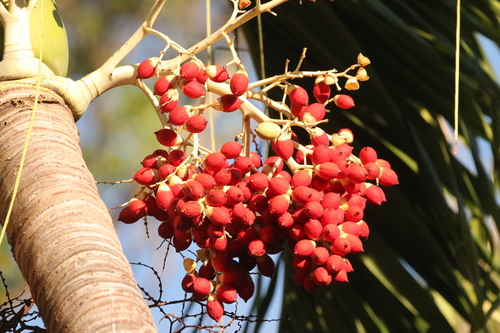
The Christmas Palm is a popular, slow-growing ornamental palm known for its bright red fruit clusters and elegant, arching fronds. It is considered safe for households with pets, though its fibrous nature may cause minor digestive discomfort if consumed in large quantities.
Generally safe for cats & dogs.
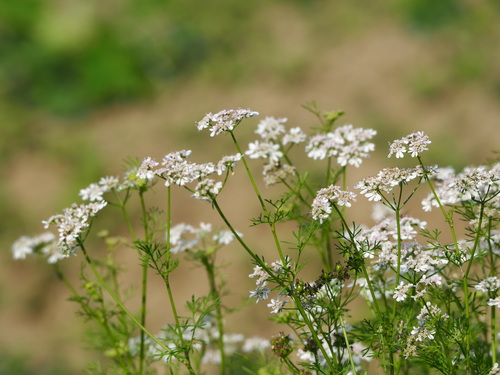
Cilantro is a popular culinary herb widely used in cooking, known for its aromatic, feathery leaves. It is considered safe for pets, though large ingestions may occasionally cause minor digestive discomfort.
Generally safe for cats & dogs.
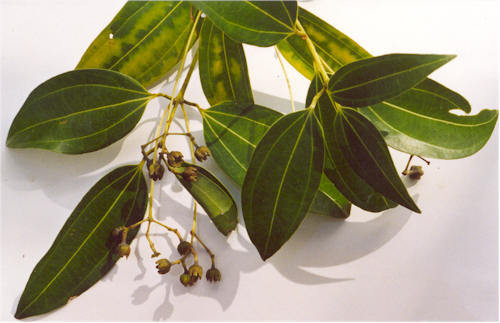
Cinnamon is a popular aromatic spice derived from the bark of trees in the Cinnamomum genus. While generally considered safe for pets, large ingestions of fibrous plant material may cause minor digestive discomfort.
Generally safe for cats & dogs.
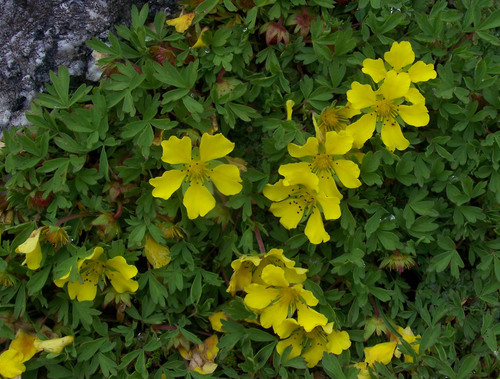
Cinquefoil is a diverse genus of flowering plants in the rose family, commonly found in gardens and wild meadows. While generally considered safe for pets, it is not intended for consumption.
Generally safe for cats & dogs.
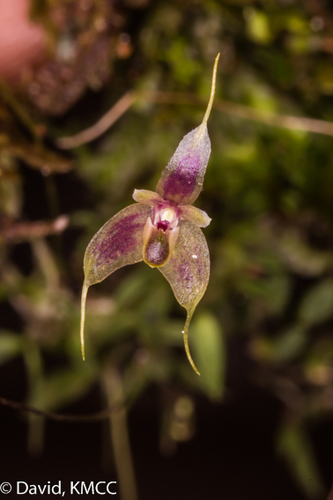
Cirrhopetalum is a unique, exotic orchid known for its intricate, fan-like flower structures. It is generally considered safe for households with pets, though its fibrous nature may cause minor digestive discomfort if consumed in large quantities.
Generally safe for cats & dogs.
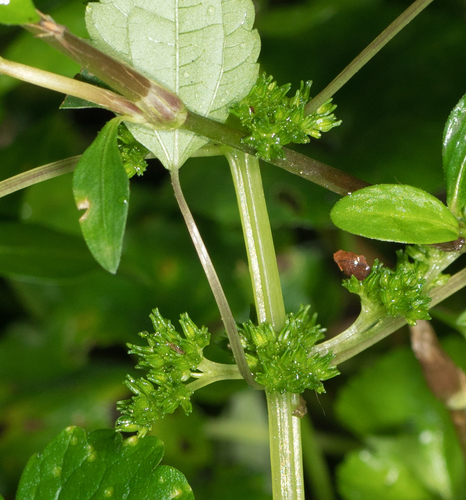
Clearweed is a tender, herbaceous annual plant often found in moist, shaded environments. It is considered non-toxic to pets, though ingestion of large amounts of plant material may cause minor digestive discomfort.
Generally safe for cats & dogs.
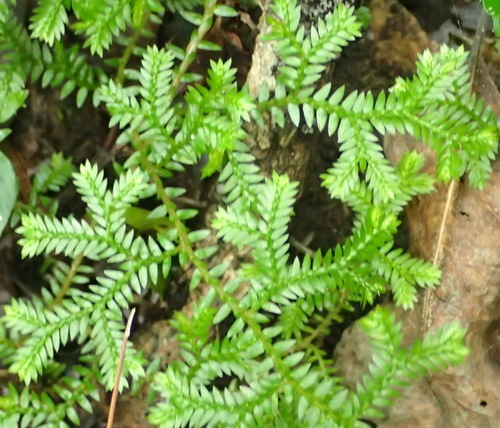
Club Moss is a low-growing, fern-like plant often used in terrariums and as a ground cover. It is considered non-toxic to pets, though its fibrous nature may cause minor digestive upset if consumed in large quantities.
Generally safe for cats & dogs.
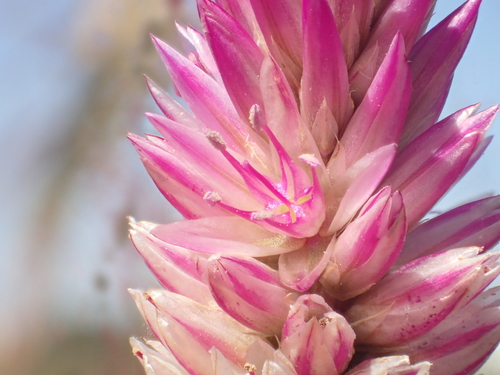
Cockscomb is a vibrant, heat-loving annual known for its unique, brain-like or plume-shaped flower heads. It is considered safe for households with pets, though ingestion of large amounts of fibrous material may cause minor digestive discomfort.
Generally safe for cats & dogs.

The Cocktail Orchid is a popular epiphytic orchid known for its unique, fragrant blooms and ease of care in indoor environments. It is considered non-toxic to pets, though its fibrous nature may cause minor digestive discomfort if consumed in large quantities.
Generally safe for cats & dogs.
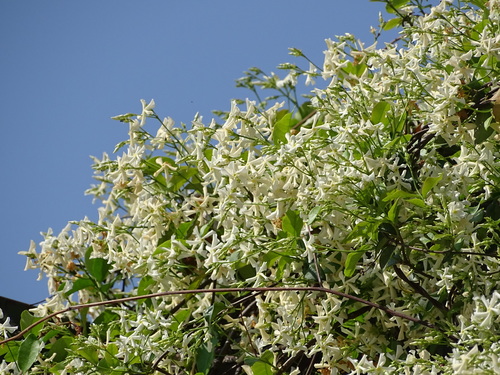
Confederate Jasmine is a popular, fragrant evergreen vine often grown as a houseplant or outdoor climber. It is considered non-toxic to pets, though large ingestions of plant material may cause mild digestive discomfort.
Generally safe for cats & dogs.
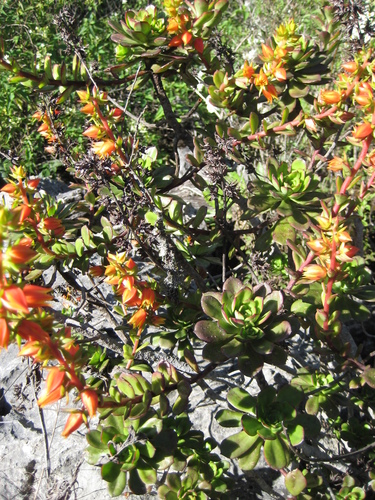
Copper Rose is a popular succulent known for its reddish-brown leaf margins and compact, shrubby growth habit. It is considered safe for households with pets, though ingestion of large amounts of plant material may cause minor digestive discomfort.
Generally safe for cats & dogs.
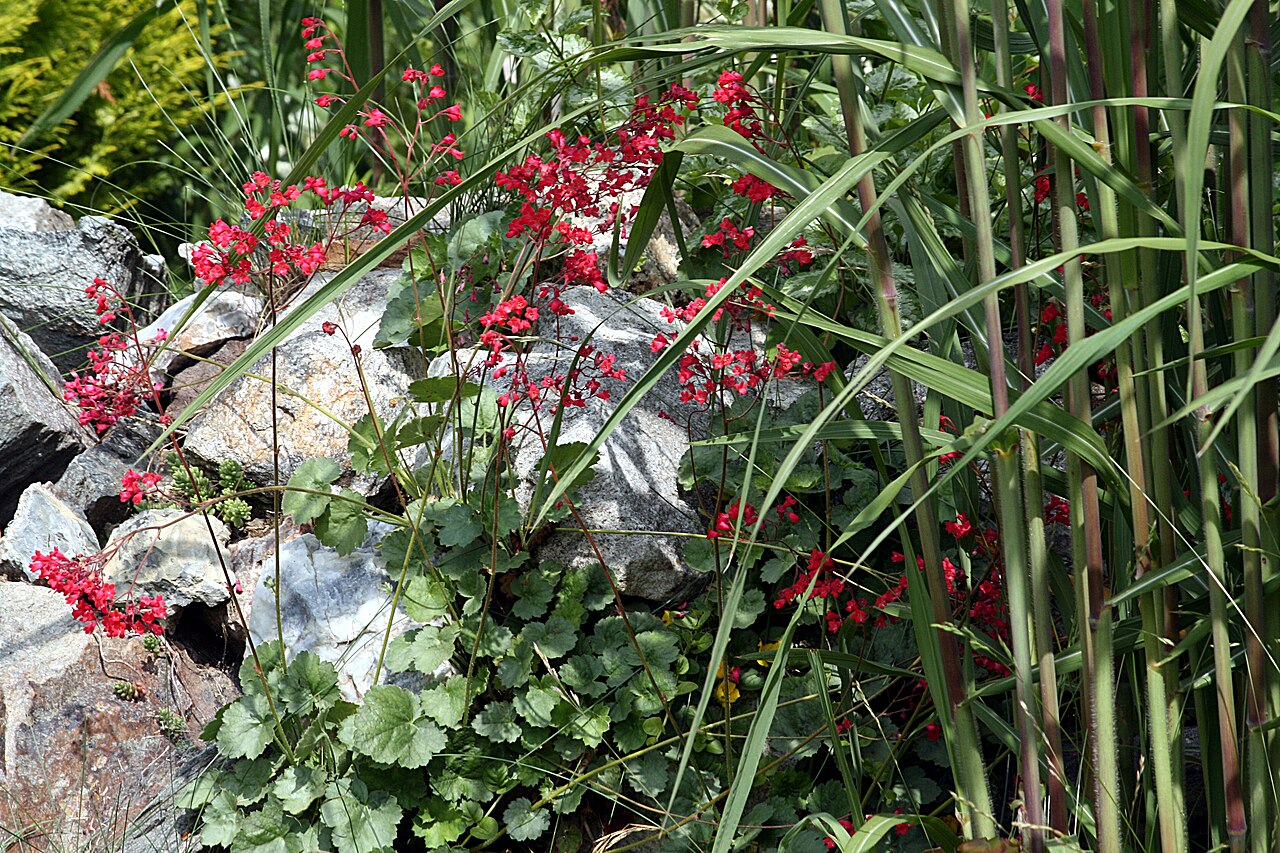
Heuchera sanguinea is a popular perennial garden plant known for its attractive, mounded foliage and delicate, bell-shaped flowers. It is considered safe for households with pets, though large ingestions of fibrous plant material may occasionally cause minor digestive discomfort.
Generally safe for cats & dogs.
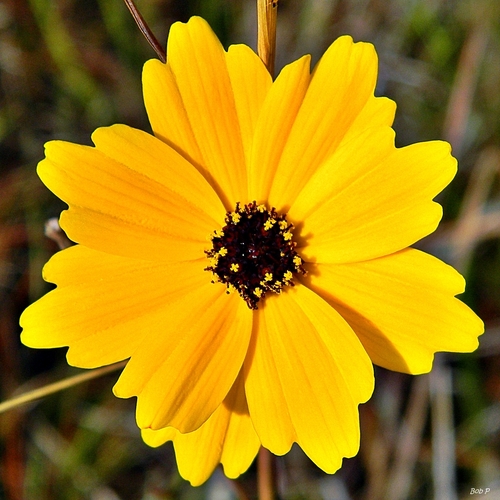
Coreopsis is a popular genus of flowering plants in the aster family, widely grown for their cheerful, daisy-like blooms. They are generally considered safe for household pets, though ingestion of large amounts of plant material may cause minor digestive discomfort.
Generally safe for cats & dogs.
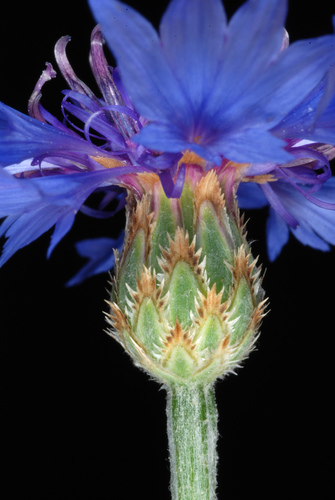
Bachelor's Button is a popular annual flowering plant known for its vibrant blue blooms and ease of cultivation. It is considered non-toxic to pets, though ingestion of large amounts of fibrous plant material may cause minor digestive discomfort.
Generally safe for cats & dogs.
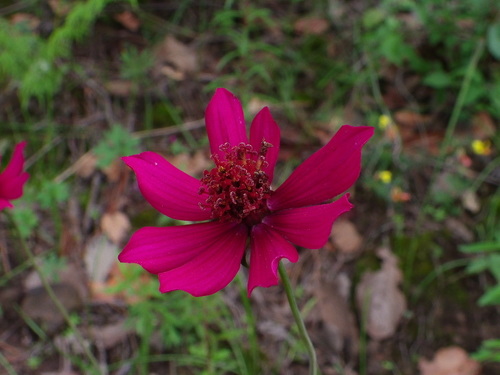
Garden cosmos is a daisy-like annual usually treated as a pet-safe flowering option, though any large plant ingestion can still cause mild stomach upset.
Generally safe for cats & dogs.

Crape Myrtle is a popular ornamental shrub or small tree known for its vibrant, crinkled summer blooms and exfoliating bark. It is considered non-toxic to pets, though ingestion of large amounts of plant material may cause minor digestive discomfort.
Generally safe for cats & dogs.

Creeping Gloxinia is a fast-growing, vining plant often grown for its attractive, trumpet-shaped flowers. It is considered safe for households with pets, though large ingestions of any plant material may cause minor digestive discomfort.
Generally safe for cats & dogs.
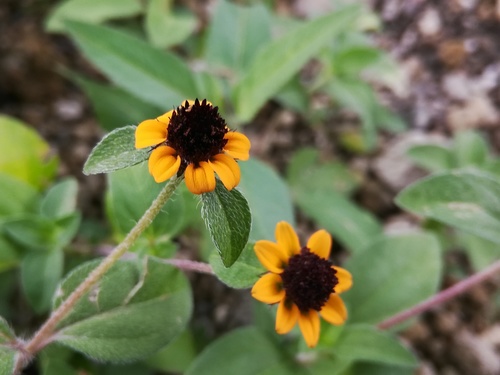
Creeping Zinnia is a low-growing, sun-loving annual known for its bright, daisy-like flowers that bloom throughout the summer. It is considered safe for households with pets, though ingestion of any plant material can occasionally cause minor digestive discomfort.
Generally safe for cats & dogs.
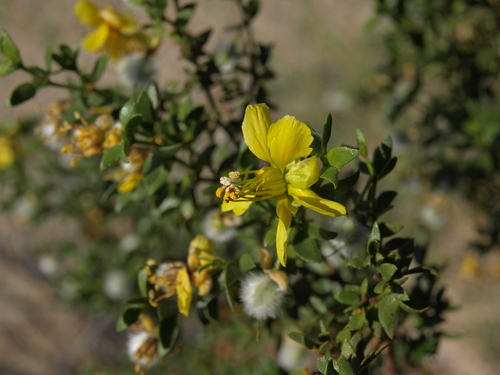
The Creosote Bush is a hardy, drought-tolerant shrub native to the deserts of North America, known for its distinct resinous scent after rainfall. It is generally considered safe for pets, though its fibrous nature may cause mild digestive discomfort if consumed in large quantities.
Generally safe for cats & dogs.
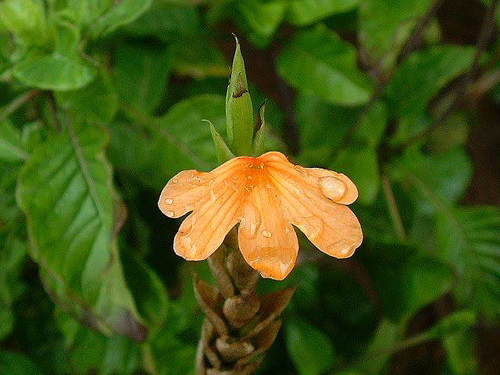
Crossandra is a vibrant, tropical flowering plant known for its bright orange, fan-shaped blooms and glossy foliage. It is considered safe for households with pets, though ingestion of large amounts of plant material may cause minor digestive discomfort.
Generally safe for cats & dogs.
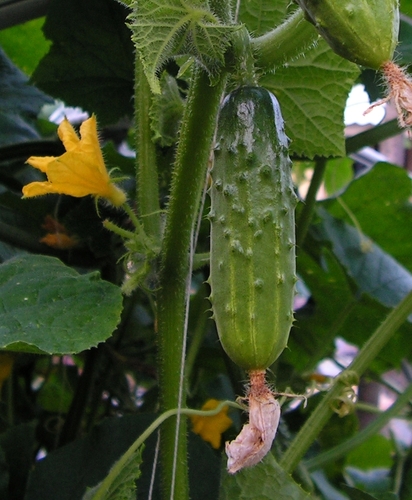
The cucumber is a widely cultivated creeping vine known for its edible, refreshing fruit. It is considered safe for household pets, though large ingestions of plant material may cause minor digestive discomfort.
Generally safe for cats & dogs.
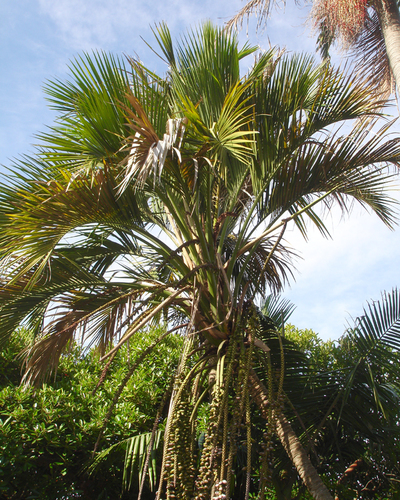
The Belmore Sentry Palm is a slow-growing, elegant palm native to Lord Howe Island, known for its arching fronds and adaptability to indoor environments. It is considered safe for households with pets, though its fibrous foliage can cause minor digestive discomfort if consumed in large quantities.
Generally safe for cats & dogs.

Cushion Aloe is a compact, succulent plant known for its rosette-forming leaves and low-maintenance nature. It is generally considered safe for household pets, though ingestion of large amounts of plant material may cause minor digestive discomfort.
Generally safe for cats & dogs.
D
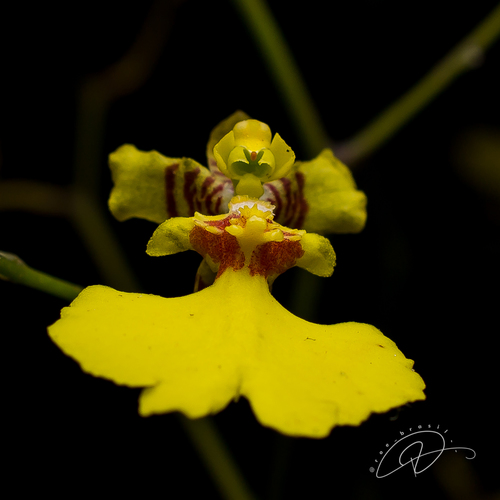
The Dancing Doll Orchid is a popular, non-toxic houseplant known for its cascading sprays of small, yellow, doll-shaped flowers. It is generally considered safe for households with pets, though its fibrous nature may cause minor digestive discomfort if consumed in large quantities.
Generally safe for cats & dogs.
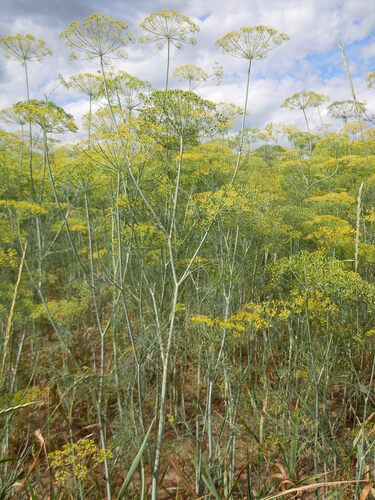
Dill is a popular culinary herb known for its feathery, aromatic foliage and is generally considered safe for household pets. While non-toxic, consuming large amounts of the fibrous plant material may occasionally cause mild digestive upset in some animals.
Generally safe for cats & dogs.
Dinteranthus is a small, stone-like succulent native to South Africa, prized for its unique pebble-like appearance and drought tolerance. It is considered safe for households with pets, though its fibrous texture may cause minor digestive discomfort if consumed in large quantities.
Generally safe for cats & dogs.
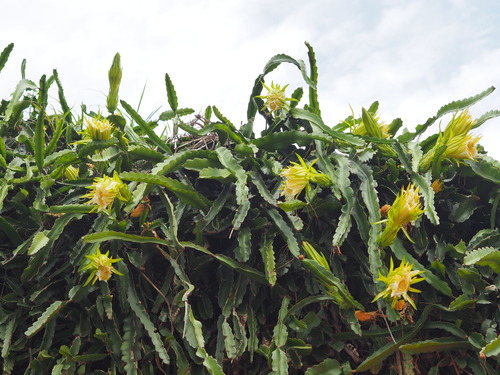
The Dragon Fruit Cactus is a fast-growing, vining succulent known for its large, fragrant nocturnal flowers and edible fruit. It is considered non-toxic to pets, though its fibrous nature may cause mild digestive upset if consumed in large quantities.
Generally safe for cats & dogs.
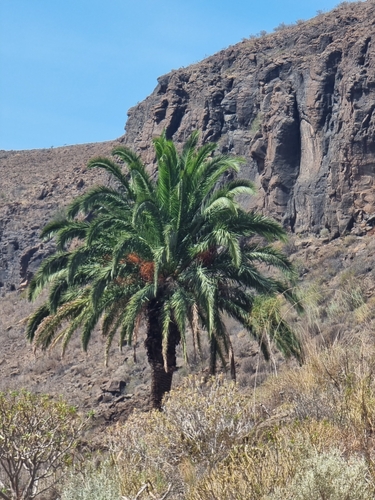
The Dwarf Date Palm is a slow-growing, stemless palm species native to the grasslands of India. It is widely appreciated for its compact, architectural foliage that mimics the appearance of larger date palms in a miniature form.
Generally safe for cats & dogs.
E
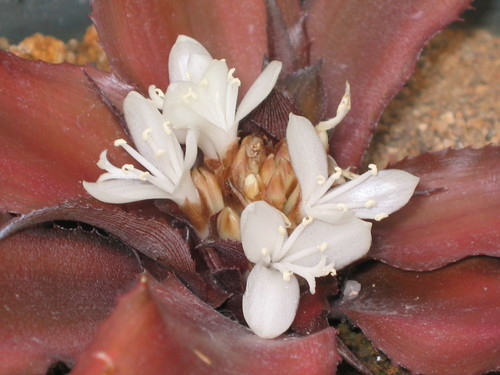
The Earth Star is a low-growing, terrestrial bromeliad known for its striking, star-shaped foliage and vibrant striped patterns. It is a popular choice for terrariums and indoor containers due to its compact size and unique texture.
Generally safe for cats & dogs.

The Easter Cattleya is a popular, fragrant orchid known for its large, showy blooms and elegant growth habit. It is considered non-toxic to pets, though its fibrous nature may cause minor digestive discomfort if consumed in large quantities.
Generally safe for cats & dogs.

The Easter Lily Cactus is a popular, low-maintenance succulent known for its large, fragrant, trumpet-shaped flowers. While generally considered safe for pets, it is a cactus and should be kept out of reach to avoid injury from its spines.
Generally safe for cats & dogs.
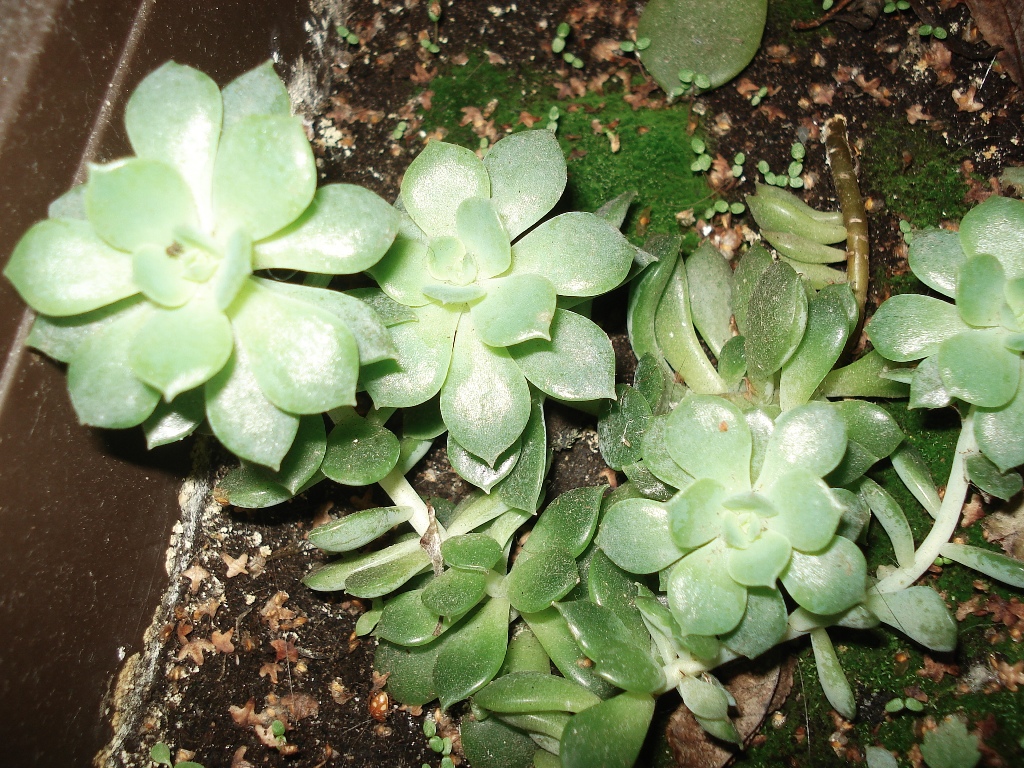
Echeveria is a popular, rosette-forming succulent known for its fleshy, architectural leaves and ease of care. It is considered non-toxic to pets, though ingestion of large amounts of fibrous plant material may cause minor digestive discomfort.
Generally safe for cats & dogs.
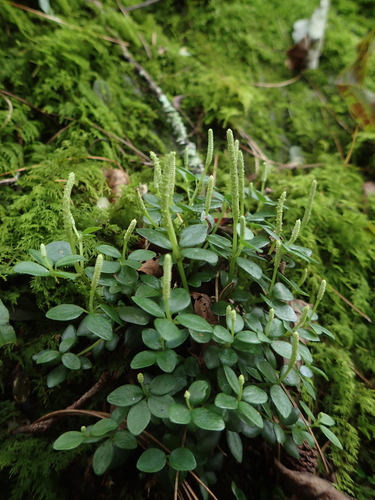
The Emerald Ripple Peperomia is a popular, compact houseplant known for its deeply textured, heart-shaped leaves and ease of care. It is considered non-toxic to pets, making it a safe choice for households with cats and dogs.
Generally safe for cats & dogs.
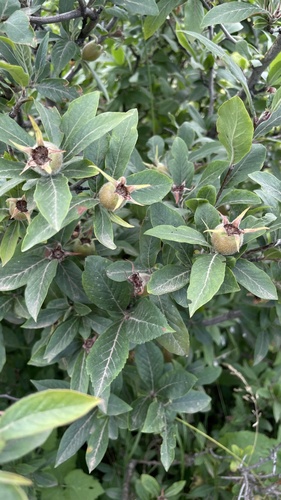
English Hawthorn is a deciduous shrub or small tree known for its clusters of white or pink flowers and red berries. While generally considered safe for pets, it is not intended for consumption.
Generally safe for cats & dogs.
F
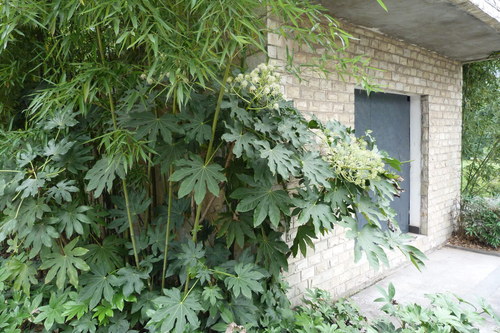
Fatsia is a popular, shade-loving evergreen shrub known for its large, glossy, palm-like leaves. It is generally considered safe for households with pets, though its fibrous nature may cause minor digestive upset if consumed in large quantities.
Generally safe for cats & dogs.
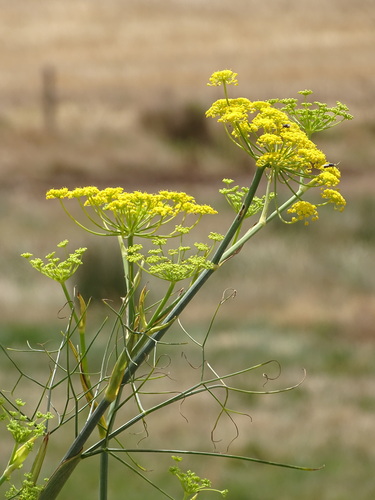
Fennel is a popular aromatic herb known for its feathery foliage and distinct anise-like scent. While generally considered safe for pets, it is best enjoyed in moderation.
Generally safe for cats & dogs.
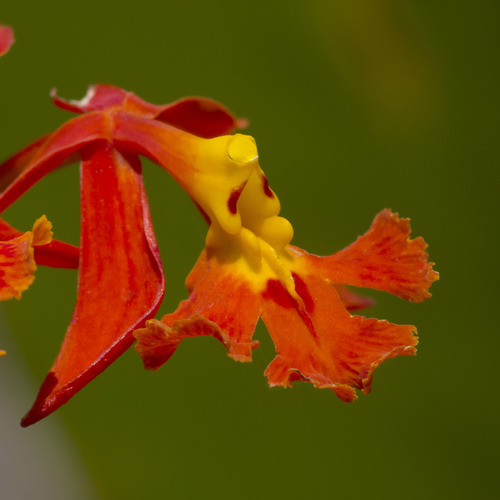
The Fiery Reed Orchid is a popular, vibrant flowering plant known for its clusters of small, bright blooms. It is considered non-toxic to pets, though its fibrous nature may cause minor digestive discomfort if consumed in large quantities.
Generally safe for cats & dogs.
The Fig Leaf Gourd is a fast-growing, vining plant often cultivated for its edible fruit and seeds. It is considered non-toxic to household pets, though large ingestions of fibrous plant material may cause minor digestive discomfort.
Generally safe for cats & dogs.
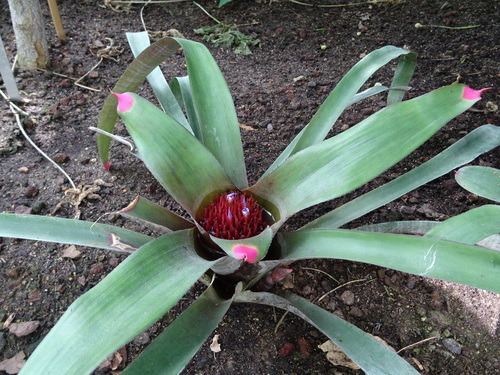
The Fingernail Plant is a popular, low-maintenance bromeliad known for its striking foliage with reddish-tipped leaves. It is considered non-toxic to pets, making it a safe choice for households with cats and dogs.
Generally safe for cats & dogs.
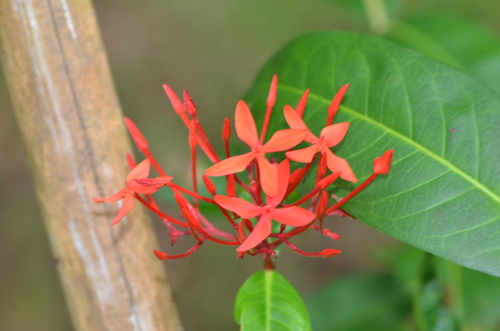
Flame of the Woods is a popular tropical shrub known for its vibrant, dense clusters of star-shaped flowers. It is considered safe for households with pets, though its fibrous nature may cause minor digestive discomfort if consumed in large quantities.
Generally safe for cats & dogs.
Flame Violet is a popular trailing houseplant known for its vibrant, textured foliage and tubular flowers. It is considered non-toxic to both cats and dogs, making it a safe choice for pet-friendly households.
Generally safe for cats & dogs.
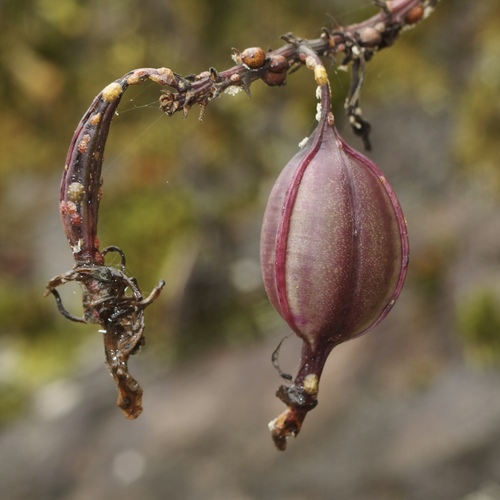
The Florida Butterfly Orchid is a native epiphytic orchid known for its delicate, fragrant flowers and resilient nature. It is considered non-toxic to pets, though ingestion of any fibrous plant material may cause minor digestive discomfort.
Generally safe for cats.
Not yet rated for dogs.
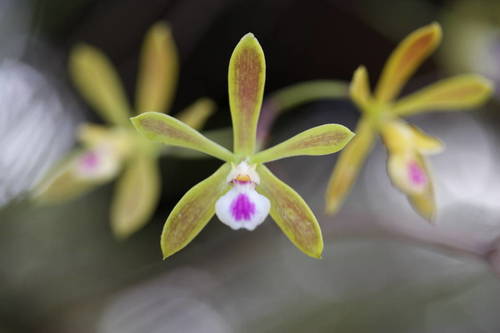
The Florida Butterfly Orchid is a native epiphytic orchid known for its delicate, fragrant flowers and slender, pseudobulb-based growth habit. It is considered non-toxic to household pets, though ingestion of any plant material can occasionally cause minor digestive discomfort.
Generally safe for cats & dogs.
G
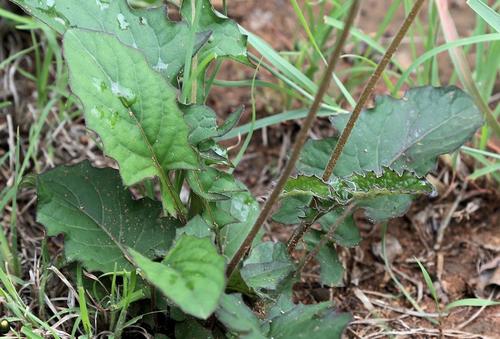
The African Daisy is a popular flowering plant known for its vibrant, daisy-like blooms. While it is considered non-toxic to pets, ingestion of large amounts of fibrous plant material may occasionally cause minor digestive upset.
Generally safe for cats & dogs.
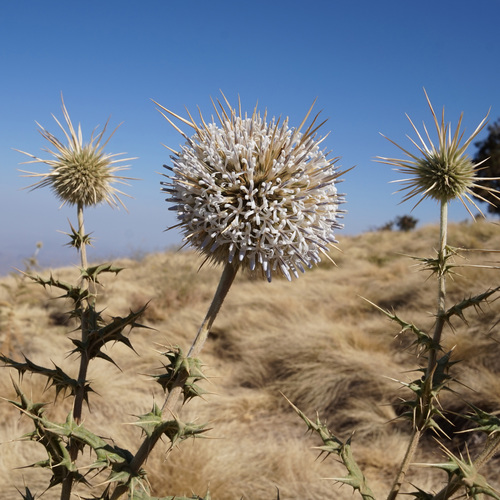
Globe Thistle is a striking perennial known for its spherical, metallic-blue flower heads and architectural foliage. It is considered non-toxic to pets, though its fibrous nature may cause minor digestive discomfort if consumed in large quantities.
Generally safe for cats.
Not yet rated for dogs.
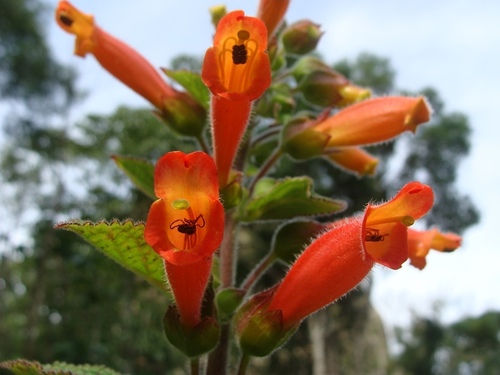
Gloxinia is a popular flowering houseplant known for its large, velvety leaves and vibrant, bell-shaped blooms. It is considered non-toxic to pets, though ingestion of plant material can occasionally cause minor digestive irritation.
Generally safe for cats & dogs.
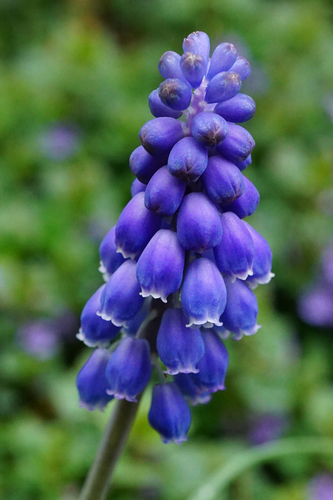
Grape Hyacinth is a popular spring-flowering bulb known for its clusters of small, bell-shaped, fragrant blue flowers. While generally considered safe for pets, it is best to prevent them from digging up or consuming the bulbs.
Generally safe for cats & dogs.
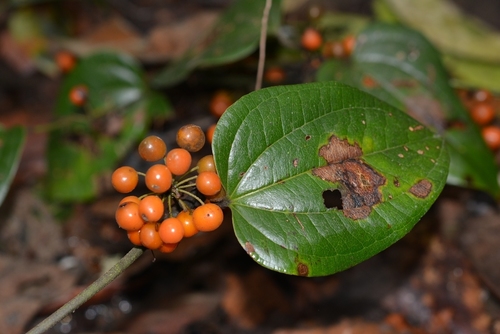
Greenbrier is a genus of woody, often thorny vines known for their resilience and climbing habit. While generally considered safe for pets, the fibrous nature of the plant can cause minor digestive discomfort if consumed in large quantities.
Generally safe for cats.
Not yet rated for dogs.
H
Heliconia rostrata is a tropical perennial known for its dramatic, pendulous inflorescences. While generally considered non-toxic to pets, ingestion of any plant material can cause gastrointestinal upset.
Generally safe for cats & dogs.
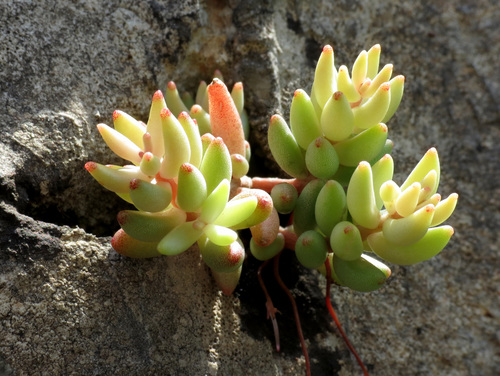
Hardy Baby Tears is a low-growing, succulent groundcover often used in rock gardens and green roofs. It is considered non-toxic to pets, though large ingestions of any plant material may cause minor digestive upset.
Generally safe for cats & dogs.
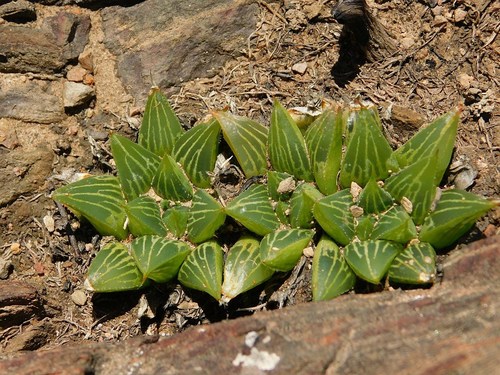
Haworthia is a genus of small, succulent plants known for their rosette-forming leaves and ease of care. They are generally considered safe for households with pets.
Generally safe for cats.
Not yet rated for dogs.
Hawthorn is a genus of shrubs and trees in the rose family, widely recognized for their clusters of small, berry-like fruits known as haws. While generally considered safe for pets, the fibrous nature of the plant material can occasionally cause mild digestive discomfort if consumed in large quantities.
Generally safe for cats & dogs.
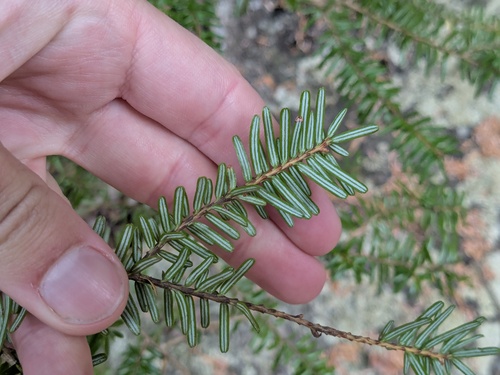
Hemlock trees are coniferous evergreens often used in landscaping. While they are not considered toxic, ingestion of large amounts of plant material may cause minor digestive discomfort due to the fibrous nature of the needles.
Generally safe for cats.
Not yet rated for dogs.
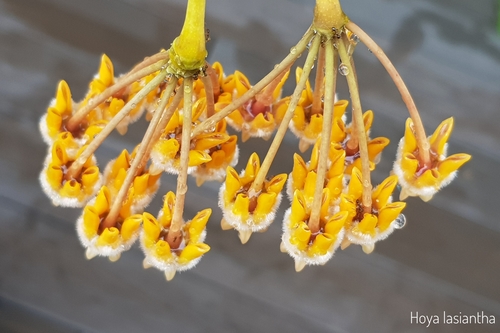
The Hindu Rope Plant is a popular, slow-growing succulent vine known for its unique, curled, waxy foliage. It is considered safe for households with pets, though its fibrous nature may cause minor digestive discomfort if consumed in large quantities.
Generally safe for cats & dogs.
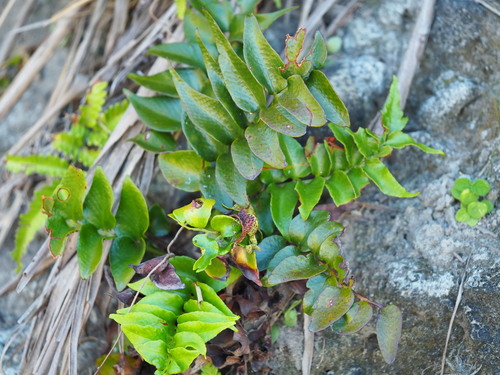
The Japanese Holly Fern is a popular, hardy indoor fern known for its glossy, dark green, holly-like fronds. It is considered non-toxic to pets, though its fibrous texture may cause mild digestive irritation if consumed in large quantities.
Generally safe for cats & dogs.

The Honey Locust is a large, deciduous tree known for its feathery foliage and long, flat seed pods. While it is considered non-toxic, the fibrous nature of the plant material may cause minor digestive discomfort if consumed in large quantities.
Generally safe for cats.
Not yet rated for dogs.
I
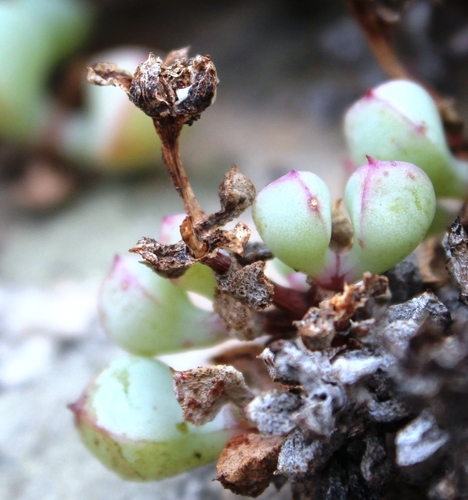
Ice Plant is a succulent groundcover known for its vibrant, daisy-like flowers and fleshy, triangular leaves. It is generally considered safe for pets, though ingestion of large amounts of fibrous plant material may cause minor digestive discomfort.
Generally safe for cats & dogs.
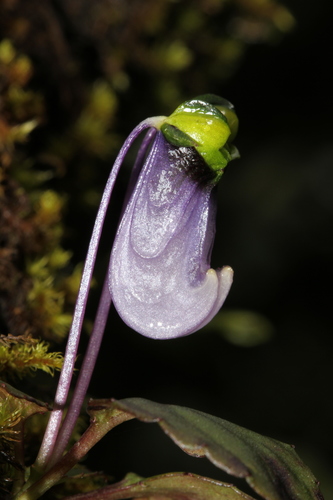
Impatiens are popular, colorful flowering plants often used in shaded garden beds and containers. They are considered non-toxic to pets, though ingestion of large amounts of plant material may cause minor digestive upset.
Generally safe for cats & dogs.
J
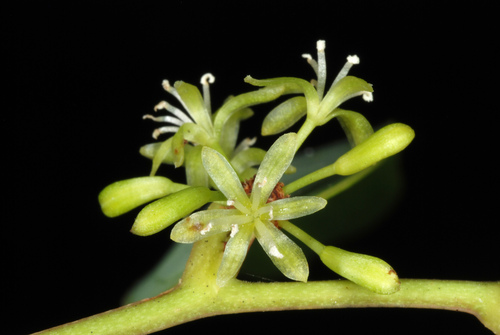
Jackson Brier is a woody, climbing vine known for its lance-shaped leaves and resilience. It is considered non-toxic to household pets, though its fibrous nature may cause mild digestive discomfort if consumed in large quantities.
Generally safe for cats & dogs.
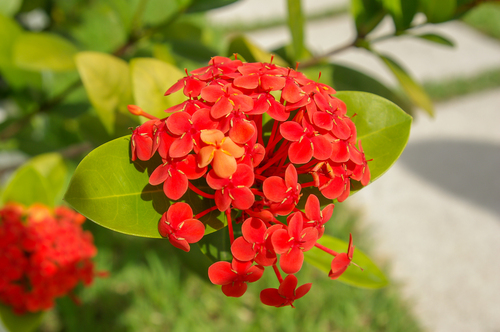
Jungle Geranium is a tropical evergreen shrub known for its dense clusters of vibrant, star-shaped flowers. It is widely considered safe for households with pets, though its fibrous nature may cause minor digestive discomfort if consumed in large quantities.
Generally safe for cats.
Not yet rated for dogs.
K
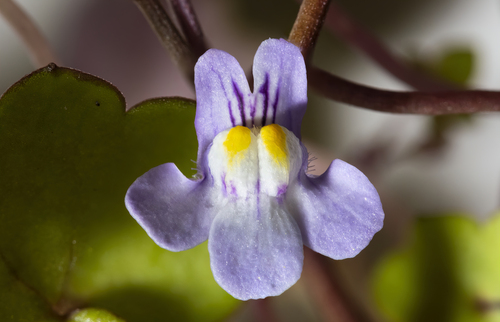
Kenilworth Ivy is a delicate, trailing perennial often found growing in rock walls or as a ground cover. It is considered non-toxic to pets, though large ingestions of any fibrous plant material may cause minor digestive upset.
Generally safe for cats & dogs.
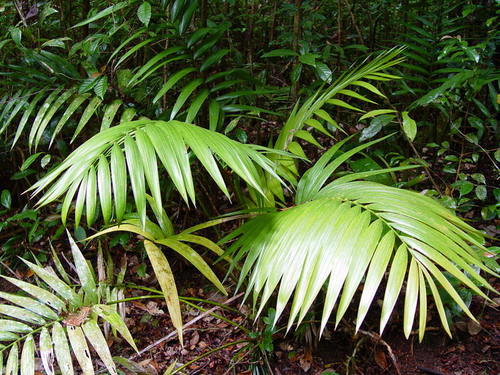
The Kentia Palm is an elegant, slow-growing indoor palm known for its arching fronds and adaptability to lower light conditions. It is widely considered one of the safest and most popular choices for pet-friendly households.
Generally safe for cats.
Not yet rated for dogs.
L
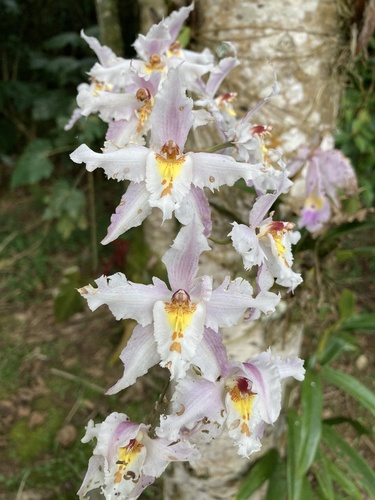
The Lace Orchid is a popular, elegant flowering plant known for its ruffled, star-shaped blooms. It is considered non-toxic to household pets, though its fibrous nature may cause minor digestive discomfort if consumed in large quantities.
Generally safe for cats.
Not yet rated for dogs.

The Lady Palm is a popular, slow-growing indoor palm known for its fan-shaped fronds and adaptability to low-light environments. It is considered non-toxic to pets, though ingestion of any plant material can occasionally cause minor digestive discomfort.
Generally safe for cats & dogs.
Leather Peperomia is a popular, low-maintenance succulent-like houseplant known for its thick, fleshy, spoon-shaped leaves. It is considered non-toxic to pets, though ingestion of large amounts of plant material may cause mild digestive discomfort.
Generally safe for cats & dogs.
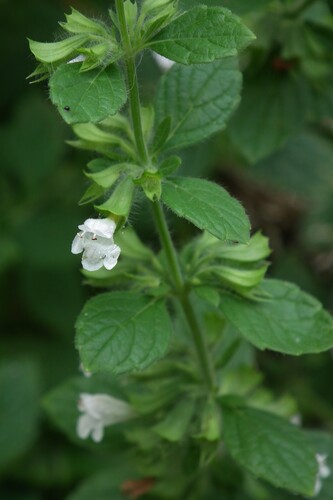
Lemon Balm is a fragrant, perennial herb in the mint family often grown for its culinary and medicinal uses. It is generally considered safe for pets, though large ingestions of fibrous plant material may cause minor digestive discomfort.
Generally safe for cats & dogs.
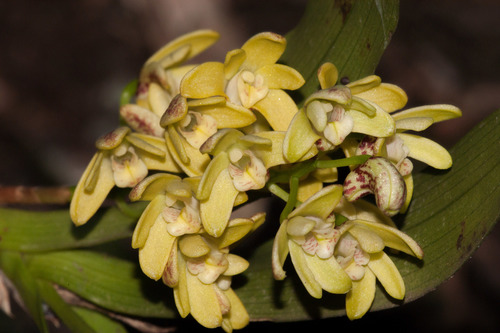
The Leopard Orchid is a popular epiphytic orchid known for its spotted, fragrant flowers and ease of care in indoor environments. It is considered non-toxic to household pets, though its fibrous nature may cause minor digestive discomfort if consumed in large quantities.
Generally safe for cats & dogs.
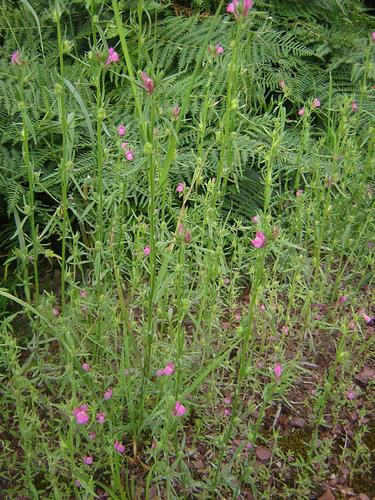
The Lesser Snapdragon is a charming, slender annual wildflower often found in gardens and fields. It is considered safe for pets, though ingestion of large amounts of plant material may cause minor digestive discomfort.
Generally safe for cats & dogs.
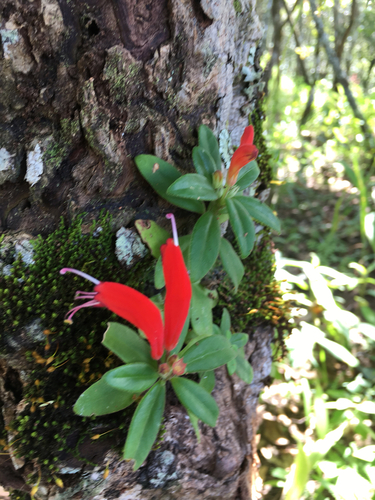
The Lipstick Plant is a popular trailing houseplant known for its tubular, bright red flowers that resemble lipstick tubes. It is considered non-toxic to pets, making it a safe choice for households with cats and dogs.
Generally safe for cats & dogs.
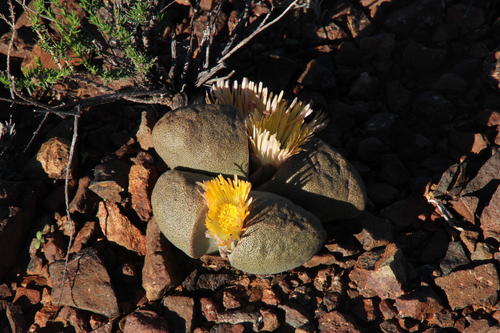
The Living Rock Cactus is a unique succulent that mimics the appearance of stones to blend into its natural environment. It is considered non-toxic to pets, though its fibrous texture may cause minor digestive discomfort if consumed in large quantities.
Generally safe for cats & dogs.
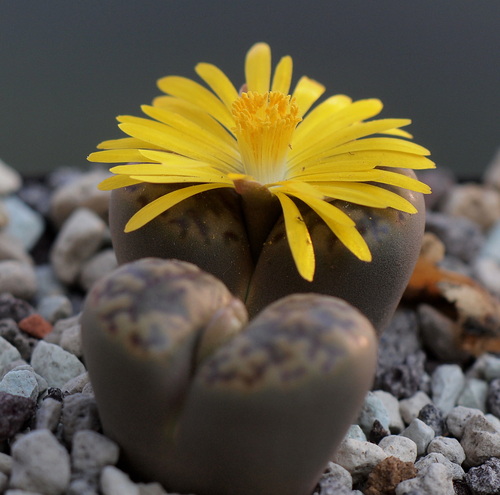
Living Stones are unique, succulent-like plants that mimic the appearance of pebbles to survive in harsh environments. They are considered non-toxic to household pets, though their fibrous nature may cause minor digestive discomfort if consumed in large quantities.
Generally safe for cats & dogs.
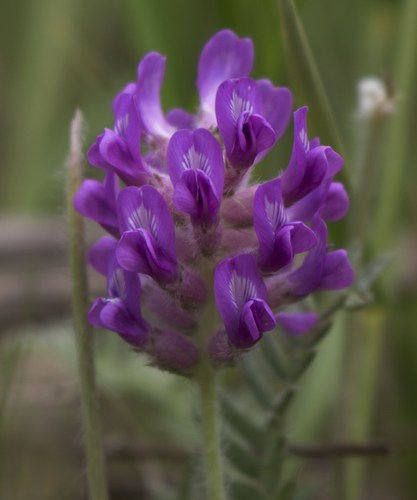
Loco Weed is a genus of perennial plants often found in wild, open landscapes. While generally considered non-toxic to pets, ingestion of large amounts of fibrous plant material may cause mild digestive discomfort.
Generally safe for cats.
Not yet rated for dogs.
M
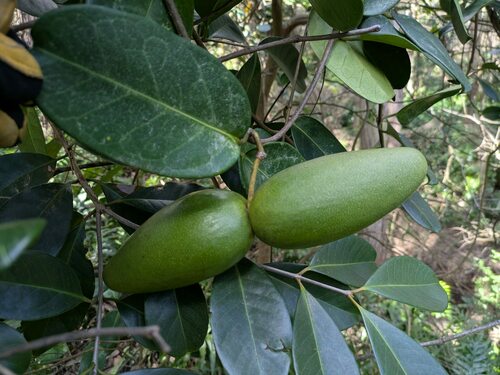
Madagascar Jasmine is a popular, fragrant vining plant often used in bridal bouquets and indoor containers. While it is not considered toxic, its fibrous stems and leaves may cause minor digestive discomfort if consumed in large quantities.
Generally safe for cats.
Not yet rated for dogs.
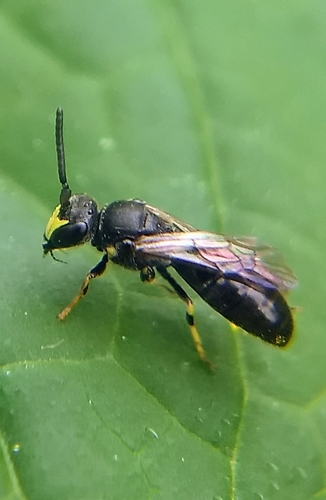
Algaroba is a leguminous tree known for its hardy nature and feathery foliage. While it is not considered toxic, the fibrous nature of the plant material may cause minor digestive discomfort if consumed in large quantities.
Generally safe for cats.
Not yet rated for dogs.
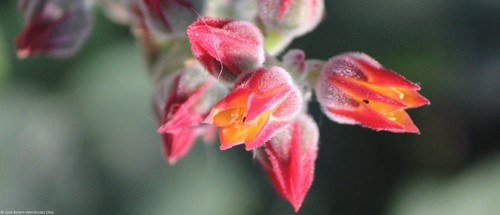
Mexican Firecracker is a popular, fuzzy-leaved succulent known for its rosette growth habit and vibrant, bell-shaped flowers. It is considered safe for households with pets, though ingestion of any plant material can occasionally cause minor digestive discomfort.
Generally safe for cats & dogs.
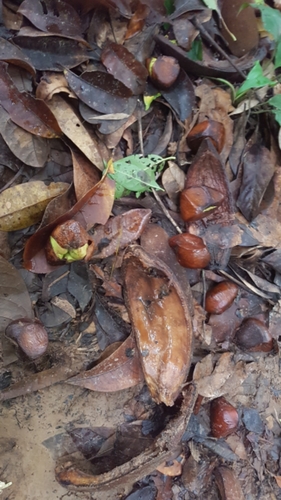
The Money Tree is a popular indoor plant known for its braided trunk and palm-like leaves, often associated with good luck and prosperity in home decor.
Generally safe for cats & dogs.
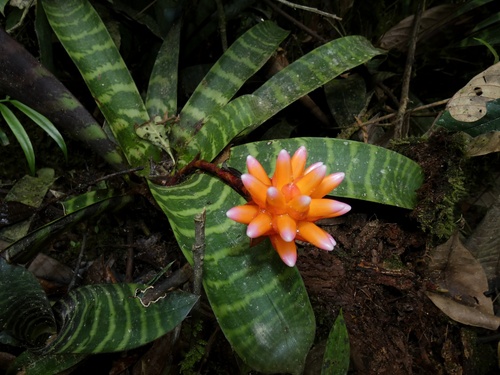
The Mosaic Vase is a striking bromeliad known for its patterned, strap-like foliage and vibrant, long-lasting inflorescence. It is a popular, low-maintenance houseplant that thrives in warm, humid indoor environments.
Generally safe for cats & dogs.
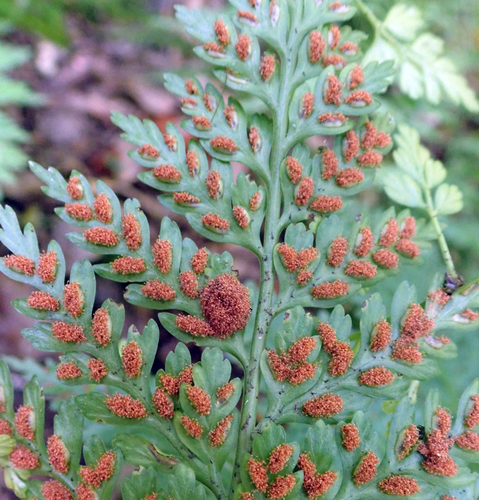
The Mother Fern is a popular, non-toxic houseplant known for producing small plantlets directly on its fronds. It is considered safe for households with pets, though large ingestions of fibrous plant material may cause minor digestive upset.
Generally safe for cats & dogs.
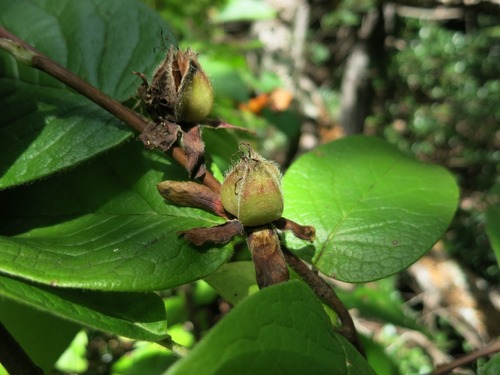
Mountain Camellia is a deciduous flowering shrub or small tree known for its beautiful white blossoms and exfoliating bark. It is considered non-toxic to pets, though ingestion of large amounts of plant material may cause minor digestive discomfort.
Generally safe for cats & dogs.

The Mulberry tree is a deciduous plant widely recognized for its edible fruit and rapid growth. While generally considered safe for pets, ingestion of large amounts of fibrous plant material may cause minor digestive discomfort.
Generally safe for cats & dogs.
N
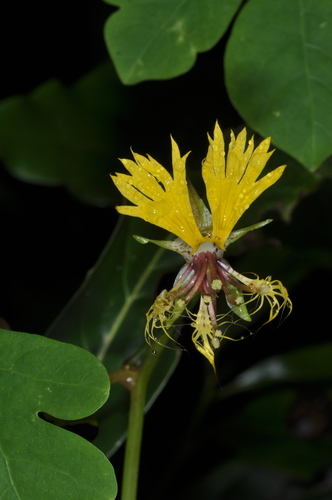
Nasturtium is a popular, fast-growing annual known for its edible, peppery-flavored flowers and rounded leaves. It is widely considered safe for household pets, though large ingestions of fibrous plant material may occasionally cause mild digestive upset.
Generally safe for cats & dogs.
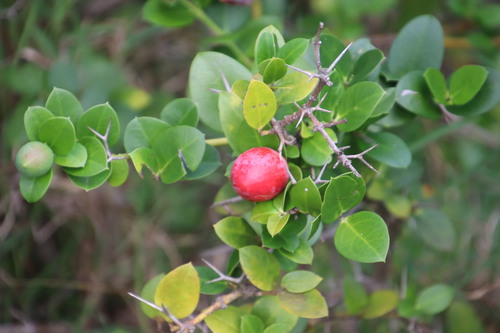
The Natal Plum is a popular evergreen shrub known for its glossy, dark green foliage and fragrant white flowers. While generally considered safe for pets, it is a woody plant and ingestion of large amounts of fibrous material may cause minor digestive discomfort.
Generally safe for cats & dogs.
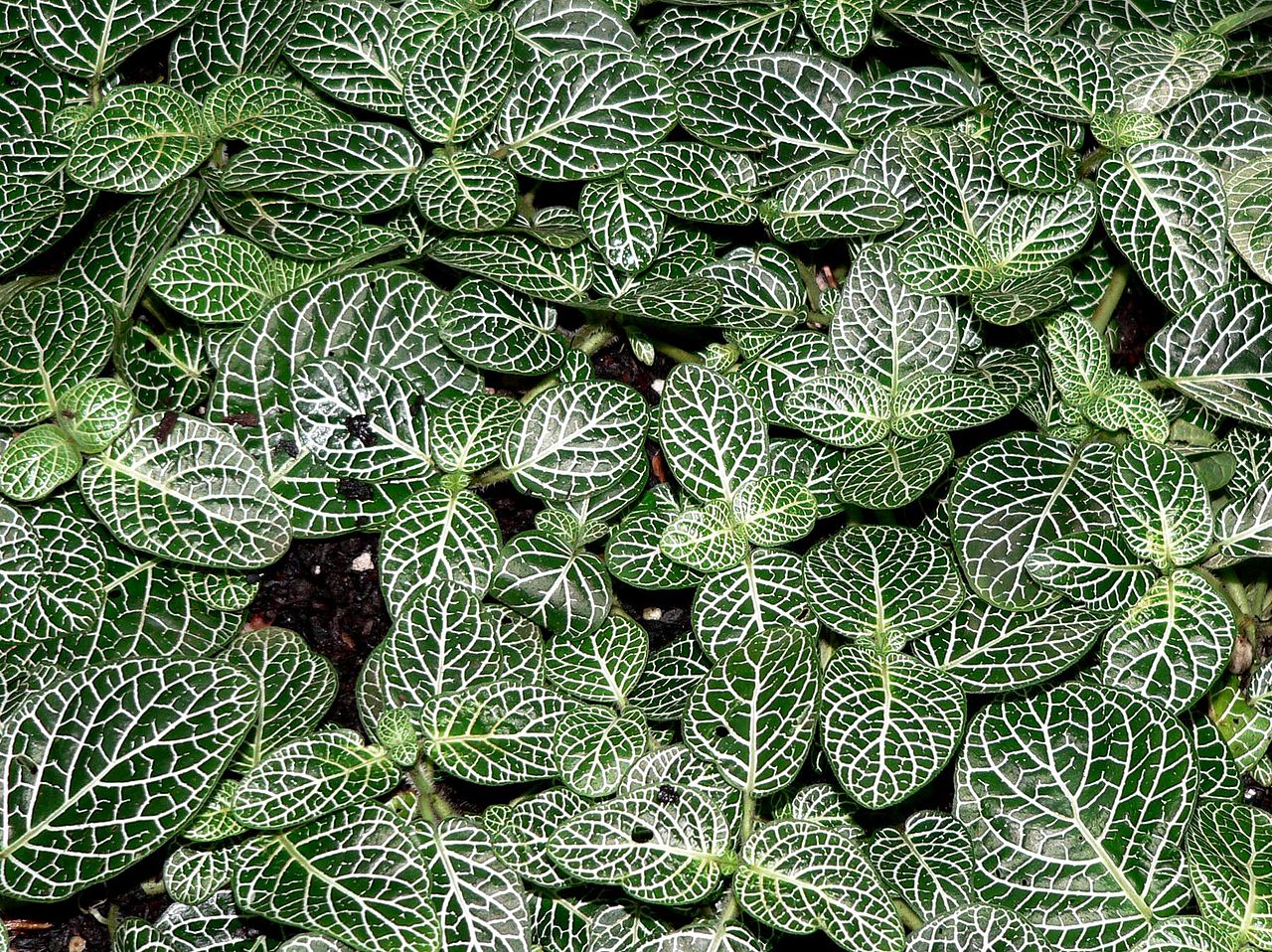
Nerve Plant is a popular, low-growing tropical houseplant known for its striking, vein-patterned foliage. It is considered non-toxic to pets, though ingestion of large amounts of plant material may cause mild digestive discomfort.
Generally safe for cats & dogs.

The Norfolk Island Pine is a popular indoor conifer known for its symmetrical, tiered branches and needle-like foliage. While it is not considered toxic, the fibrous nature of the needles can cause minor digestive irritation if consumed in large quantities.
Generally safe for cats & dogs.
O
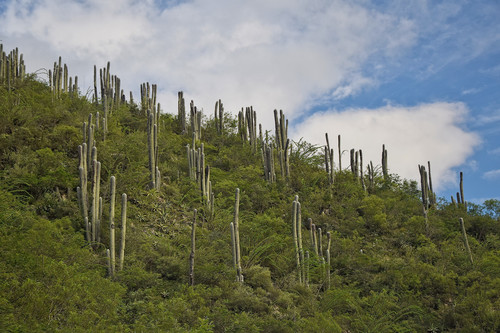
The Old Man Cactus is a slow-growing, columnar succulent known for its dense covering of long, white, hair-like spines. It is considered non-toxic to pets, though its physical structure requires caution.
Generally safe for cats.
Not yet rated for dogs.
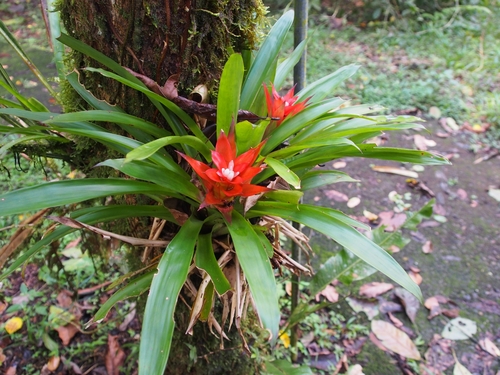
Orange Star is a popular, vibrant bromeliad known for its long-lasting, star-shaped inflorescence. It is considered non-toxic to pets, though ingestion of plant material can occasionally cause minor digestive discomfort.
Generally safe for cats & dogs.
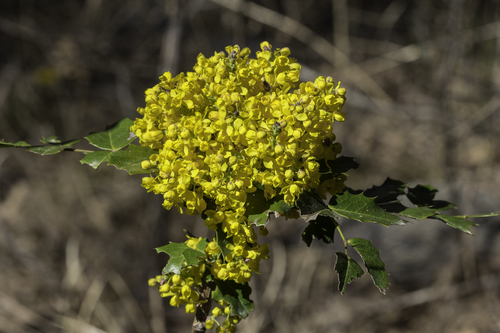
Oregon Grape is a hardy evergreen shrub known for its holly-like leaves and clusters of yellow flowers followed by dark blue berries. It is generally considered safe for household pets, though ingestion of large amounts of plant material may cause minor digestive discomfort.
Generally safe for cats & dogs.
P

Painted Lady is a popular, low-growing succulent known for its rosette-forming habit and powdery, blue-green leaves with reddish tips. It is considered safe for households with pets, though ingestion of any plant material can occasionally cause minor digestive discomfort.
Generally safe for cats & dogs.
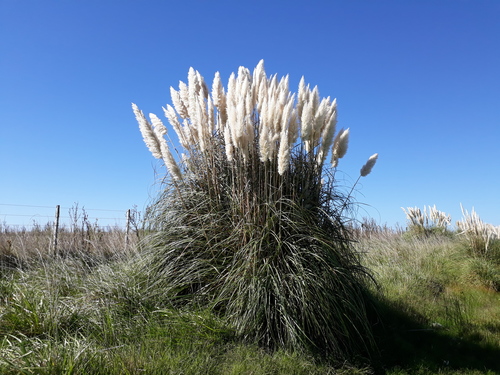
Pampas Grass is a large, ornamental perennial grass known for its dramatic, feathery plumes and sharp-edged foliage. It is generally considered safe for pets, though its fibrous nature may cause mild digestive irritation if consumed in large quantities.
Generally safe for cats & dogs.

Peacock Ginger is a low-growing, rhizomatous perennial prized for its patterned, colorful foliage and fragrant flowers. It is generally considered safe for households with pets, though ingestion of large amounts of plant material may cause minor digestive discomfort.
Generally safe for cats.
Not yet rated for dogs.
Peperomia is a diverse genus of popular, low-maintenance houseplants known for their thick, succulent-like foliage and compact growth habit. They are generally considered safe for households with pets, though individual plant parts can cause minor digestive discomfort if consumed in large quantities.
Generally safe for cats.
Not yet rated for dogs.
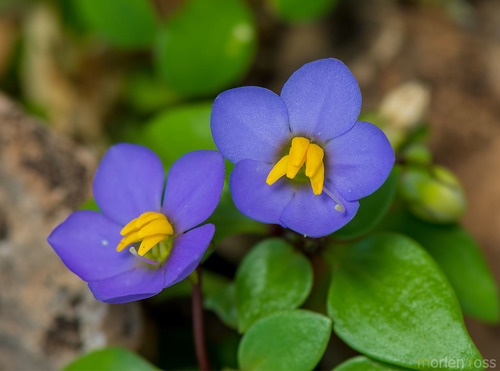
Exacum affine is a charming, fragrant flowering plant often grown as a seasonal houseplant. It is considered non-toxic to both cats and dogs, though ingestion of large amounts of plant material may cause minor digestive discomfort.
Generally safe for cats & dogs.
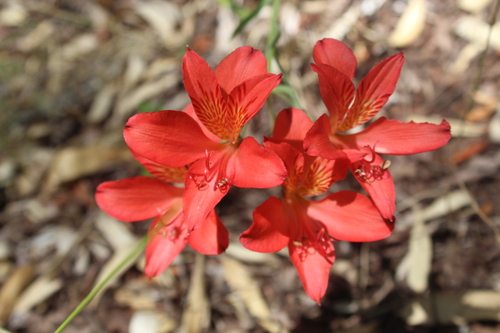
Peruvian Lily is a popular flowering plant known for its vibrant, orchid-like blooms and long-lasting cut flowers. While generally considered safe for pets, it is not a food source and may cause minor digestive discomfort if consumed in large quantities.
Generally safe for cats & dogs.
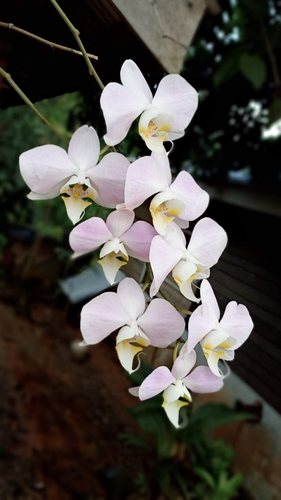
Phalaenopsis orchids, commonly known as moth orchids, are popular indoor flowering plants prized for their long-lasting, elegant blooms. They are considered non-toxic to pets, though their fibrous nature may cause minor digestive upset if consumed in large quantities.
Generally safe for cats & dogs.
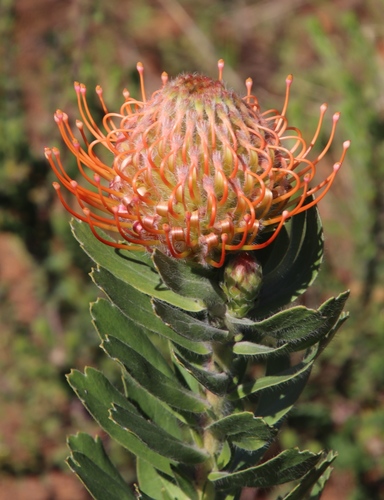
The Pincushion Flower is a striking evergreen shrub known for its unique, pin-like blooms. It is generally considered safe for pets, though its fibrous nature may cause minor digestive discomfort if consumed in large quantities.
Generally safe for cats & dogs.
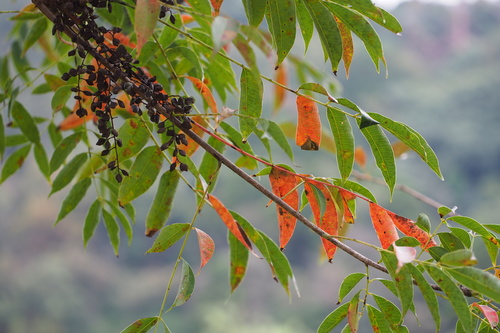
Poison Ivy is a woody vine or shrub known for causing contact dermatitis in humans due to urushiol oil. While not systemically toxic to pets, ingestion of large amounts of fibrous plant material may cause mild gastrointestinal irritation.
Generally safe for cats.
Not yet rated for dogs.
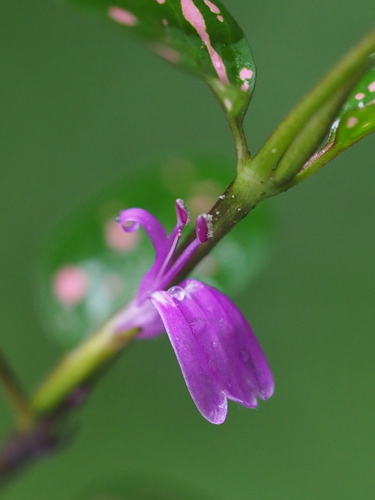
Hypoestes phyllostachya is a popular ornamental houseplant known for its vibrant, speckled foliage. It is considered non-toxic to pets, though ingestion of large amounts of fibrous plant material may cause minor digestive discomfort.
Generally safe for cats & dogs.
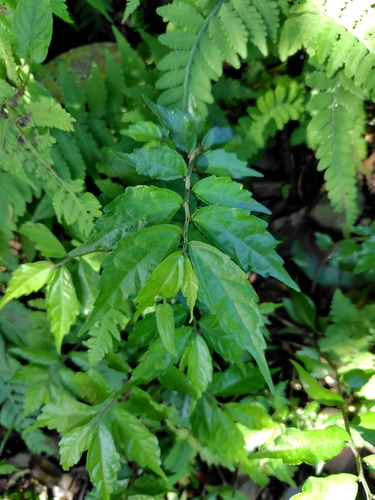
Pellionia daveauana is a low-growing, trailing plant often used in terrariums or as a ground cover for indoor containers. It is considered non-toxic to household pets, though its fibrous nature may cause minor digestive discomfort if consumed in large quantities.
Generally safe for cats & dogs.
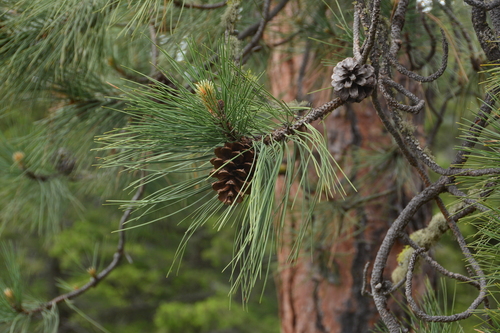
Pinus ponderosa is a large evergreen conifer known for its long needles and aromatic bark. While generally considered safe for pets, the fibrous nature of the needles can occasionally cause minor digestive irritation if consumed in large quantities.
Generally safe for cats & dogs.
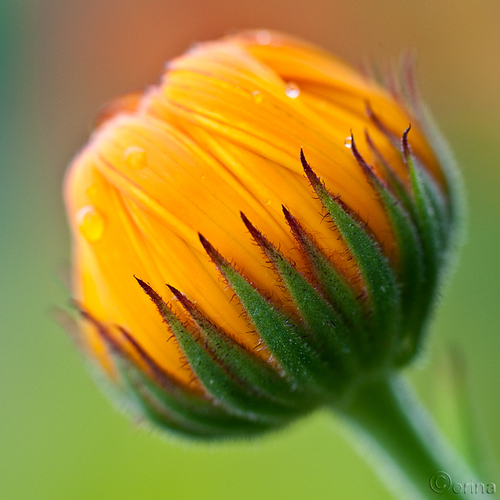
Pot Marigold is a popular flowering annual known for its bright, daisy-like blooms and culinary uses. It is considered safe for pets, though large ingestions of plant material may cause minor digestive discomfort.
Generally safe for cats & dogs.
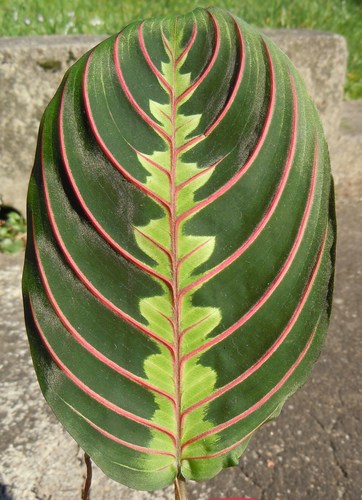
Maranta leuconeura is a popular tropical houseplant known for its folding leaves. It is widely considered non-toxic to both cats and dogs, making it a safe choice for households with pets.
Generally safe for cats & dogs.
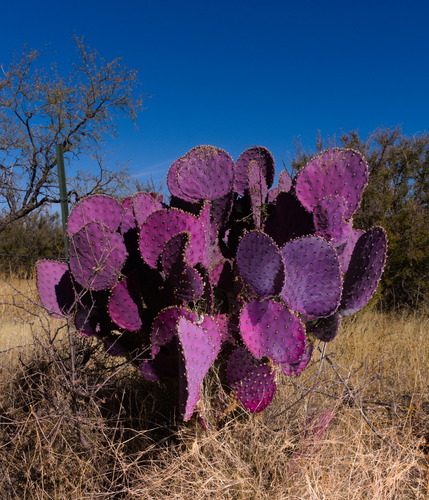
Prickly pear cacti are popular succulents known for their flat, paddle-like stems and unique appearance. While they are not considered toxic, their physical structure requires caution due to potential mechanical irritation.
Generally safe for cats.
Not yet rated for dogs.
Prostrate Coleus is a trailing, shade-loving plant often grown for its attractive, variegated foliage. It is considered non-toxic to pets, though ingestion of large amounts of plant material may cause mild digestive discomfort.
Generally safe for cats & dogs.

Purple Baby Tears is a small, succulent plant native to South Africa, prized for its unique windowed leaves and vibrant purple flowers. It is considered safe for households with pets, though ingestion of any plant material can occasionally cause minor digestive discomfort.
Generally safe for cats & dogs.
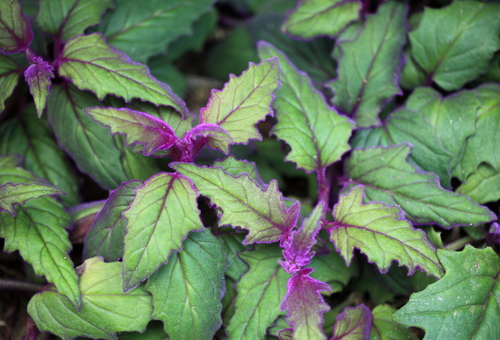
The Purple Passion Vine is a popular houseplant known for its striking, velvety purple-hued leaves. It is considered safe for households with pets, though large ingestions of fibrous plant material may cause minor digestive discomfort.
Generally safe for cats & dogs.
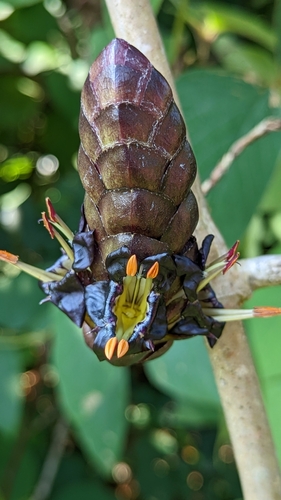
The Purple Waffle Plant is a popular, low-growing tropical houseplant known for its puckered, metallic-purple foliage. It is considered non-toxic to pets, though ingestion of large amounts of plant material may cause minor digestive discomfort.
Generally safe for cats & dogs.
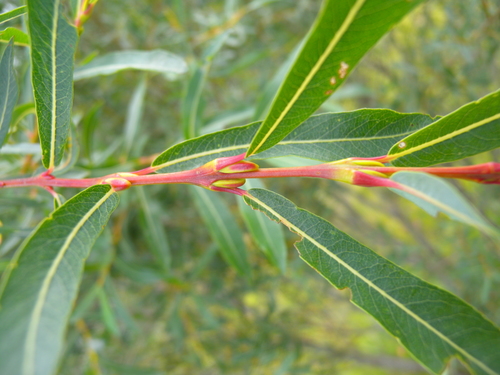
Purpleosier Willow is a deciduous shrub known for its slender, flexible stems and graceful, arching habit. It is considered non-toxic to pets, though ingestion of large amounts of fibrous plant material may cause minor digestive discomfort.
Generally safe for cats & dogs.
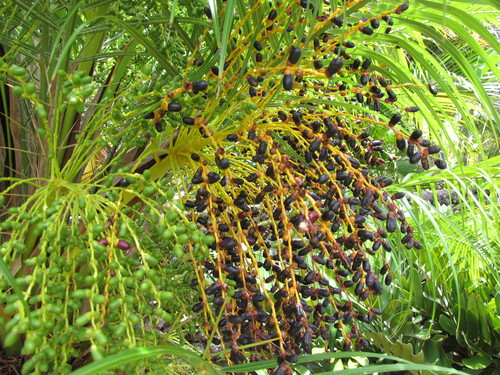
The Pygmy Date Palm is a popular, slow-growing indoor palm known for its feathery, arching fronds and elegant, slender trunk. It is considered non-toxic to pets, though its fibrous nature may cause minor digestive discomfort if large amounts are ingested.
Generally safe for cats & dogs.
Q
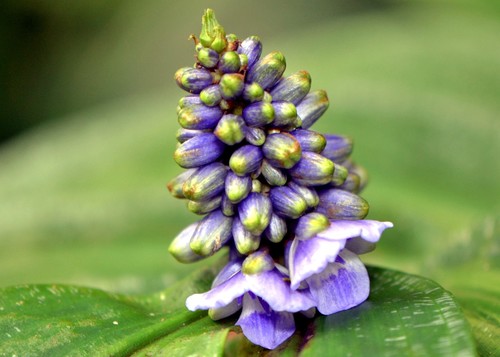
Queen's Spiderwort is a striking, shade-loving tropical plant known for its silver-striped, velvety foliage. It is considered safe for households with pets, though ingestion of large amounts of plant material may cause minor digestive discomfort.
Generally safe for cats & dogs.
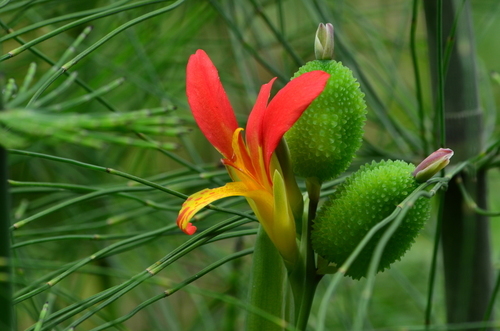
Queensland Arrowroot is a tropical perennial known for its large, lush foliage and edible rhizomes. It is considered safe for pets, though its fibrous nature may cause minor digestive discomfort if consumed in large quantities.
Generally safe for cats & dogs.
R
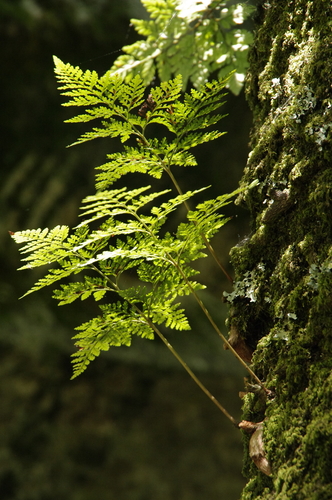
Ball ferns are popular, non-toxic houseplants known for their fuzzy, creeping rhizomes that resemble rabbit feet. They are generally safe for households with pets, though large ingestions of fibrous plant material may cause minor digestive discomfort.
Generally safe for cats & dogs.
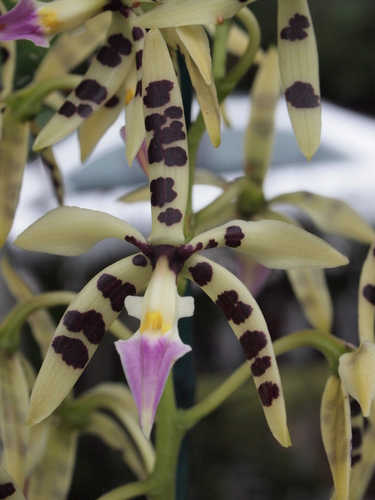
The Rainbow Orchid is a popular epiphytic orchid known for its striking, multi-colored, fragrant flowers. It is considered safe for households with pets, though ingestion of any plant material can occasionally cause minor digestive discomfort.
Generally safe for cats & dogs.
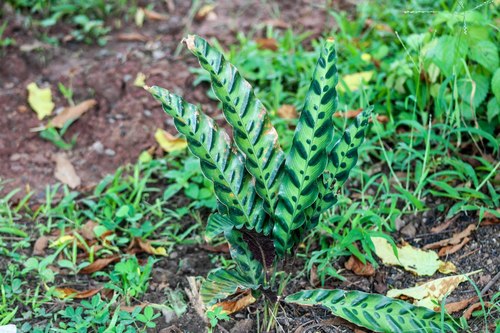
Goeppertia insignis, formerly known as Calathea lancifolia, is a popular ornamental houseplant prized for its patterned, lance-shaped leaves. It is widely considered non-toxic to household pets.
Generally safe for cats & dogs.
Red Berried Greenbrier is a woody, climbing vine native to the southeastern United States, often recognized by its clusters of bright red berries and thorny stems. It is considered non-toxic to pets, though its fibrous nature may cause minor digestive discomfort if consumed in large quantities.
Generally safe for cats & dogs.
The Red Edge Peperomia is a popular, compact houseplant known for its thick, succulent-like leaves with striking red margins. It is widely considered safe for households with pets, though it is not intended for consumption.
Generally safe for cats & dogs.
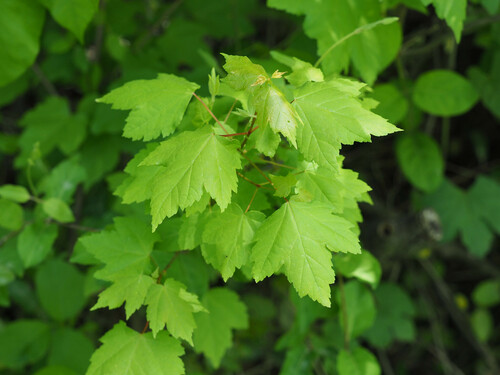
The Red Maple is a popular deciduous tree known for its vibrant fall foliage and rapid growth. While generally considered safe for pets, ingestion of large amounts of fibrous plant material may cause minor digestive discomfort.
Generally safe for cats & dogs.
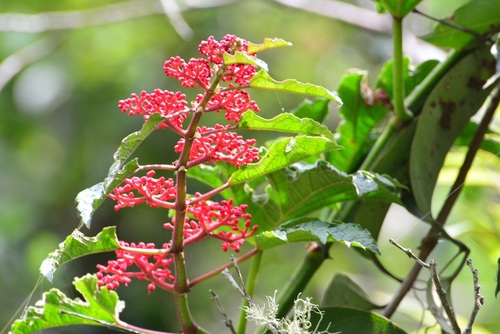
Cissus discolor is a striking vining plant known for its velvety, variegated foliage that features shades of silver, green, and deep purple. While not a true begonia, it is a popular ornamental climber that thrives in high-humidity environments.
Generally safe for cats & dogs.
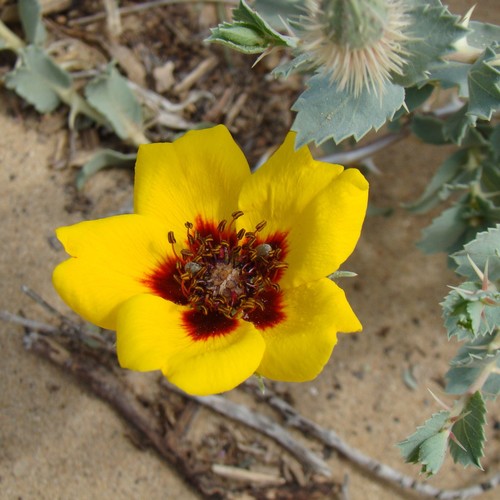
Roses are popular ornamental shrubs known for their fragrant blooms and thorny stems. They are considered non-toxic to pets, though their physical structure requires caution.
Generally safe for cats & dogs.
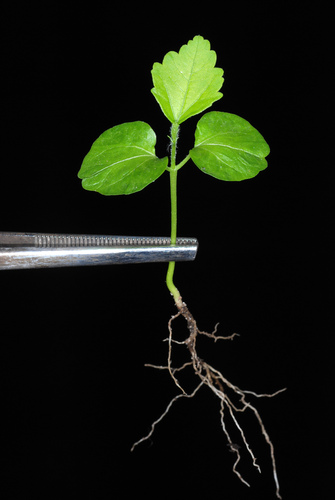
Rose of Sharon is a popular flowering shrub known for its large, showy blooms and hardy nature. While generally considered non-toxic, it is always best to prevent pets from consuming large amounts of plant material.
Generally safe for cats & dogs.
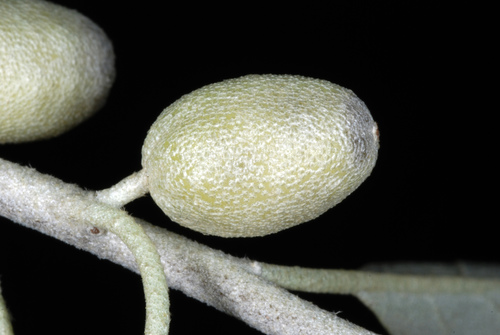
Russian Olive is a hardy, deciduous shrub or small tree known for its silvery foliage and fragrant, inconspicuous flowers. While generally considered non-toxic, it is not intended for consumption by pets.
Generally safe for cats & dogs.
S

Sage is a popular culinary and ornamental herb known for its aromatic, grey-green foliage. It is generally considered safe for household pets, though large ingestions of fibrous plant material may cause minor digestive discomfort.
Generally safe for cats & dogs.
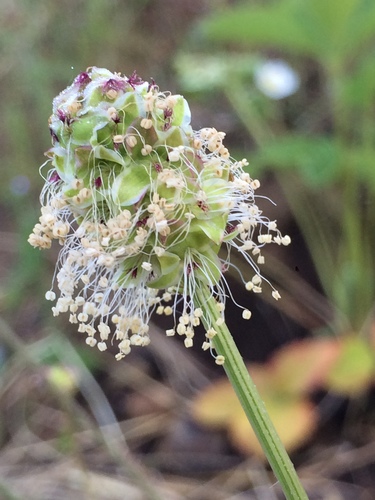
Salad Burnet is a perennial herb known for its cucumber-flavored leaves often used in culinary applications. It is considered safe for household pets, though large ingestions of fibrous plant material may occasionally cause minor digestive upset.
Generally safe for cats & dogs.
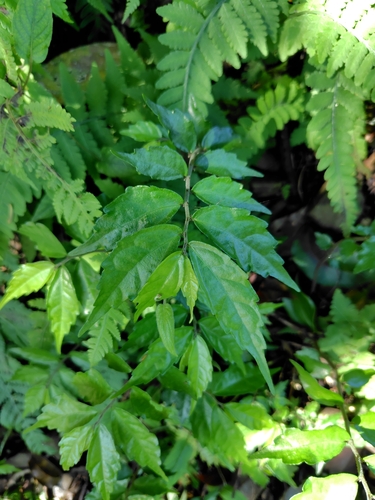
Satin Pellionia is a trailing tropical plant known for its striking, patterned foliage and preference for high humidity. It is considered safe for households with pets, though ingestion of any plant material can occasionally cause minor digestive discomfort.
Generally safe for cats & dogs.
Sawbrier is a woody, climbing vine native to North America, often recognized by its glaucous, blue-green foliage and occasional thorns. It is considered non-toxic to pets, though its fibrous nature may cause minor digestive discomfort if consumed in large quantities.
Generally safe for cats & dogs.
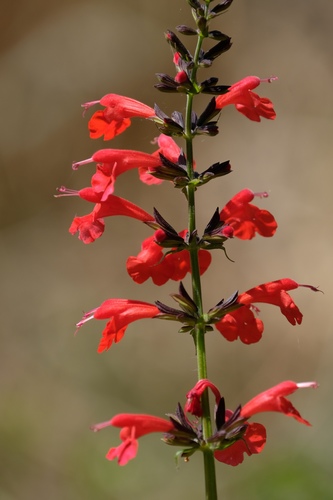
Scarlet Sage is a popular, vibrant flowering plant often grown in gardens for its spikes of tubular red flowers. It is considered non-toxic to pets, though ingestion of large amounts of fibrous plant material may cause minor digestive discomfort.
Generally safe for cats & dogs.
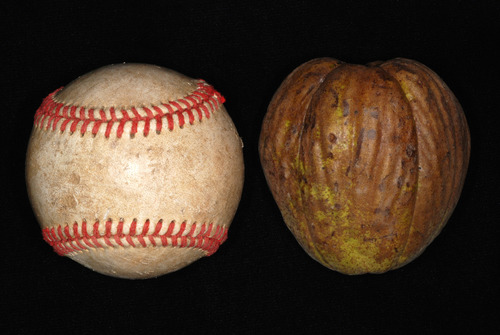
The Big Shagbark Hickory is a large deciduous tree known for its distinctive shaggy bark and edible nuts. It is considered non-toxic to pets, though ingestion of large amounts of fibrous plant material may cause minor digestive discomfort.
Generally safe for cats & dogs.
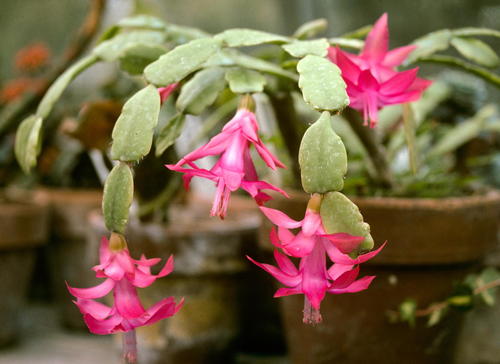
The Shrimp Cactus is a popular, trailing epiphytic cactus known for its unique, segmented stems and vibrant, pendulous flowers. It is considered safe for households with pets, though its fibrous nature may cause minor digestive discomfort if consumed in large quantities.
Generally safe for cats & dogs.
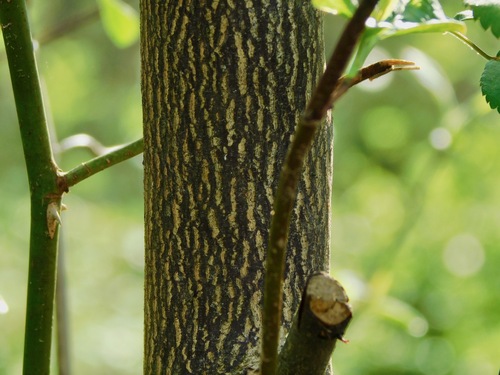
Silver Bell is a beautiful deciduous flowering tree known for its delicate, bell-shaped white flowers that appear in spring. It is considered non-toxic to pets, though ingestion of large amounts of plant material may cause minor digestive discomfort.
Generally safe for cats & dogs.
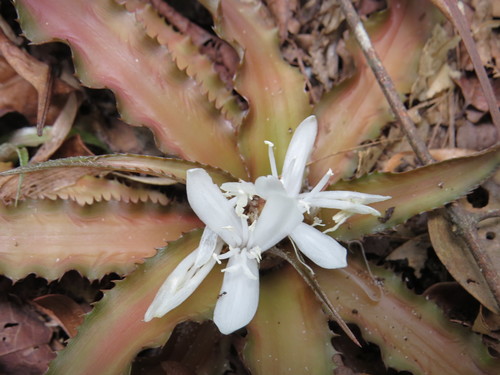
Silver Star is a low-growing, terrestrial bromeliad known for its striking, wavy-edged foliage that forms a star-like rosette. It is considered a safe, non-toxic houseplant for households with pets.
Generally safe for cats & dogs.
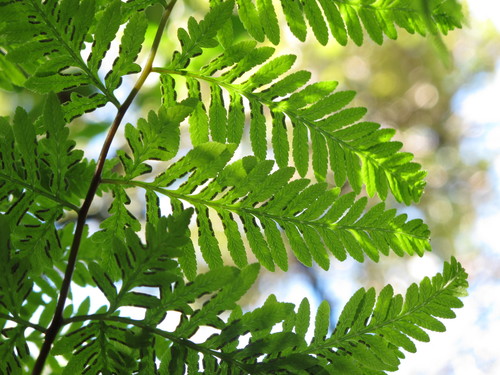
The Silver Table Fern is a popular, low-maintenance indoor fern known for its delicate, variegated fronds. It is considered non-toxic to pets, though ingestion of large amounts of plant material may cause minor digestive upset.
Generally safe for cats & dogs.
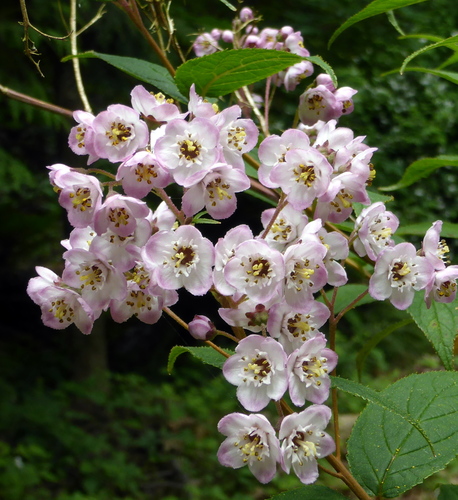
Slender Deutzia is a deciduous flowering shrub known for its delicate, bell-shaped white flowers that bloom in late spring. It is generally considered safe for household pets, though its fibrous nature may cause minor digestive discomfort if consumed in large quantities.
Generally safe for cats & dogs.
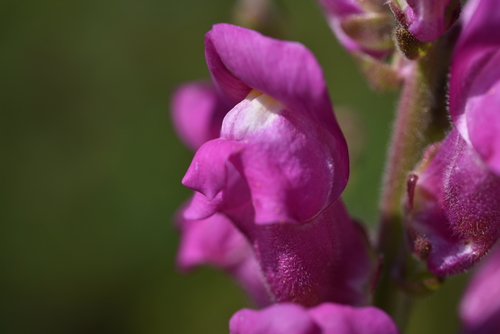
Snapdragons are popular, colorful garden annuals known for their unique, dragon-shaped blooms. They are considered non-toxic to pets, though ingestion of large amounts of plant material may cause mild digestive upset.
Generally safe for cats & dogs.
The Spice Orchid is a fragrant, epiphytic orchid known for its unique, dark-colored blooms and pleasant scent. It is generally considered safe for households with pets, though its fibrous nature may cause minor digestive discomfort if consumed in large quantities.
Generally safe for cats & dogs.

Spider Flower is a popular annual garden plant known for its unique, spidery blooms that add height and texture to flower beds. It is considered non-toxic to pets, though ingestion of large amounts of fibrous plant material may cause minor digestive discomfort.
Generally safe for cats & dogs.
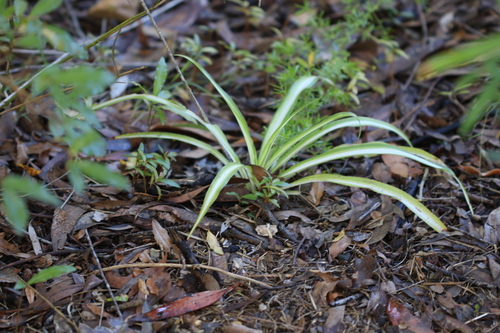
The spider plant is a popular, easy-to-care-for houseplant known for its arching, grass-like foliage and trailing plantlets. It is widely considered safe for households with pets, though large ingestions of fibrous material may occasionally cause mild digestive upset.
Generally safe for cats & dogs.
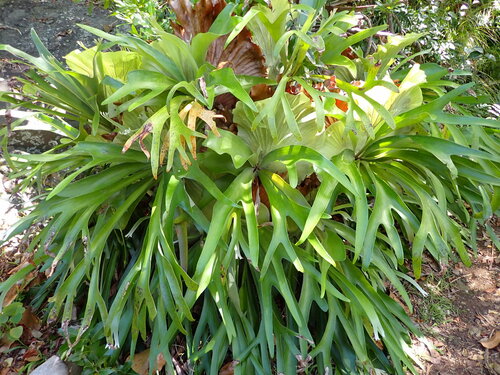
Staghorn Fern is a unique epiphytic fern known for its antler-shaped fronds. It is considered non-toxic to pets, though ingestion of large amounts of fibrous material may cause minor digestive discomfort.
Generally safe for cats & dogs.
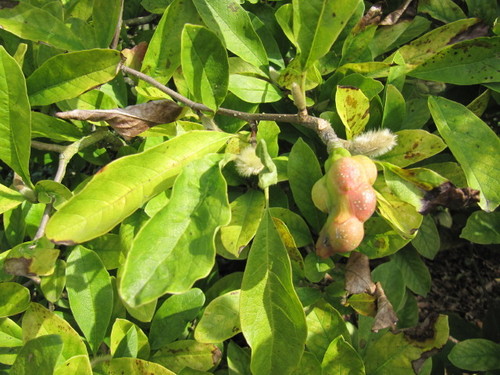
Star Magnolia is a popular deciduous shrub known for its early spring star-shaped flowers. It is considered non-toxic to pets, though ingestion of large amounts of fibrous plant material may cause mild digestive discomfort.
Generally safe for cats & dogs.
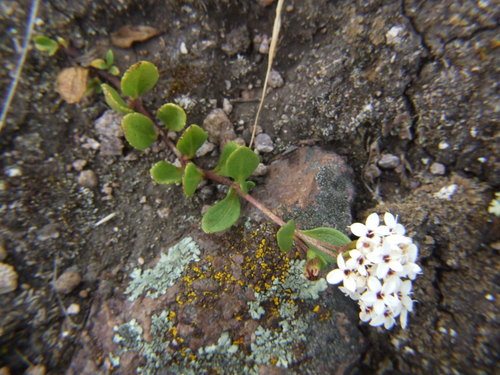
Stevia is a perennial herb widely cultivated for its intensely sweet leaves, which are used as a natural sugar substitute. It is generally considered safe for pets, though large ingestions of fibrous plant material may cause minor digestive discomfort.
Generally safe for cats & dogs.
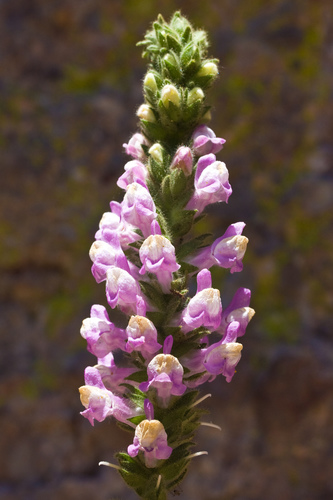
Antirrhinum multiflorum is a perennial wildflower native to California, known for its sticky, glandular foliage and tubular flowers. It is considered non-toxic to household pets, though ingestion of large amounts of plant material may cause minor digestive discomfort.
Generally safe for cats & dogs.
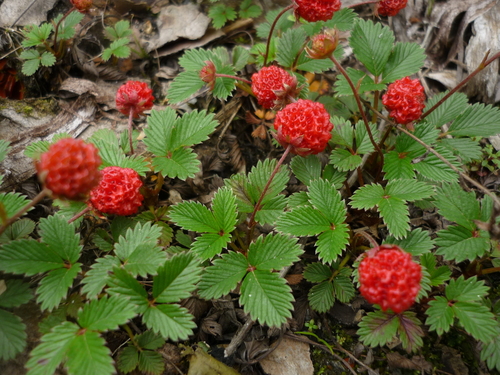
Strawberry plants are popular garden and container fruits known for their edible berries and trifoliate leaves. They are considered non-toxic to pets, though ingestion of large amounts of plant material may cause minor digestive discomfort.
Generally safe for cats & dogs.
String of Turtles is a popular, slow-growing trailing succulent known for its delicate, turtle-shell patterned leaves. It is considered safe for households with pets, though ingestion of large amounts of plant material may cause minor digestive discomfort.
Generally safe for cats & dogs.

Sudan Grass is a fast-growing annual grass often used as forage or cover crops, known for its tall, slender stalks and long, flat leaves. While generally considered non-toxic to pets, its fibrous nature can cause minor digestive discomfort if consumed in large quantities.
Generally safe for cats & dogs.
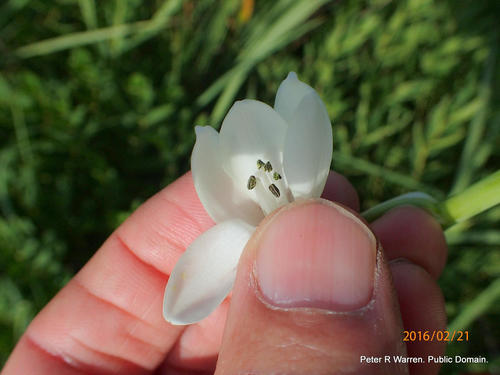
Summer Hyacinth is a bulbous perennial known for its tall, fragrant, bell-shaped white flowers that bloom in late summer. It is considered non-toxic to pets, though ingestion of any plant material can occasionally cause minor digestive upset.
Generally safe for cats & dogs.
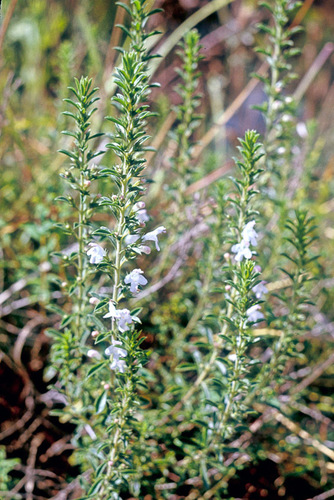
Summer Savory is a popular culinary herb known for its peppery flavor and aromatic foliage. It is considered safe for household pets, though large ingestions of fibrous plant material may occasionally cause minor digestive discomfort.
Generally safe for cats & dogs.
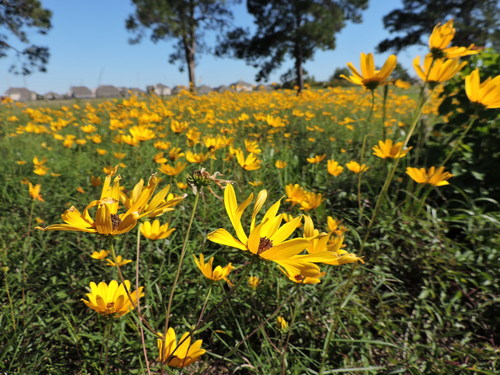
The Swamp Sunflower is a tall, perennial wildflower known for its bright yellow blooms and slender foliage. It is considered non-toxic to pets, though ingestion of large amounts of plant material may cause minor digestive discomfort.
Generally safe for cats & dogs.
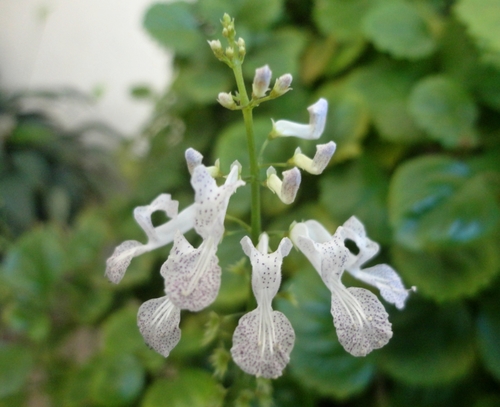
Swedish Ivy is a popular, fast-growing trailing houseplant known for its glossy, scalloped leaves and ease of care. It is considered non-toxic to pets, though ingestion of large amounts of plant material may cause minor digestive upset.
Generally safe for cats & dogs.
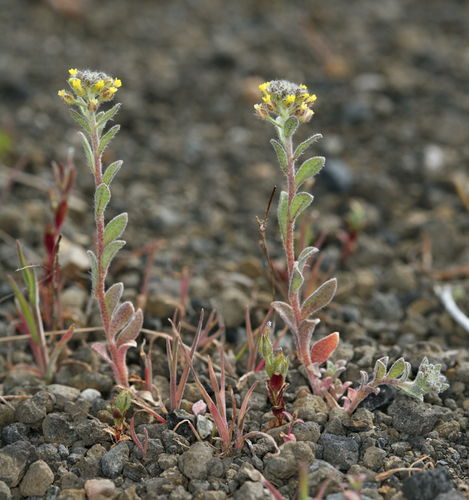
Alyssum is a popular, fragrant flowering plant often used in garden beds and containers. It is considered non-toxic to pets, though ingestion of large amounts of plant material may cause mild digestive upset.
Generally safe for cats & dogs.
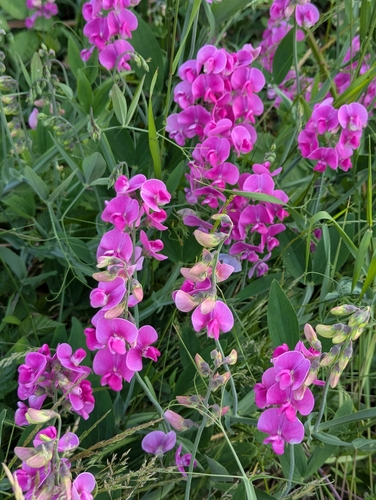
The Sweet Pea is a popular flowering vine known for its fragrant, colorful blooms. While generally considered non-toxic, it is not intended for consumption and may cause mild digestive discomfort if large amounts are ingested.
Generally safe for cats & dogs.
The Sweetheart Hoya is a popular succulent vine known for its distinctive heart-shaped leaves, often sold as a single-leaf cutting. It is considered non-toxic to pets, though its fibrous nature may cause mild digestive discomfort if consumed in large quantities.
Generally safe for cats & dogs.
T
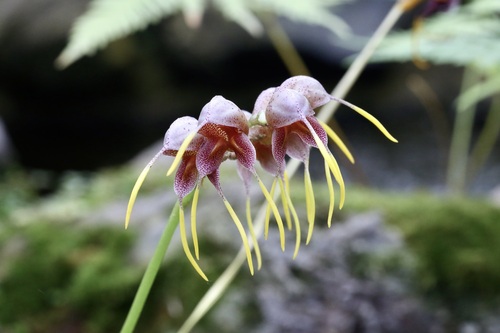
Masdevallia is a diverse genus of orchids known for their unique, often tubular flowers with long, tail-like sepals. They are generally considered safe for households with pets, though their fibrous nature may cause minor digestive discomfort if consumed in large quantities.
Generally safe for cats & dogs.
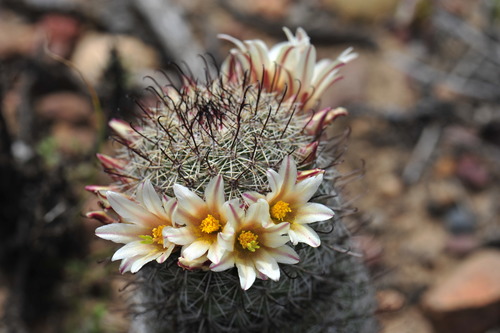
The Thimble Cactus is a small, clumping succulent known for its delicate, finger-like stems covered in soft spines. It is generally considered safe for pets, though its physical structure may cause minor irritation if ingested.
Generally safe for cats & dogs.
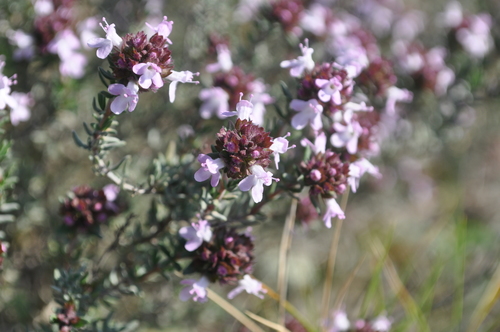
Thyme is a popular culinary and ornamental herb known for its aromatic foliage and low-growing habit. It is considered safe for pets, though large ingestions of any fibrous plant material may cause minor digestive discomfort.
Generally safe for cats & dogs.
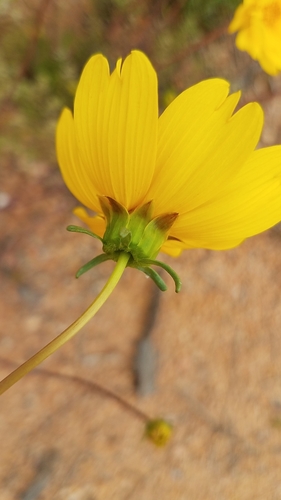
Tickseed is a cheerful, daisy-like flowering plant often found in gardens and meadows. It is considered safe for pets, though ingestion of large amounts of plant material may cause minor digestive discomfort.
Generally safe for cats & dogs.
Tillandsia punctulata is a species of air plant in the Bromeliad family, known for its bulbous base and slender, arching leaves. It is generally considered non-toxic to pets, though ingestion of any plant material can cause mild gastrointestinal upset.
Generally safe for cats & dogs.
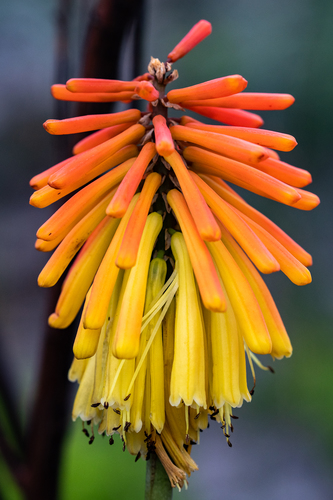
Torch Lily is a striking perennial known for its tall, flame-like flower spikes that add dramatic color to garden landscapes. It is considered non-toxic to pets, though its fibrous foliage may cause minor digestive irritation if consumed in large quantities.
Generally safe for cats & dogs.
Trailing Jade is a popular, low-maintenance houseplant known for its small, round, succulent-like leaves that grow on delicate, trailing stems. It is considered safe for households with pets, though ingestion of large amounts of plant material may cause minor digestive discomfort.
Generally safe for cats & dogs.
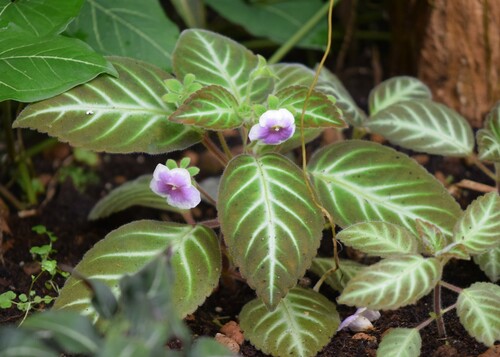
Tree Gloxinia is a charming gesneriad known for its velvety, patterned foliage and tubular flowers. It is considered safe for households with pets, though ingestion of any plant material can occasionally cause minor digestive discomfort.
Generally safe for cats & dogs.
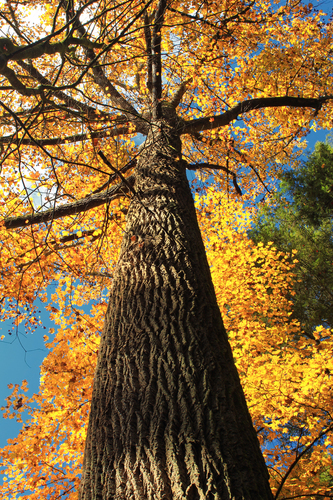
The Tulip Poplar is a large, fast-growing deciduous tree known for its distinct tulip-shaped leaves and showy flowers. While generally considered safe for pets, it is not a food source and should not be encouraged as a chew toy.
Generally safe for cats & dogs.
V
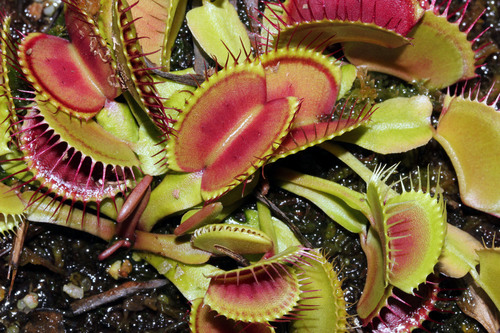
The Venus Fly Trap is a unique carnivorous plant native to the wetlands of the Carolinas, known for its specialized snap-trap leaves. It is considered safe for pets, though its fibrous structure may cause minor digestive upset if consumed in large quantities.
Generally safe for cats & dogs.
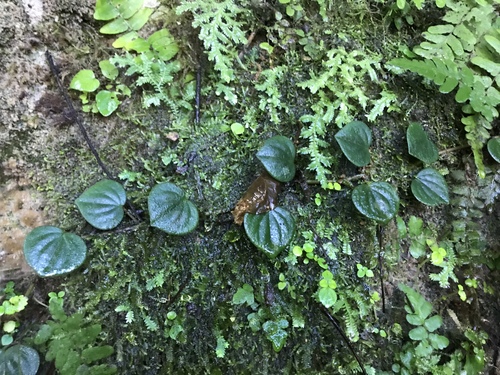
Vining Peperomia is a popular, low-maintenance trailing houseplant known for its succulent-like leaves and vining habit. It is considered safe for households with pets, though ingestion of large amounts of plant material may cause mild digestive discomfort.
Generally safe for cats & dogs.
W
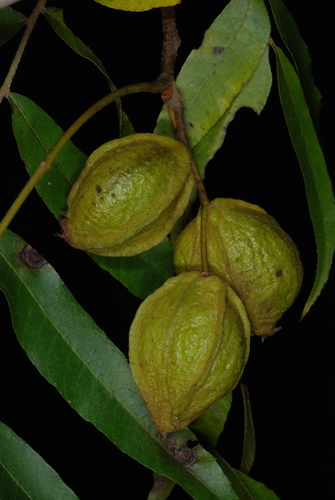
Carya aquatica is a deciduous tree native to wetlands, known for its bitter, inedible nuts and compound leaves. It is considered non-toxic to household pets, though ingestion of large amounts of plant material may cause minor digestive discomfort.
Generally safe for cats & dogs.
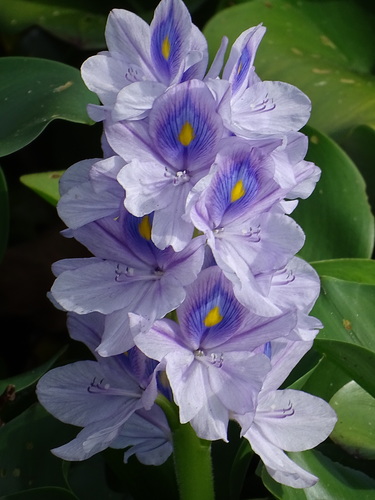
Water Hyacinth is a free-floating aquatic plant known for its striking lavender flowers and bulbous, air-filled leaf stalks. While it is considered non-toxic, its fibrous nature can occasionally cause mild digestive upset if consumed in large quantities.
Generally safe for cats & dogs.
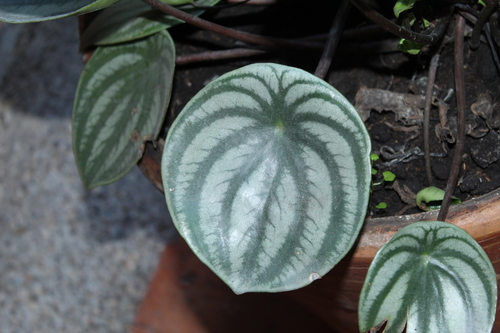
The Watermelon Peperomia is a popular, compact houseplant known for its striking, patterned foliage that resembles the rind of a watermelon. It is considered non-toxic to pets, making it a safe choice for households with cats and dogs.
Generally safe for cats & dogs.

Echeveria gilva is a popular, low-maintenance succulent known for its tight, rosette-forming leaves. It is considered non-toxic to household pets, though ingestion of large amounts of plant material can occasionally cause minor digestive irritation.
Generally safe for cats & dogs.
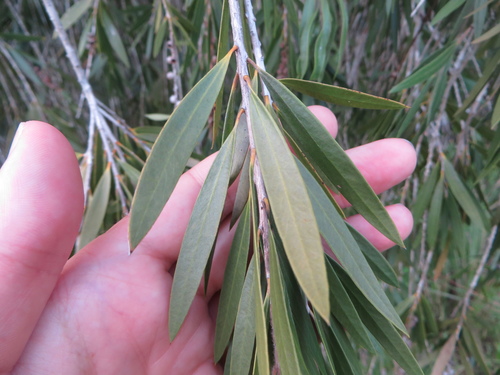
The Weeping Bottlebrush is a popular ornamental shrub known for its unique, brush-like flowers that resemble traditional bottle cleaners. It is generally considered safe for household pets, though its fibrous nature may cause minor digestive discomfort if consumed in large quantities.
Generally safe for cats & dogs.
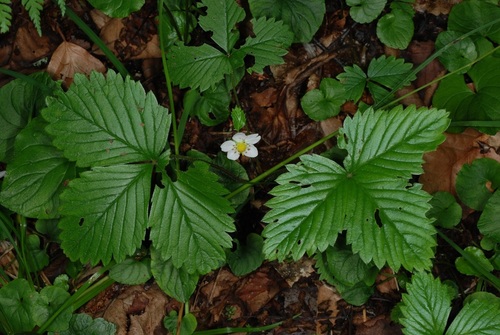
Wild Strawberry is a low-growing, perennial groundcover known for its small, edible fruits and trifoliate leaves. It is considered non-toxic to pets, though ingestion of large amounts of fibrous plant material may cause minor digestive discomfort.
Generally safe for cats & dogs.
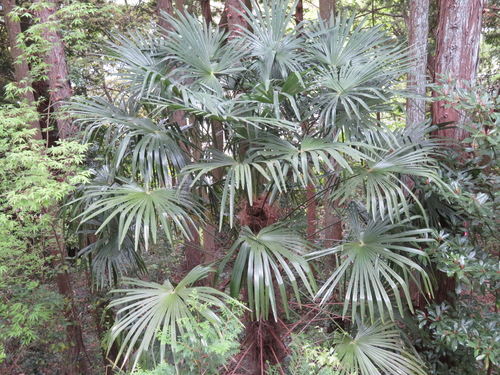
The Windmill Palm is a popular, hardy fan palm known for its distinctive hairy trunk and architectural foliage. It is considered non-toxic to pets, though its fibrous nature may cause minor digestive irritation if consumed in large quantities.
Generally safe for cats & dogs.
Z
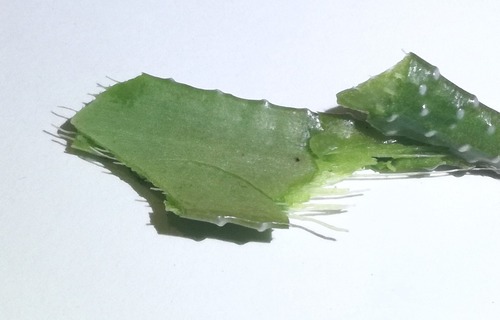
The Zebra Plant is a popular, low-maintenance succulent known for its striking white horizontal stripes on dark green, fleshy leaves. It is considered non-toxic to pets, making it a safe choice for households with cats and dogs.
Generally safe for cats & dogs.
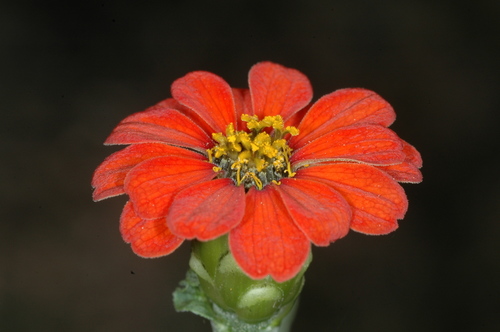
Zinnias are popular, colorful annual flowers known for their ease of growth and vibrant blooms in garden beds and containers. They are considered non-toxic to pets, though ingestion of large amounts of plant material may cause minor digestive discomfort.
Generally safe for cats & dogs.
Frequently asked questions
Are all the plants on this page safe for cats?
Yes — every plant listed is classified as generally safe for cats by the ASPCA Toxic and Non-Toxic Plants registry. Plants with any documented toxic principle for cats are excluded. The classification is reviewed against ASPCA on each verification cycle.
Can a cat-safe plant still make my cat sick?
Yes, in two ways. First, eating a large volume of any plant matter can cause mild GI upset (vomiting or diarrhea) even when the species is non-toxic. Second, pesticides, fertilizers, or soil additives on a houseplant can be toxic even if the plant itself is not. If you see symptoms, call your vet or ASPCA Animal Poison Control.
What are the most popular cat-safe houseplants?
Spider plant (Chlorophytum comosum), Boston fern (Nephrolepis exaltata), parlor palm (Chamaedorea elegans), African violet (Saintpaulia ionantha), prayer plant (Maranta leuconeura), and most Calathea species are all on the ASPCA non-toxic-for-cats list. Tap any plant card above to see the full safety summary.
Is lavender safe for cats?
True lavender (Lavandula angustifolia) is listed by ASPCA as toxic to cats due to linalool and linalyl acetate, so it does not appear on this page. Many people are surprised by this — if you want a cat-safe aromatic herb, consider basil or cilantro.
Are succulents safe for cats?
Some are, some are not. Haworthia, echeveria, and most Sedum species are non-toxic; aloe vera, jade plant (Crassula ovata), euphorbia, and kalanchoe are toxic to cats. Use the search at the top of the site to check a specific succulent.
What should I do if my cat ate one of these plants?
If the plant is on this list, the most likely outcome is no symptoms at all or transient GI upset. Watch for vomiting, diarrhea, lethargy, or reduced appetite over 24 hours. If symptoms appear or you are unsure, call your vet or ASPCA Animal Poison Control at (888) 426-4435. Bring a photo of the plant or a leaf with you.