Cats & Dogs
Potentially toxicConsulted references classify the plant as toxic or irritating for that pet type.
Verified against ASPCA/provenance audit 2026-05-06 on May 6, 2026.
Sources
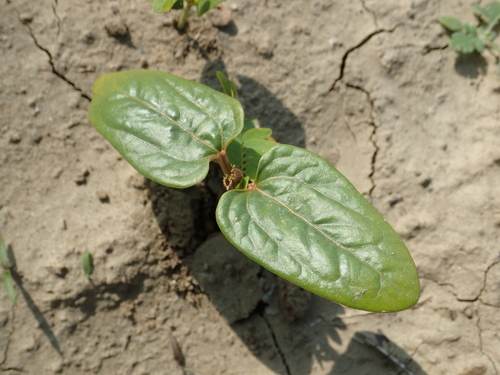
Ricinus communis
The African Wonder Tree is a fast-growing ornamental shrub known for its large, palm-like leaves and unique seed pods. It contains ricin, a highly potent toxin found throughout the plant, with the highest concentration in the seeds.
Safety status
Cats & Dogs
Potentially toxicConsulted references classify the plant as toxic or irritating for that pet type.
Verified against ASPCA/provenance audit 2026-05-06 on May 6, 2026.
Sources
If a pet has chewed or swallowed plant material and is showing symptoms, contact a veterinarian or poison resource immediately. This product is for structured reference, not diagnosis.
Cats — concern notes
Common signs
Abdominal pain, vomiting, diarrhea, excessive thirst, weakness, and potential tremors or seizures.
Escalation note
This plant is considered highly toxic. Ingestion of any part, especially seeds, is a medical emergency; contact your veterinarian or an animal poison control center immediately.
Dogs — concern notes
Common signs
Severe gastrointestinal distress, drooling, loss of appetite, dehydration, and potential organ damage.
Escalation note
The plant contains ricin, which is extremely dangerous to dogs. Immediate veterinary intervention is required if ingestion is suspected.
Safer alternatives
No hand-picked alternatives for this plant yet. You can still pick your own using the Compare button on any other plant.
ASPCA Toxic Plant List
toxicology · 99% reliability
Castor Bean is toxic to both cats and dogs due to the presence of ricin.
NC State Extension Plant Toolbox
botanical · 94% reliability
Ricinus communis is a large, fast-growing shrub that is highly poisonous if ingested.
Yes, castor bean (Ricinus communis) is highly toxic to cats. The plant contains ricin, a potent toxin found throughout the entire plant, with the highest concentration in the seeds. Any ingestion is considered a medical emergency.
Early signs include oral irritation, burning of the mouth and throat, drooling, intense thirst, vomiting, and diarrhea — which can begin within minutes to a few hours of chewing seeds. As ricin spreads, symptoms progress to weakness, abdominal pain, trembling, loss of coordination, and bloody diarrhea. Severe cases can advance to convulsions and kidney failure within 1–3 days.
Get your cat to a veterinarian immediately — do not wait for symptoms to appear. On the way, call ASPCA Animal Poison Control at (888) 426-4435 or Pet Poison Helpline at (855) 764-7661. Bring a sample or photo of the plant and a count of seeds if possible, and do not attempt to induce vomiting at home unless explicitly directed by poison control or your vet.
Oral irritation and vomiting can begin within minutes to a few hours of chewing seeds, but full systemic signs typically develop 12–48 hours after ingestion. Without aggressive in-clinic treatment, severe cases can progress to kidney failure, convulsions, and coma over 1–3 days — which is why any suspected ingestion is a 'go now' emergency, not a wait-and-see situation.
Yes, castor bean (Ricinus communis) is extremely toxic to dogs. The plant contains ricin, a highly potent toxin found throughout the plant — including leaves, stems, and roots — with the highest concentration in the seeds. This is a true emergency: immediate veterinary intervention is required if ingestion is suspected.
Symptoms can begin within hours of chewing seeds (oral irritation, heavy drooling, vomiting) but the full toxic picture — including bloody vomiting, diarrhea, abdominal pain, weakness, trembling, dehydration, and labored breathing — typically develops 12–48 hours after ingestion. Without aggressive in-clinic treatment, severe cases can progress to organ failure and death over 1–3 days.
Get to a veterinarian immediately — do not wait for symptoms. Bring a sample of the plant or any remaining seeds for identification. Do not try to induce vomiting at home unless poison control or your vet specifically instructs you to; decontamination with activated charcoal and IV fluids is most effective when done at the clinic. Call ASPCA Poison Control (888-426-4435) or Pet Poison Helpline (855-764-7661) on the way.
The seeds (castor beans) carry the highest concentration of ricin and are the highest-risk part of the plant, but ricin is present throughout the entire plant — leaves, stems, and roots are all dangerous. Even a small number of seeds can be lethal to a dog, so there is no 'safe' part of this plant to have within reach of a pet.
Same safety verdict
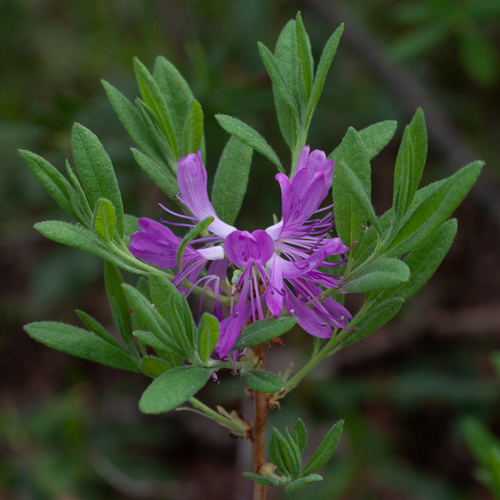
Azaleas are flowering shrubs in the Rhododendron genus that contain grayanotoxins, which can cause significant illness if ingested by pets. These plants are highly toxic and require immediate veterinary attention if consumption is suspected.
Potentially toxic for cats & dogs.
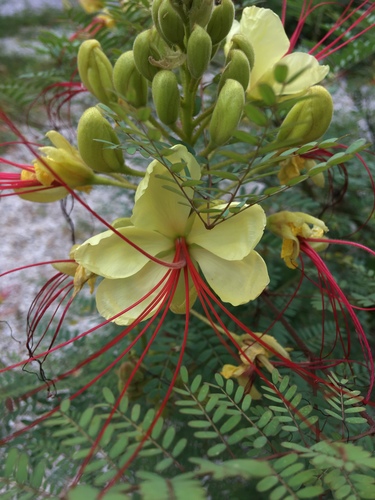
Barbados Pride is a flowering shrub known for its striking yellow flowers and long red stamens. It contains compounds that can cause gastrointestinal distress if ingested by pets.
Potentially toxic for cats & dogs.
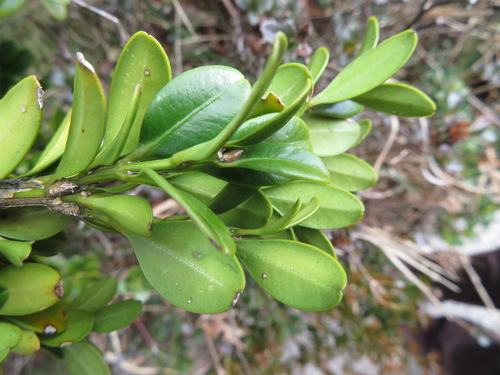
Boxwood is a popular evergreen shrub often used for hedging and topiary, containing steroidal alkaloids that can cause gastrointestinal distress if ingested. It is considered toxic to both cats and dogs.
Potentially toxic for cats & dogs.
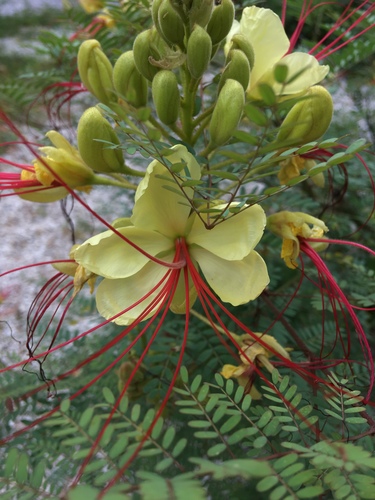
Caesalpinia gilliesii, often called the Bird of Paradise shrub, is a flowering plant known for its striking yellow and red blooms. It contains compounds that can cause gastrointestinal distress if ingested by pets.
Potentially toxic for cats & dogs.
Same growing conditions
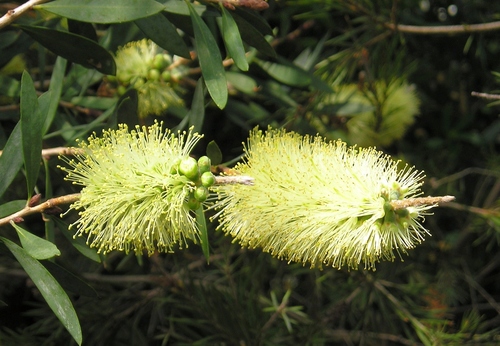
Bottlebrush is a popular ornamental shrub known for its unique, spike-like flowers that resemble traditional bottle-cleaning brushes. It is generally considered safe for household pets, though ingestion of large amounts of plant material may cause minor digestive discomfort.
Uncertain for cats.
Generally safe for dogs.
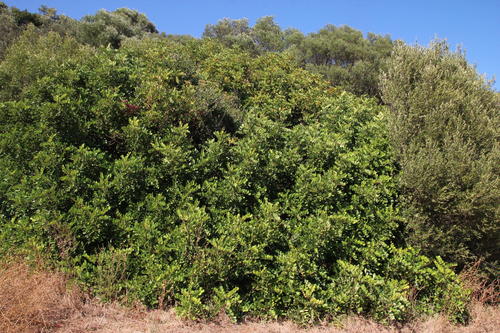
Carob is a Mediterranean evergreen tree known for its edible pods, which are commonly used as a chocolate substitute. It is considered safe for pets, though its fibrous nature may cause minor digestive discomfort if consumed in large quantities.
Generally safe for cats & dogs.

The Honey Locust is a large, deciduous tree known for its feathery foliage and long, flat seed pods. While it is considered non-toxic, the fibrous nature of the plant material may cause minor digestive discomfort if consumed in large quantities.
Generally safe for cats.
Not yet rated for dogs.
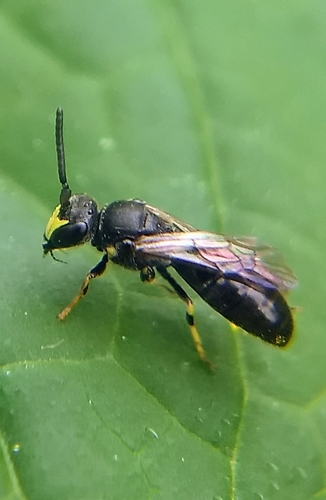
Algaroba is a leguminous tree known for its hardy nature and feathery foliage. While it is not considered toxic, the fibrous nature of the plant material may cause minor digestive discomfort if consumed in large quantities.
Generally safe for cats.
Not yet rated for dogs.