Cats & Dogs
Potentially toxicConsulted references classify the plant as toxic or irritating for that pet type.
Verified against ASPCA/provenance audit 2026-05-06 on May 6, 2026.
Sources
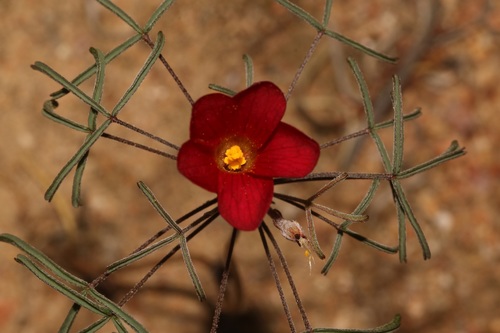
Oxalis spp.
Oxalis species, often known as wood sorrel or shamrock plants, are popular indoor plants characterized by their clover-like foliage. They contain soluble calcium oxalates which can cause irritation if ingested by pets.
Safety status
Cats & Dogs
Potentially toxicConsulted references classify the plant as toxic or irritating for that pet type.
Verified against ASPCA/provenance audit 2026-05-06 on May 6, 2026.
Sources
If a pet has chewed or swallowed plant material and is showing symptoms, contact a veterinarian or poison resource immediately. This product is for structured reference, not diagnosis.
Cats — concern notes
Common signs
Drooling, vomiting, decreased appetite, and oral irritation.
Escalation note
Ingestion of large quantities may lead to more severe systemic effects due to calcium oxalate crystals. Please contact your veterinarian if you suspect your cat has ingested this plant.
Dogs — concern notes
Common signs
Drooling, vomiting, and difficulty swallowing.
Escalation note
The plant causes irritation to the mouth and digestive tract. If your dog shows signs of distress after chewing on the plant, consult a veterinarian immediately.
Safer alternatives
No hand-picked alternatives for this plant yet. You can still pick your own using the Compare button on any other plant.
ASPCA Toxic Plant List
toxicology · 99% reliability
Oxalis species contain soluble calcium oxalates that are toxic to cats and dogs.
NC State Extension Plant Toolbox
botanical · 94% reliability
Oxalis is a large genus of plants in the wood sorrel family, often grown for their attractive foliage.
Yes, the shamrock plant (Oxalis spp.) is potentially toxic to cats. It contains soluble calcium oxalates, which can cause oral irritation, drooling, vomiting, and decreased appetite if ingested.
For small exposures, expect drooling, vomiting, mild diarrhea, and a brief loss of appetite — usually starting within a few hours and easing within 24 hours. Larger ingestions can cause weakness, tremors, lethargy, and bloody diarrhea as blood calcium drops; renal failure is rare but possible after a large amount.
Do not induce vomiting. Remove any remaining plant material and rinse fragments from your cat's mouth and paws, then call your vet or the ASPCA Animal Poison Control Center at (888) 426-4435 right away. Call immediately if your cat ate more than a leaf or two, or if you see weakness, tremors, repeated vomiting, or blood in vomit or stool.
Oxalis plants contain soluble calcium oxalates, which bind to calcium in the body when ingested in large quantities. This can lower blood calcium levels and, in significant exposures, potentially affect the kidneys — though severe systemic effects are more likely after large ingestions than a casual nibble.
Yes, the shamrock plant (Oxalis spp.) is potentially toxic to dogs. It contains soluble calcium oxalates that irritate the mouth and digestive tract. Even a small amount can cause drooling, vomiting, and difficulty swallowing.
After chewing on a shamrock plant, expect drooling, mild vomiting, difficulty swallowing, and a pause in appetite within a few hours. Larger ingestions can produce diarrhea (sometimes bloody), tremors, weakness, and lethargy as calcium levels drop; acute kidney injury is uncommon but possible after a large amount is eaten.
Do not induce vomiting unless directed by a vet. Clear any remaining plant material from your dog's mouth and rinse fragments off the paws and muzzle, then call the ASPCA Animal Poison Control Center at (888) 426-4435 or your veterinarian before any further home treatment. Call immediately if your dog ate more than a couple of leaves, or if you see tremors, weakness, repeated vomiting, or blood in vomit or stool.
Vomiting and drooling typically start within a few hours of ingestion. Most small exposures resolve within 24 hours, but systemic signs from a larger dose — such as tremors, weakness, or diarrhea — can develop over the first day. Small breeds and puppies are at higher risk and should be seen by a vet sooner than large adult dogs.
Often compared with
Same safety verdict
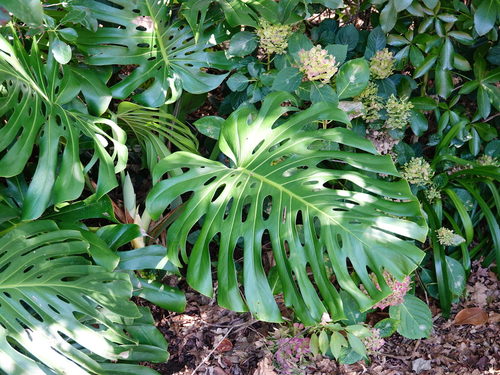
Monstera deliciosa is a popular tropical houseplant known for its large, fenestrated leaves and vining growth habit. It contains insoluble calcium oxalate crystals that can cause irritation if ingested by pets.
Potentially toxic for cats & dogs.
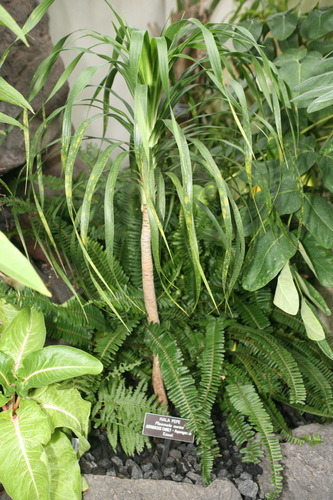
Dracaena trifasciata is a popular, hardy houseplant known for its stiff, sword-like leaves with striking yellow margins. It is widely appreciated for its air-purifying qualities and ability to thrive in various indoor conditions.
Potentially toxic for cats & dogs.
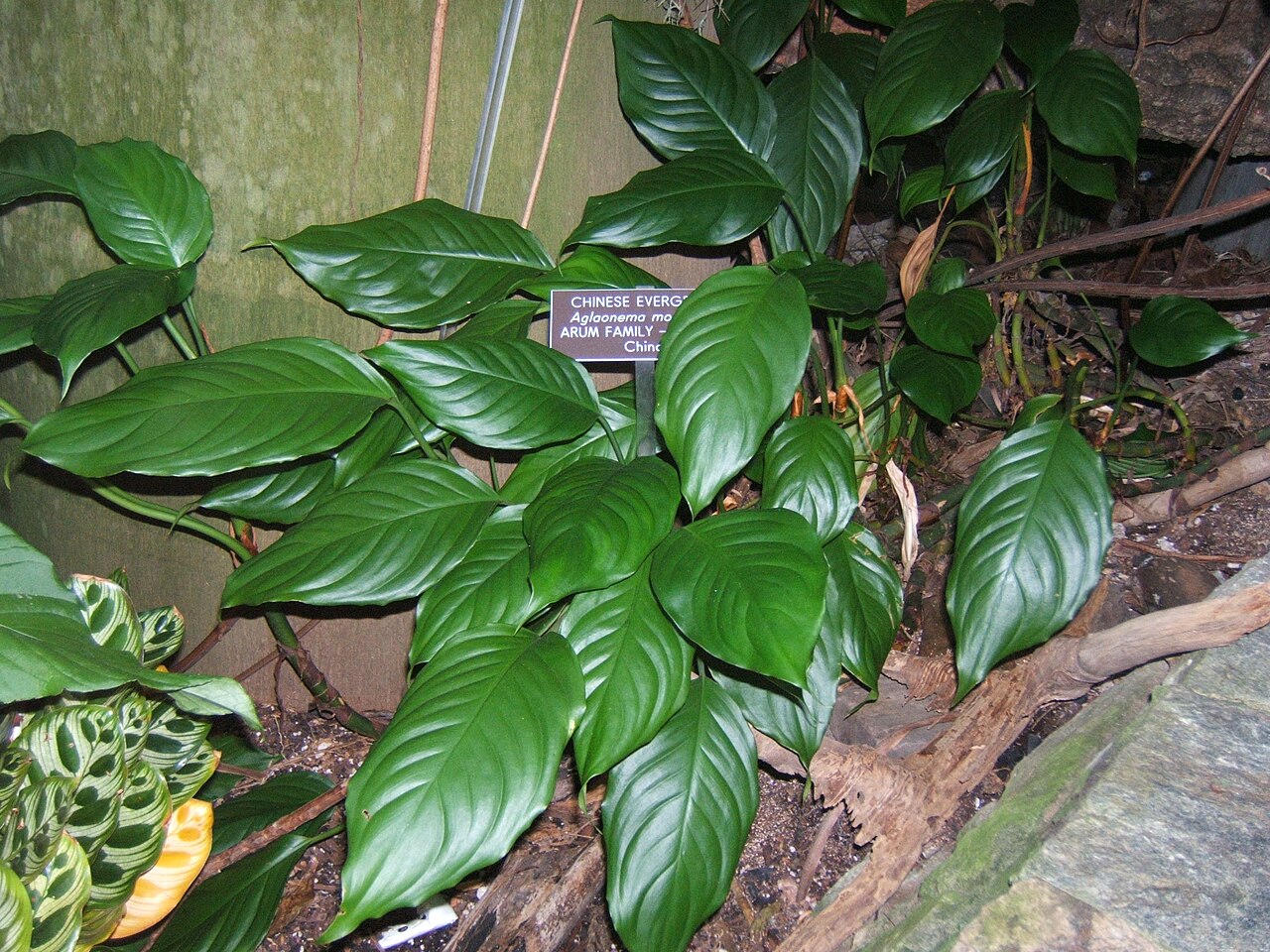
Chinese Evergreen is a popular indoor foliage plant known for its patterned leaves and tolerance of low light conditions. It contains insoluble calcium oxalate crystals that can cause irritation if ingested or chewed.
Potentially toxic for cats & dogs.
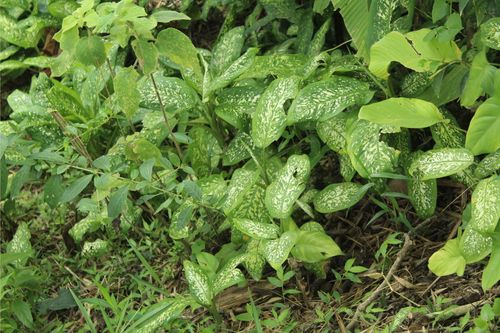
Dieffenbachia is a popular tropical houseplant known for its large, variegated leaves. It contains insoluble calcium oxalate crystals that can cause irritation if ingested or chewed.
Potentially toxic for cats & dogs.