Cats & Dogs
Potentially toxicConsulted references classify the plant as toxic or irritating for that pet type.
Verified against ASPCA/provenance audit 2026-05-06 on May 6, 2026.
Sources
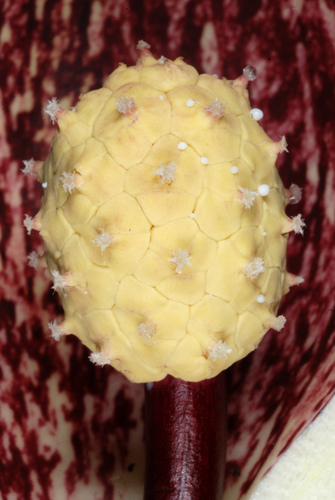
Symplocarpus foetidus
Skunk Cabbage is a wetland-dwelling perennial known for its distinct odor and early spring emergence. It contains calcium oxalate crystals which can cause irritation upon ingestion.
Safety status
Cats & Dogs
Potentially toxicConsulted references classify the plant as toxic or irritating for that pet type.
Verified against ASPCA/provenance audit 2026-05-06 on May 6, 2026.
Sources
If a pet has chewed or swallowed plant material and is showing symptoms, contact a veterinarian or poison resource immediately. This product is for structured reference, not diagnosis.
Cats — concern notes
Common signs
Oral irritation, intense burning and irritation of the mouth, tongue and lips, excessive drooling, vomiting, and difficulty swallowing.
Escalation note
The presence of insoluble calcium oxalate crystals causes immediate mechanical irritation. If your cat has ingested this plant, please contact your veterinarian or a pet poison control center immediately.
Dogs — concern notes
Common signs
Oral irritation, excessive drooling, vomiting, difficulty swallowing, and pawing at the mouth.
Escalation note
Ingestion typically results in immediate discomfort due to the plant's crystalline structure. Veterinary consultation is recommended to manage symptoms and ensure no further complications arise.
Safer alternatives
No hand-picked alternatives for this plant yet. You can still pick your own using the Compare button on any other plant.
ASPCA Toxic Plant List
toxicology · 99% reliability
Skunk cabbage is listed as toxic to both cats and dogs due to the presence of insoluble calcium oxalate crystals.
NC State Extension Plant Toolbox
botanical · 94% reliability
Symplocarpus foetidus is a native perennial that thrives in wet, boggy soils and is characterized by its early spring spathe and spadix.
Yes, skunk cabbage (Symplocarpus foetidus) is toxic to cats. It contains insoluble calcium oxalate crystals that cause immediate mechanical irritation to the mouth, tongue, and lips upon contact.
The most common signs are intense drooling, pawing at the mouth, vocalization, and refusing food immediately after chewing. Vomiting and difficulty swallowing are also common. In rare cases, swelling can affect breathing — treat this as an emergency.
Call your veterinarian or the ASPCA Animal Poison Control Center at (888) 426-4435 right away. Call immediately if you see facial swelling, breathing trouble, or drooling that doesn't ease within an hour. For milder reactions, seek care if vomiting or food refusal continues past 4–6 hours. Signs typically appear immediately but can take up to two hours, and discomfort generally resolves within 12–24 hours with supportive care.
The insoluble calcium oxalate crystals act as tiny mechanical irritants — when a cat chews the plant, the crystals physically pierce soft tissue in the mouth, tongue, and throat, causing an intense burning sensation and triggering drooling, vomiting, and difficulty swallowing almost immediately.
Yes, skunk cabbage (Symplocarpus foetidus) is potentially toxic to dogs. It contains calcium oxalate crystals that cause immediate oral irritation upon ingestion, along with excessive drooling, vomiting, difficulty swallowing, and pawing at the mouth.
The most common signs are heavy drooling, pawing at the muzzle, lip-smacking, and refusing food — all caused by the sharp calcium oxalate crystals irritating the mouth and throat. Vomiting and trouble swallowing often follow. In rare cases, airway swelling can develop, which is a medical emergency.
Call the ASPCA Animal Poison Control Center at (888) 426-4435 right away. Rinse your dog's mouth with water to help clear the crystals. Call your vet immediately if you see facial swelling, difficulty breathing, or your dog can't swallow water; for milder oral irritation, seek care if drooling, vomiting, or food refusal lasts more than a few hours. Symptoms typically resolve within 12–24 hours with supportive care.
Signs are usually immediate because the calcium oxalate crystals cause physical irritation on contact with the mouth and throat. In some cases onset may be delayed up to two hours. Symptoms typically resolve within 12–24 hours with supportive care, but veterinary consultation is recommended to manage discomfort and rule out complications like airway swelling.
Same safety verdict
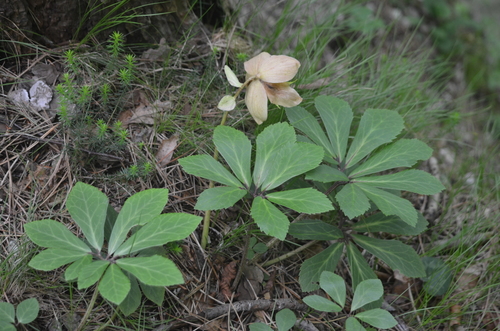
The Christmas Rose is a perennial flowering plant known for its winter blooms, but it contains cardiac glycosides that are harmful if ingested. It is considered toxic to both cats and dogs.
Potentially toxic for cats & dogs.
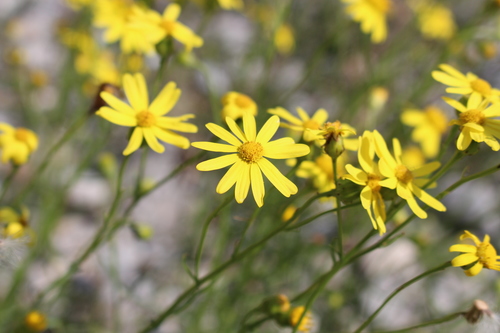
Golden Ragwort is a flowering perennial known for its bright yellow blooms and foliage. It contains pyrrolizidine alkaloids that can cause significant health issues if ingested by pets.
Potentially toxic for cats & dogs.
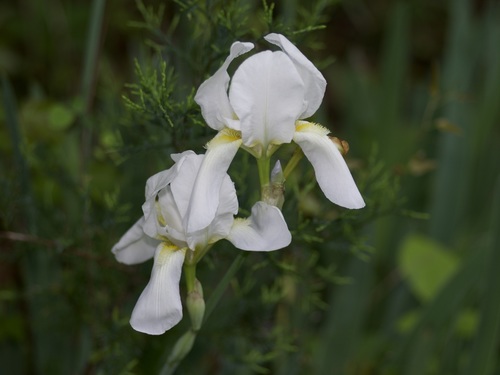
Iris species are popular perennial garden plants known for their showy, complex flowers and sword-like foliage. They contain chemical compounds that can cause gastrointestinal irritation if ingested by pets.
Potentially toxic for cats & dogs.
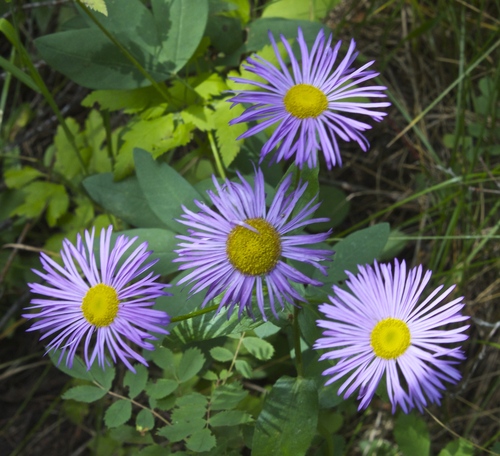
Erigeron speciosus is a perennial flowering plant in the daisy family known for its showy, lavender-blue blooms. While popular in gardens, it is considered toxic to household pets if ingested.
Potentially toxic for cats & dogs.