Cats & Dogs
Potentially toxicConsulted references classify the plant as toxic or irritating for that pet type.
Verified against ASPCA/provenance audit 2026-05-06 on May 6, 2026.
Sources
Dracaena spp.
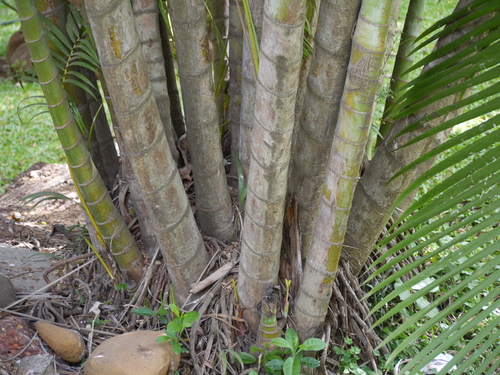
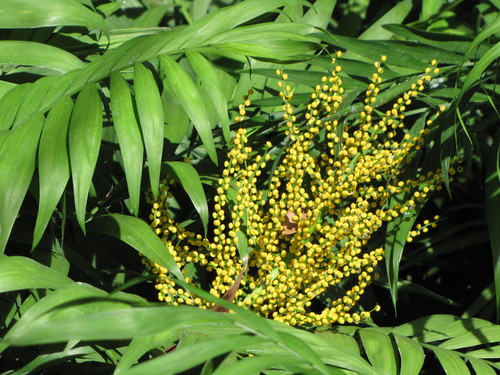
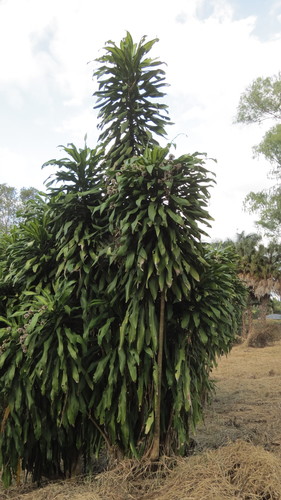
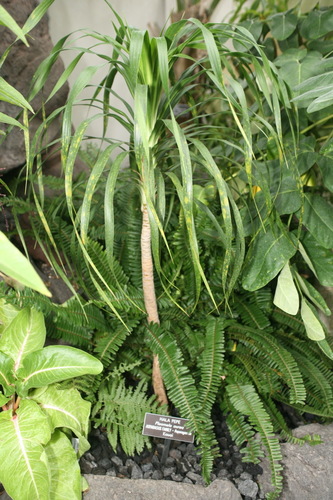
Dracaena is a popular genus of ornamental foliage plants known for their architectural, palm-like appearance. They contain saponins which can cause gastrointestinal and neurological distress if ingested by pets.
Safety status
Cats & Dogs
Potentially toxicConsulted references classify the plant as toxic or irritating for that pet type.
Verified against ASPCA/provenance audit 2026-05-06 on May 6, 2026.
Sources
If a pet has chewed or swallowed plant material and is showing symptoms, contact a veterinarian or poison resource immediately. This product is for structured reference, not diagnosis.
Cats — concern notes
Common signs
Vomiting (sometimes with blood), depression, anorexia, hypersalivation, and dilated pupils.
Escalation note
Ingestion can lead to significant discomfort. Please contact your veterinarian or a pet poison control center if you suspect your cat has ingested any part of this plant.
Dogs — concern notes
Common signs
Vomiting, loss of appetite, excessive drooling, and lethargy.
Escalation note
While typically not fatal, the saponins can cause moderate gastrointestinal irritation. Always consult a veterinarian if your dog shows signs of illness after exposure.
Safer alternatives
Some links earn us a small commission. They never affect our safety classifications.
ASPCA Toxic Plant List
toxicology · 99% reliability
Dracaena contains saponins which can cause vomiting, depression, anorexia, hypersalivation and dilated pupils in cats and dogs.
NC State Extension Plant Toolbox
botanical · 94% reliability
A large genus of tropical shrubs and trees often grown as houseplants, noted for their toxicity to pets.
Yes, dracaena is toxic to cats. The plant contains saponins that can cause vomiting (sometimes with blood), depression, loss of appetite, hypersalivation, and dilated pupils if ingested.
Symptoms include vomiting (occasionally bloody), drooling, loss of appetite, depression, and dilated pupils — the dilated pupils are a hallmark sign in cats. Larger ingestions can also cause weakness and lack of coordination. Onset typically occurs within a few hours of ingestion.
Monitor your cat closely and call your vet or the ASPCA Animal Poison Control Center at (888) 426-4435 immediately if vomiting is repeated or bloody, your cat is lethargic, weak, or unsteady, or you notice dilated pupils. A single mild bout of vomiting that resolves on its own may not require an emergency visit, but call for guidance. Mild cases tend to resolve within 12–24 hours.
The toxic compounds in dracaena are saponins, which are present throughout the plant. There is no documented 'safe' part — any ingestion of leaves, stems, or other plant material can cause gastrointestinal and neurological symptoms in cats.
Yes, dracaena is toxic to dogs. The plant contains saponins that can cause gastrointestinal and neurological distress, making it potentially harmful if chewed or ingested.
The most common signs are vomiting (sometimes with blood), excessive drooling, loss of appetite, and lethargy. Larger ingestions may also cause weakness or lack of coordination.
Monitor your dog closely for vomiting, drooling, lethargy, or refusal to eat. Call your veterinarian or the ASPCA Animal Poison Control Center at (888) 426-4435 right away if vomiting is repeated or bloody, your dog becomes weak or wobbly, or stops drinking water.
Signs typically appear within a few hours of chewing the plant. Mild cases usually resolve within 24 hours, though exact timing is not well documented; if symptoms persist or worsen, contact your vet.
Often compared with
Commonly confused with
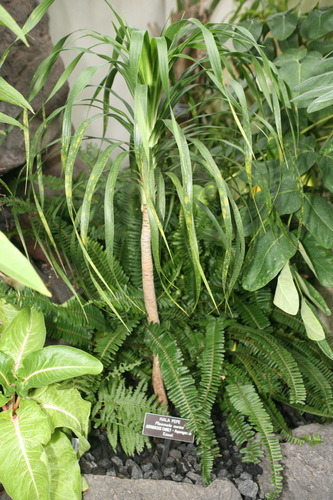
Dracaena trifasciata is a popular, hardy houseplant known for its stiff, sword-like leaves with striking yellow margins. It is widely appreciated for its air-purifying qualities and ability to thrive in various indoor conditions.
Potentially toxic for cats & dogs.
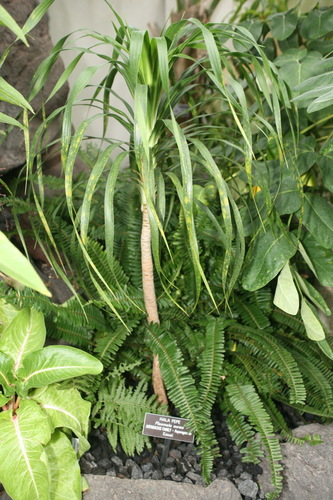
The Madagascar Dragon Tree is a popular, slow-growing indoor plant known for its slender, woody stems and spiky, colorful foliage. It contains saponins, which can cause gastrointestinal distress if ingested by pets.
Potentially toxic for cats & dogs.
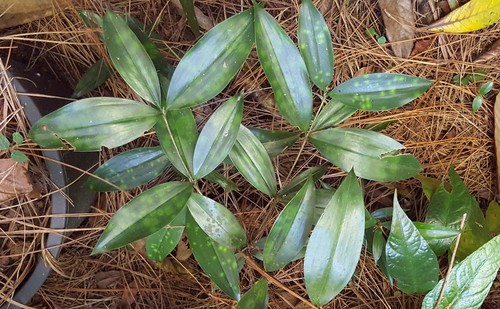
Dracaena surculosa is a popular ornamental houseplant known for its spotted, leathery foliage. It contains saponins which can cause gastrointestinal distress if ingested by pets.
Potentially toxic for cats & dogs.
Same genus
Same safety verdict
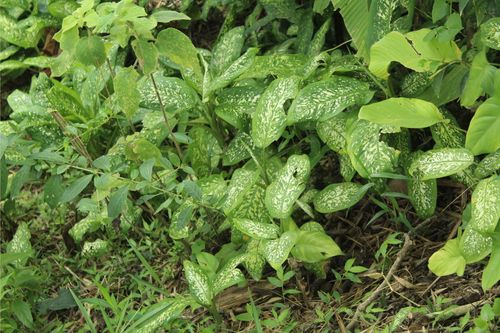
Dieffenbachia is a popular tropical houseplant known for its large, variegated leaves. It contains insoluble calcium oxalate crystals that can cause irritation if ingested or chewed.
Potentially toxic for cats & dogs.
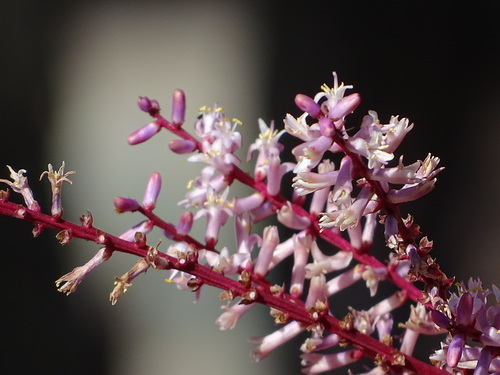
The Baby Doll Ti Plant is a popular tropical ornamental known for its vibrant, colorful foliage. It contains saponins which can cause gastrointestinal distress if ingested by pets.
Potentially toxic for cats & dogs.
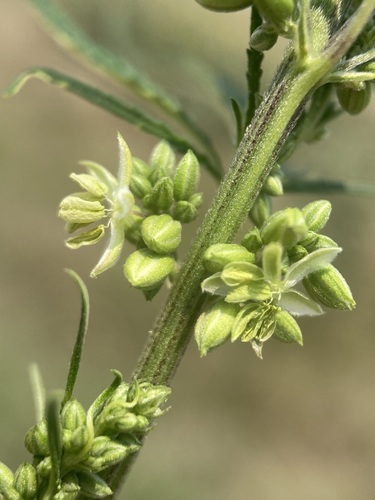
Cannabis sativa is a flowering plant species known for its psychoactive compounds, which can cause significant physiological distress if ingested by pets. It is widely recognized as a toxic substance for both cats and dogs.
Potentially toxic for cats & dogs.
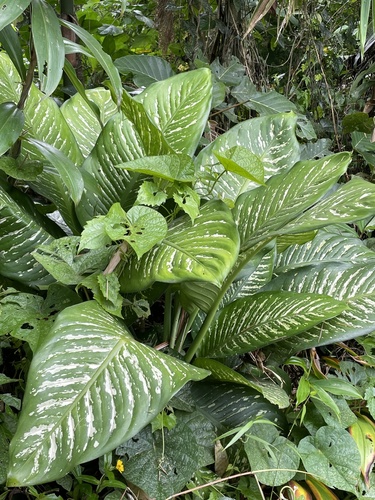
Dieffenbachia amoena is a popular tropical foliage plant known for its large, variegated leaves. It contains insoluble calcium oxalate crystals that can cause irritation if ingested or chewed.
Potentially toxic for cats & dogs.
Same growing conditions
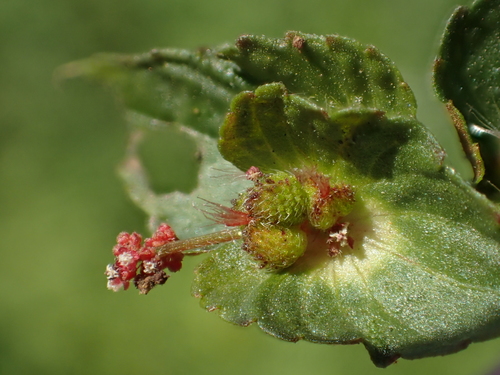
Copperleaf is a tropical shrub known for its vibrant, variegated foliage. It contains compounds that can cause irritation if ingested by household pets.
Potentially toxic for cats & dogs.
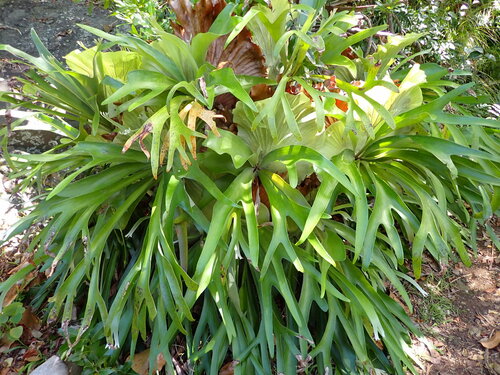
Staghorn Fern is a unique epiphytic fern known for its antler-shaped fronds. It is considered non-toxic to pets, though ingestion of large amounts of fibrous material may cause minor digestive discomfort.
Generally safe for cats & dogs.
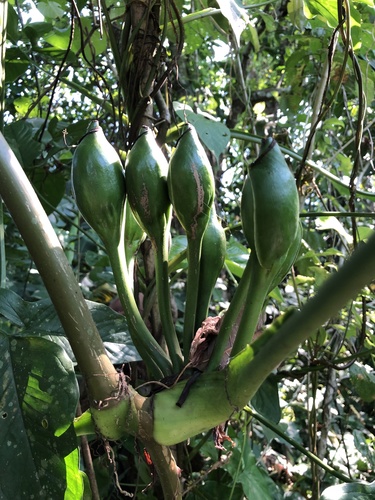
Syngonium podophyllum is a popular tropical vining plant known for its arrow-shaped leaves that change form as the plant matures. It contains insoluble calcium oxalate crystals which can cause irritation if ingested by pets.
Potentially toxic for cats & dogs.
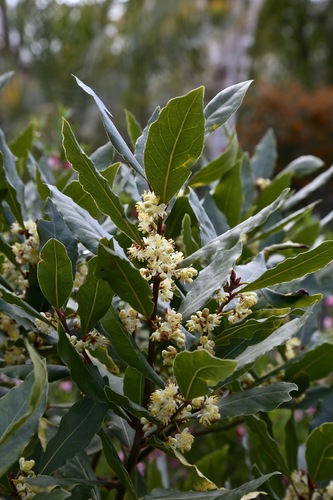
Bay Laurel is a popular culinary herb often grown as an ornamental shrub or tree. While prized for its aromatic leaves, it contains essential oils that can cause digestive distress if ingested by pets.
Potentially toxic for cats & dogs.