Cats & Dogs
Potentially toxicConsulted references classify the plant as toxic or irritating for that pet type.
Verified against ASPCA/provenance audit 2026-05-06 on May 6, 2026.
Sources
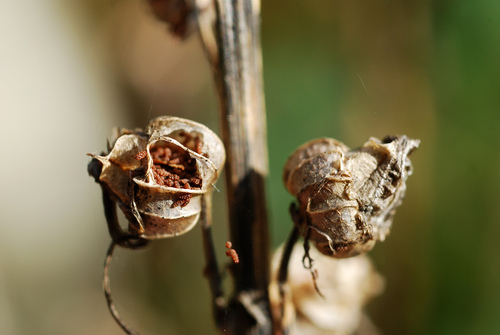
Lobelia cardinalis
Lobelia cardinalis is a striking perennial known for its vibrant red, tubular flowers that attract hummingbirds. It contains alkaloids that can cause adverse reactions if ingested by pets.
Safety status
Cats & Dogs
Potentially toxicConsulted references classify the plant as toxic or irritating for that pet type.
Verified against ASPCA/provenance audit 2026-05-06 on May 6, 2026.
Sources
If a pet has chewed or swallowed plant material and is showing symptoms, contact a veterinarian or poison resource immediately. This product is for structured reference, not diagnosis.
Cats — concern notes
Common signs
Vomiting, diarrhea, drooling, lethargy, and in severe cases, tremors or rapid breathing.
Escalation note
Ingestion can cause significant gastrointestinal distress. Please contact your veterinarian or an animal poison control center immediately if you suspect your cat has ingested any part of this plant.
Dogs — concern notes
Common signs
Vomiting, diarrhea, excessive salivation, abdominal pain, and potential neurological signs like weakness or incoordination.
Escalation note
The plant contains lobeline and other alkaloids that are irritating to the digestive tract. Seek veterinary care if your dog shows signs of illness after exposure.
Safer alternatives
No hand-picked alternatives for this plant yet. You can still pick your own using the Compare button on any other plant.
ASPCA Toxic Plant List
toxicology · 99% reliability
Cardinal flower is listed as toxic to both cats and dogs due to the presence of pyridine alkaloids.
NC State Extension Plant Toolbox
botanical · 94% reliability
Lobelia cardinalis is a native perennial that thrives in moist soils and is known for its high toxicity if ingested.
Yes, Cardinal Flower (Lobelia cardinalis) is potentially toxic to cats. It contains alkaloids, including lobeline, that can cause vomiting, diarrhea, drooling, and lethargy if ingested.
The most common signs are drooling, vomiting, and diarrhea. In more serious cases you may see depression, abdominal pain, pupil dilation, weakness, tremors, or an irregular or rapid heartbeat — the last group suggests a larger ingestion and needs urgent attention.
A small nibble can often be monitored at home, but call your vet or the ASPCA Animal Poison Control Center at (888) 426-4435 any time you see persistent drooling, repeated vomiting, lethargy, or any sign of heart irregularity. Chewed flowers, stems, or larger amounts warrant veterinary support rather than a wait-and-see approach.
Exact onset times are not well documented, but lobeline is an emetic, so vomiting tends to start soon after ingestion. If your cat has eaten any part of the plant and symptoms appear quickly, treat it as urgent and contact a vet or poison control promptly.
Yes, Cardinal Flower is potentially toxic to dogs. It contains lobeline and other alkaloids that irritate the digestive tract and can cause neurological and cardiac effects if ingested in significant amounts.
Drooling and vomiting typically appear within minutes to a few hours of chewing. You may also see diarrhea, abdominal pain, and depression. Larger ingestions can progress to weakness, incoordination, tremors, and heart-rhythm disturbances over hours to a few days.
Remove any remaining plant material from your dog's mouth to stop further ingestion. Do not induce vomiting at home — call your vet or ASPCA Animal Poison Control at (888) 426-4435 first; they may direct you to bring your dog in for activated charcoal, gastric lavage, or IV fluids.
Mild signs like drooling and vomiting can start within minutes to a few hours. Mild ingestions typically resolve within 24–48 hours with supportive care, but large ingestions — especially of seeds, leaves, or stems — can escalate to severe cardiac signs over hours to a few days; call your vet immediately if your dog ate a substantial amount rather than waiting for symptoms.
Same safety verdict

Monstera deliciosa is a popular tropical houseplant known for its large, fenestrated leaves and vining growth habit. It contains insoluble calcium oxalate crystals that can cause irritation if ingested by pets.
Potentially toxic for cats & dogs.

Dracaena trifasciata is a popular, hardy houseplant known for its stiff, sword-like leaves with striking yellow margins. It is widely appreciated for its air-purifying qualities and ability to thrive in various indoor conditions.
Potentially toxic for cats & dogs.
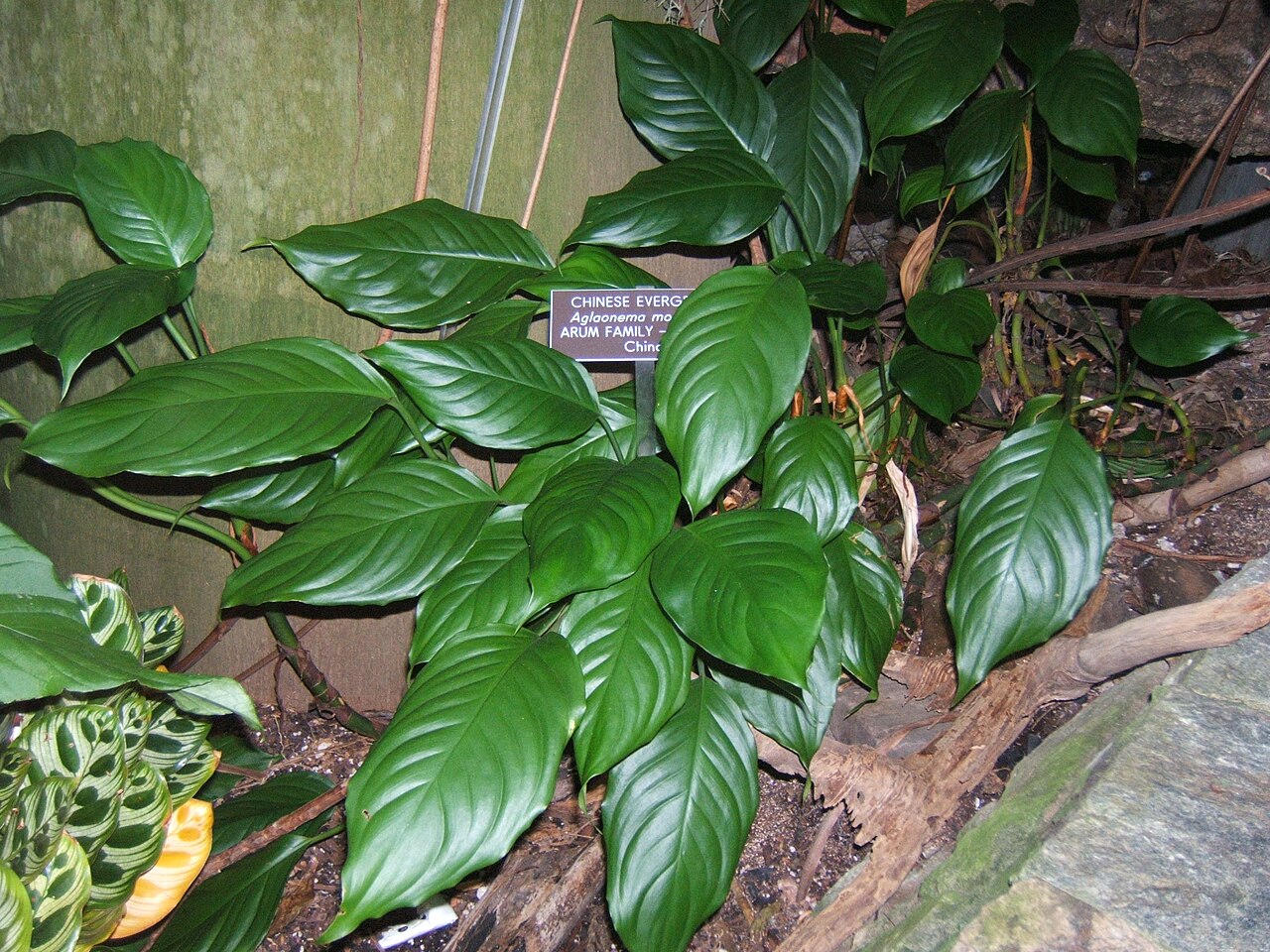
Chinese Evergreen is a popular indoor foliage plant known for its patterned leaves and tolerance of low light conditions. It contains insoluble calcium oxalate crystals that can cause irritation if ingested or chewed.
Potentially toxic for cats & dogs.
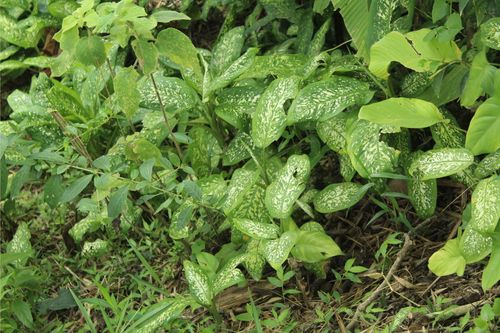
Dieffenbachia is a popular tropical houseplant known for its large, variegated leaves. It contains insoluble calcium oxalate crystals that can cause irritation if ingested or chewed.
Potentially toxic for cats & dogs.
Same growing conditions
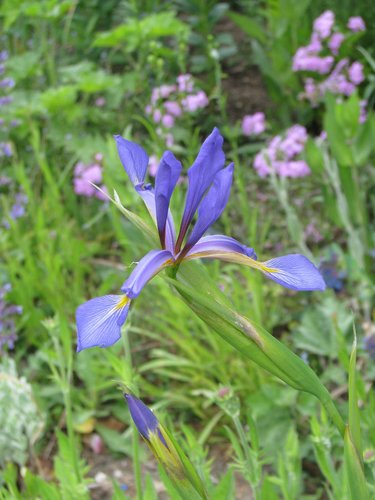
The Butterfly Iris is a rhizomatous perennial known for its elegant, orchid-like flowers and tall, grass-like foliage. It is commonly grown in garden borders but contains compounds that can cause irritation if ingested by pets.
Potentially toxic for cats & dogs.
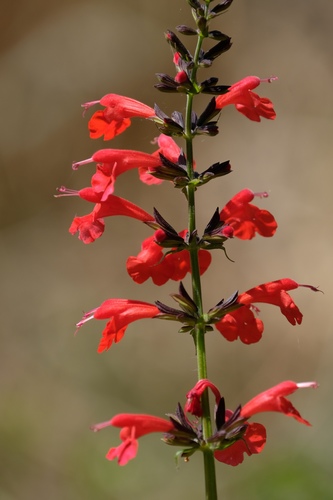
Scarlet Sage is a popular, vibrant flowering plant often grown in gardens for its spikes of tubular red flowers. It is considered non-toxic to pets, though ingestion of large amounts of fibrous plant material may cause minor digestive discomfort.
Generally safe for cats & dogs.
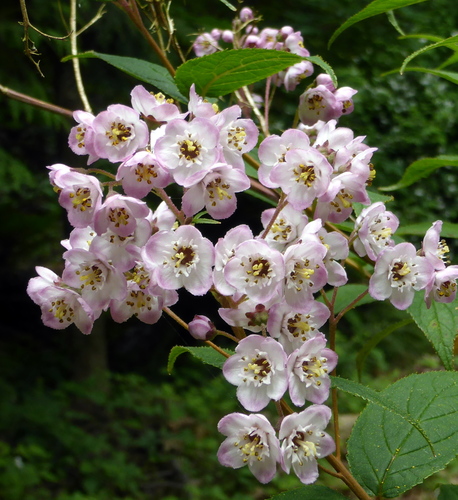
Slender Deutzia is a deciduous flowering shrub known for its delicate, bell-shaped white flowers that bloom in late spring. It is generally considered safe for household pets, though its fibrous nature may cause minor digestive discomfort if consumed in large quantities.
Generally safe for cats & dogs.

The Tiger Lily is a bulbous perennial known for its striking orange, spotted flowers. It is highly dangerous to cats, as all parts of the plant can cause severe health complications.
Potentially toxic for cats.
Uncertain for dogs.