Cats & Dogs
Potentially toxicConsulted references classify the plant as toxic or irritating for that pet type.
Verified against ASPCA/provenance audit 2026-05-06 on May 6, 2026.
Sources
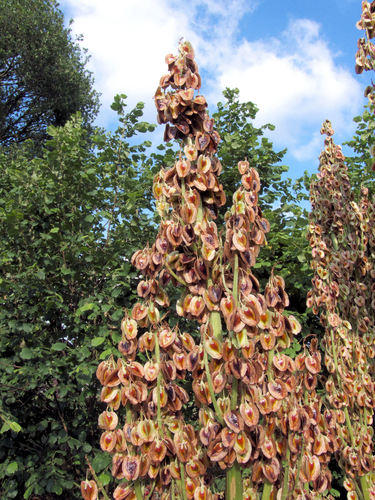
Rheum rhabarbarum
Rhubarb is a perennial vegetable known for its edible stalks, but its leaves contain high levels of soluble oxalate crystals that are harmful if ingested. It is widely grown in gardens for culinary use but requires caution regarding pet access to the foliage.
Safety status
Cats & Dogs
Potentially toxicConsulted references classify the plant as toxic or irritating for that pet type.
Verified against ASPCA/provenance audit 2026-05-06 on May 6, 2026.
Sources
If a pet has chewed or swallowed plant material and is showing symptoms, contact a veterinarian or poison resource immediately. This product is for structured reference, not diagnosis.
Cats — concern notes
Common signs
Drooling, vomiting, diarrhea, tremors, and potential kidney damage due to calcium oxalate crystals.
Escalation note
Ingestion of leaves can be serious. Please contact your veterinarian or an animal poison control center immediately if ingestion is suspected.
Dogs — concern notes
Common signs
Excessive salivation, abdominal pain, vomiting, lethargy, and potential renal failure in severe cases.
Escalation note
The leaves are considered toxic to dogs. Seek veterinary attention promptly if your dog has consumed any part of the plant.
Safer alternatives
No hand-picked alternatives for this plant yet. You can still pick your own using the Compare button on any other plant.
ASPCA Toxic Plant List
toxicology · 99% reliability
Rhubarb contains soluble calcium oxalates which can cause kidney failure in pets.
NC State Extension Plant Toolbox
botanical · 94% reliability
Rheum rhabarbarum is a herbaceous perennial known for its edible stalks, though leaves are toxic.
Yes, rhubarb is potentially toxic to cats. The leaves contain high levels of soluble oxalate crystals that can cause drooling, vomiting, diarrhea, tremors, and serious kidney damage. The stalks are less of a concern — the leaves are the dangerous part.
Within hours of eating rhubarb leaf, cats typically show heavy drooling, vomiting, diarrhea, weakness, and reduced appetite; muscle tremors can occur as blood calcium drops. Over the following 24 to 36 hours, watch for changes in drinking and urination, blood in the urine, and lethargy — these are signs of acute kidney injury developing.
Call your veterinarian immediately and contact ASPCA Animal Poison Control at (888) 426-4435 — do not wait for tremors or kidney signs to appear before acting. The severity of kidney damage depends on how quickly decontamination and supportive care begin.
GI signs such as vomiting and drooling, and neurological signs like tremors, typically appear within hours of ingestion. Signs of acute kidney injury — abnormal urination, blood in urine, azotemia — usually develop 24 to 36 hours after eating rhubarb leaf tissue.
Yes, rhubarb is potentially toxic to dogs, particularly the leaves, which contain high levels of soluble oxalate crystals. Even the stalks should be kept away from dogs. Seek veterinary attention promptly if your dog has consumed any part of the plant.
Symptoms begin within hours and include excessive drooling, vomiting, abdominal pain, lethargy, and weakness. As blood calcium drops, muscle tremors can develop. Acute kidney injury — signaled by changes in drinking and urination, decreased appetite, and worsening lethargy — typically appears 24 to 36 hours after ingestion.
The leaves are the most toxic part, containing high concentrations of soluble oxalate crystals. The stalks are the edible portion used in cooking, but the entire plant should be considered off-limits for dogs given the severity of potential harm.
Call your vet right away — do not wait for symptoms to appear. Seek immediate care if you see tremors, repeated vomiting, blood in vomit or stool, or any change in urination in the 24 to 48 hours after ingestion, as these can signal acute kidney injury. You can also contact the ASPCA Animal Poison Control Center at (888) 426-4435.
Same safety verdict
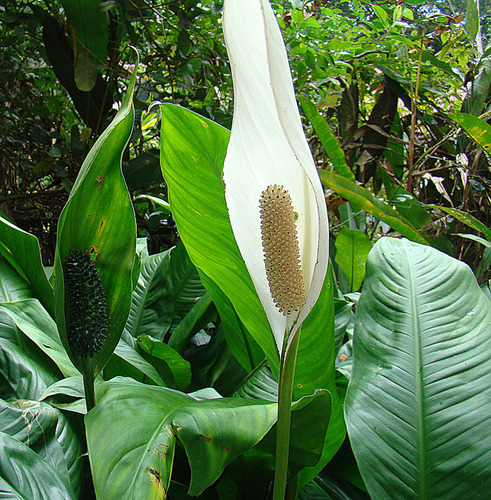
The Mauna Loa Peace Lily is a popular indoor plant known for its elegant white spathes and lush foliage. It contains insoluble calcium oxalate crystals that can cause irritation upon contact or ingestion.
Potentially toxic for cats & dogs.
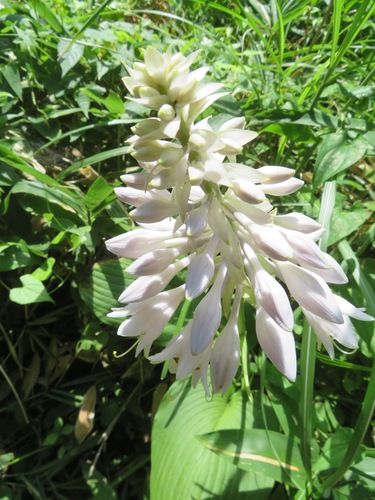
Hosta plantaginea is a popular shade-loving perennial known for its lush, broad foliage and fragrant white flowers. While prized in garden landscapes, it contains saponins that can cause gastrointestinal distress if ingested by pets.
Potentially toxic for cats & dogs.
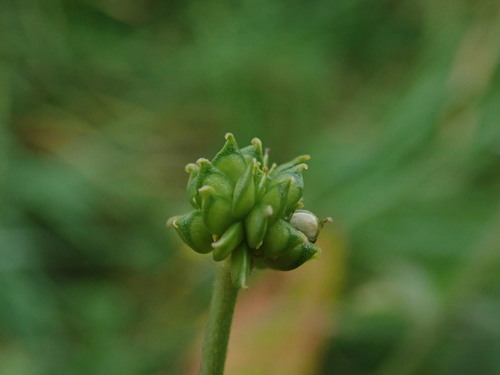
Ranunculus acris is a perennial herbaceous plant known for its bright yellow flowers and presence in meadows. It contains compounds that can cause irritation upon contact or ingestion.
Potentially toxic for cats & dogs.
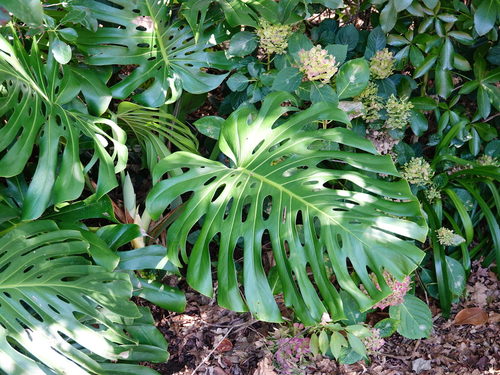
Monstera deliciosa is a popular tropical houseplant known for its large, fenestrated leaves and vining growth habit. It contains insoluble calcium oxalate crystals that can cause irritation if ingested by pets.
Potentially toxic for cats & dogs.