Cats & Dogs
Potentially toxicConsulted references classify the plant as toxic or irritating for that pet type.
Verified against ASPCA/provenance audit 2026-05-06 on May 6, 2026.
Sources
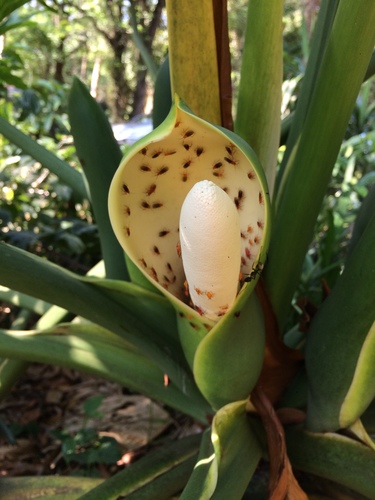
Philodendron bipinnatifidum
The Lacy Tree Philodendron is a popular tropical houseplant known for its large, deeply lobed, glossy green leaves. It contains insoluble calcium oxalate crystals that can cause irritation if ingested or chewed.
Safety status
Cats & Dogs
Potentially toxicConsulted references classify the plant as toxic or irritating for that pet type.
Verified against ASPCA/provenance audit 2026-05-06 on May 6, 2026.
Sources
If a pet has chewed or swallowed plant material and is showing symptoms, contact a veterinarian or poison resource immediately. This product is for structured reference, not diagnosis.
Cats — concern notes
Common signs
Oral irritation, intense burning and irritation of mouth, tongue and lips, excessive drooling, vomiting, and difficulty swallowing.
Escalation note
The insoluble calcium oxalate crystals cause immediate mechanical irritation. If your cat has ingested any part of this plant, please contact your veterinarian or a pet poison control center immediately.
Dogs — concern notes
Common signs
Oral irritation, intense burning and irritation of mouth, tongue and lips, excessive drooling, vomiting, and difficulty swallowing.
Escalation note
Ingestion typically leads to immediate discomfort due to the release of calcium oxalate crystals. Always consult with a veterinarian if you suspect your dog has consumed this plant.
Safer alternatives
No hand-picked alternatives for this plant yet. You can still pick your own using the Compare button on any other plant.
ASPCA Toxic Plant List
toxicology · 99% reliability
Lacy Tree Philodendron is toxic to both cats and dogs due to the presence of insoluble calcium oxalates.
NC State Extension Plant Toolbox
botanical · 94% reliability
This plant is widely known as Philodendron bipinnatifidum or Thaumatophyllum bipinnatifidum and is noted for its large, deeply divided leaves.
Yes, Lacy Tree Philodendron (Philodendron bipinnatifidum) is toxic to cats. It contains insoluble calcium oxalate crystals throughout the plant that cause immediate irritation to the mouth, tongue, and lips when chewed or ingested.
Symptoms typically appear within minutes and include sudden drooling, pawing at the mouth, head-shaking, oral pain, swelling of the lips or tongue, vomiting, and difficulty swallowing. Severity ranges from mild oral irritation to enough swelling to interfere with eating.
Call ASPCA Animal Poison Control at (888) 426-4435 or your veterinarian as soon as possible. Do not induce vomiting unless a veterinarian instructs you to. If you notice swelling of the mouth or throat — though rare — treat it as an emergency and seek immediate care.
The entire plant contains insoluble calcium oxalate crystals, so any part — leaves, stems, or roots — can cause irritation. These crystals work by mechanically penetrating tissue on contact, which is why oral signs like burning and drooling appear almost immediately after chewing.
Yes, Lacy Tree Philodendron (Philodendron bipinnatifidum) is toxic to dogs. It contains insoluble calcium oxalate crystals that cause immediate oral irritation, intense burning of the mouth, tongue, and lips, excessive drooling, vomiting, and difficulty swallowing.
Symptoms appear almost immediately after chewing — the calcium oxalate crystals penetrate tissue on contact. Expect heavy drooling, pawing at the mouth, oral and lip swelling, and possibly vomiting. A dog that chewed repeatedly may show pronounced swelling and refuse to eat or drink. Systemic toxicity is uncommon.
Call ASPCA Animal Poison Control at (888) 426-4435 or your veterinarian as soon as possible. Do not induce vomiting unless a veterinarian specifically instructs you to — the crystals have already caused irritation and forcing vomiting can worsen it.
All parts of the plant contain insoluble calcium oxalate crystals, so any chewing or ingestion — leaves, stems, or roots — can cause irritation. The mechanism is physical: the needle-like crystals penetrate soft tissue in the mouth and throat on contact, which is why symptoms are immediate rather than delayed.
Often compared with
Commonly confused with
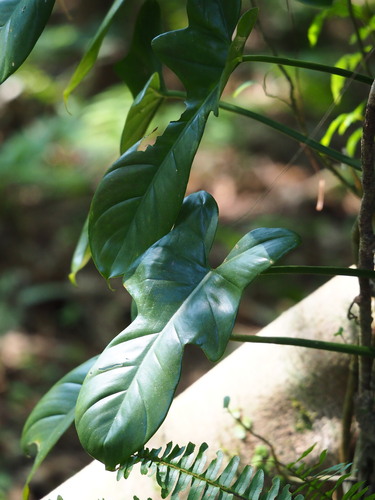
Philodendron bipennifolium is a popular vining aroid known for its unique, fiddle-shaped foliage. Like many members of the Araceae family, it contains insoluble calcium oxalate crystals that can cause irritation if ingested.
Potentially toxic for cats & dogs.
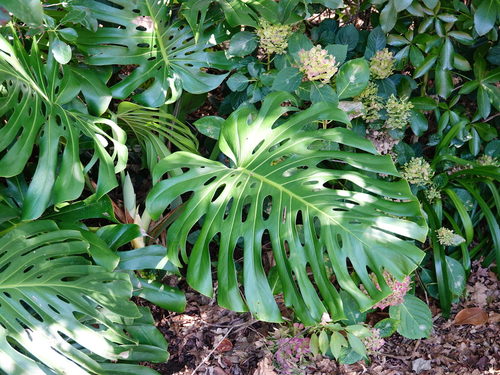
Monstera deliciosa is a popular tropical houseplant known for its large, fenestrated leaves and vining growth habit. It contains insoluble calcium oxalate crystals that can cause irritation if ingested by pets.
Potentially toxic for cats & dogs.
Same safety verdict
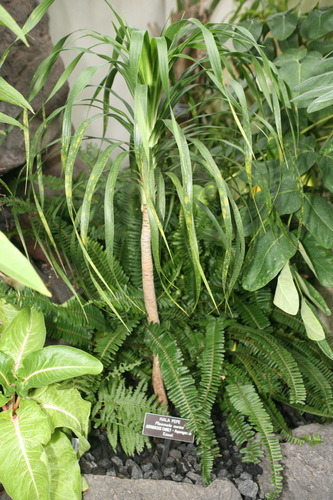
Dracaena trifasciata is a popular, hardy houseplant known for its stiff, sword-like leaves with striking yellow margins. It is widely appreciated for its air-purifying qualities and ability to thrive in various indoor conditions.
Potentially toxic for cats & dogs.
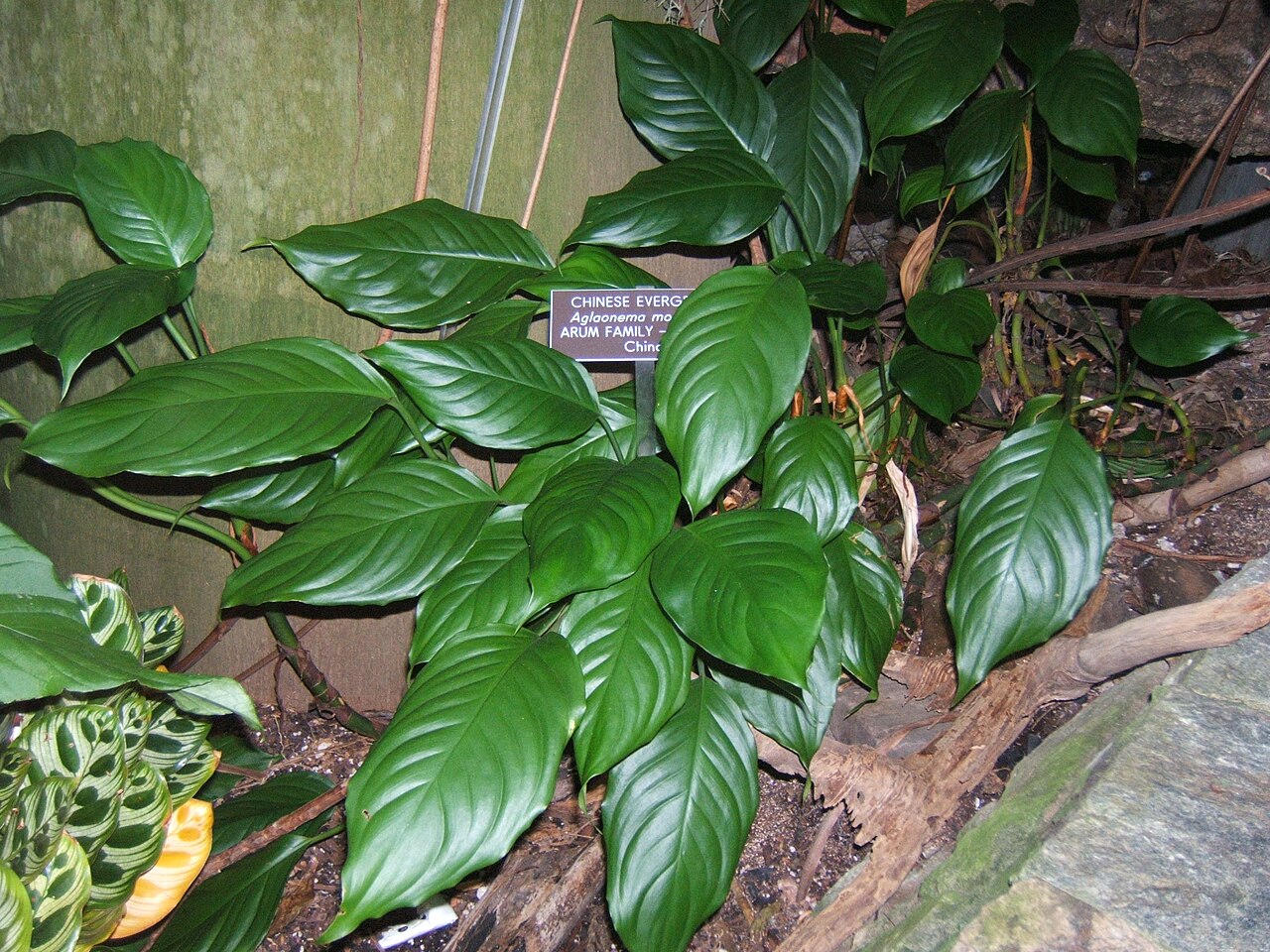
Chinese Evergreen is a popular indoor foliage plant known for its patterned leaves and tolerance of low light conditions. It contains insoluble calcium oxalate crystals that can cause irritation if ingested or chewed.
Potentially toxic for cats & dogs.
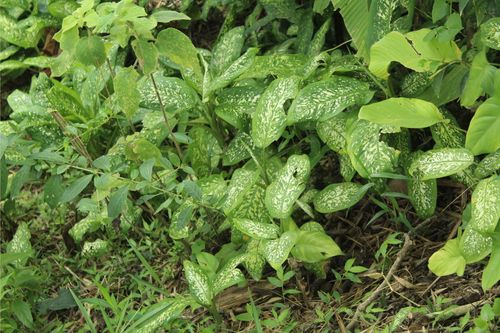
Dieffenbachia is a popular tropical houseplant known for its large, variegated leaves. It contains insoluble calcium oxalate crystals that can cause irritation if ingested or chewed.
Potentially toxic for cats & dogs.

The Jade Plant is a popular succulent known for its thick, woody stems and fleshy, oval-shaped leaves. While aesthetically pleasing, it contains compounds that can cause gastrointestinal distress if ingested by pets.
Potentially toxic for cats & dogs.