Cats & Dogs
Potentially toxicConsulted references classify the plant as toxic or irritating for that pet type.
Verified against ASPCA/provenance audit 2026-05-06 on May 6, 2026.
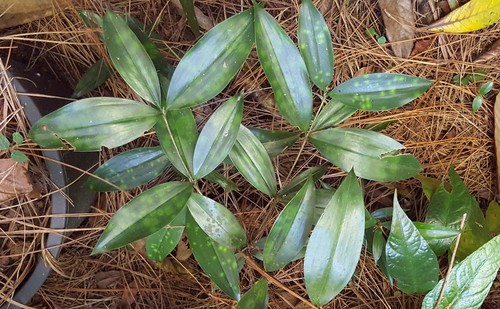
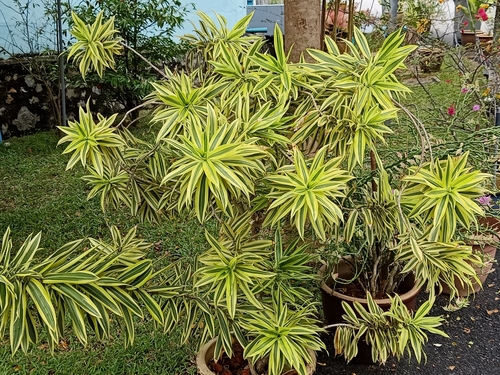
Dracaena surculosa
Dracaena surculosa is a popular ornamental houseplant known for its spotted, leathery foliage. It contains saponins which can cause gastrointestinal distress if ingested by pets.
Safety status
Cats & Dogs
Potentially toxicConsulted references classify the plant as toxic or irritating for that pet type.
Verified against ASPCA/provenance audit 2026-05-06 on May 6, 2026.
If a pet has chewed or swallowed plant material and is showing symptoms, contact a veterinarian or poison resource immediately. This product is for structured reference, not diagnosis.
Cats — concern notes
Common signs
Vomiting, hypersalivation, dilated pupils, and loss of appetite.
Escalation note
Ingestion can lead to significant gastrointestinal upset. Please contact your veterinarian if you suspect your cat has consumed any part of this plant.
Dogs — concern notes
Common signs
Vomiting, drooling, diarrhea, and lethargy.
Escalation note
While typically not life-threatening in small amounts, ingestion can cause discomfort. Consult a veterinarian for professional guidance if ingestion occurs.
Safer alternatives
No hand-picked alternatives for this plant yet. You can still pick your own using the Compare button on any other plant.
ASPCA Toxic and Non-Toxic Plants List
toxicology · 99% reliability
Dracaena species contain saponins which can cause vomiting, depression, anorexia, hypersalivation and dilated pupils in cats and dogs.
Kew Plants of the World Online
botanical · 95% reliability
Accepted botanical name Dracaena surculosa Lindl.
Yes, Gold Dust Dracaena (Dracaena surculosa) is toxic to cats. It contains saponins that can cause gastrointestinal distress and other symptoms if ingested. Keep it out of reach of curious cats.
Signs of ingestion include vomiting, hypersalivation, loss of appetite, and dilated pupils. Dilated pupils are a distinctive feline reaction worth watching for specifically. Vomiting may occasionally be blood-tinged.
Call ASPCA Animal Poison Control at (888) 426-4435 or your veterinarian right away. Seek immediate help if you notice blood in the vomit, vomiting that won't stop, refusal to eat for more than a few hours, or noticeably dilated pupils. Signs typically appear within hours of ingestion.
The toxic agent in Dracaena surculosa is saponins, which are present throughout the plant. There is no documented 'safe' part — any ingestion can trigger vomiting, hypersalivation, and appetite loss in cats.
Yes, Gold Dust Dracaena (Dracaena surculosa) is toxic to dogs. It contains saponins that can cause gastrointestinal distress if ingested. While ingestion is typically not life-threatening in small amounts, it can cause significant discomfort.
The most common signs are vomiting, drooling, diarrhea, and lethargy. Larger ingestions can also produce weakness, incoordination, depression, and loss of appetite. GI symptoms typically begin within hours of ingestion.
Monitor your dog closely for vomiting, drooling, lethargy, or loss of appetite. Call your vet or the ASPCA Animal Poison Control Center at (888) 426-4435 if symptoms don't resolve, your dog appears weak or wobbly, or you suspect a large quantity was eaten.
The toxic compounds in Gold Dust Dracaena are saponins, which are present throughout the plant. There is no single 'safe' part — any ingestion of leaves or stems can trigger gastrointestinal signs.
Often compared with
Commonly confused with
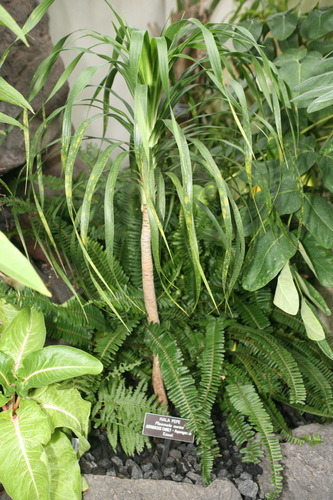
Dracaena trifasciata is a popular, hardy houseplant known for its stiff, sword-like leaves with striking yellow margins. It is widely appreciated for its air-purifying qualities and ability to thrive in various indoor conditions.
Potentially toxic for cats & dogs.
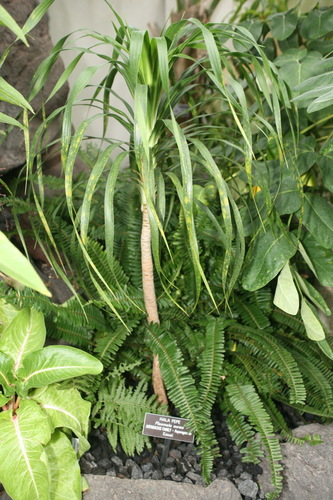
The Madagascar Dragon Tree is a popular, slow-growing indoor plant known for its slender, woody stems and spiky, colorful foliage. It contains saponins, which can cause gastrointestinal distress if ingested by pets.
Potentially toxic for cats & dogs.
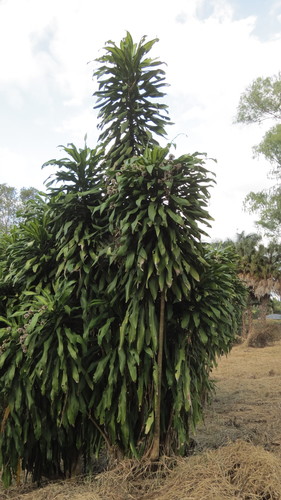
Striped Dracaena is a popular indoor foliage plant known for its long, lance-shaped leaves with distinct variegation. It contains saponins, which can cause adverse reactions if ingested by pets.
Potentially toxic for cats & dogs.
Same genus
Same safety verdict
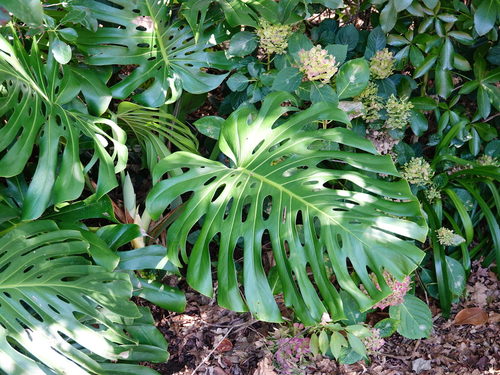
Monstera deliciosa is a popular tropical houseplant known for its large, fenestrated leaves and vining growth habit. It contains insoluble calcium oxalate crystals that can cause irritation if ingested by pets.
Potentially toxic for cats & dogs.
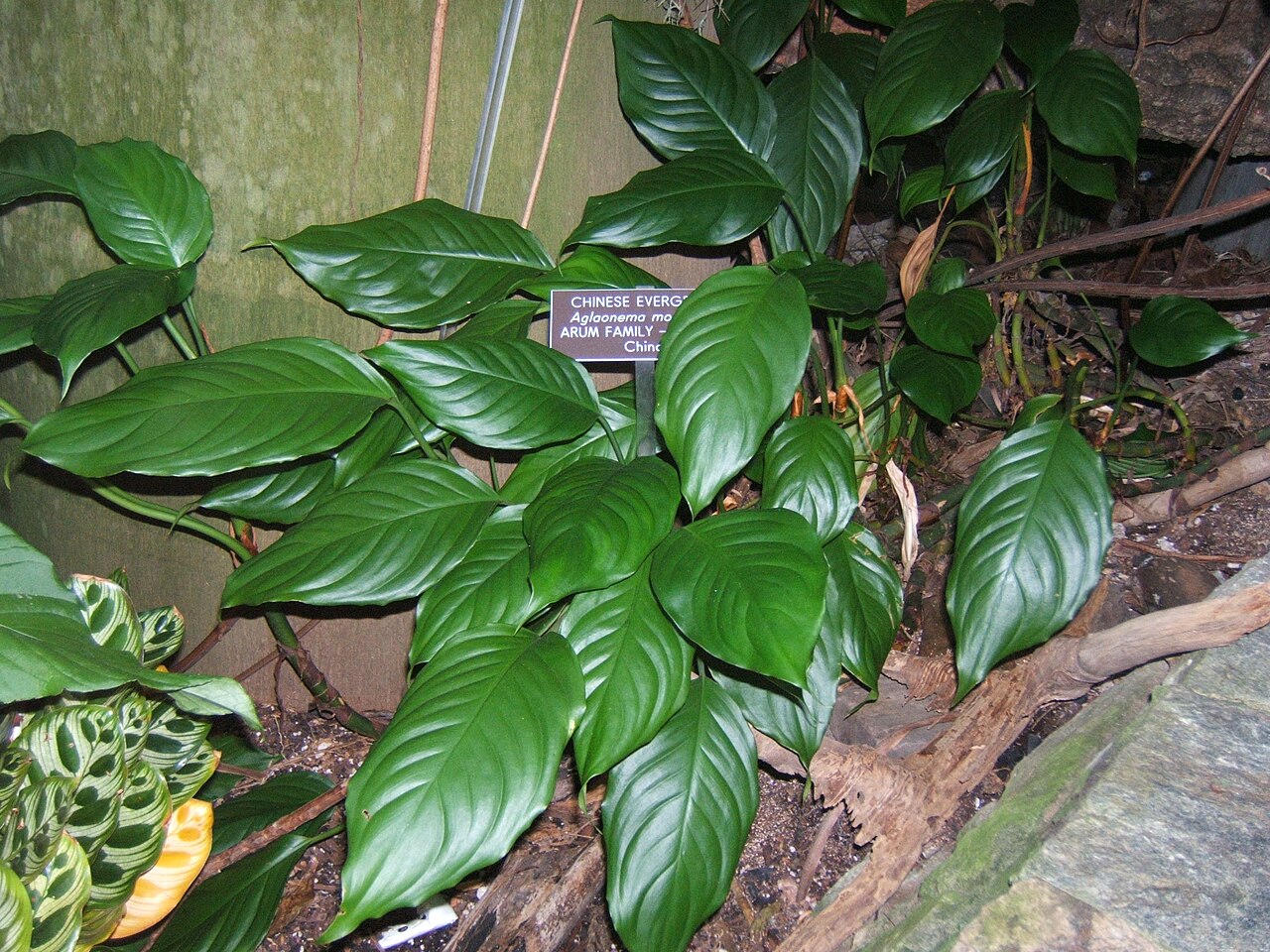
Chinese Evergreen is a popular indoor foliage plant known for its patterned leaves and tolerance of low light conditions. It contains insoluble calcium oxalate crystals that can cause irritation if ingested or chewed.
Potentially toxic for cats & dogs.
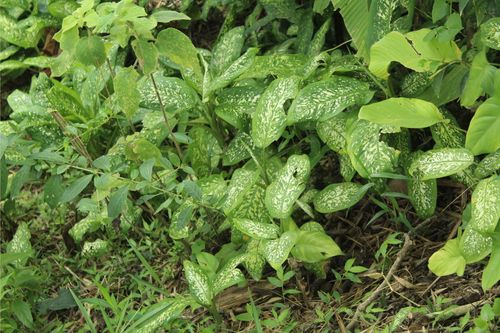
Dieffenbachia is a popular tropical houseplant known for its large, variegated leaves. It contains insoluble calcium oxalate crystals that can cause irritation if ingested or chewed.
Potentially toxic for cats & dogs.
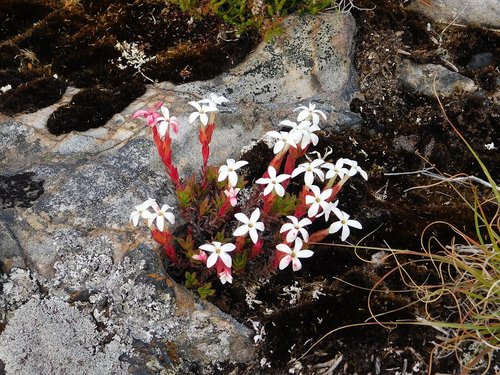
The Jade Plant is a popular succulent known for its thick, woody stems and fleshy, oval-shaped leaves. While aesthetically pleasing, it contains compounds that can cause gastrointestinal distress if ingested by pets.
Potentially toxic for cats & dogs.
Same growing conditions
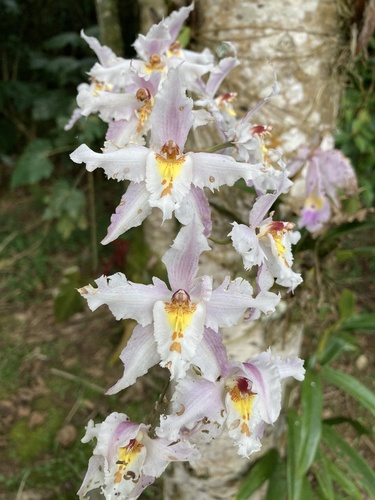
The Lace Orchid is a popular, elegant flowering plant known for its ruffled, star-shaped blooms. It is considered non-toxic to household pets, though its fibrous nature may cause minor digestive discomfort if consumed in large quantities.
Generally safe for cats.
Not yet rated for dogs.
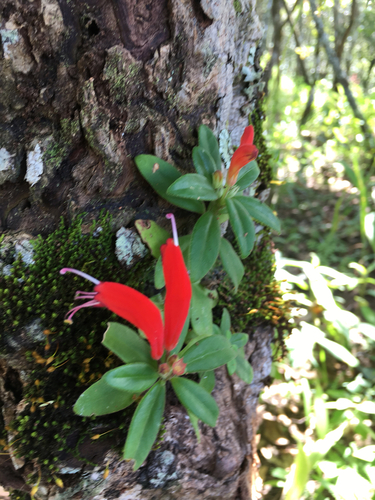
The Lipstick Plant is a popular trailing houseplant known for its tubular, bright red flowers that resemble lipstick tubes. It is considered non-toxic to pets, making it a safe choice for households with cats and dogs.
Generally safe for cats & dogs.
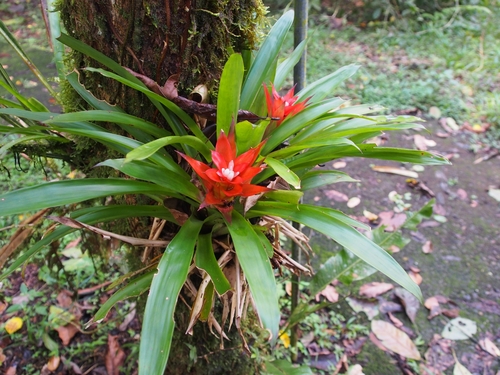
Orange Star is a popular, vibrant bromeliad known for its long-lasting, star-shaped inflorescence. It is considered non-toxic to pets, though ingestion of plant material can occasionally cause minor digestive discomfort.
Generally safe for cats & dogs.
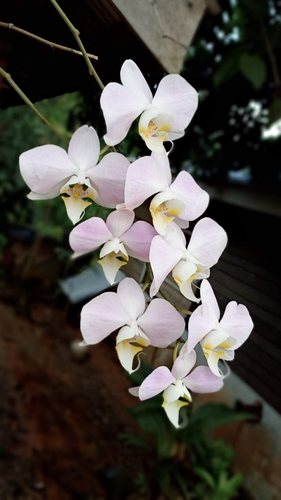
Phalaenopsis orchids, commonly known as moth orchids, are popular indoor flowering plants prized for their long-lasting, elegant blooms. They are considered non-toxic to pets, though their fibrous nature may cause minor digestive upset if consumed in large quantities.
Generally safe for cats & dogs.