Cats & Dogs
Potentially toxicConsulted references classify the plant as toxic or irritating for that pet type.
Verified against ASPCA/provenance audit 2026-05-06 on May 6, 2026.
Sources

Digitalis purpurea
Foxglove is a biennial flowering plant known for its tall, tubular blooms. It contains potent cardiac glycosides that are highly toxic to both humans and animals if ingested.
Safety status
Cats & Dogs
Potentially toxicConsulted references classify the plant as toxic or irritating for that pet type.
Verified against ASPCA/provenance audit 2026-05-06 on May 6, 2026.
Sources
If a pet has chewed or swallowed plant material and is showing symptoms, contact a veterinarian or poison resource immediately. This product is for structured reference, not diagnosis.
Cats — concern notes
Common signs
Vomiting, diarrhea, drooling, cardiac arrhythmias, tremors, seizures, and collapse.
Escalation note
This plant is highly toxic. Ingestion of any part of the plant can lead to life-threatening heart rhythm disturbances. Contact your veterinarian or an emergency animal poison control center immediately if ingestion is suspected.
Dogs — concern notes
Common signs
Vomiting, diarrhea, abdominal pain, irregular heartbeat, weakness, tremors, and potential cardiac arrest.
Escalation note
Foxglove contains toxins that directly affect the heart muscle. Even small amounts can cause severe clinical signs. Seek immediate veterinary care if your dog has consumed any part of this plant.
Safer alternatives
No hand-picked alternatives for this plant yet. You can still pick your own using the Compare button on any other plant.
ASPCA Toxic Plant List
toxicology · 99% reliability
Foxglove contains cardiac glycosides which can cause serious heart issues in pets.
NC State Extension Plant Toolbox
botanical · 94% reliability
Digitalis purpurea is highly toxic to humans and animals due to the presence of cardiac glycosides.
Yes, foxglove (Digitalis purpurea) is highly toxic to cats. It contains potent cardiac glycosides, and ingestion of any part of the plant — leaves, flowers, or seeds — can cause life-threatening heart rhythm disturbances.
Early signs include vomiting, diarrhea, and drooling. These can progress to weakness, tremors, slow or irregular pulse, collapse, and seizures. Cardiac effects can develop or worsen over many hours, and some cats deteriorate suddenly with little warning between the initial GI signs and the cardiac signs.
Go to an emergency vet immediately and call ASPCA Animal Poison Control at (888) 426-4435. Do not try to induce vomiting at home — the priority is ECG monitoring and IV access. Even if your cat looks fine right now, foxglove ingestion requires cardiac monitoring before signs progress.
First signs typically appear within minutes, though onset can be delayed up to 1–2 hours. Cardiac effects can develop or continue to worsen well beyond the initial gastrointestinal symptoms, so monitoring is required for many hours after ingestion.
Yes, foxglove (Digitalis purpurea) is highly toxic to dogs. It contains potent cardiac glycosides that directly affect the heart muscle, and even small amounts can cause severe clinical signs. It is considered a veterinary emergency.
Early signs include vomiting (sometimes bloody), diarrhea, and abdominal pain. These can be followed by weakness, tremors, an irregular or unusually slow pulse, and collapse. Cardiac effects can appear suddenly even after initial GI symptoms seem to be improving, and can persist and worsen for many hours.
Go to an emergency vet immediately — do not wait for symptoms. Do not induce vomiting at home unless poison control specifically instructs you to, as the dog will need IV fluids, ECG monitoring, and possibly digoxin-binding antibodies. Call the ASPCA Animal Poison Control Center at (888) 426-4435 on the way.
Initial signs typically appear within minutes of ingestion, though some dogs don't show symptoms for an hour or two. Because cardiac effects can develop suddenly and worsen well after GI signs subside, veterinary monitoring is essential far beyond the initial phase — even a dog that seems to stabilize early still needs extended cardiac observation.
Same safety verdict
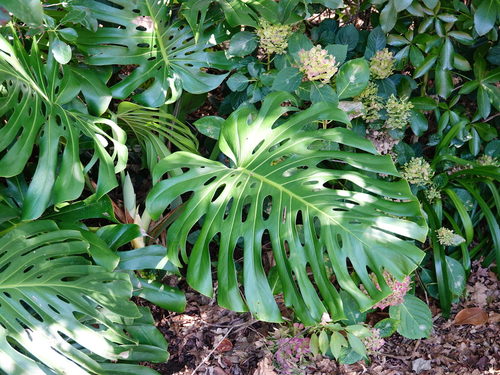
Monstera deliciosa is a popular tropical houseplant known for its large, fenestrated leaves and vining growth habit. It contains insoluble calcium oxalate crystals that can cause irritation if ingested by pets.
Potentially toxic for cats & dogs.
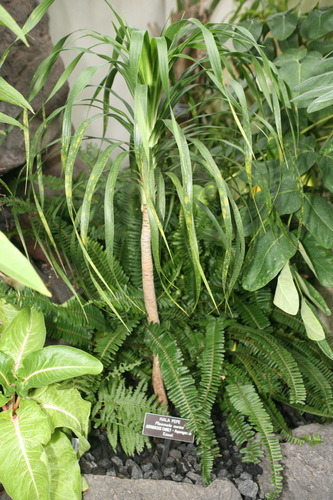
Dracaena trifasciata is a popular, hardy houseplant known for its stiff, sword-like leaves with striking yellow margins. It is widely appreciated for its air-purifying qualities and ability to thrive in various indoor conditions.
Potentially toxic for cats & dogs.
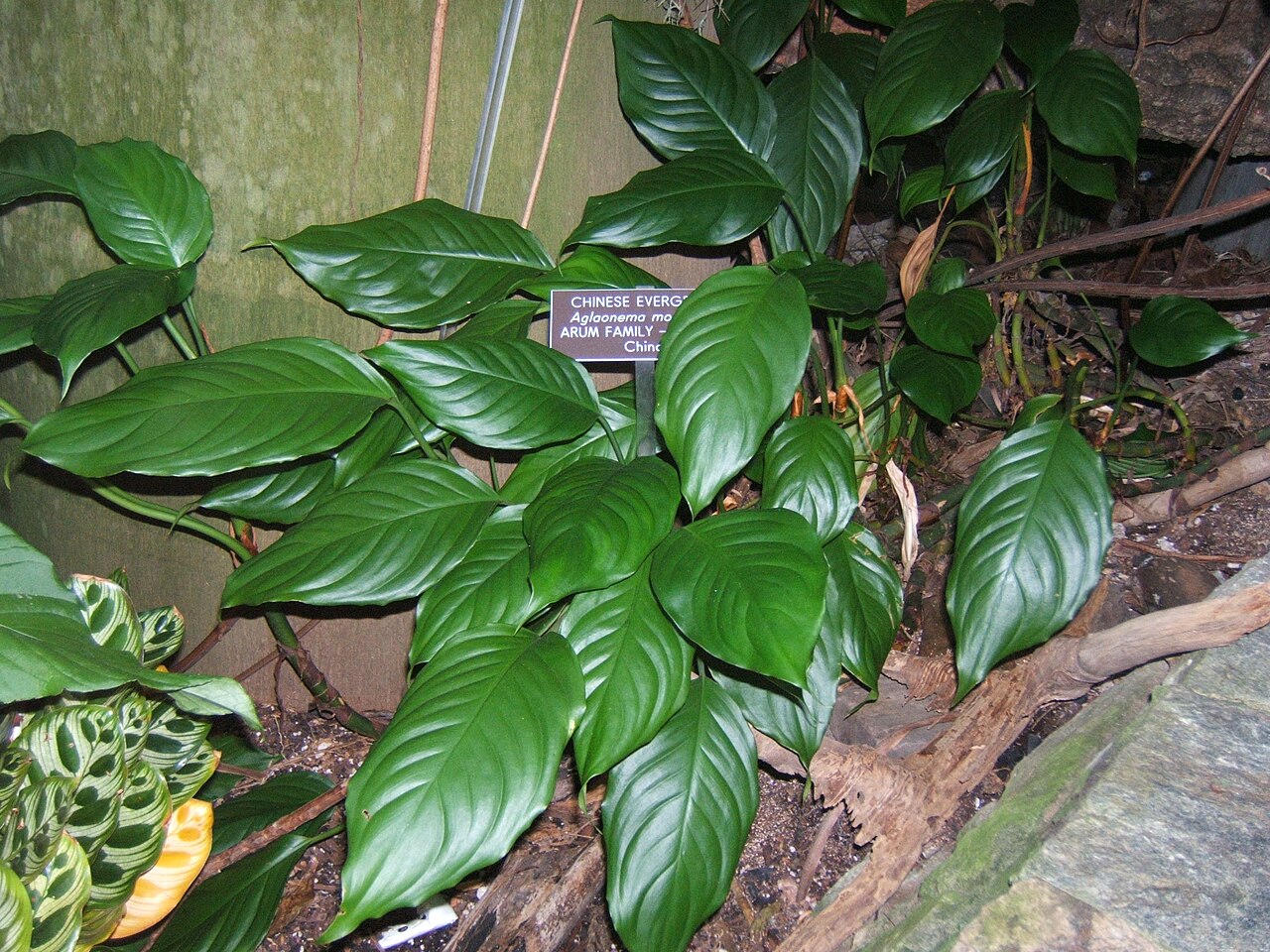
Chinese Evergreen is a popular indoor foliage plant known for its patterned leaves and tolerance of low light conditions. It contains insoluble calcium oxalate crystals that can cause irritation if ingested or chewed.
Potentially toxic for cats & dogs.
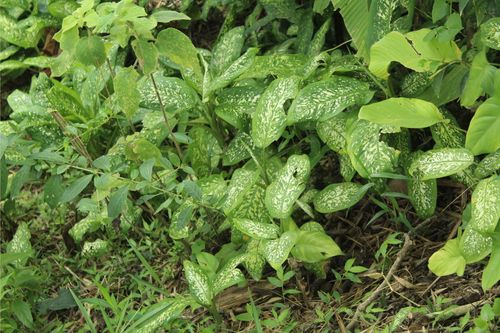
Dieffenbachia is a popular tropical houseplant known for its large, variegated leaves. It contains insoluble calcium oxalate crystals that can cause irritation if ingested or chewed.
Potentially toxic for cats & dogs.