Cats & Dogs
Potentially toxicConsulted references classify the plant as toxic or irritating for that pet type.
Verified against ASPCA/provenance audit 2026-05-06 on May 6, 2026.
Sources
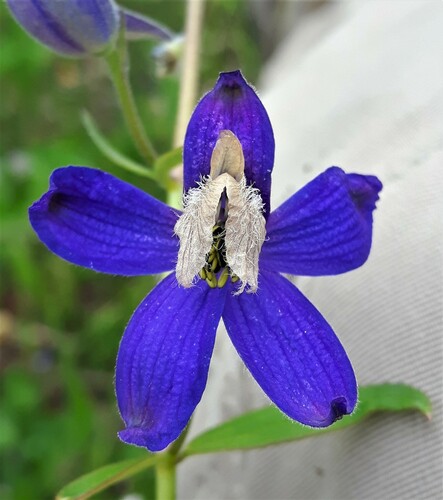
Delphinium species
Larkspur is a popular garden perennial known for its tall, showy spikes of flowers. It contains potent alkaloids that make it highly toxic to both cats and dogs if ingested.
Safety status
Cats & Dogs
Potentially toxicConsulted references classify the plant as toxic or irritating for that pet type.
Verified against ASPCA/provenance audit 2026-05-06 on May 6, 2026.
Sources
If a pet has chewed or swallowed plant material and is showing symptoms, contact a veterinarian or poison resource immediately. This product is for structured reference, not diagnosis.
Cats — concern notes
Common signs
Neuromuscular paralysis, severe digestive upset, drooling, and potential cardiac irregularities.
Escalation note
Ingestion is considered dangerous. If you suspect your cat has consumed any part of this plant, contact your veterinarian or an animal poison control center immediately.
Dogs — concern notes
Common signs
Muscle tremors, weakness, vomiting, diarrhea, and in severe cases, respiratory failure or collapse.
Escalation note
This plant is highly toxic to dogs. Seek immediate veterinary attention if ingestion occurs, as symptoms can progress rapidly.
Safer alternatives
No hand-picked alternatives for this plant yet. You can still pick your own using the Compare button on any other plant.
ASPCA Toxic Plant List
toxicology · 99% reliability
Larkspur is listed as toxic to both cats and dogs due to the presence of diterpene alkaloids.
NC State Extension Plant Toolbox
botanical · 94% reliability
Delphinium species are highly toxic to humans and animals if ingested.
Yes, larkspur (Delphinium species) is highly toxic to cats. It contains potent alkaloids that can cause neuromuscular paralysis, severe digestive upset, drooling, and cardiac irregularities. Ingestion of any part of the plant is considered dangerous.
Symptoms range from drooling and vomiting to more serious signs including agitation, unusual aggression, diarrhea, tremors, weakness, recumbency, convulsions, and depressed breathing or heart function. Both rapid and severe presentations are possible, so don't wait for symptoms to worsen before acting.
Call ASPCA Animal Poison Control at (888) 426-4435 or your veterinarian immediately — do not wait for symptoms to appear. Do not induce vomiting unless a veterinarian specifically instructs you to. The neuromuscular and cardiac risks make this an immediate-call situation.
The classification data does not specify which part of the larkspur plant carries the highest alkaloid concentration, but the plant as a whole is considered dangerous. Any ingestion — flowers, leaves, seeds, or stems — warrants an immediate call to your vet or ASPCA Animal Poison Control at (888) 426-4435.
Yes, larkspur (Delphinium species) is highly toxic to dogs. It contains potent alkaloids that can cause serious harm, and even a small ingestion warrants immediate veterinary attention.
Starting with the most common, watch for drooling, vomiting, diarrhea, weakness, and abdominal pain. More serious effects — which are why this plant is an emergency — include abnormal heart rhythms, muscle tremors, seizures, paralysis, and respiratory difficulty. Symptoms can progress rapidly.
Call ASPCA Animal Poison Control at (888) 426-4435 or your veterinarian immediately — even before symptoms appear. Do not induce vomiting unless a veterinarian instructs you to. Early decontamination is important because of the risk of cardiac and respiratory effects.
The toxic alkaloids are present throughout the plant. No part of larkspur is safe for dogs to ingest, and the ASPCA classifies the entire plant as highly toxic with potential for respiratory failure or collapse in severe cases.
Same safety verdict
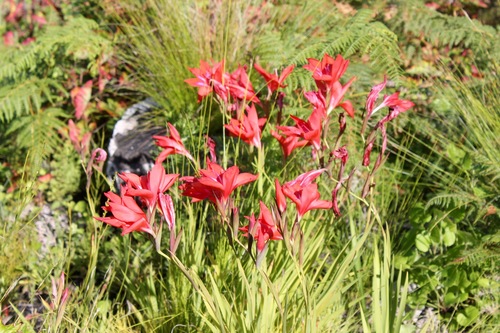
Gladiolus is a popular flowering bulb known for its tall, sword-shaped leaves and vibrant, funnel-shaped blooms. While prized for its beauty in gardens and bouquets, all parts of the plant, particularly the corm, contain compounds that are harmful if ingested by pets.
Potentially toxic for cats & dogs.
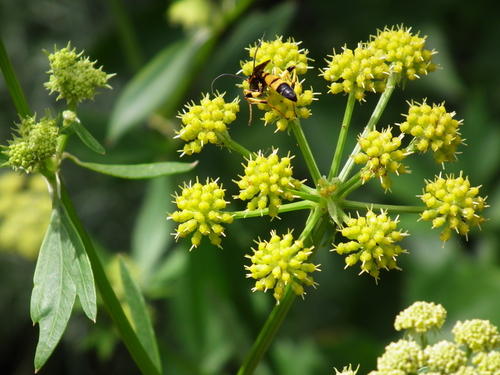
Lovage is a tall, perennial herb in the Apiaceae family often grown for its culinary uses, but it contains compounds that can cause adverse reactions in pets. It is best kept out of reach of curious cats and dogs.
Potentially toxic for cats & dogs.
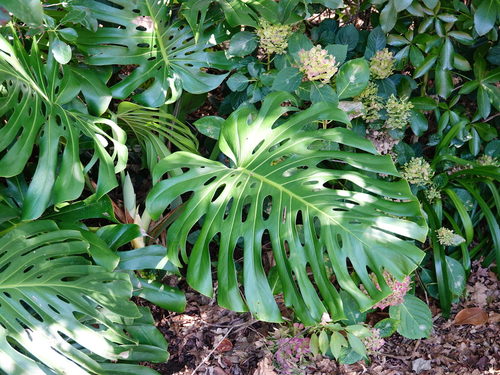
Monstera deliciosa is a popular tropical houseplant known for its large, fenestrated leaves and vining growth habit. It contains insoluble calcium oxalate crystals that can cause irritation if ingested by pets.
Potentially toxic for cats & dogs.
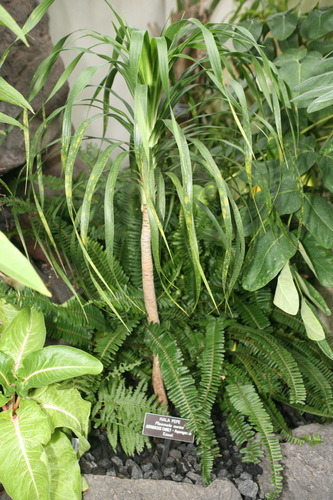
Dracaena trifasciata is a popular, hardy houseplant known for its stiff, sword-like leaves with striking yellow margins. It is widely appreciated for its air-purifying qualities and ability to thrive in various indoor conditions.
Potentially toxic for cats & dogs.