Cats & Dogs
Potentially toxicConsulted references classify the plant as toxic or irritating for that pet type.
Verified against ASPCA/provenance audit 2026-05-06 on May 6, 2026.
Sources
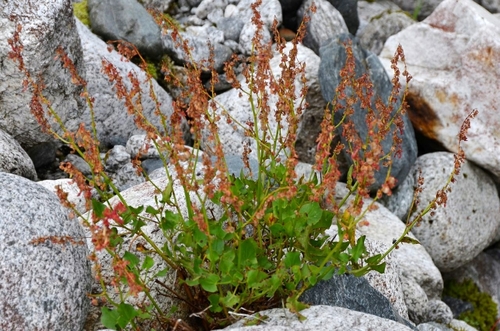
Rumex scutatus
French Sorrel is a perennial herb often grown for its tangy, edible leaves, but it contains soluble calcium oxalates that can be harmful to pets if ingested in quantity. It is characterized by its shield-shaped foliage and low-growing habit.
Safety status
Cats & Dogs
Potentially toxicConsulted references classify the plant as toxic or irritating for that pet type.
Verified against ASPCA/provenance audit 2026-05-06 on May 6, 2026.
Sources
If a pet has chewed or swallowed plant material and is showing symptoms, contact a veterinarian or poison resource immediately. This product is for structured reference, not diagnosis.
Cats — concern notes
Common signs
Oral irritation, excessive drooling, pawing at the mouth, difficulty swallowing, and potential vomiting.
Escalation note
The presence of soluble calcium oxalates can cause irritation to the mouth and digestive tract. Please contact your veterinarian if you suspect your cat has ingested this plant.
Dogs — concern notes
Common signs
Oral irritation, intense burning or swelling of the lips and tongue, drooling, and gastrointestinal upset.
Escalation note
Ingestion of significant amounts may lead to more severe systemic effects due to oxalate absorption. Always consult a veterinarian if ingestion occurs.
Safer alternatives
No hand-picked alternatives for this plant yet. You can still pick your own using the Compare button on any other plant.
ASPCA Toxic Plant List
toxicology · 99% reliability
Sorrel (Rumex scutatus) is listed as toxic to both cats and dogs due to the presence of soluble calcium oxalates.
Plants of the World Online (Kew)
botanical · 95% reliability
Accepted botanical name and distribution data for Rumex scutatus L.
Yes, French Sorrel (Rumex scutatus) is potentially toxic to cats. It contains soluble calcium oxalates, which can irritate the mouth and digestive tract. Even though the leaves are edible for humans, cats should not eat this plant.
Immediately after ingestion, you may see oral irritation, excessive drooling, pawing at the mouth, difficulty swallowing, and vomiting. After larger amounts, watch the following 24–36 hours for delayed signs of kidney involvement: weakness, muscle twitching or tremors, changes in urination, and lethargy.
Remove any remaining plant material and offer fresh water — do not induce vomiting at home. Note the time and approximate amount eaten, then call your vet or the ASPCA Animal Poison Control Center at (888) 426-4435. Soluble-oxalate cases can require bloodwork and IV fluids when the dose is more than minimal, so err on the side of calling even if your cat seems fine initially.
GI signs like drooling and vomiting can appear within a few hours, but the more dangerous kidney-related signs — changes in urination, weakness, and tremors from low blood calcium — can be delayed 24–36 hours after ingestion. The watch period should extend at least two full days after exposure.
Yes, French Sorrel (Rumex scutatus) is potentially toxic to dogs. It contains soluble calcium oxalates that cause oral irritation, intense burning or swelling of the lips and tongue, drooling, and gastrointestinal upset. Larger ingestions can lead to more serious systemic effects including low blood calcium and, 24–36 hours later, signs of acute kidney injury.
Small ingestions typically cause drooling, vomiting, diarrhea, and abdominal discomfort within a few hours. A significant amount can drop blood calcium enough to cause weakness, muscle fasciculations, or seizures, and urination changes or lethargy may appear 24–36 hours after exposure — so monitor your dog for at least two days.
Remove the plant and give your dog access to fresh water. Do not induce vomiting at home. Note how much was eaten and when, and bring a plant sample to your vet if possible — bloodwork and IV fluids are the mainstays of treatment for larger ingestions. Call the ASPCA Animal Poison Control Center at (888) 426-4435 right away if your dog ate more than a small mouthful or if you're unsure.
Initial GI signs can appear within a few hours of ingestion, but delayed kidney signs — including changes in urine output, ongoing lethargy, and weakness — typically develop 24–36 hours after exposure. Because of this delayed window, watch your dog closely for at least two days even if they seem to recover quickly at first.
Often compared with
Same safety verdict
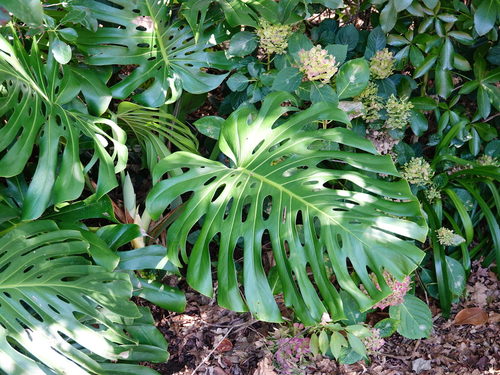
Monstera deliciosa is a popular tropical houseplant known for its large, fenestrated leaves and vining growth habit. It contains insoluble calcium oxalate crystals that can cause irritation if ingested by pets.
Potentially toxic for cats & dogs.

Dracaena trifasciata is a popular, hardy houseplant known for its stiff, sword-like leaves with striking yellow margins. It is widely appreciated for its air-purifying qualities and ability to thrive in various indoor conditions.
Potentially toxic for cats & dogs.
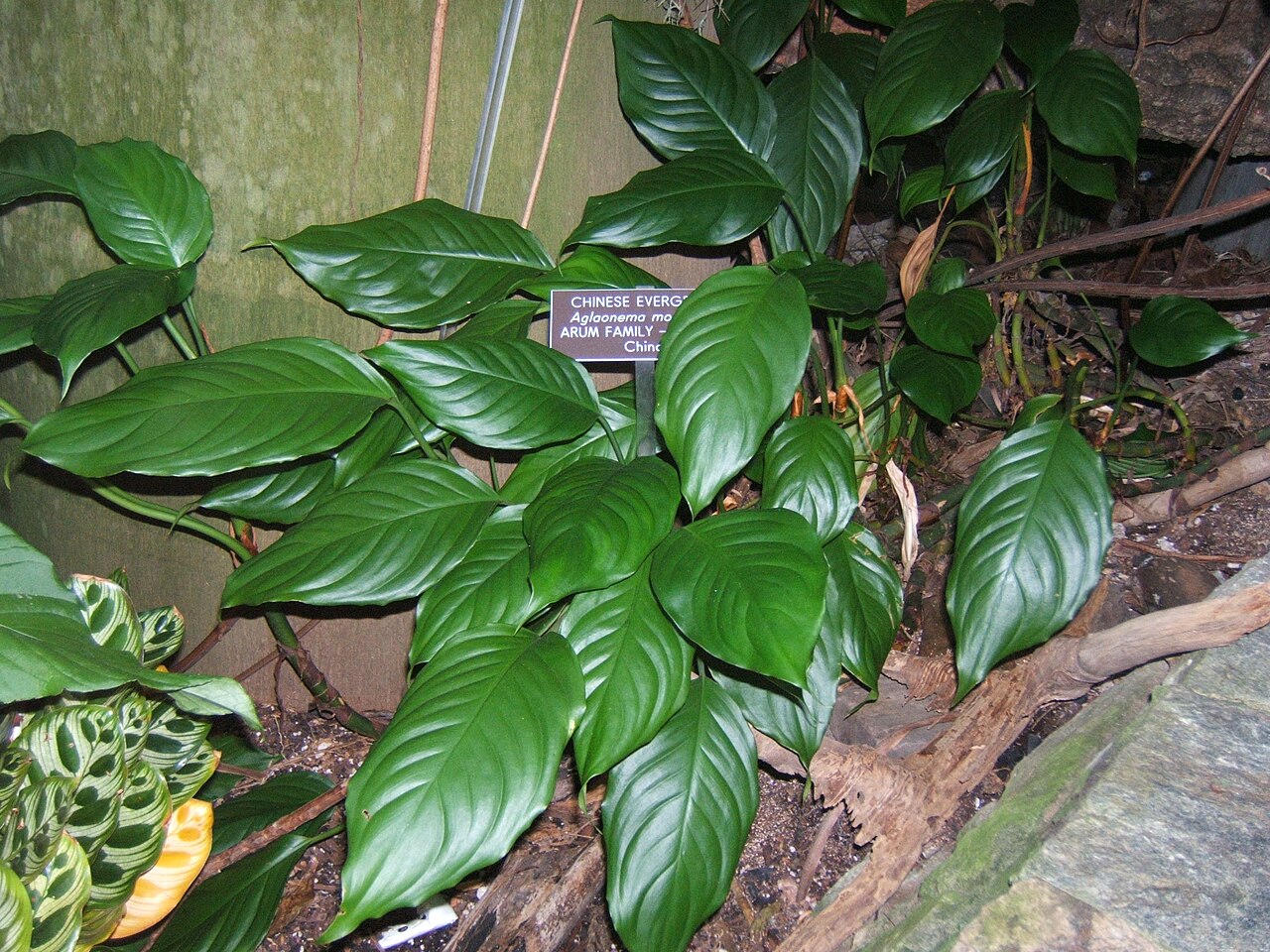
Chinese Evergreen is a popular indoor foliage plant known for its patterned leaves and tolerance of low light conditions. It contains insoluble calcium oxalate crystals that can cause irritation if ingested or chewed.
Potentially toxic for cats & dogs.
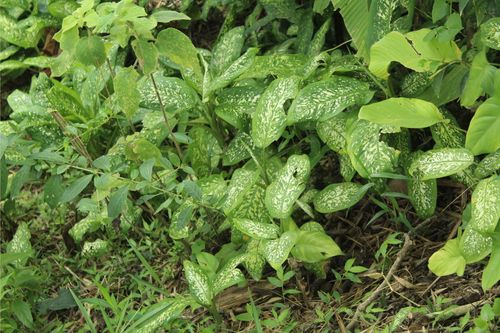
Dieffenbachia is a popular tropical houseplant known for its large, variegated leaves. It contains insoluble calcium oxalate crystals that can cause irritation if ingested or chewed.
Potentially toxic for cats & dogs.
Same growing conditions