Cats & Dogs
Potentially toxicConsulted references classify the plant as toxic or irritating for that pet type.
Verified against ASPCA/provenance audit 2026-05-06 on May 6, 2026.
Sources
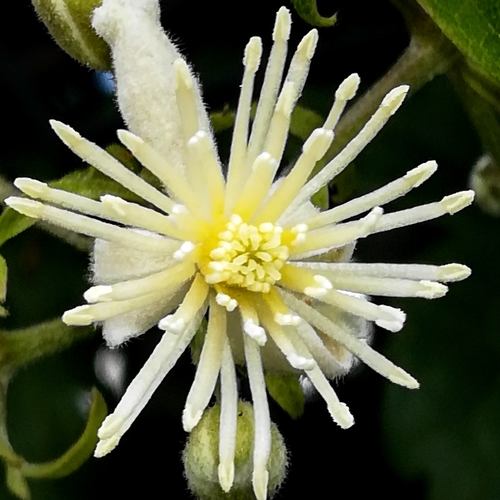
Clematis sp.
Clematis is a genus of climbing vines known for their showy, star-shaped flowers. While popular in gardens, all parts of the plant contain compounds that can cause irritation if ingested by pets.
Safety status
Cats & Dogs
Potentially toxicConsulted references classify the plant as toxic or irritating for that pet type.
Verified against ASPCA/provenance audit 2026-05-06 on May 6, 2026.
Sources
If a pet has chewed or swallowed plant material and is showing symptoms, contact a veterinarian or poison resource immediately. This product is for structured reference, not diagnosis.
Cats — concern notes
Common signs
Drooling, vomiting, diarrhea, and oral irritation.
Escalation note
Ingestion typically causes gastrointestinal distress. Please contact your veterinarian if your cat has consumed any part of this plant.
Dogs — concern notes
Common signs
Drooling, vomiting, diarrhea, and potential skin irritation upon contact.
Escalation note
The plant contains protoanemonin, which can irritate the mouth and digestive tract. Consult a veterinarian if ingestion is suspected.
Safer alternatives
No hand-picked alternatives for this plant yet. You can still pick your own using the Compare button on any other plant.
ASPCA Toxic Plant List
toxicology · 99% reliability
Clematis is listed as toxic to both cats and dogs due to the presence of protoanemonin.
NC State Extension Plant Toolbox
botanical · 94% reliability
Provides botanical descriptions and horticultural information for the Clematis genus.
Yes, leatherflower is potentially toxic to cats. All parts of the clematis plant contain irritating compounds that can cause drooling, vomiting, diarrhea, and oral irritation if ingested.
Watch for excessive drooling or salivation, pawing at the mouth, vomiting, and diarrhea. Mild oral irritation is the most common presentation, and severity is generally proportional to how much of the plant was chewed.
Remove any plant material from your cat's mouth and offer fresh water to help rinse it out. Do not induce vomiting unless directed by a veterinarian or poison control. Call your vet or ASPCA Animal Poison Control (888-426-4435) if drooling or vomiting persists more than a few hours, your cat refuses to eat or drink, or you suspect more than a tiny taste was swallowed.
Onset and recovery times are not well documented specifically for clematis, but based on similar GI irritants, signs typically begin within a few hours of ingestion and resolve within 24 hours with supportive care.
Yes, leatherflower is potentially toxic to dogs. All parts of the clematis plant contain protoanemonin, a compound that irritates the mouth and digestive tract when ingested.
Signs include drooling, vomiting, diarrhea, and possible skin irritation from contact with the plant. Some dogs will paw at their mouth or drink more water than usual to chase off the bitter taste.
Remove the plant and rinse your dog's mouth with water to clear any residue. Do not induce vomiting unless a veterinarian or poison control directs you to. Call your vet or ASPCA Poison Control (888-426-4435) if vomiting or diarrhea continues beyond 12 hours, your dog seems lethargic or refuses food, or a large amount was eaten.
Onset and recovery times are not well documented specifically for clematis, but based on similar GI irritants, signs typically begin within a few hours of ingestion and resolve within 24 hours with supportive care.
Often compared with
Same safety verdict
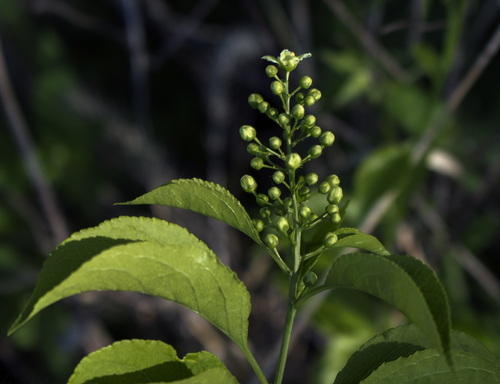
American Bittersweet is a woody vine native to North America, often recognized for its vibrant orange and red fruit capsules. While ornamental, all parts of the plant are considered toxic to pets if ingested.
Potentially toxic for cats & dogs.
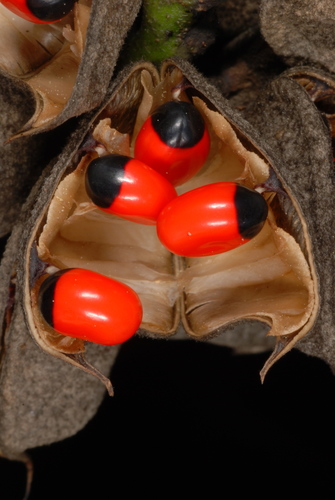
The Rosary Pea is a climbing vine known for its highly toxic seeds, which contain the potent protein abrin. Due to the extreme danger posed by the seeds, this plant should be kept strictly out of reach of all pets.
Potentially toxic for cats & dogs.
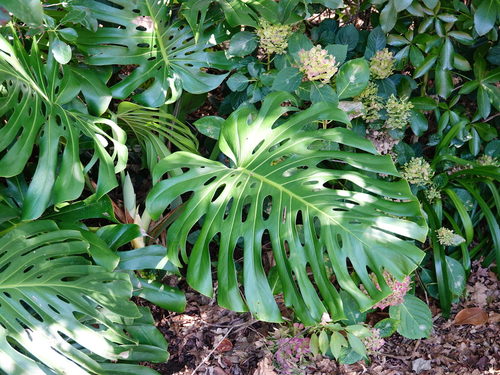
Monstera deliciosa is a popular tropical houseplant known for its large, fenestrated leaves and vining growth habit. It contains insoluble calcium oxalate crystals that can cause irritation if ingested by pets.
Potentially toxic for cats & dogs.
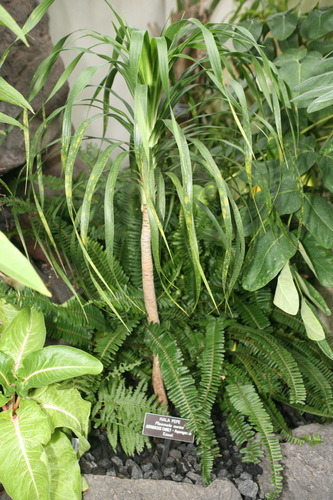
Dracaena trifasciata is a popular, hardy houseplant known for its stiff, sword-like leaves with striking yellow margins. It is widely appreciated for its air-purifying qualities and ability to thrive in various indoor conditions.
Potentially toxic for cats & dogs.