Cats & Dogs
Potentially toxicConsulted references classify the plant as toxic or irritating for that pet type.
Verified against ASPCA/provenance audit 2026-05-06 on May 6, 2026.
Sources
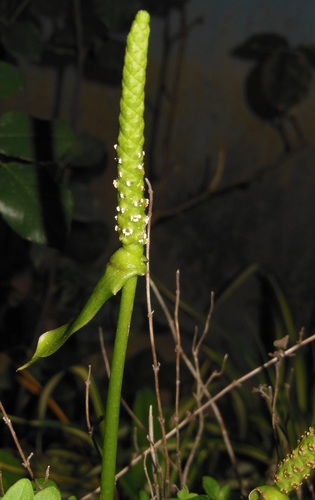
Anthurium scherzeranum
The Flamingo Flower is a popular tropical houseplant known for its vibrant, waxy spathes and deep green foliage. It contains insoluble calcium oxalate crystals that can cause irritation if ingested.
Safety status
Cats & Dogs
Potentially toxicConsulted references classify the plant as toxic or irritating for that pet type.
Verified against ASPCA/provenance audit 2026-05-06 on May 6, 2026.
Sources
If a pet has chewed or swallowed plant material and is showing symptoms, contact a veterinarian or poison resource immediately. This product is for structured reference, not diagnosis.
Cats — concern notes
Common signs
Oral irritation, intense burning and irritation of mouth, tongue and lips, excessive drooling, vomiting, and difficulty swallowing.
Escalation note
The insoluble calcium oxalate crystals cause immediate mechanical irritation upon contact with tissues. If your cat has ingested any part of this plant, please contact your veterinarian or a pet poison control center immediately.
Dogs — concern notes
Common signs
Oral irritation, intense burning and irritation of mouth, tongue and lips, excessive drooling, vomiting, and difficulty swallowing.
Escalation note
Ingestion typically results in immediate discomfort due to the presence of insoluble calcium oxalate crystals. Please consult your veterinarian if you suspect your dog has chewed or ingested this plant.
Safer alternatives
No hand-picked alternatives for this plant yet. You can still pick your own using the Compare button on any other plant.
ASPCA Toxic Plant List
toxicology · 99% reliability
Flamingo Flower is toxic to both cats and dogs due to insoluble calcium oxalate crystals.
NC State Extension Plant Toolbox
botanical · 94% reliability
Anthurium scherzeranum is a perennial herb in the Araceae family, native to Costa Rica.
Yes, Flamingo Flower (Anthurium scherzeranum) is toxic to cats. It contains insoluble calcium oxalate crystals that cause immediate oral irritation, intense burning of the mouth, tongue, and lips, excessive drooling, vomiting, and difficulty swallowing upon contact with tissue.
Symptoms are rapid — typically within minutes to 2 hours of chewing. Your cat may paw at its mouth, hypersalivate, shake its head, or refuse to eat due to the pain. In rare cases, oropharyngeal swelling can progress to airway compromise. Oral signs typically resolve within 12–24 hours with supportive care.
Remove any plant material from the mouth, rinse with cool water, and offer milk, canned-tuna water, or chicken broth — the calcium helps bind and dilute the oxalate crystals and eases pain. Do not induce vomiting. Call ASPCA Animal Poison Control at (888) 426-4435 if drooling doesn't settle within an hour, swelling appears in the mouth or face, vomiting persists, or breathing changes at all.
The entire plant contains insoluble calcium oxalate crystals — the mechanism behind the toxicity. These crystals cause immediate mechanical irritation the moment they contact mouth or throat tissue, so even a small chew of a leaf, stem, or spathe is enough to trigger symptoms.
Yes, Flamingo Flower (Anthurium scherzeranum) is toxic to dogs. It contains insoluble calcium oxalate crystals that cause immediate oral irritation, intense burning of the mouth, tongue, and lips, excessive drooling, vomiting, and difficulty swallowing.
Symptoms appear within minutes of chewing and almost always within 2 hours — your dog may drool heavily, paw at their muzzle, rub their face on the floor, vomit, or refuse to eat. In larger ingestions, visible swelling of the lips and tongue can develop; rarely, upper-airway swelling causes breathing difficulty, which is the one urgent scenario.
Remove any remaining plant material from your dog's mouth, then offer milk, tuna water, or chicken broth — the calcium in dairy binds the oxalate crystals and the dilution eases the burn. Do not induce vomiting; bringing crystals back up re-injures the mouth and esophagus. Call ASPCA Animal Poison Control at (888) 426-4435 if symptoms persist or worsen.
The plant contains insoluble calcium oxalate crystals — microscopic needle-like structures that physically puncture and irritate soft tissue in the mouth, tongue, and throat on contact, causing the immediate burning sensation and excessive drooling dogs experience. Oral signs typically resolve within 12–24 hours, but call your vet if drooling lasts more than 30–60 minutes, swelling is visible, vomiting continues, or breathing changes.
Same safety verdict
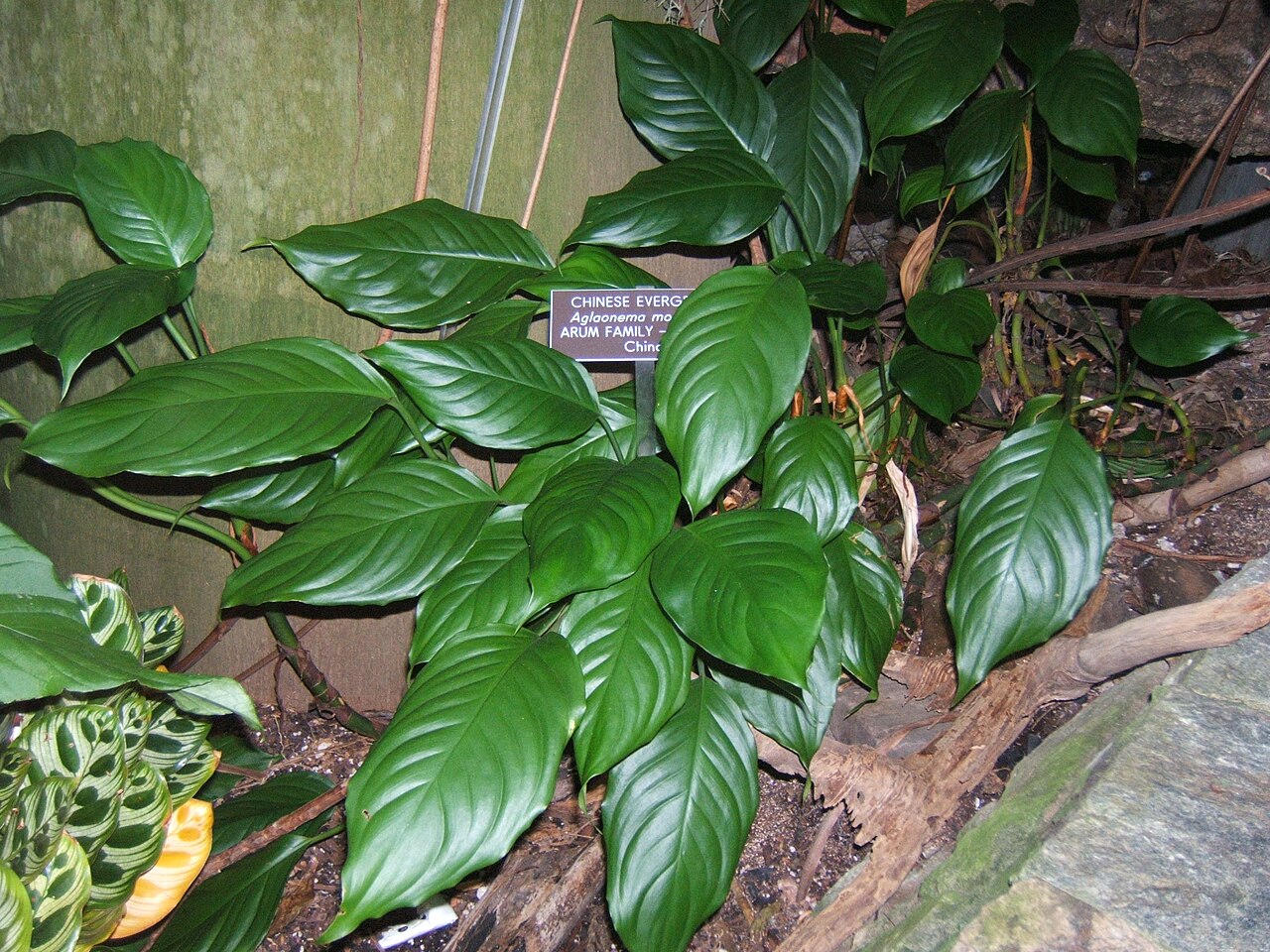
Chinese Evergreen is a popular indoor foliage plant known for its patterned leaves and tolerance of low light conditions. It contains insoluble calcium oxalate crystals that can cause irritation if ingested or chewed.
Potentially toxic for cats & dogs.
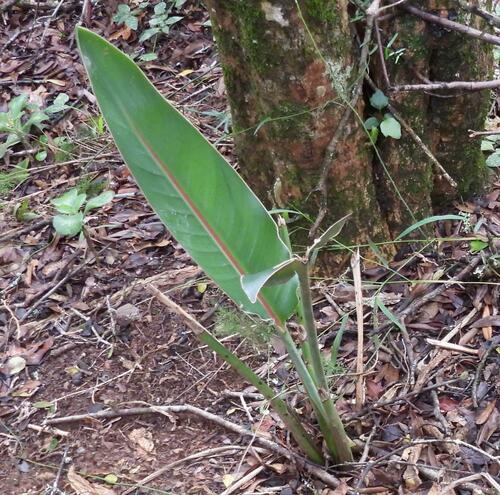
The Bird of Paradise is a popular tropical houseplant known for its striking, crane-like orange and blue flowers. While visually stunning, it contains compounds that can cause gastrointestinal distress if ingested by pets.
Potentially toxic for cats & dogs.
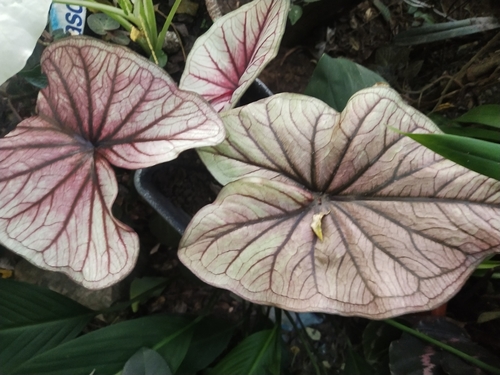
Caladiums are popular tropical foliage plants known for their vibrant, heart-shaped leaves. They contain insoluble calcium oxalate crystals that can cause irritation if ingested.
Potentially toxic for cats & dogs.
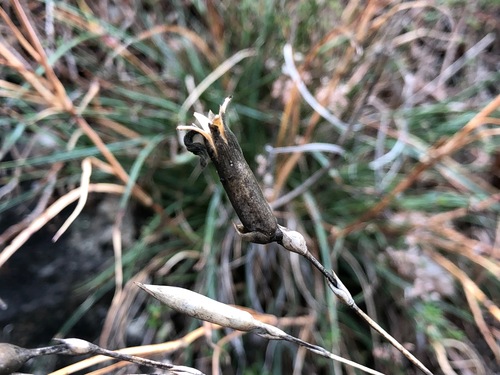
The carnation is a popular flowering plant known for its ruffled petals and spicy fragrance. While beautiful in bouquets, it contains compounds that can cause mild irritation if ingested by pets.
Potentially toxic for cats & dogs.
Same growing conditions
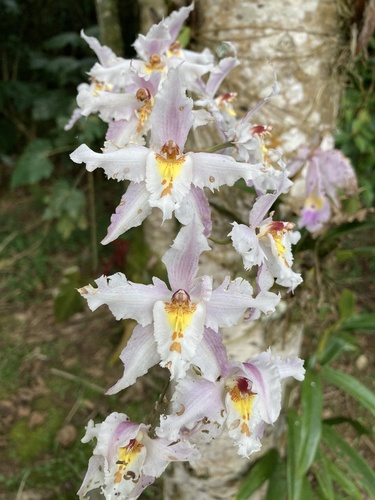
The Lace Orchid is a popular, elegant flowering plant known for its ruffled, star-shaped blooms. It is considered non-toxic to household pets, though its fibrous nature may cause minor digestive discomfort if consumed in large quantities.
Generally safe for cats.
Not yet rated for dogs.
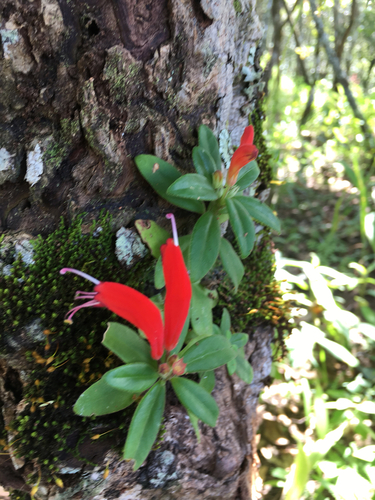
The Lipstick Plant is a popular trailing houseplant known for its tubular, bright red flowers that resemble lipstick tubes. It is considered non-toxic to pets, making it a safe choice for households with cats and dogs.
Generally safe for cats & dogs.
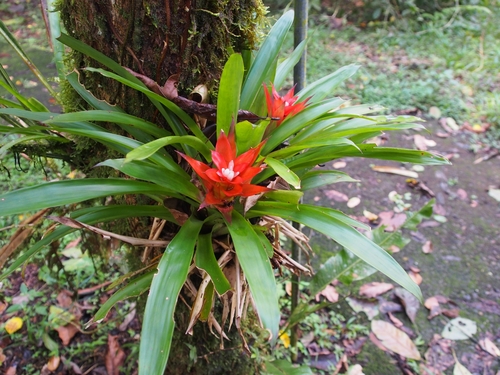
Orange Star is a popular, vibrant bromeliad known for its long-lasting, star-shaped inflorescence. It is considered non-toxic to pets, though ingestion of plant material can occasionally cause minor digestive discomfort.
Generally safe for cats & dogs.
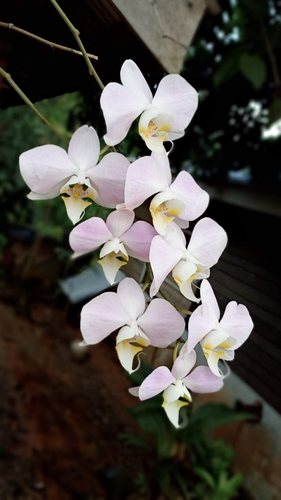
Phalaenopsis orchids, commonly known as moth orchids, are popular indoor flowering plants prized for their long-lasting, elegant blooms. They are considered non-toxic to pets, though their fibrous nature may cause minor digestive upset if consumed in large quantities.
Generally safe for cats & dogs.