Cats & Dogs
Potentially toxicConsulted references classify the plant as toxic or irritating for that pet type.
Verified against ASPCA/provenance audit 2026-05-06 on May 6, 2026.
Sources
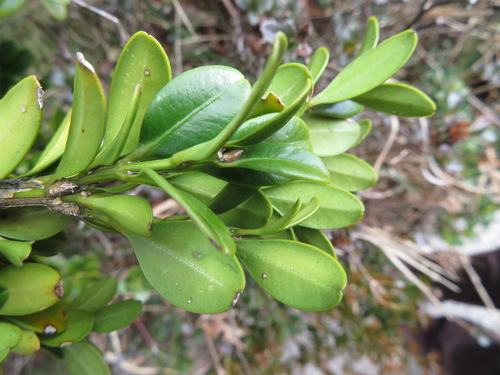
Buxus spp.
Boxwood is a popular evergreen shrub often used for hedging and topiary, containing steroidal alkaloids that can cause gastrointestinal distress if ingested. It is considered toxic to both cats and dogs.
Safety status
Cats & Dogs
Potentially toxicConsulted references classify the plant as toxic or irritating for that pet type.
Verified against ASPCA/provenance audit 2026-05-06 on May 6, 2026.
Sources
If a pet has chewed or swallowed plant material and is showing symptoms, contact a veterinarian or poison resource immediately. This product is for structured reference, not diagnosis.
Cats — concern notes
Common signs
Vomiting, diarrhea, and abdominal pain.
Escalation note
Ingestion can lead to significant gastrointestinal upset. Please contact your veterinarian if you suspect your cat has consumed any part of this plant.
Dogs — concern notes
Common signs
Vomiting, diarrhea, and potential lethargy.
Escalation note
While typically causing mild to moderate digestive irritation, ingestion of large quantities should be treated as a medical concern. Contact your veterinarian for guidance.
Safer alternatives
Some links earn us a small commission. They never affect our safety classifications.
ASPCA Toxic Plant List
toxicology · 99% reliability
Boxwood is listed as toxic to cats and dogs, causing vomiting and diarrhea.
NC State Extension Plant Toolbox
botanical · 94% reliability
Buxus is a genus of about 70 species in the family Buxaceae, known for its use in formal gardens and its toxic properties if ingested.
Yes, boxwood (Buxus spp.) is toxic to cats. The shrub contains steroidal alkaloids that cause gastrointestinal distress, and it is classified as potentially toxic for cats.
Vomiting, diarrhea, and abdominal pain are the primary signs. Cats may also drool or paw at their mouth from the plant's bitter taste. With heavier ingestion, watch for dehydration, lethargy, or refusal to drink in the first 24 hours.
Remove any plant material still in your cat's mouth and bag a sample for the vet. Offer water but don't force it, and do not try to induce vomiting at home. Call ASPCA Animal Poison Control at (888) 426-4435 or your vet for guidance on whether your cat needs to be seen.
GI signs can appear relatively quickly after ingestion, though exact onset timing is not specified in the available data. There is no specific antidote — treatment is supportive — and uncomplicated cases typically resolve within 24 hours. Kittens, elderly cats, or cats with existing kidney or GI disease should be evaluated sooner rather than waiting to see how symptoms progress.
Yes, boxwood (Buxus spp.) is toxic to dogs. The shrub contains steroidal alkaloids that cause gastrointestinal distress, and ingestion of large quantities should be treated as a medical concern.
The most common signs are vomiting and diarrhea, sometimes accompanied by lethargy. If GI symptoms are heavy, also watch for dehydration — sticky gums and lethargy are early signs. In senior dogs or those with heart or kidney disease, watch for laboured breathing or weakness as rare red-flag symptoms.
Remove any leaves still in your dog's mouth and bag a plant sample to bring to the vet. Rinse the mouth with a wet cloth. Do not induce vomiting at home — call your vet or the ASPCA Animal Poison Control at (888) 426-4435 first; they determine whether to bring your dog in for veterinary-induced vomiting and activated charcoal, which is most effective within a 2-hour window.
Call your vet right away if your dog is a senior or has heart, kidney, or GI disease, or if any dog ate a large amount. For otherwise healthy dogs, call if vomiting or diarrhea is severe, bloody, or persists more than a few hours. Uncomplicated mild cases typically resolve within 24–48 hours with supportive care.
Same safety verdict
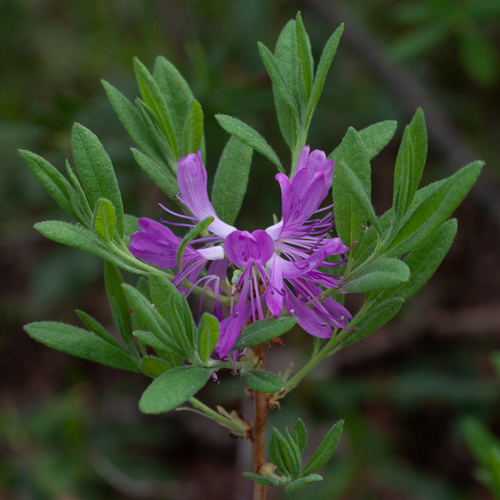
Azaleas are flowering shrubs in the Rhododendron genus that contain grayanotoxins, which can cause significant illness if ingested by pets. These plants are highly toxic and require immediate veterinary attention if consumption is suspected.
Potentially toxic for cats & dogs.
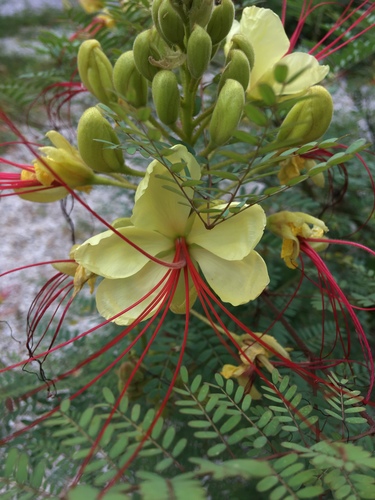
Barbados Pride is a flowering shrub known for its striking yellow flowers and long red stamens. It contains compounds that can cause gastrointestinal distress if ingested by pets.
Potentially toxic for cats & dogs.
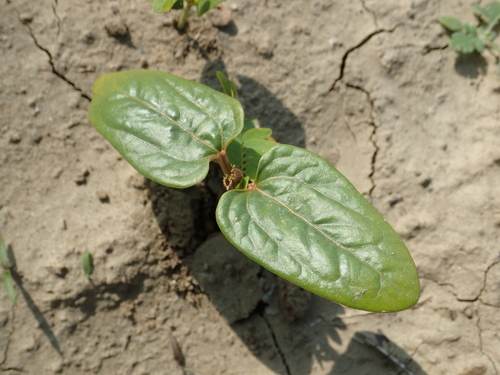
The African Wonder Tree is a fast-growing ornamental shrub known for its large, palm-like leaves and unique seed pods. It contains ricin, a highly potent toxin found throughout the plant, with the highest concentration in the seeds.
Potentially toxic for cats & dogs.
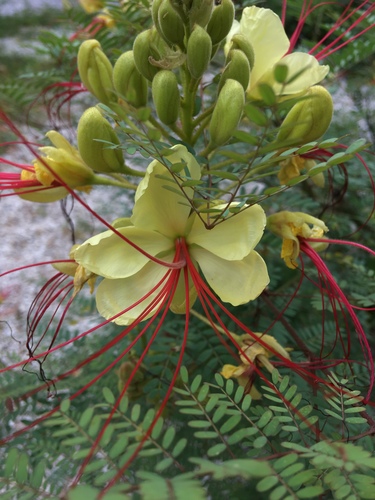
Caesalpinia gilliesii, often called the Bird of Paradise shrub, is a flowering plant known for its striking yellow and red blooms. It contains compounds that can cause gastrointestinal distress if ingested by pets.
Potentially toxic for cats & dogs.
