Cats & Dogs
Potentially toxicConsulted references classify the plant as toxic or irritating for that pet type.
Verified against ASPCA/provenance audit 2026-05-06 on May 6, 2026.
Sources
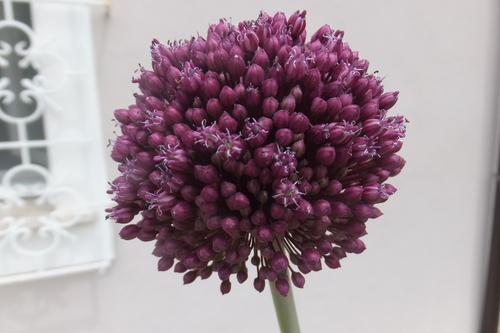
Allium ampeloprasum
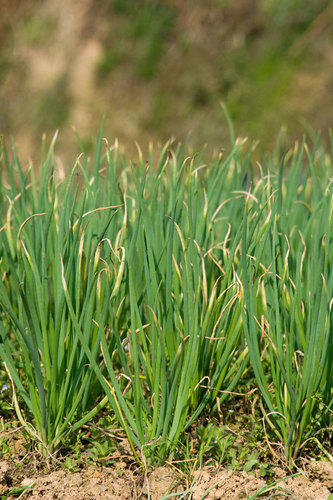
Leeks are members of the onion family that contain compounds capable of damaging red blood cells in pets. Ingestion of any part of the plant can lead to gastrointestinal upset and potential anemia.
Safety status
Cats & Dogs
Potentially toxicConsulted references classify the plant as toxic or irritating for that pet type.
Verified against ASPCA/provenance audit 2026-05-06 on May 6, 2026.
Sources
If a pet has chewed or swallowed plant material and is showing symptoms, contact a veterinarian or poison resource immediately. This product is for structured reference, not diagnosis.
Cats — concern notes
Common signs
Vomiting, diarrhea, lethargy, pale gums, and elevated heart rate.
Escalation note
Ingestion can cause oxidative damage to red blood cells, leading to hemolytic anemia. Please contact your veterinarian immediately if ingestion is suspected.
Dogs — concern notes
Common signs
Drooling, abdominal pain, vomiting, diarrhea, and weakness.
Escalation note
The toxic compounds in leeks can cause significant blood cell damage. Seek veterinary care promptly if your dog has consumed this plant.
Safer alternatives
No hand-picked alternatives for this plant yet. You can still pick your own using the Compare button on any other plant.
ASPCA Toxic Plant List
toxicology · 99% reliability
Leek is listed as toxic to both cats and dogs due to the presence of N-propyl disulfide.
NC State Extension Plant Toolbox
botanical · 94% reliability
Allium ampeloprasum is a biennial plant in the Amaryllidaceae family, commonly cultivated for culinary use.
Yes, leeks are toxic to cats. As members of the Allium family, they contain compounds that cause oxidative damage to red blood cells, which can lead to hemolytic anemia. Any part of the plant — raw, cooked, or in seasoned food — is dangerous.
Early symptoms are gastrointestinal: vomiting, drooling, abdominal pain, and diarrhea, which can appear within hours. The more serious danger is anemia, which may not appear for several days — signs include pale gums, weakness, lethargy, fast heart rate, rapid breathing, and red or brown urine.
Remove your cat's access to any remaining leek and note how much was eaten and when, then call a vet or ASPCA Poison Control (888-426-4435) immediately — do not wait for symptoms to appear. Do not induce vomiting at home; a professional will decide whether decontamination is appropriate.
GI signs like vomiting and diarrhea can appear within hours, but the dangerous red-blood-cell damage is often delayed — anemia may not become apparent for several days after ingestion. Because of this delay, a follow-up bloodwork check is typical even after initial symptoms seem to resolve.
Yes, leeks are toxic to dogs. They belong to the Allium family and contain compounds that can damage red blood cells, causing gastrointestinal upset and potentially hemolytic anemia. Any part of the plant is dangerous, and this includes cooked leeks or dishes seasoned with them.
Initial signs appear within 24 hours and include drooling, oral irritation, abdominal pain, vomiting, and diarrhea. The more dangerous delayed signs — which can appear days to about a week later — are anemia-related: lethargy, pale gums, rapid heart and respiratory rate, weakness, exercise intolerance, and dark or bloody urine.
Remove any remaining leek and estimate how much was eaten and when. Do not induce vomiting at home — your vet or poison control will direct decontamination based on dose and timing. Call a vet or ASPCA Animal Poison Control (888-426-4435) immediately, even for small amounts, because toxic dose depends on your dog's body weight and symptoms can be delayed by several days.
GI symptoms like vomiting and diarrhea can appear within 24 hours, but the more serious complication — hemolytic anemia from red blood cell damage — is delayed and may not show up for several days to about a week after ingestion. Because of this delay, bloodwork follow-up is common even when a dog initially appears fine.
Often compared with
Same safety verdict
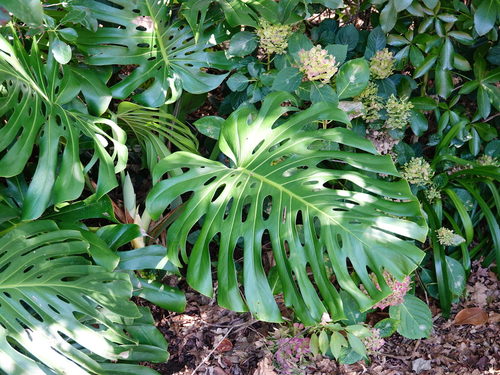
Monstera deliciosa is a popular tropical houseplant known for its large, fenestrated leaves and vining growth habit. It contains insoluble calcium oxalate crystals that can cause irritation if ingested by pets.
Potentially toxic for cats & dogs.

Dracaena trifasciata is a popular, hardy houseplant known for its stiff, sword-like leaves with striking yellow margins. It is widely appreciated for its air-purifying qualities and ability to thrive in various indoor conditions.
Potentially toxic for cats & dogs.
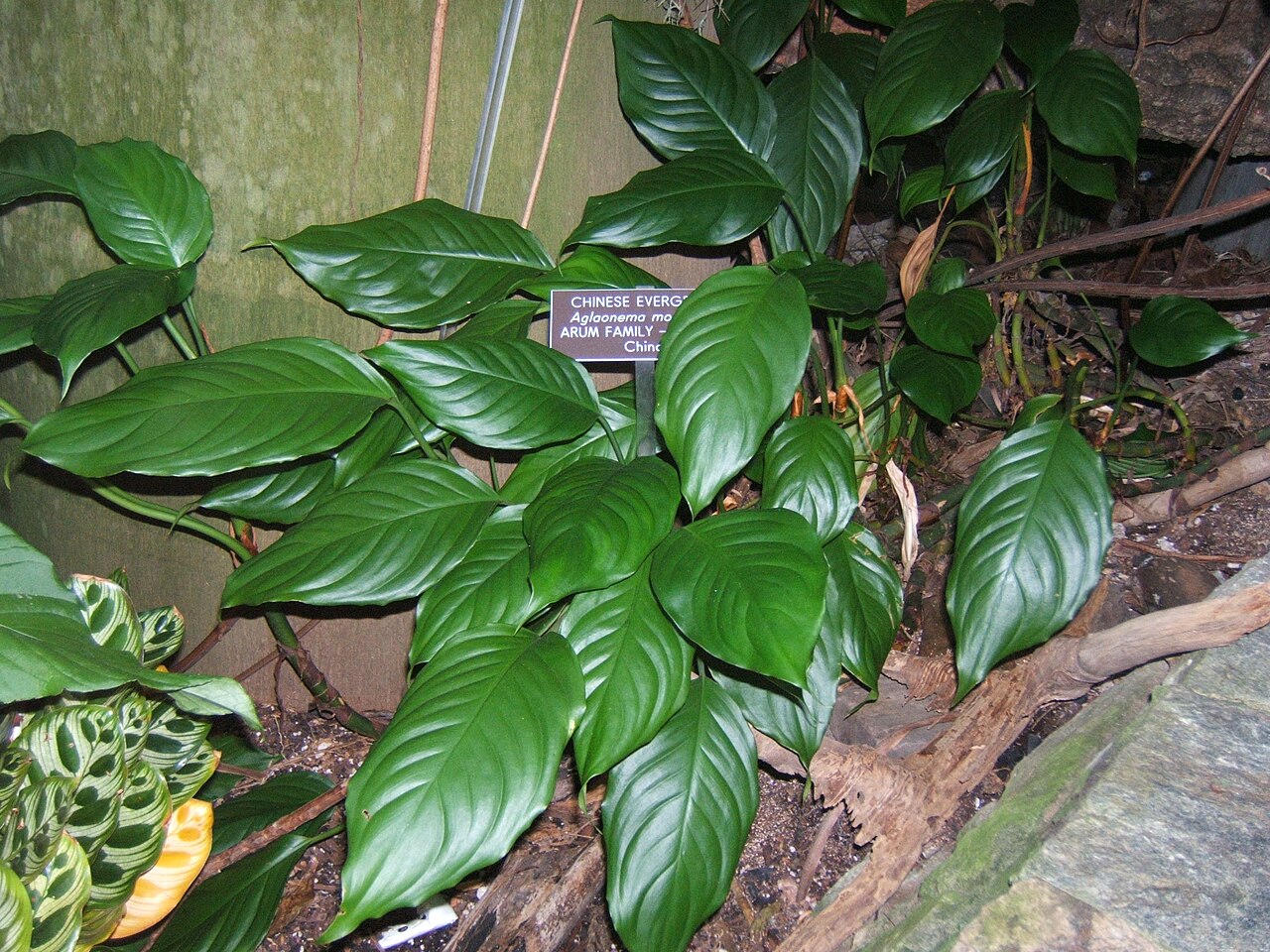
Chinese Evergreen is a popular indoor foliage plant known for its patterned leaves and tolerance of low light conditions. It contains insoluble calcium oxalate crystals that can cause irritation if ingested or chewed.
Potentially toxic for cats & dogs.
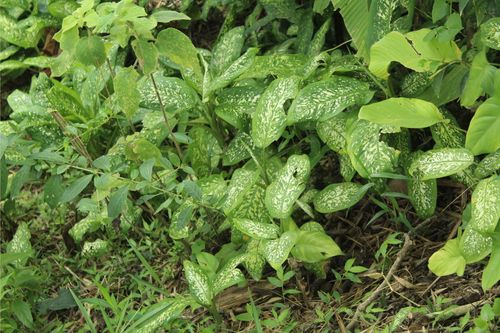
Dieffenbachia is a popular tropical houseplant known for its large, variegated leaves. It contains insoluble calcium oxalate crystals that can cause irritation if ingested or chewed.
Potentially toxic for cats & dogs.
Same growing conditions
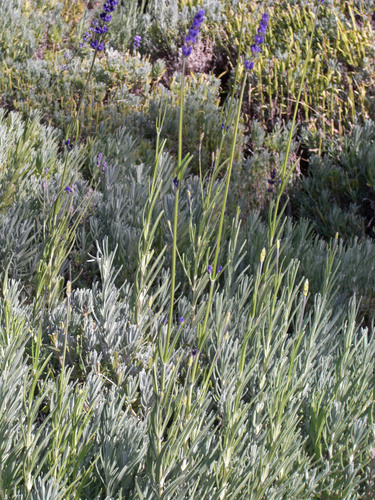
Lavender is a popular aromatic herb known for its fragrant purple flowers and silvery-green foliage. While widely used in essential oils and culinary applications, it contains compounds that can cause gastrointestinal distress if ingested by pets.
Potentially toxic for cats & dogs.
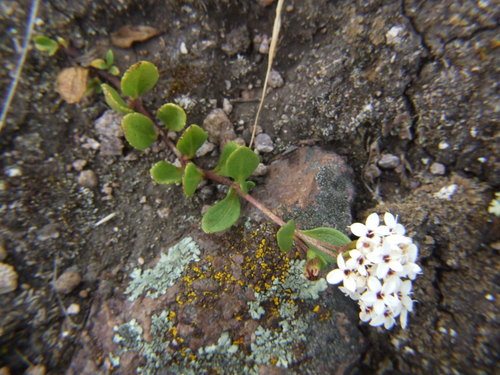
Stevia is a perennial herb widely cultivated for its intensely sweet leaves, which are used as a natural sugar substitute. It is generally considered safe for pets, though large ingestions of fibrous plant material may cause minor digestive discomfort.
Generally safe for cats & dogs.
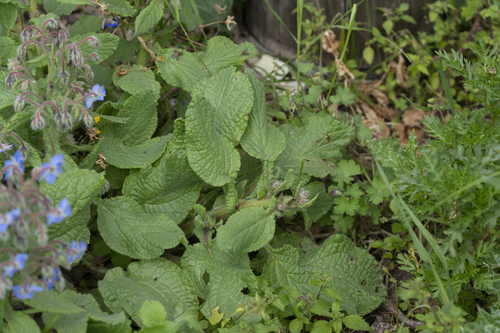
Borage is a flowering herb known for its star-shaped blue flowers and hairy foliage. While often used in culinary applications for humans, it contains pyrrolizidine alkaloids that can be harmful to pets if ingested.
Potentially toxic for cats & dogs.
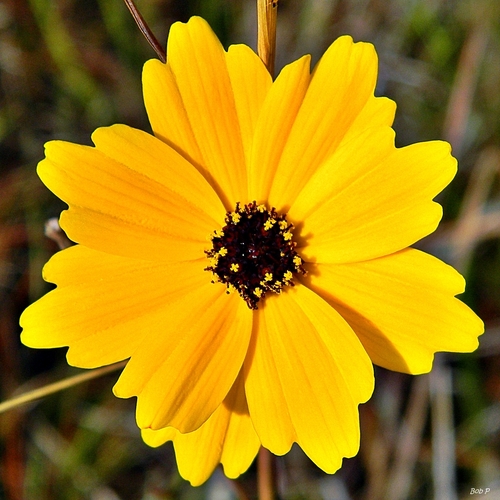
Coreopsis is a popular genus of flowering plants in the aster family, widely grown for their cheerful, daisy-like blooms. They are generally considered safe for household pets, though ingestion of large amounts of plant material may cause minor digestive discomfort.
Generally safe for cats & dogs.