Cats & Dogs
Potentially toxicConsulted references classify the plant as toxic or irritating for that pet type.
Verified against ASPCA/provenance audit 2026-05-06 on May 6, 2026.
Sources
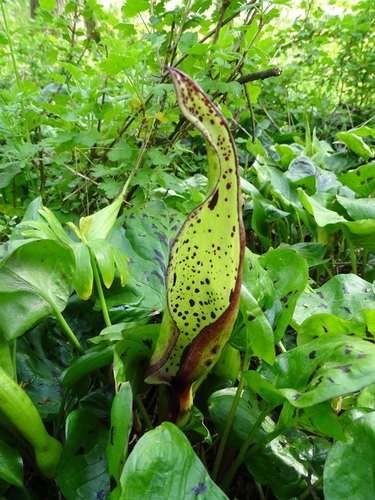
Arum maculatum
Arum maculatum is a tuberous perennial plant known for its distinct hooded spathe and bright red berries. It contains insoluble calcium oxalate crystals that cause immediate irritation upon contact with tissues.
Safety status
Cats & Dogs
Potentially toxicConsulted references classify the plant as toxic or irritating for that pet type.
Verified against ASPCA/provenance audit 2026-05-06 on May 6, 2026.
Sources
If a pet has chewed or swallowed plant material and is showing symptoms, contact a veterinarian or poison resource immediately. This product is for structured reference, not diagnosis.
Cats — concern notes
Common signs
Oral irritation, intense burning and irritation of the mouth, tongue and lips, excessive drooling, vomiting, and difficulty swallowing.
Escalation note
The presence of insoluble calcium oxalate crystals causes immediate mechanical irritation. If your cat has ingested any part of this plant, contact your veterinarian or an animal poison control center immediately.
Dogs — concern notes
Common signs
Oral irritation, intense burning and irritation of the mouth, tongue and lips, excessive drooling, vomiting, and difficulty swallowing.
Escalation note
Ingestion leads to immediate tissue irritation due to calcium oxalate crystals. Please consult your veterinarian if you suspect your dog has chewed or ingested this plant.
Safer alternatives
No hand-picked alternatives for this plant yet. You can still pick your own using the Compare button on any other plant.
ASPCA Toxic Plant List
toxicology · 99% reliability
Arum maculatum is listed as toxic to both cats and dogs due to the presence of insoluble calcium oxalate crystals.
Kew Plants of the World Online
botanical · 95% reliability
Accepted scientific name and taxonomic classification for Arum maculatum L.
Yes, Lords-and-Ladies (Arum maculatum) is toxic to cats. It contains insoluble calcium oxalate crystals that cause immediate mechanical irritation to any tissue they contact, making it potentially dangerous even from a small bite.
Symptoms begin within minutes and include intense burning of the mouth, tongue, and lips, heavy drooling, pawing at the face, vomiting, and difficulty swallowing. Your cat may refuse to eat until the oral irritation subsides, which can take up to 24 hours. Severe airway swelling is rare but possible.
Contact your veterinarian or the ASPCA Animal Poison Control Center at (888) 426-4435 immediately. Call your vet right away if drooling, vomiting, or pawing at the mouth persists, your cat won't swallow, or you notice any swelling around the muzzle or changes in breathing — even mild cases carry a dehydration risk that warrants a vet check.
All parts of Lords-and-Ladies contain insoluble calcium oxalate crystals, including the leaves, roots, and the bright red berries the plant produces. The crystals cause immediate pain on contact with oral tissues, so any part of the plant poses a risk if bitten or chewed.
Yes, Lords-and-Ladies is toxic to dogs. The plant contains insoluble calcium oxalate crystals throughout its tissues — including the distinctive berries, spathe, and tubers — that cause immediate oral irritation and burning upon contact.
Expect sudden pawing at the mouth, intense drooling, head shaking, vomiting, and reluctance to eat or swallow. The lips and tongue may look red or slightly swollen. Some dogs vocalize from pain. Symptoms begin almost immediately after chewing and typically settle within a few hours, resolving within a day with supportive care.
Rinse your dog's mouth gently with water to help clear residual crystals, then call your vet or the ASPCA Animal Poison Control Center at (888) 426-4435. Seek emergency care immediately if you notice facial swelling, noisy or labored breathing, or your dog cannot swallow — airway swelling is uncommon but serious.
The entire plant contains calcium oxalate crystals, but the bright red berries are especially appealing and dangerous, and the tubers (underground corms) have a high crystal concentration. Chewing any part — berries, leaves, spathe, or roots — releases the crystals and triggers immediate tissue irritation.
Often compared with
Same safety verdict
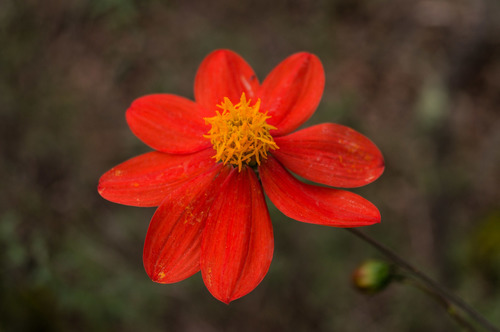
Dahlias are popular tuberous perennials known for their diverse, showy blooms. While they are a staple in gardens, they contain compounds that can cause mild gastrointestinal or dermatological irritation if ingested or handled by pets.
Potentially toxic for cats & dogs.
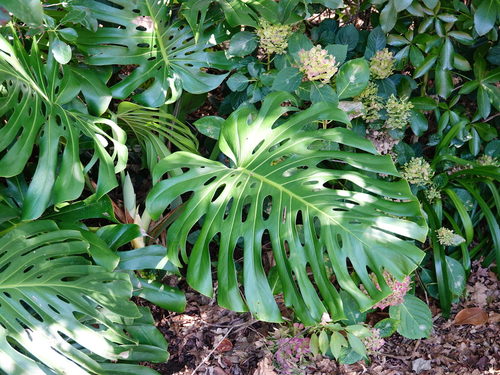
Monstera deliciosa is a popular tropical houseplant known for its large, fenestrated leaves and vining growth habit. It contains insoluble calcium oxalate crystals that can cause irritation if ingested by pets.
Potentially toxic for cats & dogs.
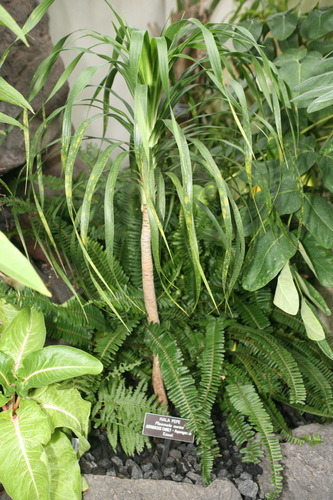
Dracaena trifasciata is a popular, hardy houseplant known for its stiff, sword-like leaves with striking yellow margins. It is widely appreciated for its air-purifying qualities and ability to thrive in various indoor conditions.
Potentially toxic for cats & dogs.
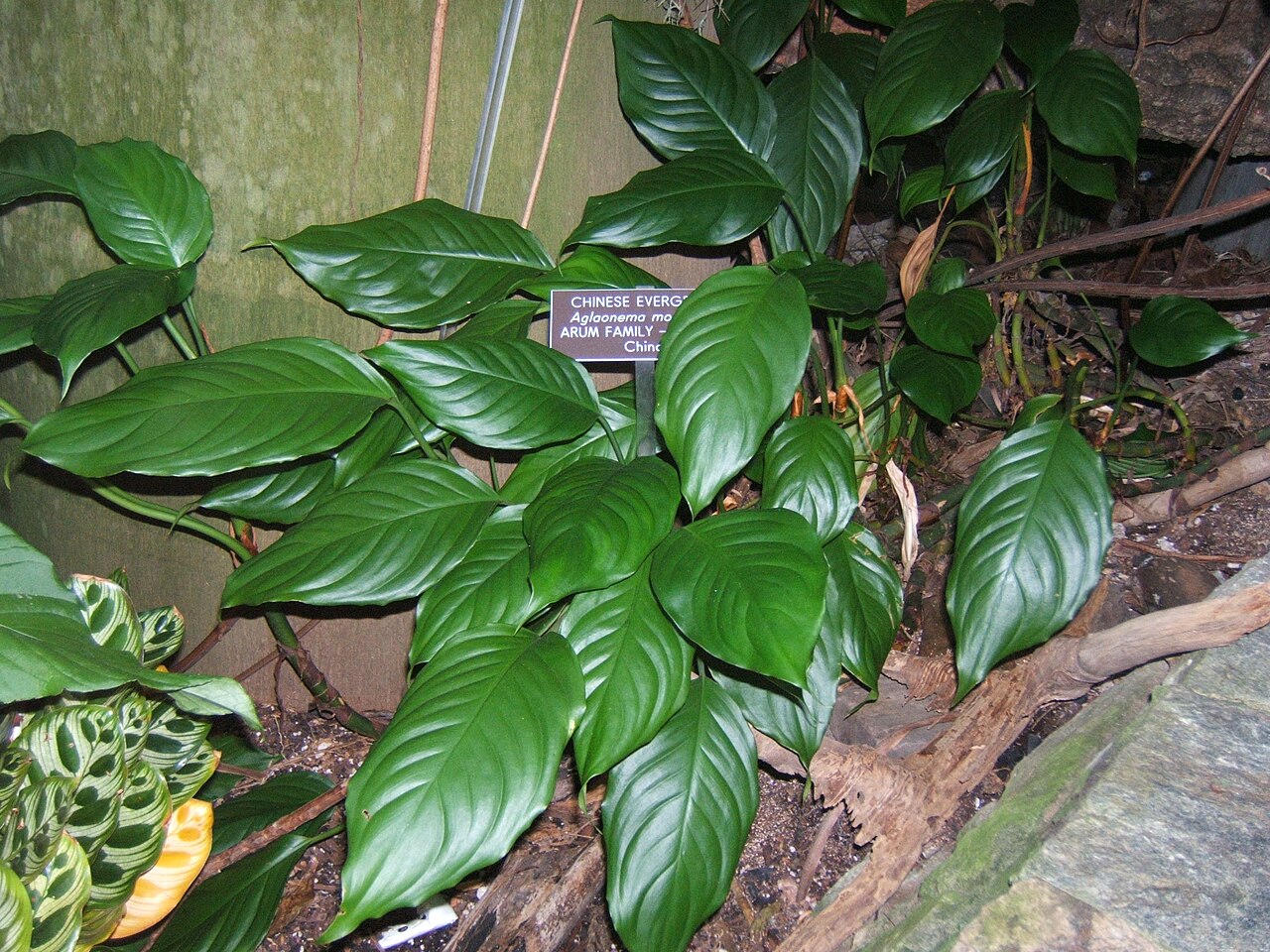
Chinese Evergreen is a popular indoor foliage plant known for its patterned leaves and tolerance of low light conditions. It contains insoluble calcium oxalate crystals that can cause irritation if ingested or chewed.
Potentially toxic for cats & dogs.