Cats & Dogs
Potentially toxicConsulted references classify the plant as toxic or irritating for that pet type.
Verified against ASPCA/provenance audit 2026-05-06 on May 6, 2026.
Sources
Prunus spp.
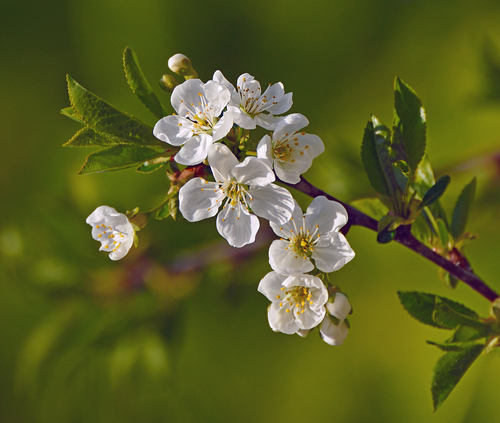
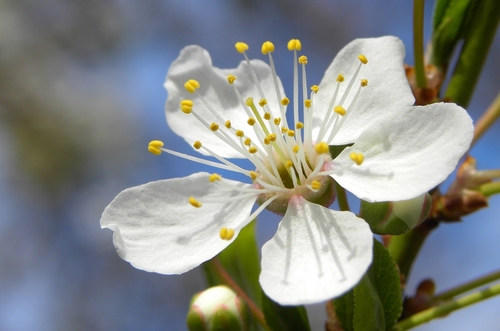
Cherry trees and shrubs contain cyanogenic glycosides in their stems, leaves, and pits, which can release cyanide when ingested. These plants are considered toxic to pets and should be kept out of reach.
Safety status
Cats & Dogs
Potentially toxicConsulted references classify the plant as toxic or irritating for that pet type.
Verified against ASPCA/provenance audit 2026-05-06 on May 6, 2026.
Sources
If a pet has chewed or swallowed plant material and is showing symptoms, contact a veterinarian or poison resource immediately. This product is for structured reference, not diagnosis.
Cats — concern notes
Common signs
Dilated pupils, difficulty breathing, bright red gums, shock, and potential collapse.
Escalation note
Ingestion of plant parts containing cyanide can lead to severe systemic toxicity. Contact your veterinarian immediately if you suspect your cat has chewed on or ingested any part of a cherry plant.
Dogs — concern notes
Common signs
Excessive drooling, vomiting, difficulty breathing, panting, and weakness.
Escalation note
The presence of cyanogenic glycosides poses a serious health risk. If ingestion occurs, seek emergency veterinary care promptly to manage potential cyanide poisoning.
Safer alternatives
No hand-picked alternatives for this plant yet. You can still pick your own using the Compare button on any other plant.
ASPCA Toxic Plant List
toxicology · 99% reliability
Cherry (Prunus species) contains cyanogenic glycosides which are toxic to cats and dogs.
NC State Extension Plant Toolbox
botanical · 94% reliability
Prunus is a large genus of trees and shrubs in the rose family, known for their ornamental flowers and fruit, but parts of the plant are toxic if ingested.
Yes, cherry plants (Prunus spp.) are toxic to cats. The stems, leaves, and pits contain cyanogenic glycosides that release cyanide when chewed or ingested, making them a serious hazard.
Signs of cyanide toxicity include bright red (brick-colored) gums, dilated pupils, rapid or labored breathing, weakness, and collapse. Early signs may include drooling, vomiting, or refusal to move. If a pit was swallowed whole, vomiting and abdominal pain from obstruction are also possible.
Cyanide signs can appear within 15–30 minutes of a cat chewing wilting leaves or pits. Symptoms from a whole swallowed pit — such as vomiting and abdominal pain from obstruction — may develop more slowly, over hours to a day.
Do not induce vomiting unless directed by a clinician. Remove any remaining plant material from your cat's mouth, then call ASPCA Animal Poison Control (888-426-4435) or Pet Poison Helpline (855-764-7661) immediately and take your cat to a clinic — cyanide poisoning is a true emergency.
Yes, cherry trees and shrubs (Prunus spp.) are toxic to dogs. The stems, leaves, and pits contain cyanogenic glycosides, which can release cyanide when ingested. Only the ripe fruit flesh is considered low-risk; every other part of the plant poses a serious health risk.
Cyanide signs can appear within 15–30 minutes of chewing leaves, stems, or pits and include brick-red gums, dilated pupils, rapid or labored breathing, panting, weakness, and shock or collapse. Earlier or milder signs are excessive drooling, vomiting, and abdominal pain. Vomiting combined with straining may also signal a pit obstruction, which develops more slowly over hours to a day.
Do not induce vomiting unless a veterinarian or poison-control clinician tells you to. Remove any remaining plant pieces or pits from your dog's mouth, then call ASPCA Animal Poison Control (888-426-4435) or Pet Poison Helpline (855-764-7661) immediately and head to the clinic. Your vet may administer IV fluids and, if needed, anti-seizure medication to manage cyanide exposure.
Any amount of chewed leaves, stems, or pits should be treated as a potential emergency because cyanogenic glycosides are present throughout these parts of the plant. Even a small number of chewed pits can trigger cyanide poisoning within 15–30 minutes. Contact your vet and Pet Poison Helpline (855-764-7661) right away — do not wait for symptoms to appear.
Often compared with
Commonly confused with
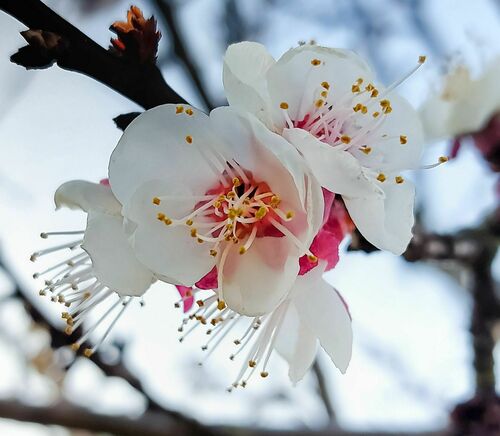
The apricot tree is a fruit-bearing species in the rose family. While the fruit flesh is generally considered safe, the stems, leaves, and seeds contain cyanogenic glycosides that can be harmful if ingested.
Potentially toxic for cats & dogs.
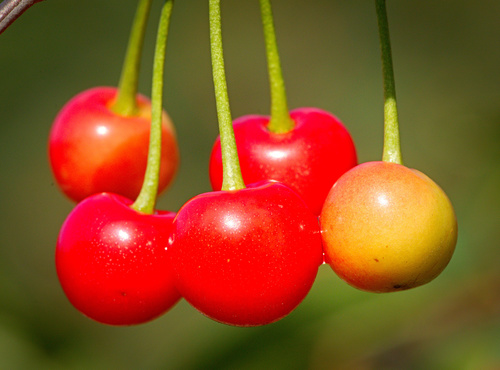
Prunus avium is a deciduous tree known for its edible fruit, but its stems, leaves, and seeds contain cyanogenic glycosides that can be harmful if ingested by pets. It is widely cultivated for fruit production and as an ornamental specimen.
Potentially toxic for cats & dogs.
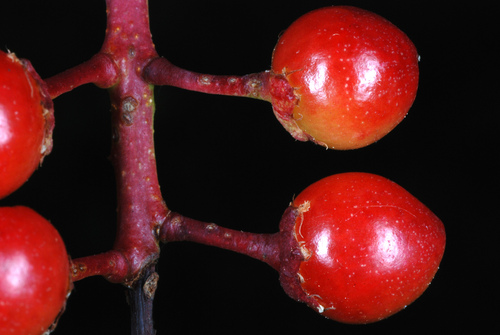
Prunus serotina is a native North American tree known for its dark, edible fruit and foliage that contains cyanogenic glycosides. Ingestion of any part of the plant, particularly the leaves and seeds, can be hazardous to pets.
Potentially toxic for cats & dogs.
Same genus
Same safety verdict
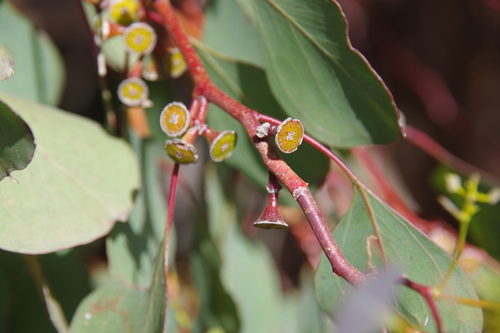
Eucalyptus is a diverse genus of evergreen trees and shrubs known for their aromatic, oil-rich foliage. While popular in floral arrangements and essential oils, the plant contains compounds that can be harmful if ingested by pets.
Potentially toxic for cats & dogs.
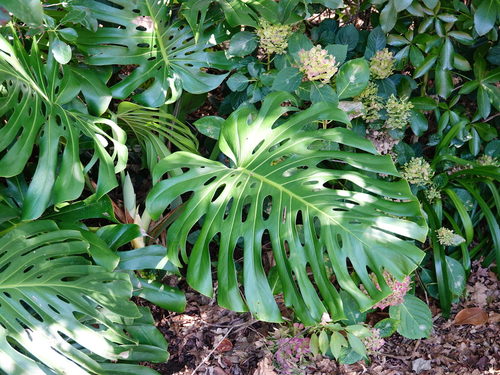
Monstera deliciosa is a popular tropical houseplant known for its large, fenestrated leaves and vining growth habit. It contains insoluble calcium oxalate crystals that can cause irritation if ingested by pets.
Potentially toxic for cats & dogs.
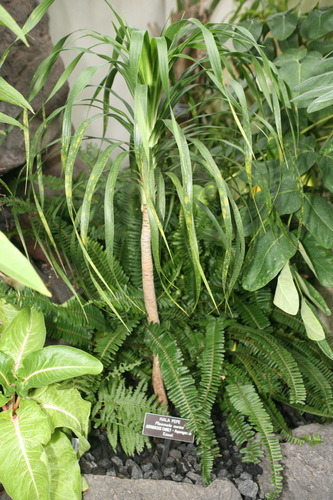
Dracaena trifasciata is a popular, hardy houseplant known for its stiff, sword-like leaves with striking yellow margins. It is widely appreciated for its air-purifying qualities and ability to thrive in various indoor conditions.
Potentially toxic for cats & dogs.
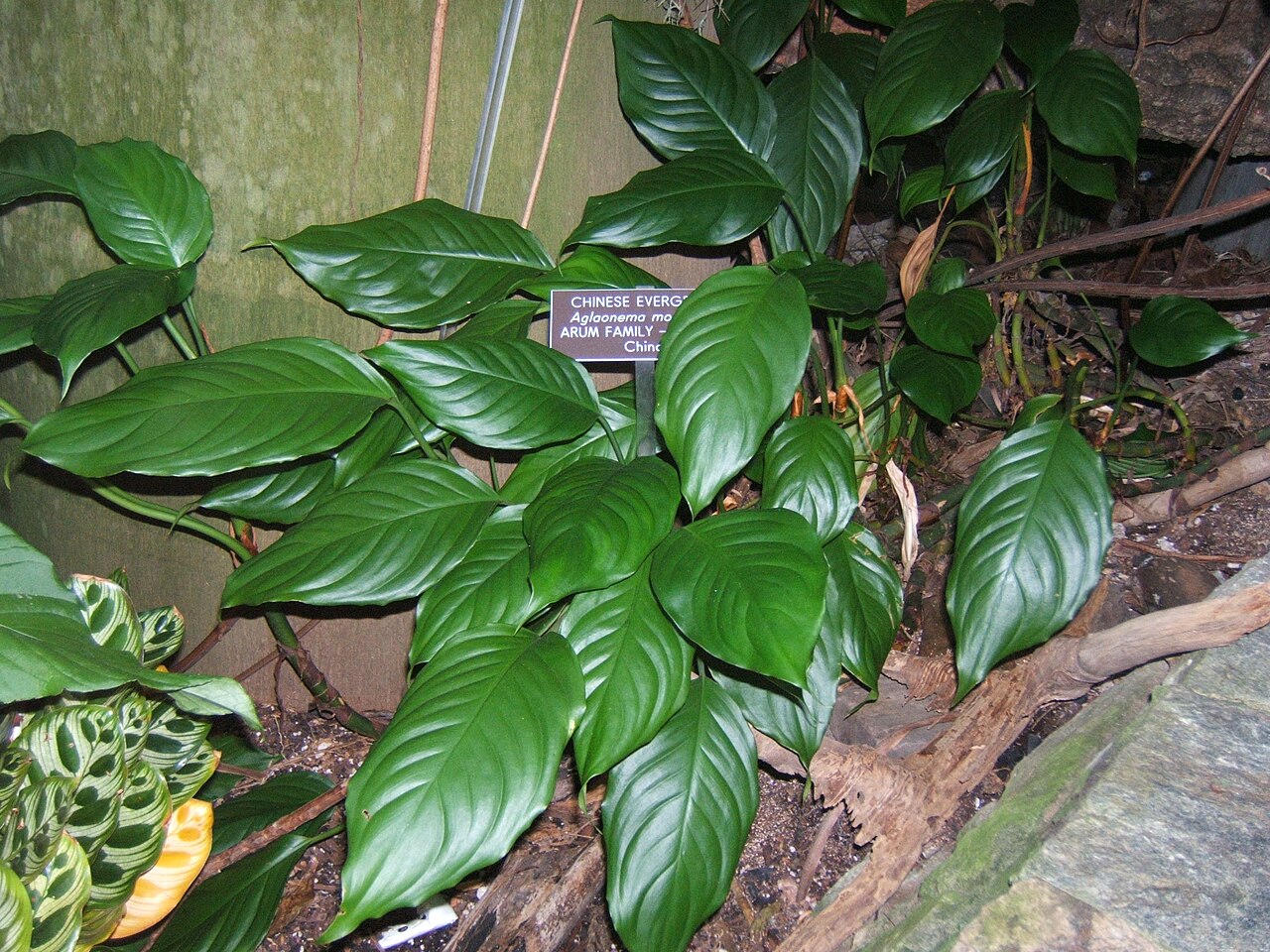
Chinese Evergreen is a popular indoor foliage plant known for its patterned leaves and tolerance of low light conditions. It contains insoluble calcium oxalate crystals that can cause irritation if ingested or chewed.
Potentially toxic for cats & dogs.
Same growing conditions
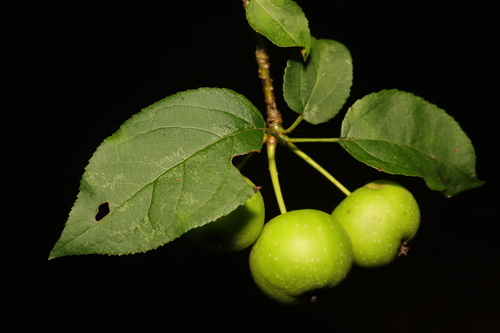
The apple tree is a deciduous fruit-bearing plant known for its edible fruit, though the seeds and foliage contain cyanogenic glycosides that can be harmful if ingested in large quantities. While the fruit flesh is generally safe, the plant parts containing amygdalin pose a risk to pets.
Potentially toxic for cats & dogs.
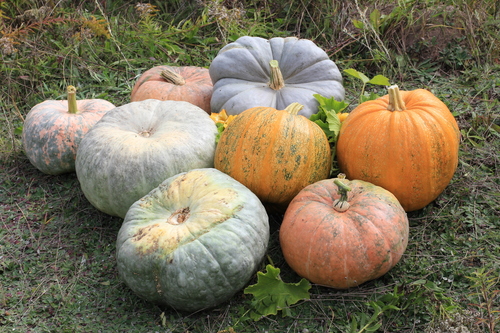
Acorn squash is a popular edible winter squash known for its ribbed, dark green skin and sweet, yellow-orange flesh. It is widely cultivated for culinary use and is considered safe for household pets.
Generally safe for cats & dogs.
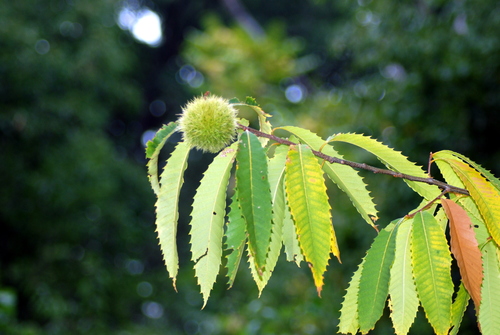
The American Chestnut is a deciduous tree known for its historical significance and edible nuts. It is considered non-toxic to pets, though ingestion of large amounts of fibrous plant material may cause minor digestive discomfort.
Generally safe for cats & dogs.
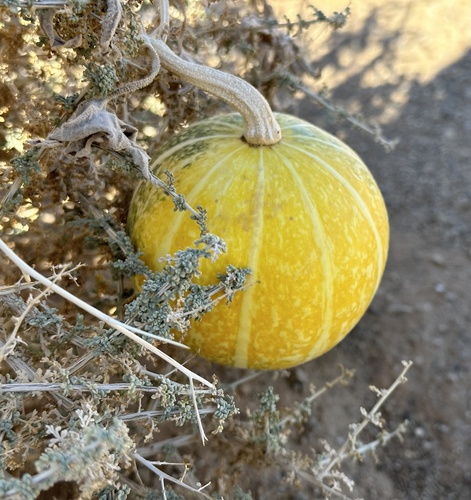
Banana squash is a large, edible winter squash variety known for its elongated shape and sweet, dense flesh. It is considered safe for household pets, though large ingestions of raw plant material may cause minor digestive discomfort.
Generally safe for cats & dogs.