Cats & Dogs
Potentially toxicConsulted references classify the plant as toxic or irritating for that pet type.
Verified against ASPCA/provenance audit 2026-05-06 on May 6, 2026.
Sources
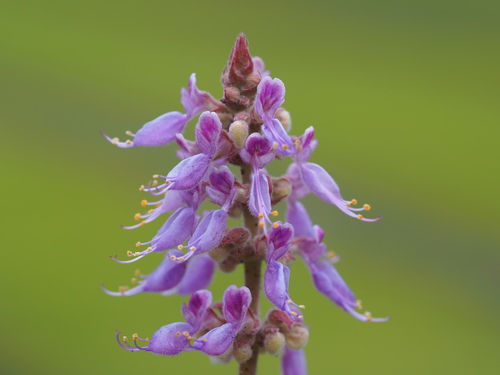
Coleus amboinicus
The Bread and Butter plant is a succulent herb known for its aromatic, fleshy leaves often used in culinary applications. While popular as a kitchen herb, it contains essential oils that can cause gastrointestinal distress if ingested by pets.
Safety status
Cats & Dogs
Potentially toxicConsulted references classify the plant as toxic or irritating for that pet type.
Verified against ASPCA/provenance audit 2026-05-06 on May 6, 2026.
Sources
If a pet has chewed or swallowed plant material and is showing symptoms, contact a veterinarian or poison resource immediately. This product is for structured reference, not diagnosis.
Cats — concern notes
Common signs
Vomiting, diarrhea, and potential lethargy or loss of appetite.
Escalation note
Ingestion of plant material may cause irritation to the gastrointestinal tract. Please contact your veterinarian if your cat shows signs of distress.
Dogs — concern notes
Common signs
Vomiting, diarrhea, and abdominal discomfort.
Escalation note
The essential oils in the leaves can be irritating to the digestive system. If your dog has ingested a significant amount, consult your veterinarian for guidance.
Safer alternatives
No hand-picked alternatives for this plant yet. You can still pick your own using the Compare button on any other plant.
ASPCA Toxic Plant List
toxicology · 99% reliability
Coleus amboinicus is listed as toxic to cats and dogs.
NC State Extension Plant Toolbox
botanical · 94% reliability
Plectranthus amboinicus is a tender perennial herb with succulent, aromatic leaves.
Yes, Cuban Oregano (Coleus amboinicus) is potentially toxic to cats. The plant contains essential oils that can irritate the gastrointestinal tract, causing vomiting, diarrhea, and lethargy if ingested.
Watch for drooling, vomiting, and diarrhea — sometimes with traces of blood — as well as loss of appetite, depression, and lethargy. If your cat brushed against a damaged plant, check for skin irritation or redness where sap contacted the fur. GI signs typically begin within a few hours of ingestion.
Move your cat away from the plant and wipe any plant residue from the muzzle and paws with a damp cloth. Rinse the mouth gently with water if your cat tolerates it. Do not induce vomiting and do not give activated charcoal at home — these can be dangerous with essential-oil exposures. Call your vet or ASPCA Animal Poison Control at (888) 426-4435.
Cats metabolize phenolic essential-oil compounds poorly, which means the oils in Cuban Oregano can affect them more severely than other species. Because of this metabolic limitation, you should not try to wait out symptoms — call your vet promptly if your cat shows repeated vomiting, bloody stool, marked listlessness, or any difficulty breathing.
Yes, Cuban Oregano (Coleus amboinicus) is potentially toxic to dogs. The essential oils in its fleshy, aromatic leaves irritate the digestive system and can cause vomiting, diarrhea, and abdominal discomfort.
Expect vomiting, diarrhea (sometimes bloody), drooling, depression, and loss of appetite. After a large ingestion you may also see an uncoordinated gait, tremors, or labored breathing; check the lips and gums for redness if your dog chewed the leaves. Most GI signs appear within a few hours and typically resolve within 24 hours with supportive care.
Move your dog away from the plant and wipe any plant material from its mouth and coat, then offer fresh water. Do not induce vomiting at home — emetics and activated charcoal can be problematic with essential-oil exposures. Call your vet or the ASPCA Animal Poison Control Center at (888) 426-4435 for guidance.
Cuban Oregano's toxicity comes from its essential oils, and VCA cautions that using emetics or activated charcoal with essential-oil exposures can cause additional harm rather than help. For this reason, decontamination should be directed by a veterinarian rather than attempted at home.
Same safety verdict
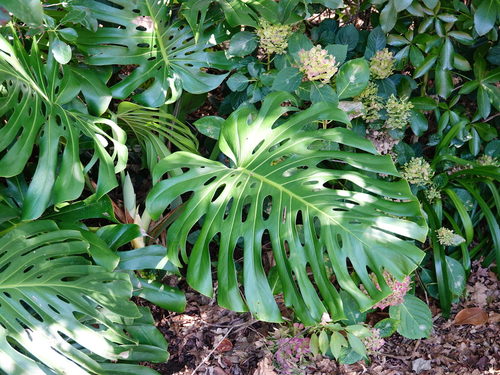
Monstera deliciosa is a popular tropical houseplant known for its large, fenestrated leaves and vining growth habit. It contains insoluble calcium oxalate crystals that can cause irritation if ingested by pets.
Potentially toxic for cats & dogs.
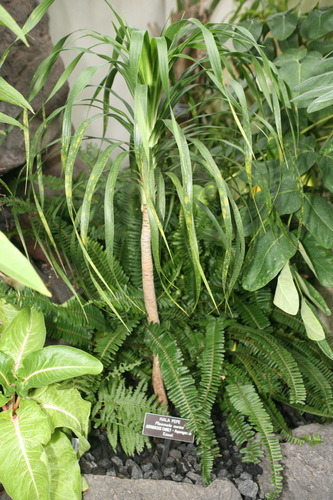
Dracaena trifasciata is a popular, hardy houseplant known for its stiff, sword-like leaves with striking yellow margins. It is widely appreciated for its air-purifying qualities and ability to thrive in various indoor conditions.
Potentially toxic for cats & dogs.
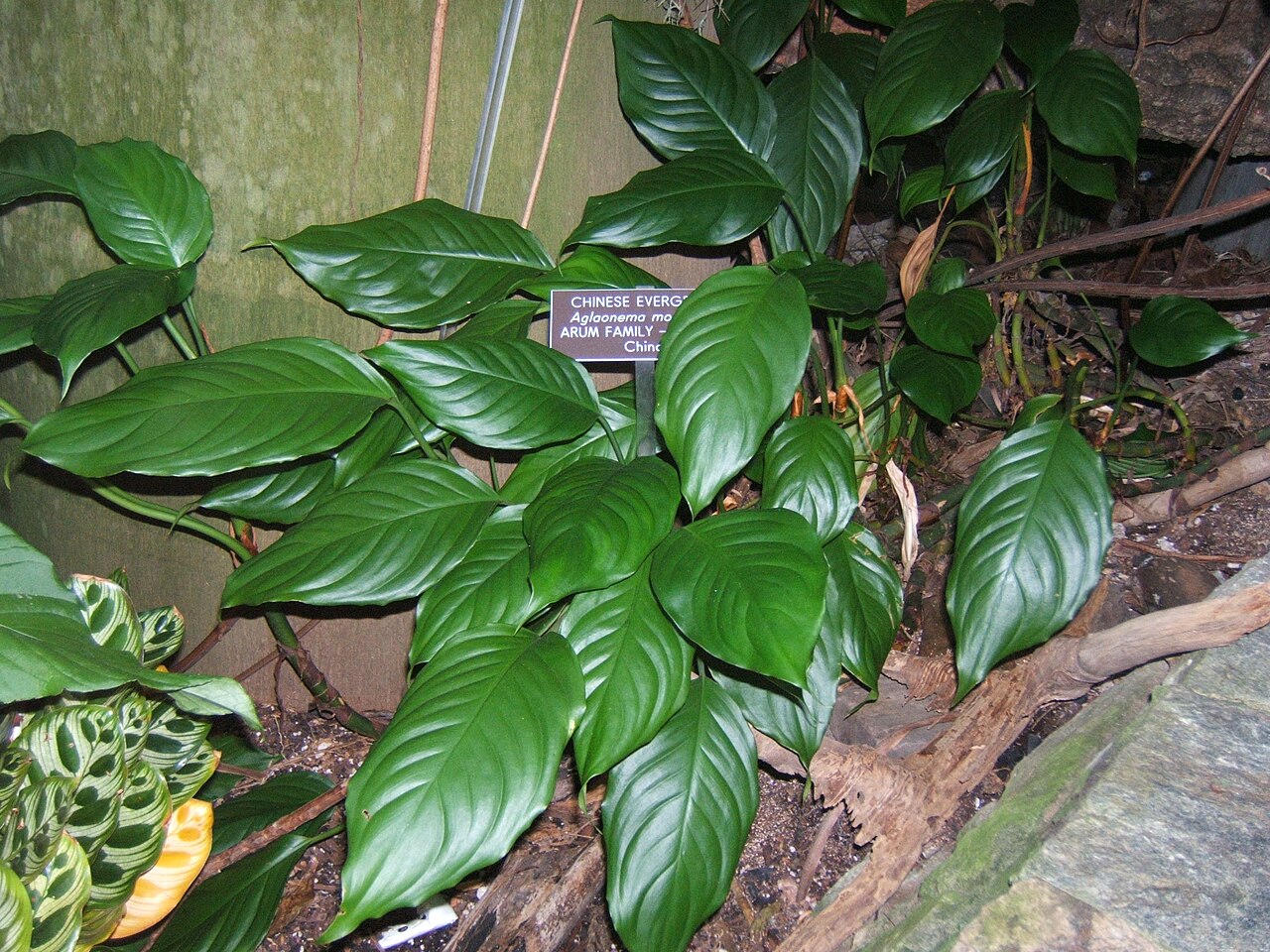
Chinese Evergreen is a popular indoor foliage plant known for its patterned leaves and tolerance of low light conditions. It contains insoluble calcium oxalate crystals that can cause irritation if ingested or chewed.
Potentially toxic for cats & dogs.
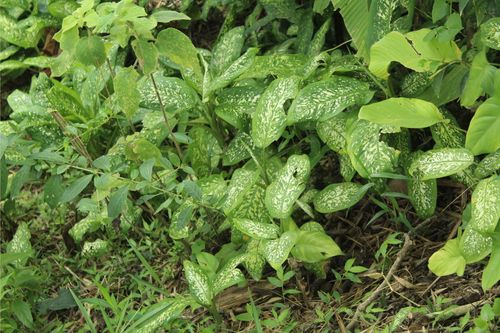
Dieffenbachia is a popular tropical houseplant known for its large, variegated leaves. It contains insoluble calcium oxalate crystals that can cause irritation if ingested or chewed.
Potentially toxic for cats & dogs.
Same growing conditions
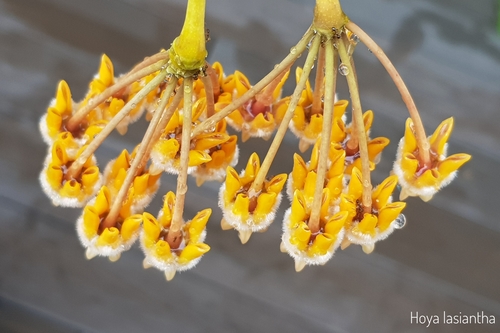
Hoya is a popular, low-maintenance trailing houseplant known for its waxy, succulent-like leaves and fragrant clusters of star-shaped flowers. It is considered safe for households with pets, though ingestion of large amounts of plant material may cause minor digestive discomfort.
Not yet rated for cats.
Not yet rated for dogs.
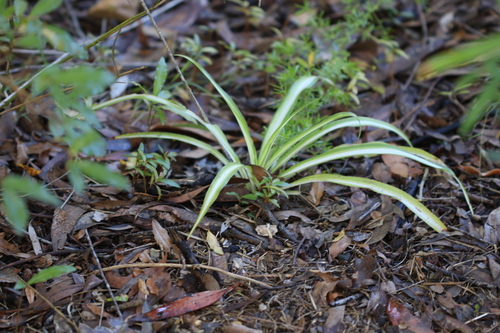
The spider plant is a popular, easy-to-care-for houseplant known for its arching, grass-like foliage and trailing plantlets. It is widely considered safe for households with pets, though large ingestions of fibrous material may occasionally cause mild digestive upset.
Generally safe for cats & dogs.
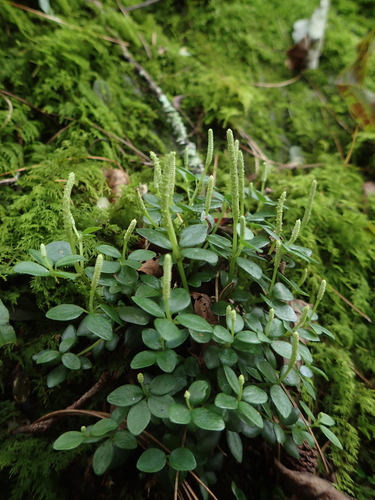
Peperomia is a diverse genus of popular, low-maintenance houseplants known for their thick, succulent-like foliage and compact growth habit. They are generally considered safe for households with pets, though individual plant parts can cause minor digestive discomfort if consumed in large quantities.
Generally safe for cats.
Not yet rated for dogs.
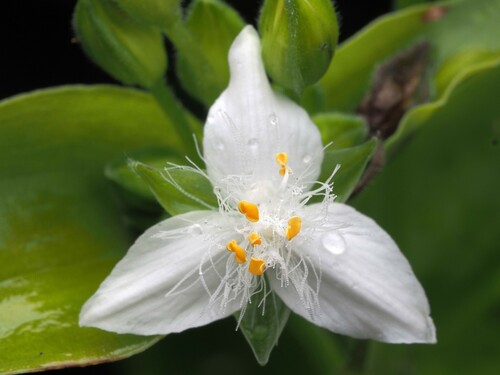
The Inch Plant is a fast-growing, trailing perennial often kept as a houseplant for its attractive, variegated foliage. It contains sap that can cause irritation upon contact or ingestion.
Potentially toxic for cats & dogs.