Cats
UncertainIdentity or evidence quality is not strong enough for a firm answer.
Verified against ASPCA/provenance audit 2026-05-06 on May 6, 2026.
Sources
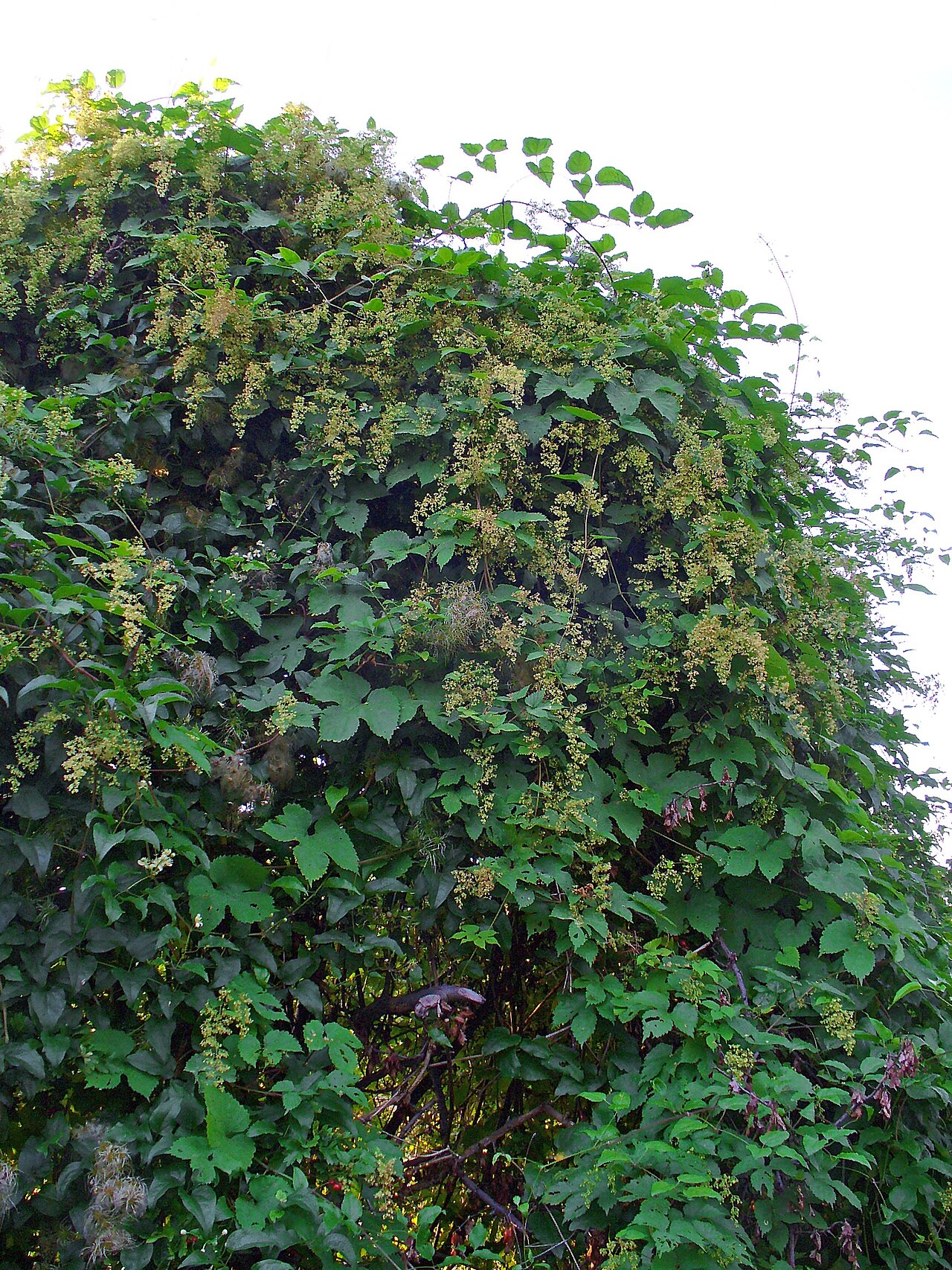
Humulus lupulus
Hops are fast-growing perennial vines primarily known for their use in brewing, featuring rough, lobed leaves and papery, cone-like flowers. While popular in gardens, they contain compounds that can cause severe health issues in certain pets.
Safety status
Cats
UncertainIdentity or evidence quality is not strong enough for a firm answer.
Verified against ASPCA/provenance audit 2026-05-06 on May 6, 2026.
Sources
Dogs
Potentially toxicConsulted references classify the plant as toxic or irritating for that pet type.
Verified against ASPCA/provenance audit 2026-05-06 on May 6, 2026.
Sources
If a pet has chewed or swallowed plant material and is showing symptoms, contact a veterinarian or poison resource immediately. This product is for structured reference, not diagnosis.
Cats — concern notes
Common signs
Data is limited for cats, but potential risks include gastrointestinal distress or neurological signs similar to other toxic plants.
Escalation note
Because specific feline toxicity data is sparse, it is recommended to keep this plant away from cats and contact a veterinarian if ingestion is suspected.
Dogs — concern notes
Common signs
Rapid onset of malignant hyperthermia, panting, increased heart rate, abdominal pain, and seizures.
Escalation note
Hops can cause life-threatening increases in body temperature (malignant hyperthermia) in dogs. This is a medical emergency; contact a veterinarian or emergency animal hospital immediately if ingestion occurs.
Safer alternatives
No hand-picked alternatives for this plant yet. You can still pick your own using the Compare button on any other plant.
ASPCA Toxic Plant List
toxicology · 99% reliability
Hops are listed as toxic to dogs, causing malignant hyperthermia.
NC State Extension Plant Toolbox
botanical · 94% reliability
Humulus lupulus is a vigorous, twining perennial vine often grown for its ornamental cones and brewing utility.
Call the ASPCA Animal Poison Control Center at (888) 426-4435 or your nearest emergency vet immediately — any suspected hops ingestion warrants emergency evaluation without waiting for symptoms to appear. Note how much your cat may have eaten and when, as this will help the vet assess severity and treatment options.
Hops (Humulus lupulus) are classified as uncertain in toxicity for cats, but the risk is treated as serious — specific feline data is sparse, and the plant should be kept away from cats entirely. If your cat has eaten any part of a hops vine, contact a veterinarian immediately rather than waiting to see if symptoms develop.
Watch for heavy panting, a racing heart rate, body temperature above 105°F, restlessness or anxiety, vomiting, and abnormal bleeding or bruising. Severe cases can progress to seizures; without treatment, death has been reported in affected animals within six hours of ingestion.
Clinical signs typically develop within one hour of ingestion but can be delayed up to several hours, so a cat that looks fine initially may still be at serious risk. Do not wait for symptoms before seeking help — the window for effective treatment can be very short.
Yes, hops (Humulus lupulus) are potentially toxic to dogs and can cause life-threatening malignant hyperthermia — a dangerous spike in body temperature. This is true of both fresh hops and spent hops from home brewing, making them a serious hazard in any household where beer is made at home.
Signs typically appear within 30–60 minutes of ingestion (though they can be delayed up to 12 hours) and include heavy panting, restlessness, a racing heart rate, vomiting, abdominal pain, and red or injected gums. Body temperature can climb above 105°F and in severe cases reach 108°F, with tremors and seizures appearing as the condition worsens.
Call your nearest emergency vet or ASPCA Animal Poison Control (888) 426-4435 immediately — do not wait for symptoms to appear. Hops poisoning is a medical emergency; once a dog becomes symptomatic, signs can persist 24–48 hours and prognosis is guarded if treatment is delayed.
No — spent hops from the brewing process are just as dangerous as fresh hops and should be treated as a medical emergency if ingested. Discard used hops where dogs cannot access them, and keep all hops (raw, dried, or spent) completely out of reach.
Same safety verdict
Same growing conditions