Cats & Dogs
Potentially toxicConsulted references classify the plant as toxic or irritating for that pet type.
Verified against ASPCA/provenance audit 2026-05-06 on May 6, 2026.
Sources
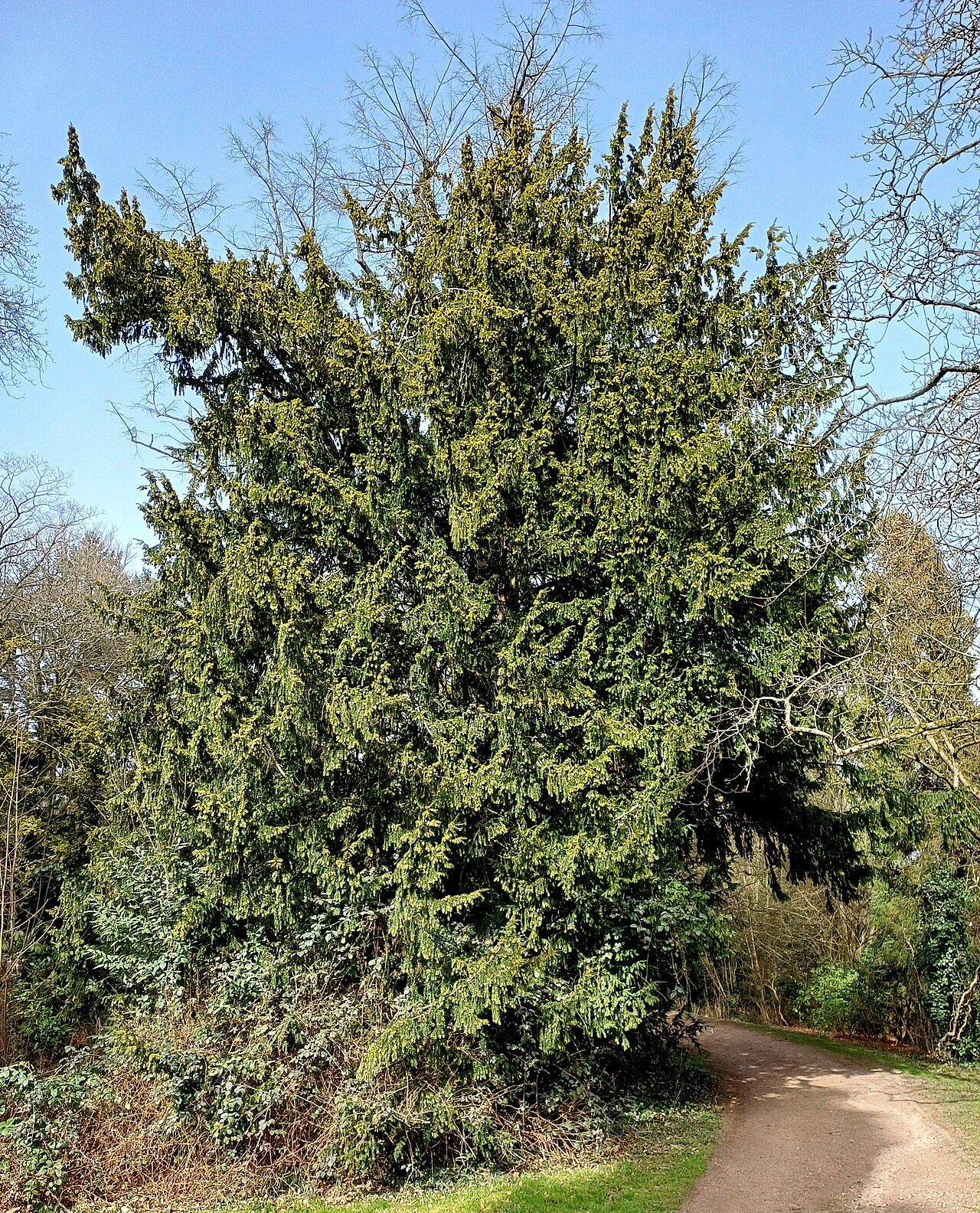
Taxus sp.
Japanese Yew is an evergreen shrub or tree containing taxine alkaloids that are highly poisonous to most animals. All parts of the plant, including the needles and seeds, are considered toxic if ingested.
Safety status
Cats & Dogs
Potentially toxicConsulted references classify the plant as toxic or irritating for that pet type.
Verified against ASPCA/provenance audit 2026-05-06 on May 6, 2026.
Sources
If a pet has chewed or swallowed plant material and is showing symptoms, contact a veterinarian or poison resource immediately. This product is for structured reference, not diagnosis.
Cats — concern notes
Common signs
Tremors, difficulty breathing, vomiting, diarrhea, and potential cardiac arrhythmias.
Escalation note
Ingestion is considered a medical emergency. Contact your veterinarian or an animal poison control center immediately if you suspect your cat has consumed any part of this plant.
Dogs — concern notes
Common signs
Drooling, vomiting, muscle tremors, seizures, and sudden collapse due to cardiac failure.
Escalation note
This plant is extremely dangerous to dogs. Immediate veterinary intervention is required as the toxins can cause rapid onset of severe systemic distress.
Safer alternatives
No hand-picked alternatives for this plant yet. You can still pick your own using the Compare button on any other plant.
ASPCA Toxic Plant List
toxicology · 99% reliability
The Japanese Yew contains taxine alkaloids which are toxic to both cats and dogs.
Kew Plants of the World Online
botanical · 95% reliability
Taxus is a genus of coniferous trees in the family Taxaceae.
Yes, Japanese Yew (Taxus sp.) is highly toxic to cats. All parts of the plant — needles, seeds, and bark — contain taxine alkaloids and are considered poisonous. Any suspected ingestion is a medical emergency.
Cats that ingest Japanese Yew may show tremors, difficulty breathing, vomiting, diarrhea, and cardiac arrhythmias. The most dangerous outcome is sudden collapse from acute heart failure, which can occur with little warning and minimal prior symptoms.
Call your veterinarian or ASPCA Animal Poison Control at (888) 426-4435 immediately — do not wait for symptoms to appear. Yew ingestion is treated as a medical emergency for cats regardless of the amount consumed.
Exact onset timing is not well documented, but sudden death from acute heart failure is possible, meaning deterioration can happen rapidly and with little warning. This is why any suspected exposure requires an immediate call to a vet rather than watchful waiting.
Yes, Japanese Yew (Taxus sp.) is extremely toxic to dogs. All parts of the plant — including the needles and seeds — contain taxine alkaloids that can cause rapid, severe systemic distress and even sudden death from acute heart failure.
Signs of yew poisoning in dogs include drooling, vomiting, muscle tremors, difficulty breathing, and seizures, which can progress to sudden collapse from acute heart failure. Severe deterioration can occur with little warning, so any symptom warrants immediate action.
Treat it as a medical emergency and call your veterinarian or the ASPCA Animal Poison Control Center at (888) 426-4435 immediately. Do not wait for symptoms to appear — sudden death from acute cardiac failure is possible, and immediate veterinary intervention is required.
Exact onset timing is not well documented, but toxicity can progress rapidly — acute heart failure and sudden death are possible with little warning. Because the window for effective treatment may be very short, any suspected ingestion should be treated as an emergency without delay.
Often compared with
Commonly confused with
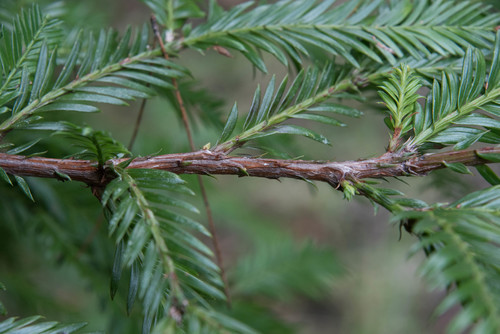
The Pacific Yew is an evergreen conifer containing taxine alkaloids that are highly poisonous to most animals. Ingestion of any part of the plant, especially the needles and seeds, can lead to severe systemic distress.
Potentially toxic for cats & dogs.

English Yew is a highly toxic evergreen conifer containing taxine alkaloids that affect the cardiovascular and nervous systems. Ingestion of any part of the plant, especially the needles and seeds, is considered a medical emergency.
Potentially toxic for cats & dogs.
Same safety verdict
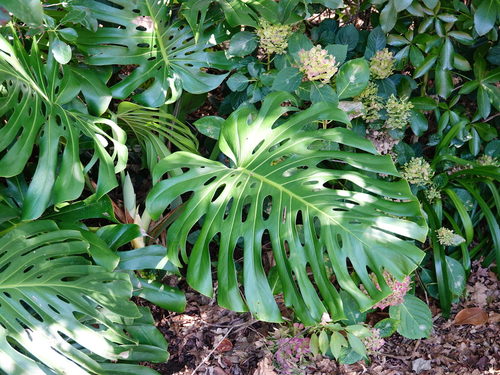
Monstera deliciosa is a popular tropical houseplant known for its large, fenestrated leaves and vining growth habit. It contains insoluble calcium oxalate crystals that can cause irritation if ingested by pets.
Potentially toxic for cats & dogs.
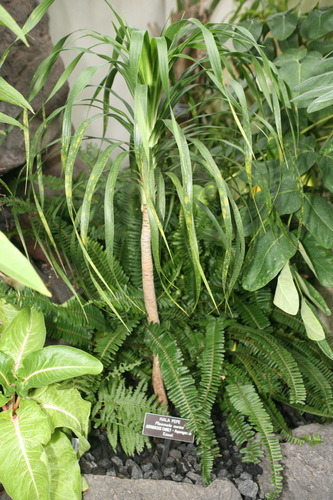
Dracaena trifasciata is a popular, hardy houseplant known for its stiff, sword-like leaves with striking yellow margins. It is widely appreciated for its air-purifying qualities and ability to thrive in various indoor conditions.
Potentially toxic for cats & dogs.
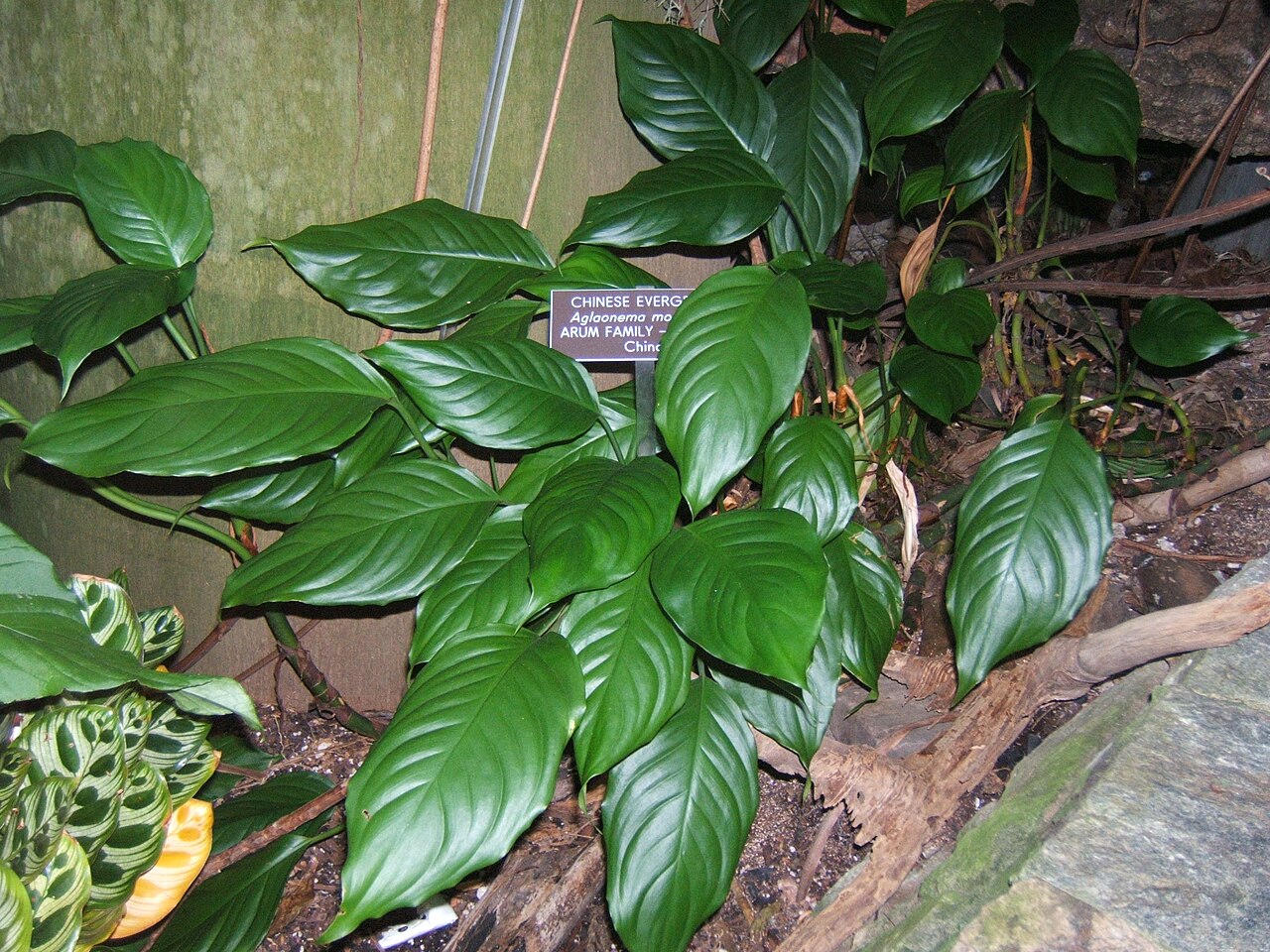
Chinese Evergreen is a popular indoor foliage plant known for its patterned leaves and tolerance of low light conditions. It contains insoluble calcium oxalate crystals that can cause irritation if ingested or chewed.
Potentially toxic for cats & dogs.
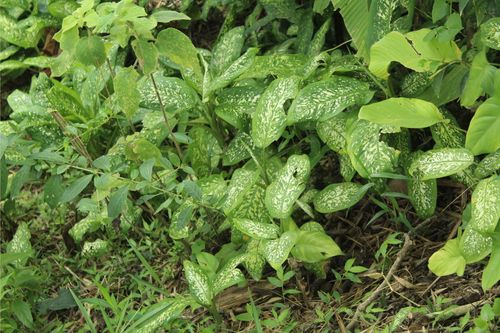
Dieffenbachia is a popular tropical houseplant known for its large, variegated leaves. It contains insoluble calcium oxalate crystals that can cause irritation if ingested or chewed.
Potentially toxic for cats & dogs.
Same growing conditions
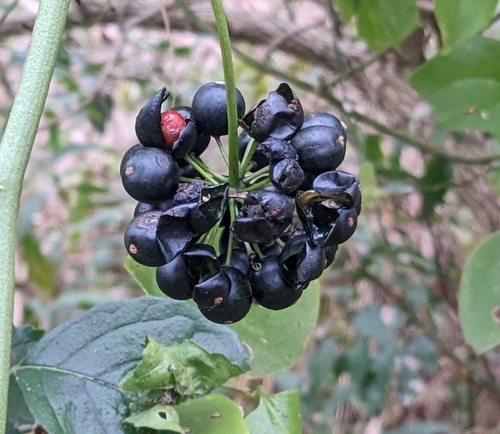
Bristly Greenbrier is a woody, climbing vine native to North America, often found in thickets and woodlands. It is considered non-toxic to pets, though its fibrous nature may cause minor digestive discomfort if consumed in large quantities.
Generally safe for cats & dogs.
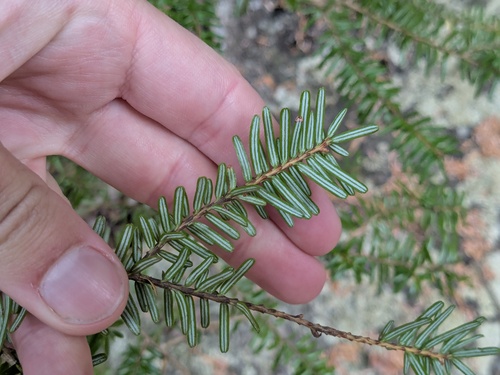
Hemlock trees are coniferous evergreens often used in landscaping. While they are not considered toxic, ingestion of large amounts of plant material may cause minor digestive discomfort due to the fibrous nature of the needles.
Generally safe for cats.
Not yet rated for dogs.
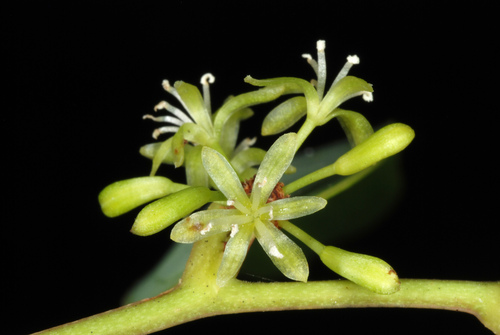
Jackson Brier is a woody, climbing vine known for its lance-shaped leaves and resilience. It is considered non-toxic to household pets, though its fibrous nature may cause mild digestive discomfort if consumed in large quantities.
Generally safe for cats & dogs.
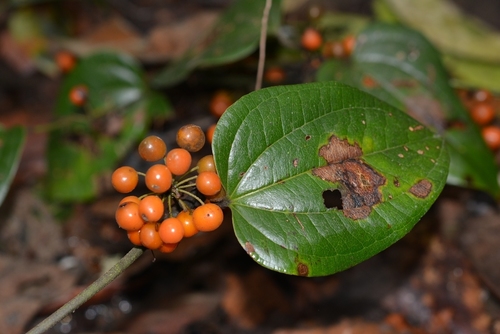
Red Berried Greenbrier is a woody, climbing vine native to the southeastern United States, often recognized by its clusters of bright red berries and thorny stems. It is considered non-toxic to pets, though its fibrous nature may cause minor digestive discomfort if consumed in large quantities.
Generally safe for cats & dogs.