Cats & Dogs
Potentially toxicConsulted references classify the plant as toxic or irritating for that pet type.
Verified against ASPCA/provenance audit 2026-05-06 on May 6, 2026.
Sources
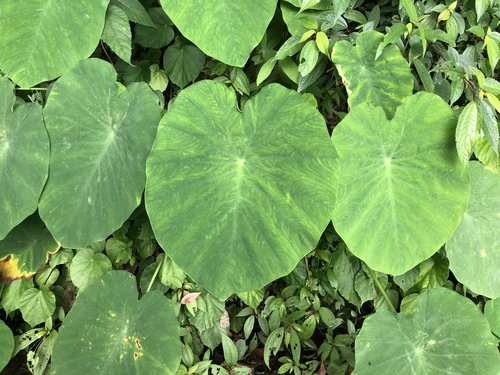
Colocasia esculenta
Colocasia esculenta is a tropical perennial known for its large, heart-shaped leaves that resemble elephant ears. It contains insoluble calcium oxalate crystals that cause irritation upon contact with tissues.
Safety status
Cats & Dogs
Potentially toxicConsulted references classify the plant as toxic or irritating for that pet type.
Verified against ASPCA/provenance audit 2026-05-06 on May 6, 2026.
Sources
If a pet has chewed or swallowed plant material and is showing symptoms, contact a veterinarian or poison resource immediately. This product is for structured reference, not diagnosis.
Cats — concern notes
Common signs
Oral irritation, intense burning and irritation of the mouth, tongue and lips, excessive drooling, vomiting, and difficulty swallowing.
Escalation note
The presence of insoluble calcium oxalate crystals causes immediate mechanical irritation. If your cat has ingested this plant, please contact your veterinarian or a pet poison control center immediately.
Dogs — concern notes
Common signs
Oral irritation, excessive drooling, vomiting, difficulty swallowing, and pawing at the mouth.
Escalation note
Ingestion leads to immediate irritation of the oral cavity due to calcium oxalate crystals. Always consult with a veterinarian if you suspect your dog has consumed any part of this plant.
Safer alternatives
Some links earn us a small commission. They never affect our safety classifications.
ASPCA Toxic Plant List
toxicology · 99% reliability
Elephant Ear is toxic to both cats and dogs due to the presence of insoluble calcium oxalate crystals.
NC State Extension Plant Toolbox
botanical · 94% reliability
Colocasia esculenta is a tuberous, frost-tender perennial that is widely grown for its large, tropical-looking foliage.
Yes, elephant ears (Colocasia esculenta) are toxic to cats. The plant contains insoluble calcium oxalate crystals that cause immediate mechanical irritation to the mouth, tongue, and lips upon contact.
Symptoms typically appear within minutes of chewing and include intense oral burning, excessive drooling, foamy mouth, pawing at the face, vomiting, and difficulty swallowing. Rare but serious cases can involve swelling of the tongue or airway. Most cats recover within 12–24 hours, but airway swelling can develop in the first few hours even after a cat seems to improve.
Remove any plant material from your cat's mouth. A small amount of xylitol-free milk, yogurt, or vanilla ice cream can help soothe oral irritation. Do not induce vomiting at home. Call ASPCA Poison Control at (888) 426-4435 or your veterinarian right away.
The toxicity comes from insoluble calcium oxalate crystals found throughout the plant. When a cat chews the leaves or stems, these microscopic crystals physically puncture and embed in the soft tissues of the mouth and throat, causing immediate intense irritation — this is a mechanical injury, not a chemical one.
Yes, elephant ears (Colocasia esculenta) are toxic to dogs. The plant contains insoluble calcium oxalate crystals that cause immediate irritation to the mouth, throat, and digestive tract upon contact.
Dogs typically experience oral irritation within minutes — heavy drooling, lip-smacking, head-shaking, and pawing at the face. Vomiting is also common, especially after a larger bite. Reduced appetite can persist 24–48 hours, and in rare cases swelling of the lips, tongue, or throat may occur.
Remove any plant fragments from your dog's mouth, then offer a small amount of xylitol-free milk, plain yogurt, or vanilla ice cream to soothe the burning (ASPCA guidance for insoluble-oxalate plants). Do not induce vomiting on your own. Call ASPCA Poison Control at (888) 426-4435 or your veterinarian right away.
All parts of Colocasia esculenta contain insoluble calcium oxalate crystals, so the leaves, stems, and roots are all capable of causing irritation. The large leaves are the most likely point of contact given how prominently they grow, but no part of the plant is safe to chew or swallow.
Often compared with
Same safety verdict
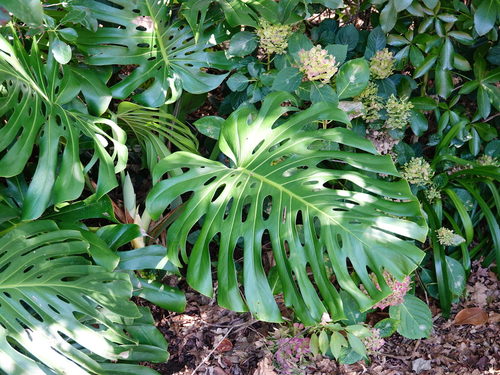
Monstera deliciosa is a popular tropical houseplant known for its large, fenestrated leaves and vining growth habit. It contains insoluble calcium oxalate crystals that can cause irritation if ingested by pets.
Potentially toxic for cats & dogs.
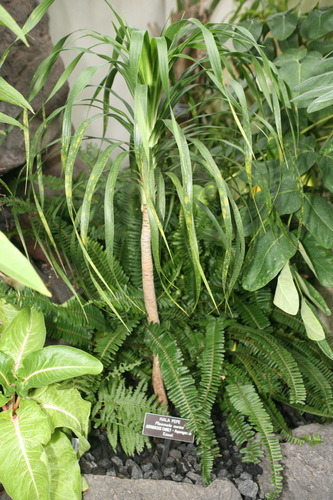
Dracaena trifasciata is a popular, hardy houseplant known for its stiff, sword-like leaves with striking yellow margins. It is widely appreciated for its air-purifying qualities and ability to thrive in various indoor conditions.
Potentially toxic for cats & dogs.
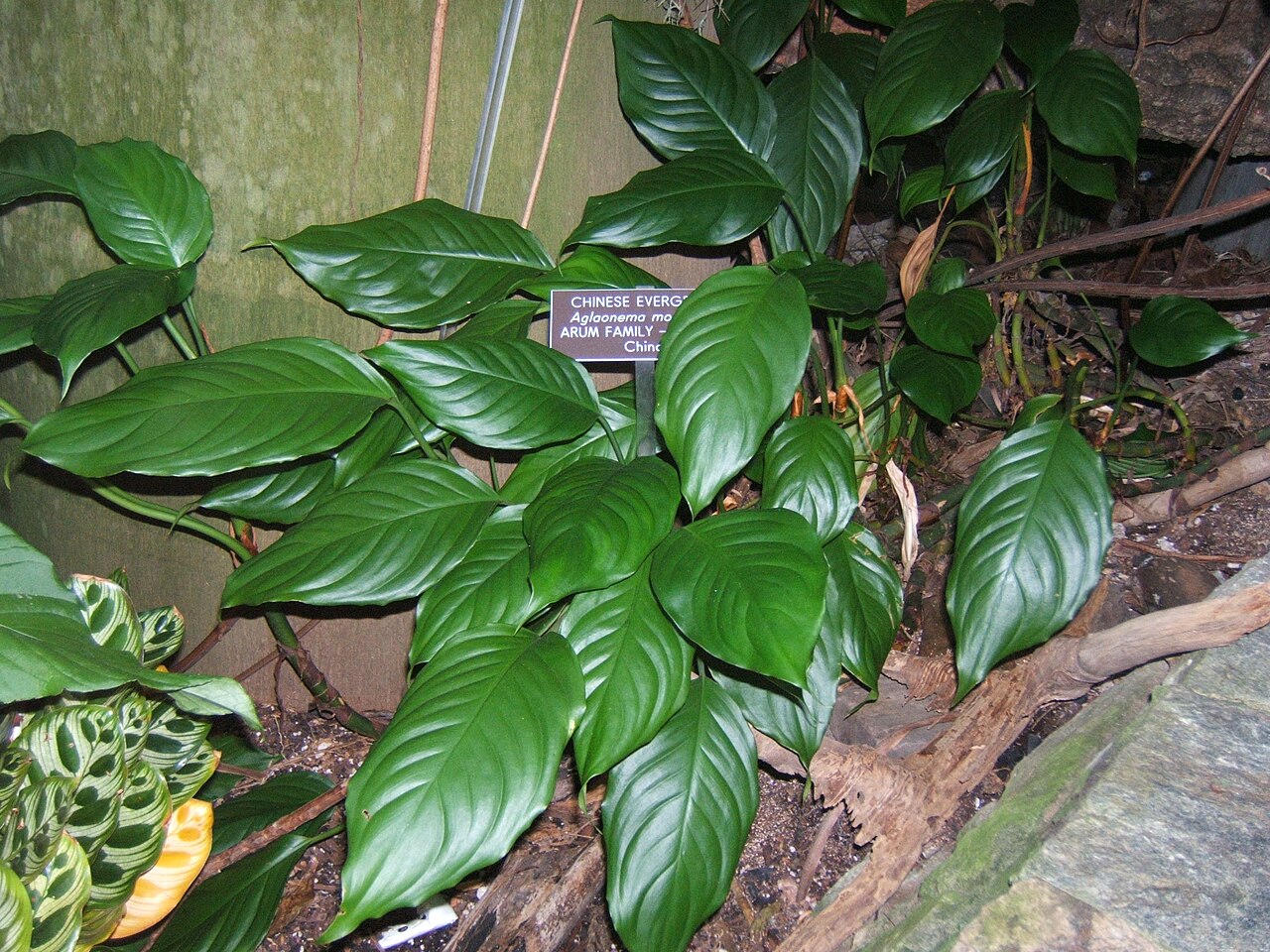
Chinese Evergreen is a popular indoor foliage plant known for its patterned leaves and tolerance of low light conditions. It contains insoluble calcium oxalate crystals that can cause irritation if ingested or chewed.
Potentially toxic for cats & dogs.
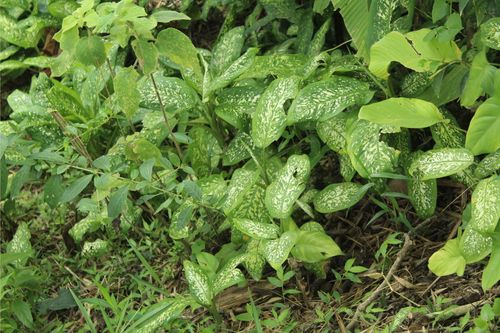
Dieffenbachia is a popular tropical houseplant known for its large, variegated leaves. It contains insoluble calcium oxalate crystals that can cause irritation if ingested or chewed.
Potentially toxic for cats & dogs.