Cats & Dogs
Potentially toxicConsulted references classify the plant as toxic or irritating for that pet type.
Verified against ASPCA/provenance audit 2026-05-06 on May 6, 2026.
Sources
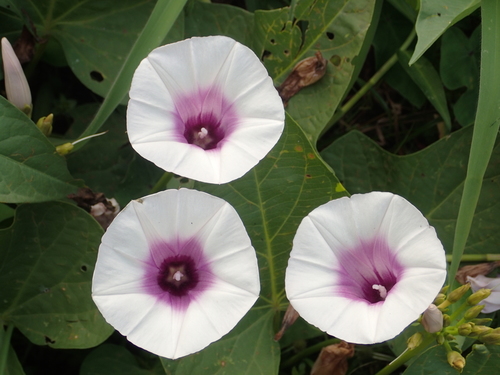
Ipomoea batatas
Sweet Potato Vine is a popular ornamental foliage plant known for its vibrant, trailing leaves. While generally considered safe for pets, it is best to prevent them from grazing on the foliage to avoid minor digestive discomfort.
Safety status
Cats & Dogs
Potentially toxicConsulted references classify the plant as toxic or irritating for that pet type.
Verified against ASPCA/provenance audit 2026-05-06 on May 6, 2026.
Sources
If a pet has chewed or swallowed plant material and is showing symptoms, contact a veterinarian or poison resource immediately. This product is for structured reference, not diagnosis.
Cats — concern notes
Common signs
Under review — original classification flagged as a likely labeler error pending curator verification.
Escalation note
Under review — original classification flagged as a likely labeler error pending curator verification.
Dogs — concern notes
Common signs
Under review — original classification flagged as a likely labeler error pending curator verification.
Escalation note
Under review — original classification flagged as a likely labeler error pending curator verification.
Safer alternatives
No hand-picked alternatives for this plant yet. You can still pick your own using the Compare button on any other plant.
ASPCA Toxic Plant List
toxicology · 99% reliability
Sweet Potato Vine is listed as non-toxic to cats and dogs.
NC State Extension Plant Toolbox
botanical · 94% reliability
Ipomoea batatas is a tender perennial often grown as an annual for its ornamental foliage.
Sweet potato vine (Ipomoea batatas) is currently listed as potentially toxic to cats in our database, but that classification carries low confidence (0.4) and has been flagged as a likely labeler error pending curator verification as of May 2026. Until the review is complete, treat the plant's safety status as uncertain and keep cats away from it.
Specific symptom data for cats and sweet potato vine is under review — the original classification has been flagged as a suspected labeling error and the symptom record has not yet been verified. If your cat has eaten sweet potato vine, watch for general signs of GI upset such as vomiting or lethargy, which can follow ingestion of many ornamental plants regardless of known toxicity.
Remove your cat from the plant and note roughly how much was eaten. Because this plant's toxicity classification is currently unverified and under curator review, call your vet or the ASPCA Animal Poison Control Center at (888) 426-4435 if you observe any vomiting, drooling, lethargy, or other unusual behavior — they can advise based on your cat's size and the amount ingested.
Yes — ornamental sweet potato vine is Ipomoea batatas, the same species as the edible sweet potato, selectively bred for colorful foliage rather than its tuber. Despite the culinary familiarity of the species, our toxicity classification for cats is currently flagged for review due to a suspected data error, so the safe assumption is to prevent cats from grazing on the foliage until the classification is confirmed.
Sweet potato vine (Ipomoea batatas) is currently classified as potentially toxic to dogs, but that classification carries low confidence (0.4) and has been flagged as a likely labeler error that is under active curator review as of May 2026. Until the review is resolved, the safest approach is to prevent your dog from eating the foliage.
Specific symptom data for sweet potato vine ingestion in dogs is not currently documented — the underlying toxicity classification is under review and may reflect a mislabeling rather than a genuine hazard. If your dog has eaten the plant, watch for vomiting, diarrhea, or lethargy and contact your veterinarian if any signs appear.
Remove your dog from the plant, note roughly how much was eaten, and monitor for GI upset such as vomiting or lethargy. Because the toxicity status is unresolved and not fully established, call the ASPCA Animal Poison Control Center at (888) 426-4435 or your vet for guidance, particularly if a large amount was consumed.
Yes — ornamental sweet potato vine and the edible sweet potato are the same species (Ipomoea batatas), bred for decorative trailing foliage rather than root production. This botanical overlap is one reason the dog-toxicity classification is currently under curator review; the final safety determination is pending verification.
Same genus
Same safety verdict
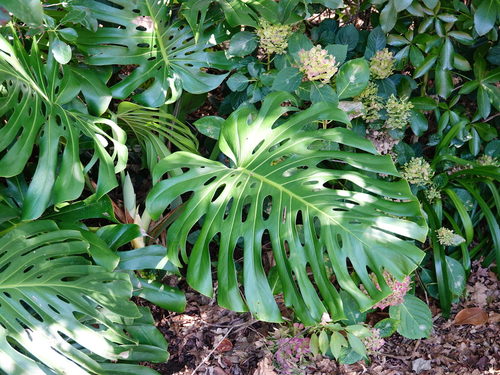
Monstera deliciosa is a popular tropical houseplant known for its large, fenestrated leaves and vining growth habit. It contains insoluble calcium oxalate crystals that can cause irritation if ingested by pets.
Potentially toxic for cats & dogs.
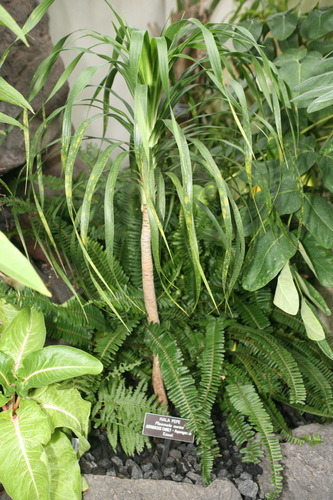
Dracaena trifasciata is a popular, hardy houseplant known for its stiff, sword-like leaves with striking yellow margins. It is widely appreciated for its air-purifying qualities and ability to thrive in various indoor conditions.
Potentially toxic for cats & dogs.
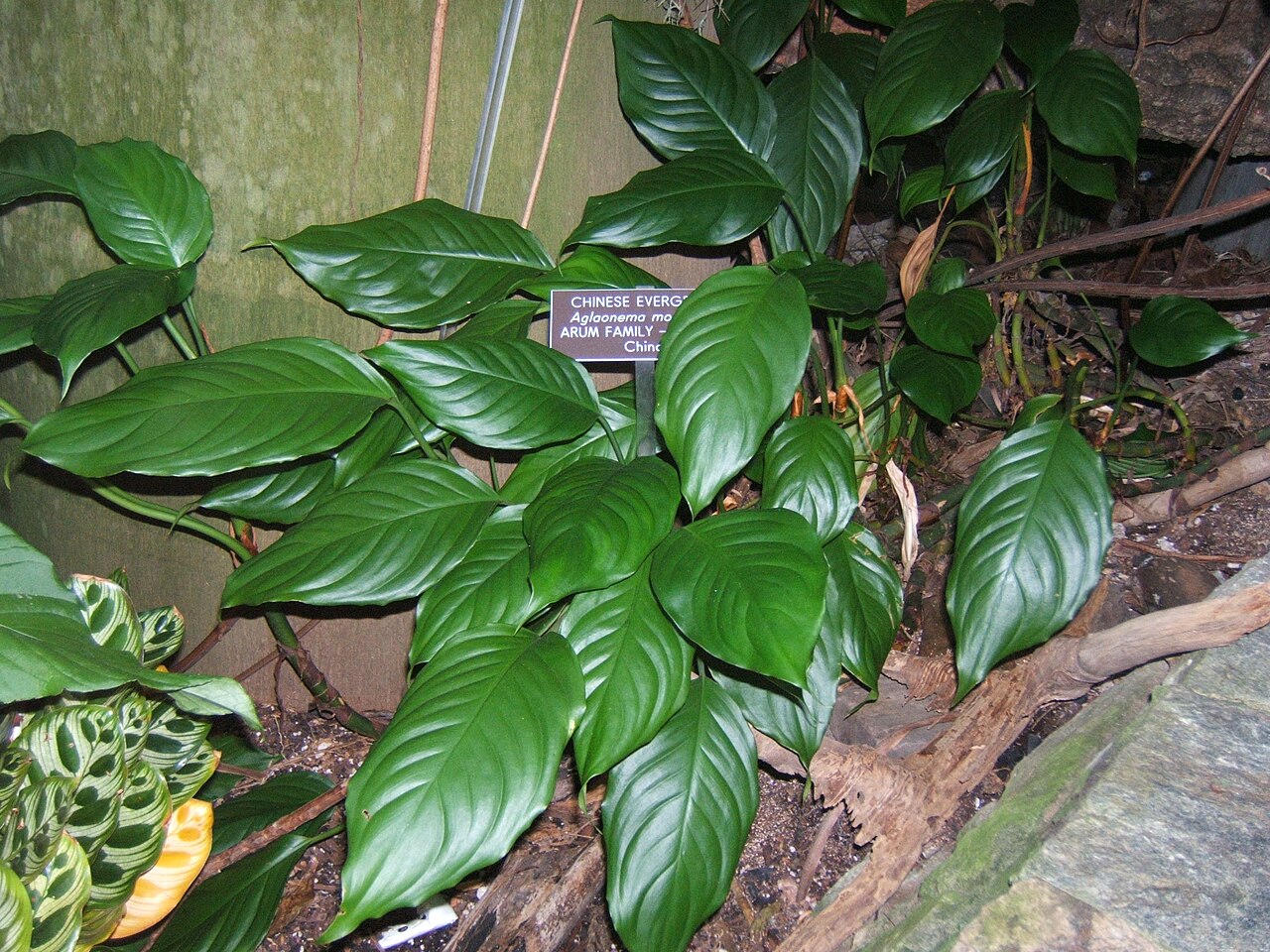
Chinese Evergreen is a popular indoor foliage plant known for its patterned leaves and tolerance of low light conditions. It contains insoluble calcium oxalate crystals that can cause irritation if ingested or chewed.
Potentially toxic for cats & dogs.
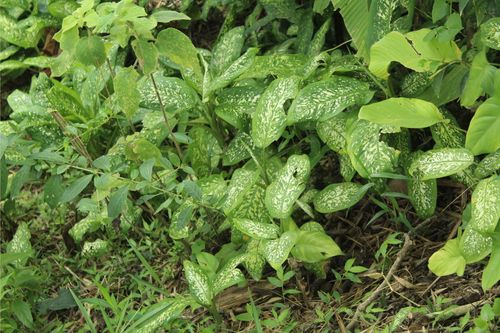
Dieffenbachia is a popular tropical houseplant known for its large, variegated leaves. It contains insoluble calcium oxalate crystals that can cause irritation if ingested or chewed.
Potentially toxic for cats & dogs.
Same growing conditions
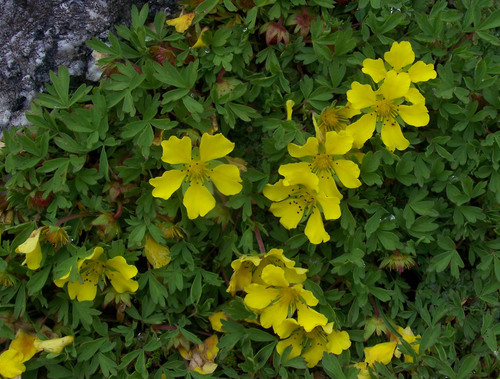
Cinquefoil is a diverse genus of flowering plants in the rose family, commonly found in gardens and wild meadows. While generally considered safe for pets, it is not intended for consumption.
Generally safe for cats & dogs.
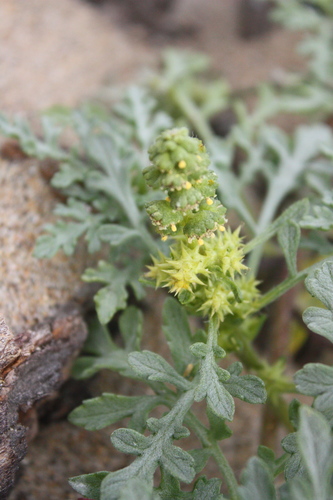
Feather Geranium is an herbaceous plant known for its aromatic, fern-like foliage. It is considered toxic to pets if ingested and should be kept out of reach of cats and dogs.
Potentially toxic for cats & dogs.
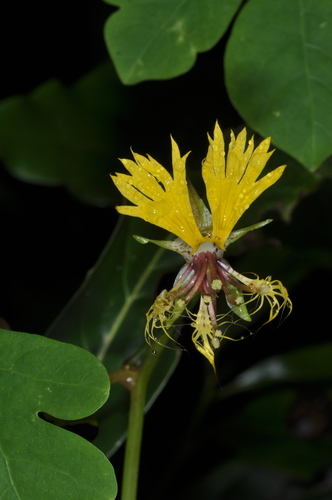
Nasturtium is a popular, fast-growing annual known for its edible, peppery-flavored flowers and rounded leaves. It is widely considered safe for household pets, though large ingestions of fibrous plant material may occasionally cause mild digestive upset.
Generally safe for cats & dogs.
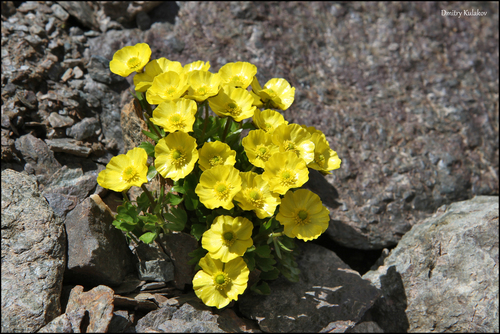
Buttercups are flowering plants known for their bright, cup-shaped blooms, but they contain compounds that can cause irritation if ingested. They are generally considered toxic to household pets due to the presence of protoanemonin.
Potentially toxic for cats & dogs.