Cats & Dogs
Potentially toxicConsulted references classify the plant as toxic or irritating for that pet type.
Verified against ASPCA/provenance audit 2026-05-06 on May 6, 2026.
Sources
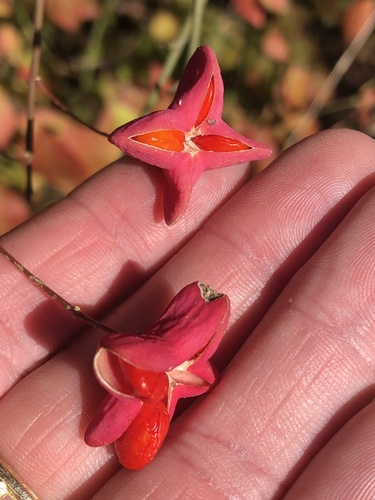
Euonymus atropurpurea
Euonymus atropurpurea is a deciduous shrub known for its vibrant fall foliage and deep red berries. It contains cardiac glycosides which can be harmful if ingested by pets.
Safety status
Cats & Dogs
Potentially toxicConsulted references classify the plant as toxic or irritating for that pet type.
Verified against ASPCA/provenance audit 2026-05-06 on May 6, 2026.
Sources
If a pet has chewed or swallowed plant material and is showing symptoms, contact a veterinarian or poison resource immediately. This product is for structured reference, not diagnosis.
Cats — concern notes
Common signs
Vomiting, diarrhea, abdominal pain, and potential cardiac arrhythmias.
Escalation note
Ingestion can lead to significant gastrointestinal distress and systemic effects. Please contact your veterinarian or an animal poison control center immediately if ingestion is suspected.
Dogs — concern notes
Common signs
Vomiting, diarrhea, lethargy, and potential cardiac irregularities.
Escalation note
The plant contains compounds that may affect heart function and digestion. Seek veterinary care promptly if your dog has consumed any part of this plant.
Safer alternatives
No hand-picked alternatives for this plant yet. You can still pick your own using the Compare button on any other plant.
ASPCA Toxic Plant List
toxicology · 99% reliability
Burning Bush (Euonymus atropurpurea) is listed as toxic to both cats and dogs.
NC State Extension Plant Toolbox
botanical · 94% reliability
Euonymus atropurpurea is a native shrub that produces showy red fruit, but all parts of the plant are considered toxic if ingested.
Yes, Eastern Wahoo (Euonymus atropurpurea) is toxic to cats. It contains cardiac glycosides that can cause gastrointestinal distress and, with larger ingestions, heart rhythm abnormalities.
Expect vomiting, diarrhea, and abdominal pain as the most common signs, typically appearing within hours of ingestion. Larger ingestions can also cause weakness and cardiac arrhythmias.
Call ASPCA Animal Poison Control at (888) 426-4435 or your veterinarian immediately — do not wait for symptoms to appear. If your cat is already weak, collapsing, or has an irregular pulse, go to an emergency vet right away.
The plant contains cardiac glycosides throughout, including in its deep red berries, which are visually attractive and a likely ingestion risk. Exact dose thresholds are not well documented, so any suspected ingestion warrants a call to your vet.
Yes, Eastern Wahoo (Euonymus atropurpurea) is potentially toxic to dogs. The plant contains cardiac glycosides — compounds that can disrupt both heart function and digestion if ingested.
Gastrointestinal signs — vomiting, diarrhea, and abdominal pain — are the most common and typically appear within hours of ingestion. Larger amounts can also cause lethargy, weakness, and heart rhythm abnormalities.
Call your vet or the ASPCA Animal Poison Control Center at (888) 426-4435 right away. Go to an emergency vet immediately if your dog becomes weak, collapses, or shows signs of an irregular pulse — these can indicate cardiac involvement.
The plant's cardiac glycosides are present throughout, and the deep red berries are a particular concern because dogs may be attracted to them. Exact dose thresholds are not well documented, so any ingestion — berries, leaves, or bark — warrants a call to poison control.
Often compared with
Same safety verdict
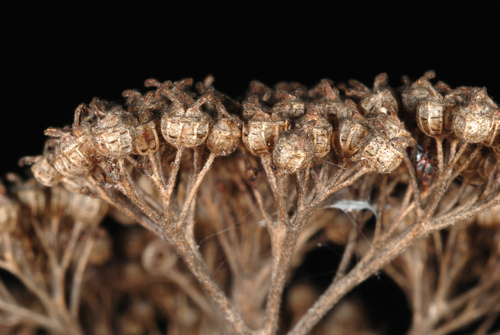
Hydrangea arborescens is a deciduous shrub known for its large, rounded clusters of white flowers. It contains cyanogenic glycosides which can cause gastrointestinal distress if ingested by pets.
Potentially toxic for cats & dogs.
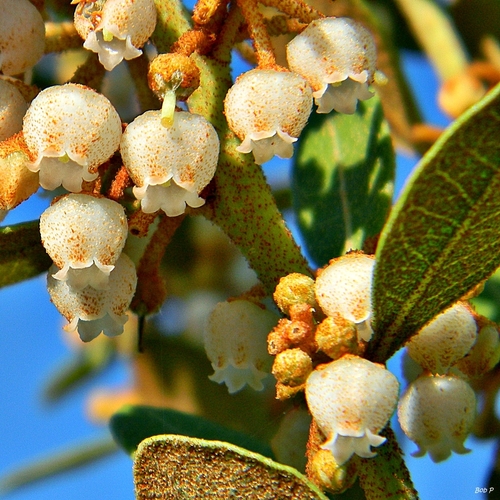
Maleberry is a deciduous shrub in the heath family known for its clusters of small, bell-shaped flowers. It contains grayanotoxins, which can cause significant illness if ingested by pets.
Potentially toxic for cats & dogs.
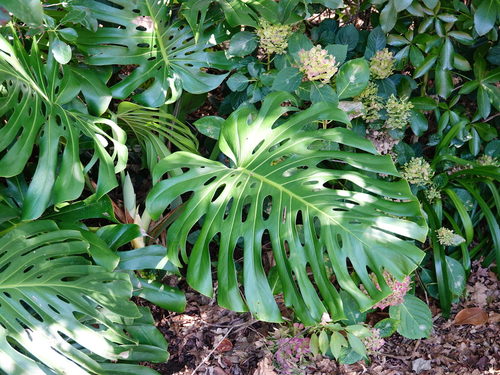
Monstera deliciosa is a popular tropical houseplant known for its large, fenestrated leaves and vining growth habit. It contains insoluble calcium oxalate crystals that can cause irritation if ingested by pets.
Potentially toxic for cats & dogs.
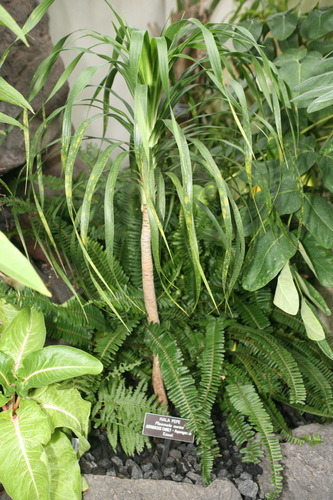
Dracaena trifasciata is a popular, hardy houseplant known for its stiff, sword-like leaves with striking yellow margins. It is widely appreciated for its air-purifying qualities and ability to thrive in various indoor conditions.
Potentially toxic for cats & dogs.