Cats & Dogs
Potentially toxicConsulted references classify the plant as toxic or irritating for that pet type.
Verified against ASPCA/provenance audit 2026-05-06 on May 6, 2026.
Sources
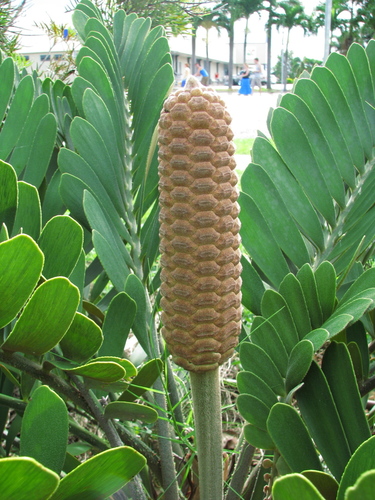
Zamia pumila
Zamia pumila is a cycad native to the southeastern United States, often grown as an ornamental landscape or container plant. It contains toxic compounds that can cause severe health complications if ingested by pets.
Safety status
Cats & Dogs
Potentially toxicConsulted references classify the plant as toxic or irritating for that pet type.
Verified against ASPCA/provenance audit 2026-05-06 on May 6, 2026.
Sources
If a pet has chewed or swallowed plant material and is showing symptoms, contact a veterinarian or poison resource immediately. This product is for structured reference, not diagnosis.
Cats — concern notes
Common signs
Vomiting, diarrhea, lethargy, jaundice, and potential liver failure.
Escalation note
This plant is highly toxic. Ingestion of any part, especially seeds, is a medical emergency. Contact your veterinarian immediately if ingestion is suspected.
Dogs — concern notes
Common signs
Vomiting, bloody stools, jaundice, increased thirst, bruising, and liver damage.
Escalation note
The entire plant is considered poisonous to dogs. Immediate veterinary intervention is required as symptoms can progress rapidly to liver failure.
Safer alternatives
No hand-picked alternatives for this plant yet. You can still pick your own using the Compare button on any other plant.
ASPCA Toxic Plant List
toxicology · 99% reliability
Coontie is listed as toxic to both cats and dogs, containing cycasin which causes severe liver damage.
NC State Extension Plant Toolbox
botanical · 94% reliability
Zamia pumila is a cycad that is highly toxic to humans and animals if ingested.
Yes, Coontie Palm (Zamia pumila) is highly toxic to cats. All parts of the plant contain toxic compounds, and ingestion of any amount — especially the seeds — is a medical emergency.
Symptoms include vomiting (sometimes bloody), drooling, diarrhea, lethargy, dark or bloody stools, increased thirst, and jaundice (yellowing of the gums or skin). GI signs can appear within 15 minutes to 4 hours of ingestion, while liver damage may develop over the following 2–3 days.
Call your vet or the ASPCA Animal Poison Control Center at (888) 426-4435 immediately — do not wait for symptoms to appear. The seeds are the most concentrated source of toxin, and even 1–2 seeds can be fatal; early treatment is critical to preventing liver failure.
Any amount should be treated as dangerous. The seeds are the most toxic part, and ASPCA notes that 1–2 seeds can be fatal to a cat. Because liver damage can progress silently over hours to days after ingestion, there is no safe threshold — contact a vet immediately on any suspicion of exposure.
Yes, Coontie Palm (Zamia pumila) is highly toxic to dogs — the entire plant is considered poisonous. Ingestion can cause vomiting, bloody stools, jaundice, bruising, and severe liver damage. Even a small amount warrants immediate veterinary attention.
Symptoms typically begin within 15 minutes to 4 hours of ingestion and include vomiting (often bloody), bloody or dark stools, drooling, severe lethargy, increased thirst, and jaundice (yellow gums or skin). As liver failure progresses over the following 2–3 days, bruising and tremors or weakness may also appear.
Go to an emergency vet immediately — do not wait for symptoms. Call ASPCA Animal Poison Control at (888) 426-4435 or Pet Poison Helpline at (855) 764-7661 en route to the clinic. Any chewed leaf or swallowed seed is a true emergency, and survival drops sharply when treatment is delayed.
GI signs such as vomiting and bloody stools can begin as soon as 15 minutes after ingestion. Liver failure can develop over the next 2–3 days, making rapid veterinary intervention critical — the prognosis worsens significantly the longer treatment is delayed.
Often compared with
Commonly confused with
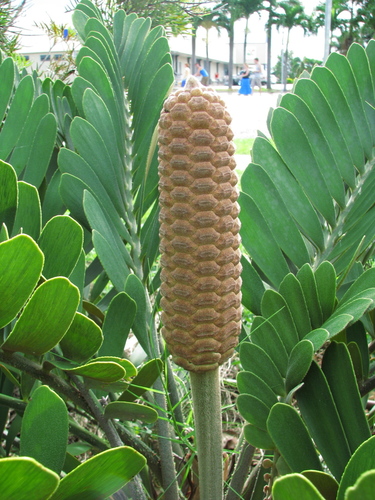
The Cardboard Palm is a cycad known for its stiff, leathery foliage and slow growth habit. It is highly toxic to pets if ingested, as all parts of the plant contain potent cycasin toxins.
Potentially toxic for cats & dogs.
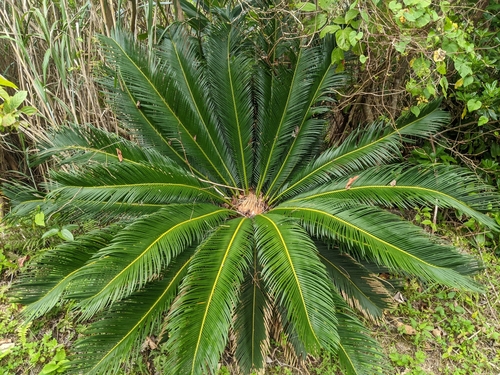
The Sago Palm is a popular ornamental cycad that is highly toxic to pets if ingested. All parts of the plant, especially the seeds, contain cycasin, which can cause severe health complications.
Potentially toxic for cats & dogs.
Same safety verdict

Monstera deliciosa is a popular tropical houseplant known for its large, fenestrated leaves and vining growth habit. It contains insoluble calcium oxalate crystals that can cause irritation if ingested by pets.
Potentially toxic for cats & dogs.

Dracaena trifasciata is a popular, hardy houseplant known for its stiff, sword-like leaves with striking yellow margins. It is widely appreciated for its air-purifying qualities and ability to thrive in various indoor conditions.
Potentially toxic for cats & dogs.
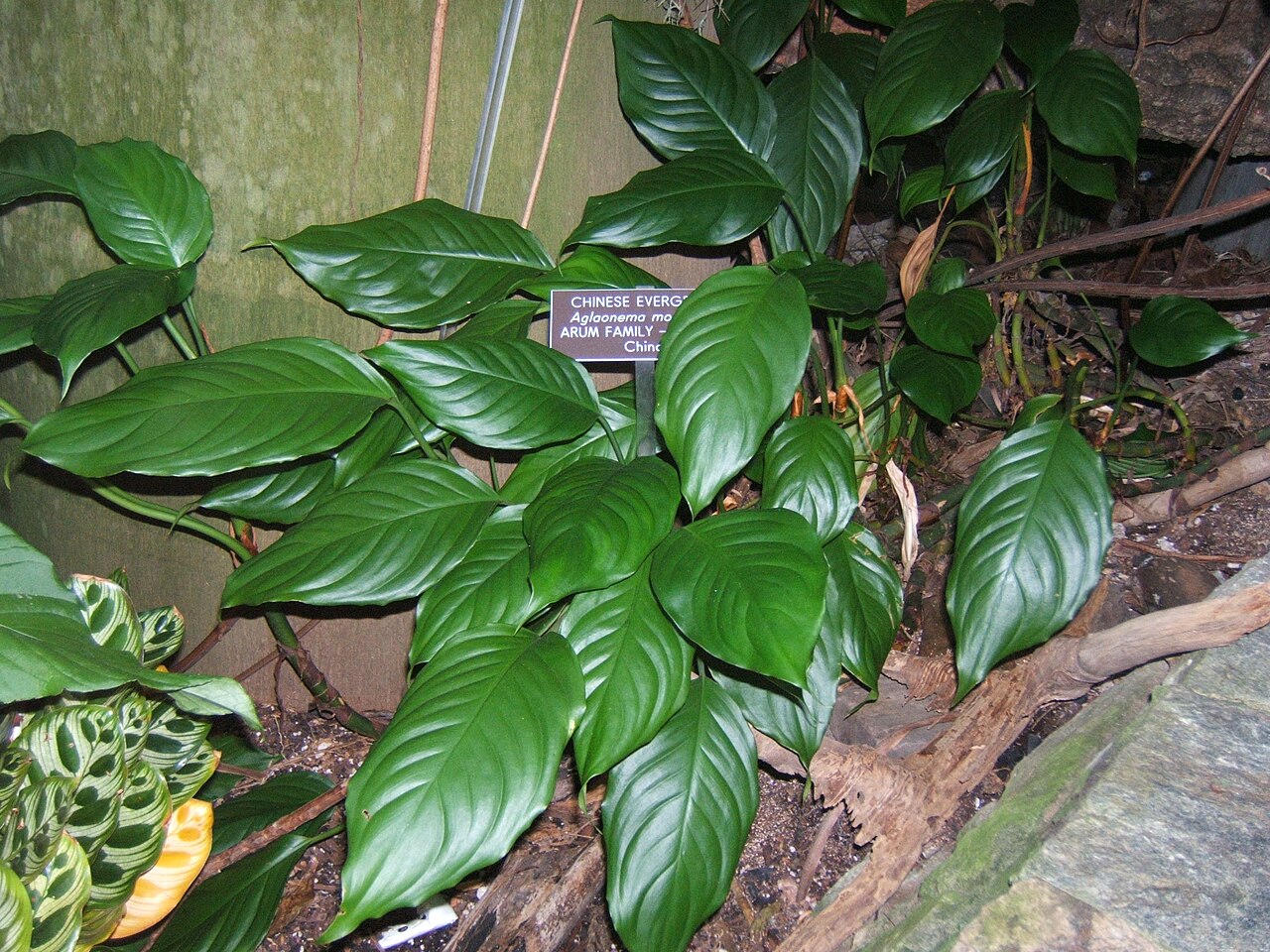
Chinese Evergreen is a popular indoor foliage plant known for its patterned leaves and tolerance of low light conditions. It contains insoluble calcium oxalate crystals that can cause irritation if ingested or chewed.
Potentially toxic for cats & dogs.
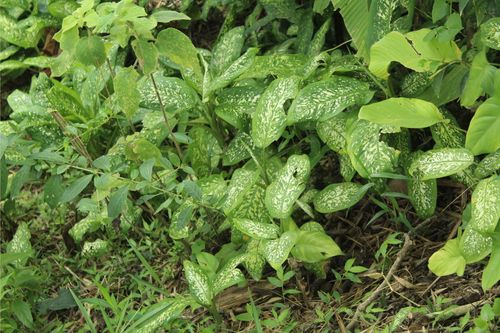
Dieffenbachia is a popular tropical houseplant known for its large, variegated leaves. It contains insoluble calcium oxalate crystals that can cause irritation if ingested or chewed.
Potentially toxic for cats & dogs.