Cats & Dogs
Potentially toxicConsulted references classify the plant as toxic or irritating for that pet type.
Verified against ASPCA/provenance audit 2026-05-06 on May 6, 2026.
Sources
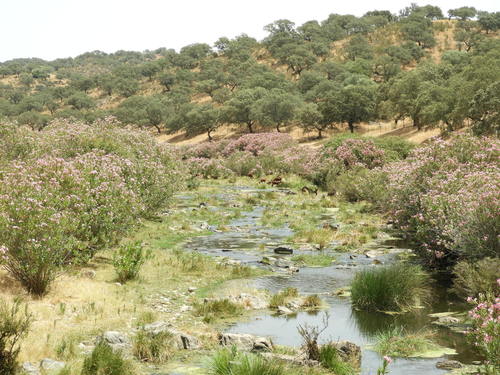
Nerium oleander
Oleander is a highly toxic evergreen shrub known for its showy flowers and extreme sensitivity to ingestion. All parts of the plant contain cardiac glycosides that can cause severe health complications in pets.
Safety status
Cats & Dogs
Potentially toxicConsulted references classify the plant as toxic or irritating for that pet type.
Verified against ASPCA/provenance audit 2026-05-06 on May 6, 2026.
Sources
If a pet has chewed or swallowed plant material and is showing symptoms, contact a veterinarian or poison resource immediately. This product is for structured reference, not diagnosis.
Cats — concern notes
Common signs
Drooling, vomiting, diarrhea, abnormal heart rate, tremors, and seizures.
Escalation note
Ingestion is considered life-threatening. Seek immediate veterinary attention if any part of the plant is consumed.
Dogs — concern notes
Common signs
Vomiting, abdominal pain, drooling, irregular heartbeat, lethargy, and potential collapse.
Escalation note
This plant is extremely dangerous to dogs; even small amounts can be fatal. Contact a veterinarian or emergency animal poison control immediately.
Safer alternatives
Some links earn us a small commission. They never affect our safety classifications.
ASPCA Toxic Plant List
toxicology · 99% reliability
Oleander contains cardiac glycosides which are toxic to both cats and dogs.
NC State Extension Plant Toolbox
botanical · 94% reliability
Nerium oleander is a poisonous plant that should be kept away from pets and children.
Yes, oleander (Nerium oleander) is highly toxic to cats. All parts of the plant contain cardiac glycosides, and ingestion is considered life-threatening — even small amounts can cause severe complications.
GI signs typically appear first within 2 hours: drooling, vomiting, diarrhea, and abdominal pain. As the cardiac glycosides affect the heart, symptoms can progress to abnormal heart rate (too slow or too fast), tremors, weakness, depression, and collapse. Illness can persist up to 4–5 days even with treatment.
Remove any plant material from your cat's mouth, save a sample to bring to the vet, and go immediately — do not wait for symptoms. Do not induce vomiting at home unless poison control specifically directs you to. Call ASPCA Poison Control at (888) 426-4435 or head straight to an emergency vet.
Every part of the oleander plant is poisonous — leaves, stems, flowers, roots, and even the water in a vase holding cut branches. The toxic agents are cardiac glycosides present throughout the entire plant.
Yes, oleander (Nerium oleander) is extremely toxic to dogs. All parts of the plant contain cardiac glycosides, and even small amounts can be fatal. It is classified as a high-severity poison — any suspected ingestion is a veterinary emergency.
Early signs include drooling, vomiting, diarrhea, and abdominal pain, typically appearing within 2 hours of ingestion. As the cardiac glycosides take effect, dogs can develop weakness, an irregular heartbeat (bradycardia, tachycardia, or other arrhythmias), and potential collapse. Hyperkalemia (elevated blood potassium) is a known complication, and symptoms may persist for 4–5 days even with treatment.
Remove any plant material from your dog's mouth, save a sample for the vet, and go to an emergency clinic immediately. Do not induce vomiting at home — this is specifically warned against for oleander ingestion — and do not use over-the-counter activated charcoal as a substitute for veterinary decontamination. Call ASPCA Animal Poison Control at (888) 426-4435 on the way.
Clinical signs typically begin within the first 2 hours of ingestion. GI symptoms (vomiting, drooling, diarrhea) usually appear before cardiac signs, so an apparently stable dog can deteriorate — do not wait for heart symptoms before seeking emergency care.
Same safety verdict
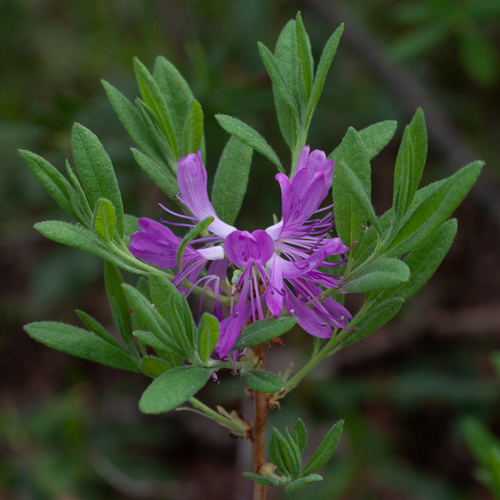
Azaleas are flowering shrubs in the Rhododendron genus that contain grayanotoxins, which can cause significant illness if ingested by pets. These plants are highly toxic and require immediate veterinary attention if consumption is suspected.
Potentially toxic for cats & dogs.
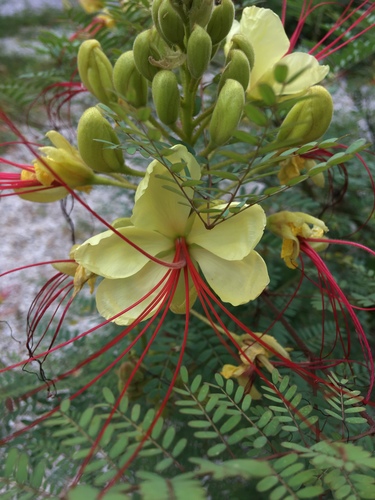
Barbados Pride is a flowering shrub known for its striking yellow flowers and long red stamens. It contains compounds that can cause gastrointestinal distress if ingested by pets.
Potentially toxic for cats & dogs.
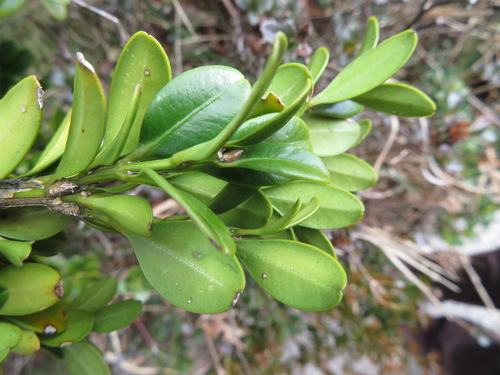
Boxwood is a popular evergreen shrub often used for hedging and topiary, containing steroidal alkaloids that can cause gastrointestinal distress if ingested. It is considered toxic to both cats and dogs.
Potentially toxic for cats & dogs.
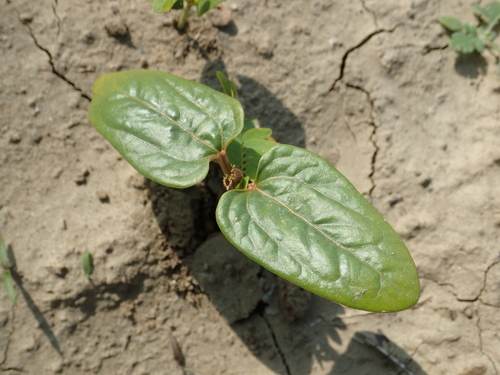
The African Wonder Tree is a fast-growing ornamental shrub known for its large, palm-like leaves and unique seed pods. It contains ricin, a highly potent toxin found throughout the plant, with the highest concentration in the seeds.
Potentially toxic for cats & dogs.
Same growing conditions
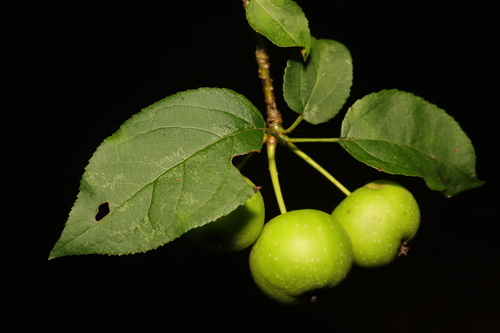
The apple tree is a deciduous fruit-bearing plant known for its edible fruit, though the seeds and foliage contain cyanogenic glycosides that can be harmful if ingested in large quantities. While the fruit flesh is generally safe, the plant parts containing amygdalin pose a risk to pets.
Potentially toxic for cats & dogs.
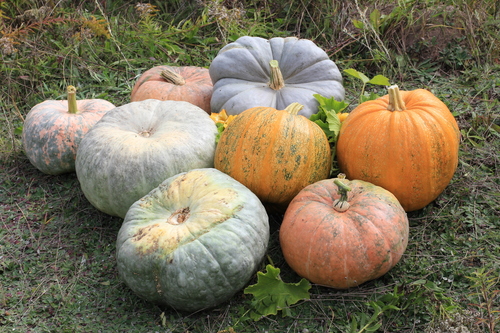
Acorn squash is a popular edible winter squash known for its ribbed, dark green skin and sweet, yellow-orange flesh. It is widely cultivated for culinary use and is considered safe for household pets.
Generally safe for cats & dogs.
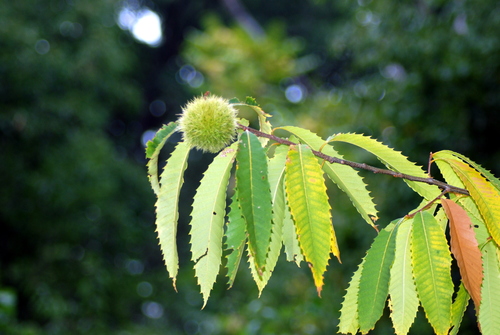
The American Chestnut is a deciduous tree known for its historical significance and edible nuts. It is considered non-toxic to pets, though ingestion of large amounts of fibrous plant material may cause minor digestive discomfort.
Generally safe for cats & dogs.

The apricot tree is a fruit-bearing species in the rose family. While the fruit flesh is generally considered safe, the stems, leaves, and seeds contain cyanogenic glycosides that can be harmful if ingested.
Potentially toxic for cats & dogs.