Cats & Dogs
Potentially toxicConsulted references classify the plant as toxic or irritating for that pet type.
Verified against ASPCA/provenance audit 2026-05-06 on May 6, 2026.
Sources
Prunus avium
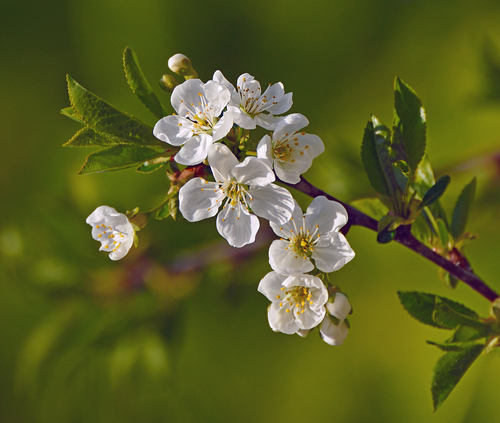
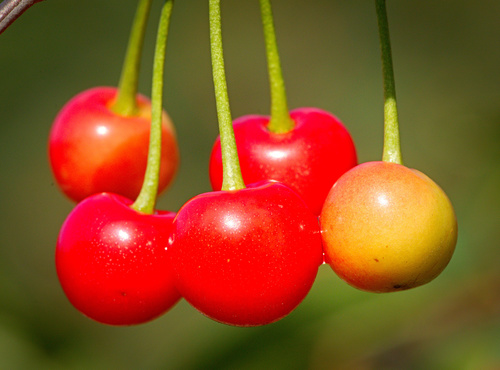
Prunus avium is a deciduous tree known for its edible fruit, but its stems, leaves, and seeds contain cyanogenic glycosides that can be harmful if ingested by pets. It is widely cultivated for fruit production and as an ornamental specimen.
Safety status
Cats & Dogs
Potentially toxicConsulted references classify the plant as toxic or irritating for that pet type.
Verified against ASPCA/provenance audit 2026-05-06 on May 6, 2026.
Sources
If a pet has chewed or swallowed plant material and is showing symptoms, contact a veterinarian or poison resource immediately. This product is for structured reference, not diagnosis.
Cats — concern notes
Common signs
Dilated pupils, difficulty breathing, panting, and shock.
Escalation note
Ingestion of plant parts containing cyanogenic glycosides can lead to cyanide poisoning. Please contact your veterinarian or an animal poison control center immediately if ingestion is suspected.
Dogs — concern notes
Common signs
Dilated pupils, difficulty breathing, panting, and shock.
Escalation note
The stems, leaves, and pits contain compounds that release cyanide upon digestion. Seek immediate veterinary care if your dog has consumed any part of this plant.
Safer alternatives
No hand-picked alternatives for this plant yet. You can still pick your own using the Compare button on any other plant.
ASPCA Toxic Plant List
toxicology · 99% reliability
Sweet Cherry is listed as toxic to cats and dogs due to cyanogenic glycosides.
Kew Plants of the World Online
botanical · 95% reliability
Accepted botanical name and distribution data for Prunus avium.
Yes. Sweet cherry (Prunus avium) is toxic to cats. The stems, leaves, bark, and seeds contain cyanogenic glycosides that can cause cyanide poisoning — the fruit flesh itself is the least dangerous part, but any chewing of pits, leaves, or stems should be treated as an emergency.
Signs of cyanide poisoning in cats include dilated pupils, bright red or brick-red gums, rapid or labored breathing, panting, drooling, vomiting, weakness, and collapse. Symptoms can appear within 15–60 minutes of ingestion and reflect cellular oxygen starvation, which can progress to fatal shock within an hour in severe cases.
Treat it as a poisoning emergency. Do not try to induce vomiting at home — call ASPCA Animal Poison Control at (888) 426-4435 or go directly to an emergency vet. Bring a sample of what was eaten if possible. There is no safe home antidote for cyanide poisoning.
The stems, leaves, bark, and seeds (pits) are the most dangerous parts because they contain the highest concentrations of cyanogenic glycosides. Wilted leaves are especially hazardous — wilting increases cyanide availability. A swallowed whole pit can also cause GI obstruction on top of the toxicity risk. Call your vet immediately if any of these parts were ingested.
Yes, sweet cherry (Prunus avium) is toxic to dogs. The stems, leaves, and pits contain cyanogenic glycosides that release cyanide upon digestion, making them potentially fatal. The fruit flesh itself is not the danger — it's the other parts of the plant that pose a serious risk.
Signs of cyanide poisoning include dilated pupils, bright-red gums, panting or labored breathing, drooling, vomiting, weakness, staggering, and collapse. Symptoms can begin within 15–60 minutes of ingestion and escalate rapidly — untreated severe cases can be fatal within the first hour.
Do not induce vomiting at home. Call ASPCA Animal Poison Control at (888) 426-4435 or Pet Poison Helpline at (855) 764-7661 immediately and head to your nearest emergency vet. Bring a sample of the leaves or pits with you — it helps the vet confirm cyanide exposure quickly. Treat any known leaf or chewed-pit ingestion as an emergency even before symptoms appear.
Cyanide signs commonly begin within 15–60 minutes of ingestion. With early veterinary treatment, most dogs recover within 24–48 hours. Large dogs may also face a separate physical risk: a whole pit lodging in the gut can cause obstruction, with signs like repeated vomiting, a hunched belly, and no bowel movements.
Often compared with
Commonly confused with
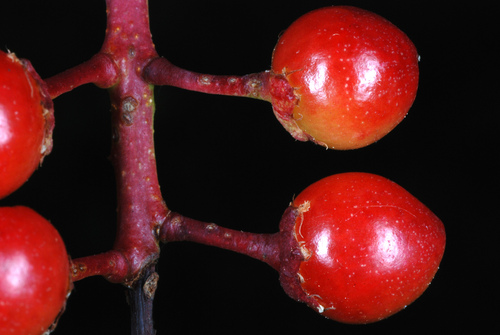
Prunus serotina is a native North American tree known for its dark, edible fruit and foliage that contains cyanogenic glycosides. Ingestion of any part of the plant, particularly the leaves and seeds, can be hazardous to pets.
Potentially toxic for cats & dogs.
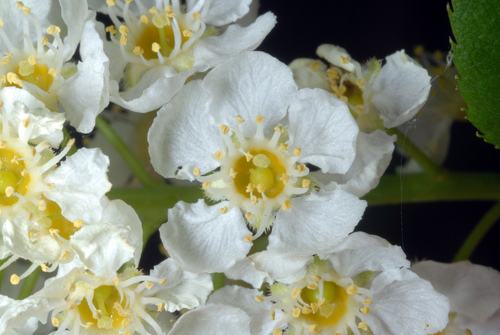
Choke Cherry is a deciduous shrub or small tree known for its clusters of white flowers and dark berries. It contains cyanogenic glycosides which can be harmful if ingested by pets.
Potentially toxic for cats & dogs.
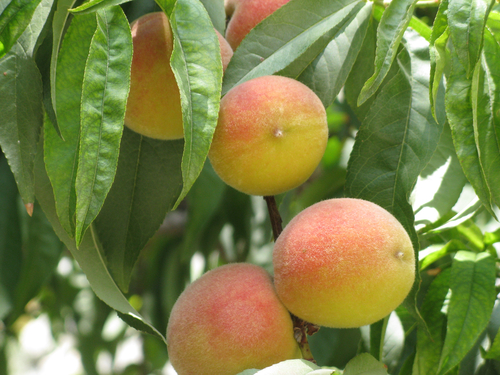
The peach tree is a deciduous fruit-bearing plant known for its edible stone fruits. While the fruit flesh is generally consumed by humans, the leaves, stems, and seeds contain cyanogenic glycosides that pose a risk to pets if ingested.
Potentially toxic for cats & dogs.
Same genus
Same safety verdict
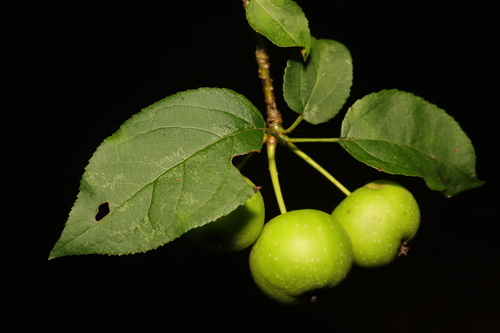
The apple tree is a deciduous fruit-bearing plant known for its edible fruit, though the seeds and foliage contain cyanogenic glycosides that can be harmful if ingested in large quantities. While the fruit flesh is generally safe, the plant parts containing amygdalin pose a risk to pets.
Potentially toxic for cats & dogs.
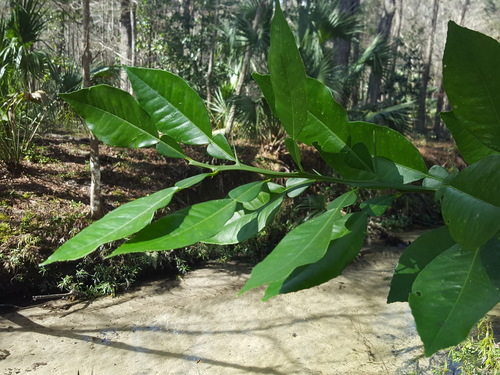
Citrus aurantium is a citrus tree known for its fragrant flowers and bitter fruit, often used in essential oil production. It contains compounds that can cause adverse reactions if ingested by pets.
Potentially toxic for cats & dogs.
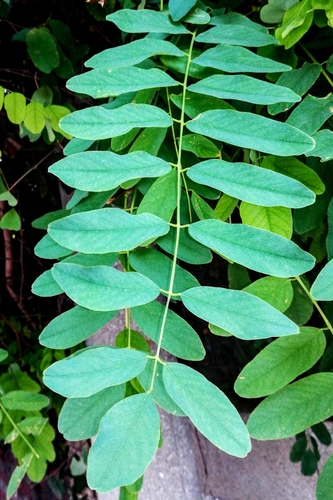
Robinia species, commonly known as locust trees, contain toxic proteins and alkaloids throughout the bark, leaves, and seeds. Ingestion can lead to significant gastrointestinal and neurological distress in pets.
Potentially toxic for cats & dogs.
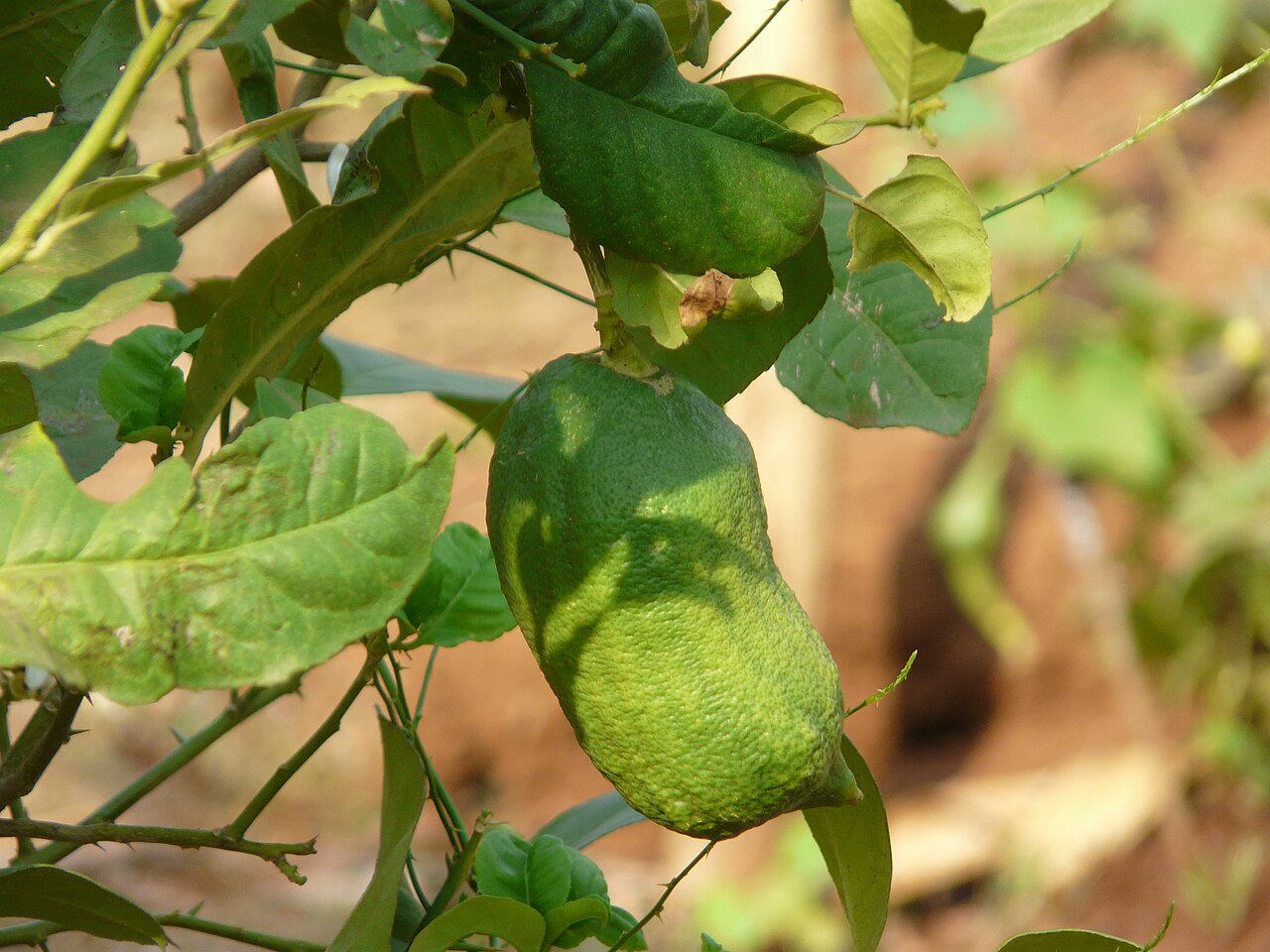
Grapefruit is a citrus tree known for its large, tart fruit and glossy, aromatic foliage. While popular in home orchards, all parts of the plant contain essential oils and psoralens that can cause adverse reactions in pets.
Potentially toxic for cats & dogs.
Same growing conditions
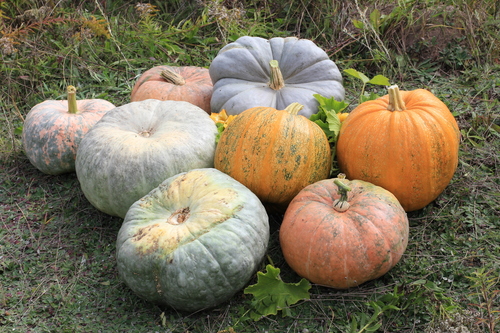
Acorn squash is a popular edible winter squash known for its ribbed, dark green skin and sweet, yellow-orange flesh. It is widely cultivated for culinary use and is considered safe for household pets.
Generally safe for cats & dogs.
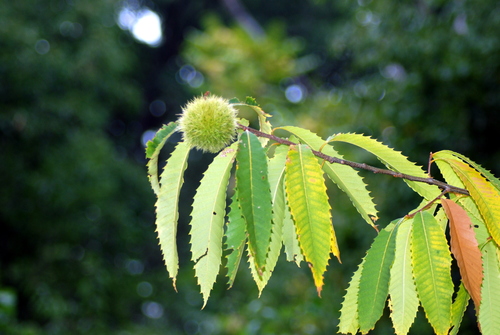
The American Chestnut is a deciduous tree known for its historical significance and edible nuts. It is considered non-toxic to pets, though ingestion of large amounts of fibrous plant material may cause minor digestive discomfort.
Generally safe for cats & dogs.
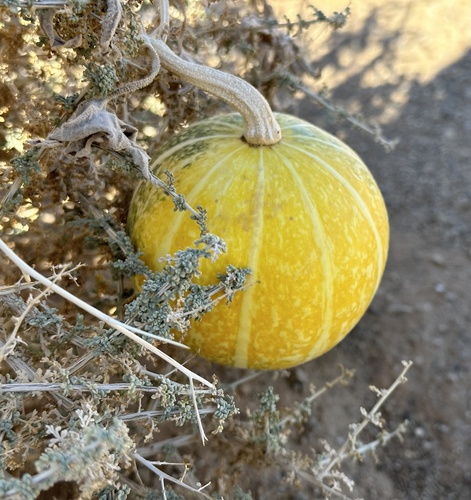
Banana squash is a large, edible winter squash variety known for its elongated shape and sweet, dense flesh. It is considered safe for household pets, though large ingestions of raw plant material may cause minor digestive discomfort.
Generally safe for cats & dogs.
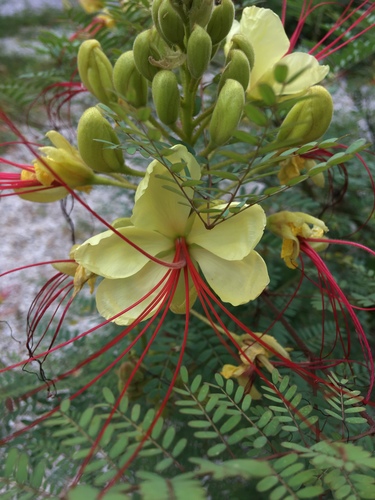
Barbados Pride is a flowering shrub known for its striking yellow flowers and long red stamens. It contains compounds that can cause gastrointestinal distress if ingested by pets.
Potentially toxic for cats & dogs.