Cats
Potentially toxicConsulted references classify the plant as toxic or irritating for that pet type.
Verified against ASPCA/provenance audit 2026-05-06 on May 6, 2026.
Sources

Hemerocallis spp.
Day lilies are popular garden perennials known for their vibrant, trumpet-shaped blooms. While beautiful, they are highly dangerous to cats and should be kept strictly out of reach.
Safety status
Cats
Potentially toxicConsulted references classify the plant as toxic or irritating for that pet type.
Verified against ASPCA/provenance audit 2026-05-06 on May 6, 2026.
Sources
Dogs
UncertainIdentity or evidence quality is not strong enough for a firm answer.
Verified against ASPCA/provenance audit 2026-05-06 on May 6, 2026.
Sources
If a pet has chewed or swallowed plant material and is showing symptoms, contact a veterinarian or poison resource immediately. This product is for structured reference, not diagnosis.
Cats — concern notes
Common signs
Vomiting, lethargy, loss of appetite, and signs of kidney failure such as increased thirst and urination.
Escalation note
Ingestion of any part of the plant can cause acute kidney failure in cats. This is a medical emergency; contact your veterinarian or an animal poison control center immediately if ingestion is suspected.
Dogs — concern notes
Common signs
Mild gastrointestinal upset such as vomiting or diarrhea may occur if ingested.
Escalation note
While not listed as toxic to dogs by the ASPCA, ingestion of any non-food plant material can cause digestive upset. Monitor your pet and consult a veterinarian if symptoms persist.
Safer alternatives
Some links earn us a small commission. They never affect our safety classifications.
ASPCA Toxic Plant List
toxicology · 99% reliability
Day lily is toxic to cats, causing kidney failure.
Kew Plants of the World Online
botanical · 95% reliability
Accepted scientific classification for the genus Hemerocallis.
Any amount is dangerous. Even small ingestions — a few petals, a leaf, or pollen licked off fur — are enough to trigger acute kidney failure in cats. There is no known safe threshold, which is why any suspected exposure warrants an immediate call to your vet or a poison control hotline.
Yes, daylilies (Hemerocallis spp.) are highly toxic to cats. Every part of the plant — flowers, leaves, stems, and pollen — can cause acute kidney failure. This is one of the most dangerous plants a cat can encounter, and even small exposures are a medical emergency.
Early signs appear within 0–12 hours and include drooling, vomiting, lethargy, and refusal to eat. As kidney damage sets in between 12–24 hours, you may notice increased thirst, increased urination, or dehydration. Without treatment, kidney failure typically follows within 24–72 hours of ingestion.
Call a vet or poison control immediately — do not wait for symptoms. Contact ASPCA Animal Poison Control at (888) 426-4435 or Pet Poison Helpline at (855) 764-7661 if your vet isn't reachable. Treatment delayed beyond roughly 18 hours after ingestion is far less likely to prevent permanent kidney damage, and there is no antidote.
Daylilies are not listed as toxic to dogs by the ASPCA, though their classification remains uncertain. Unlike cats, for whom daylilies are highly dangerous, dogs are not known to face serious toxicity from this plant.
Mild gastrointestinal upset such as vomiting or diarrhea may occur if your dog ingests daylily plant material. Specific toxic effects beyond GI irritation are not well documented for dogs.
Monitor your dog for vomiting, diarrhea, or lethargy. If symptoms appear or persist, contact your veterinarian or the ASPCA Animal Poison Control Center at (888) 426-4435 for guidance.
Yes — daylilies are considered highly dangerous to cats, capable of causing kidney failure, but they are not classified as toxic to dogs by the ASPCA. Dogs may experience mild digestive upset at most, though this distinction is based on limited data and the classification remains uncertain.
Often compared with
Commonly confused with
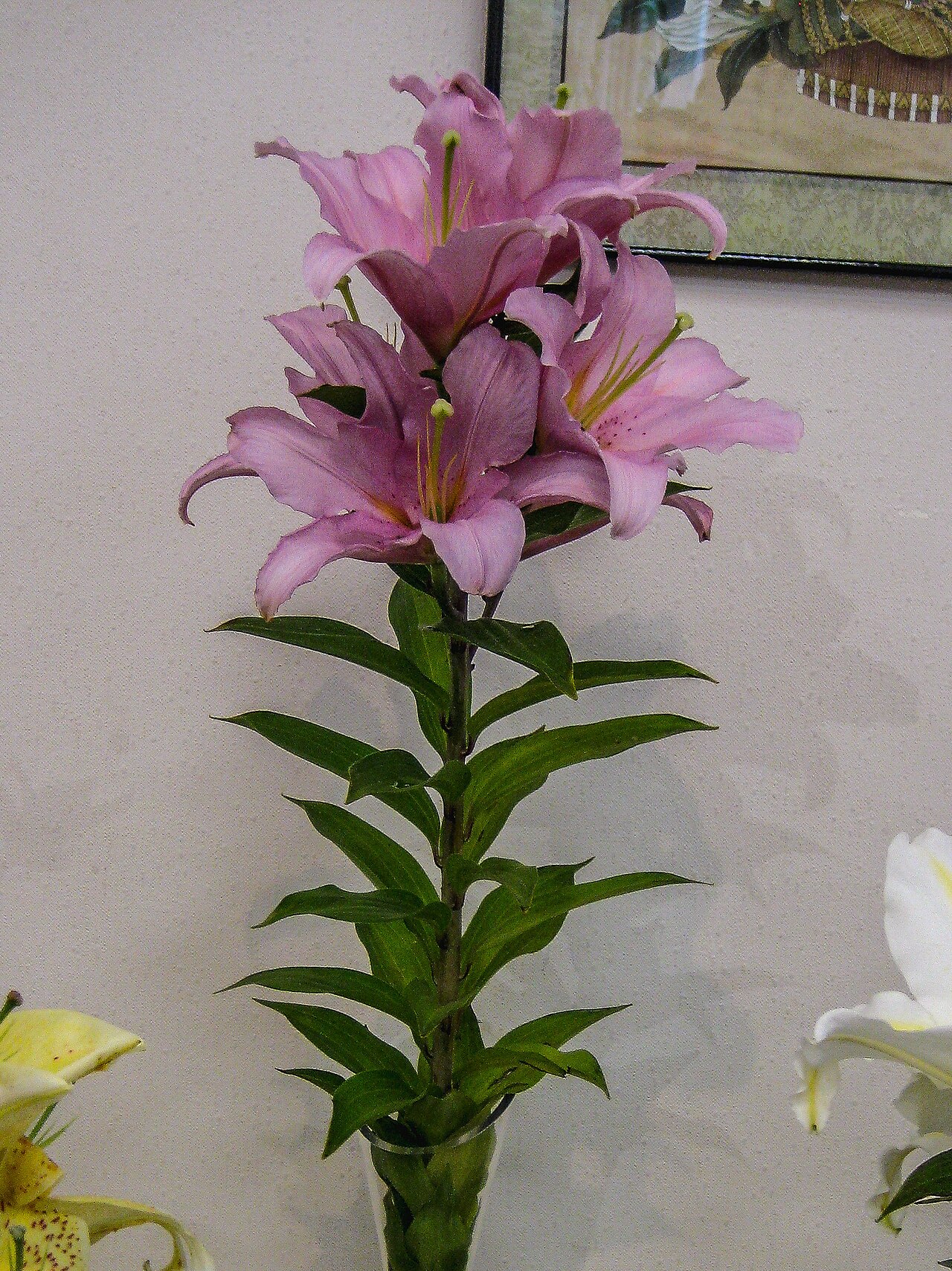
True lilies are highly toxic to cats, causing severe kidney damage even with minimal exposure. While data for dogs is less definitive, they should still be kept away from all parts of the plant.
Potentially toxic for cats.
Uncertain for dogs.

The Orange Day Lily is a perennial flowering plant known for its vibrant, trumpet-shaped blooms. While popular in gardens, it is highly dangerous to cats if ingested.
Potentially toxic for cats.
Uncertain for dogs.
Same safety verdict
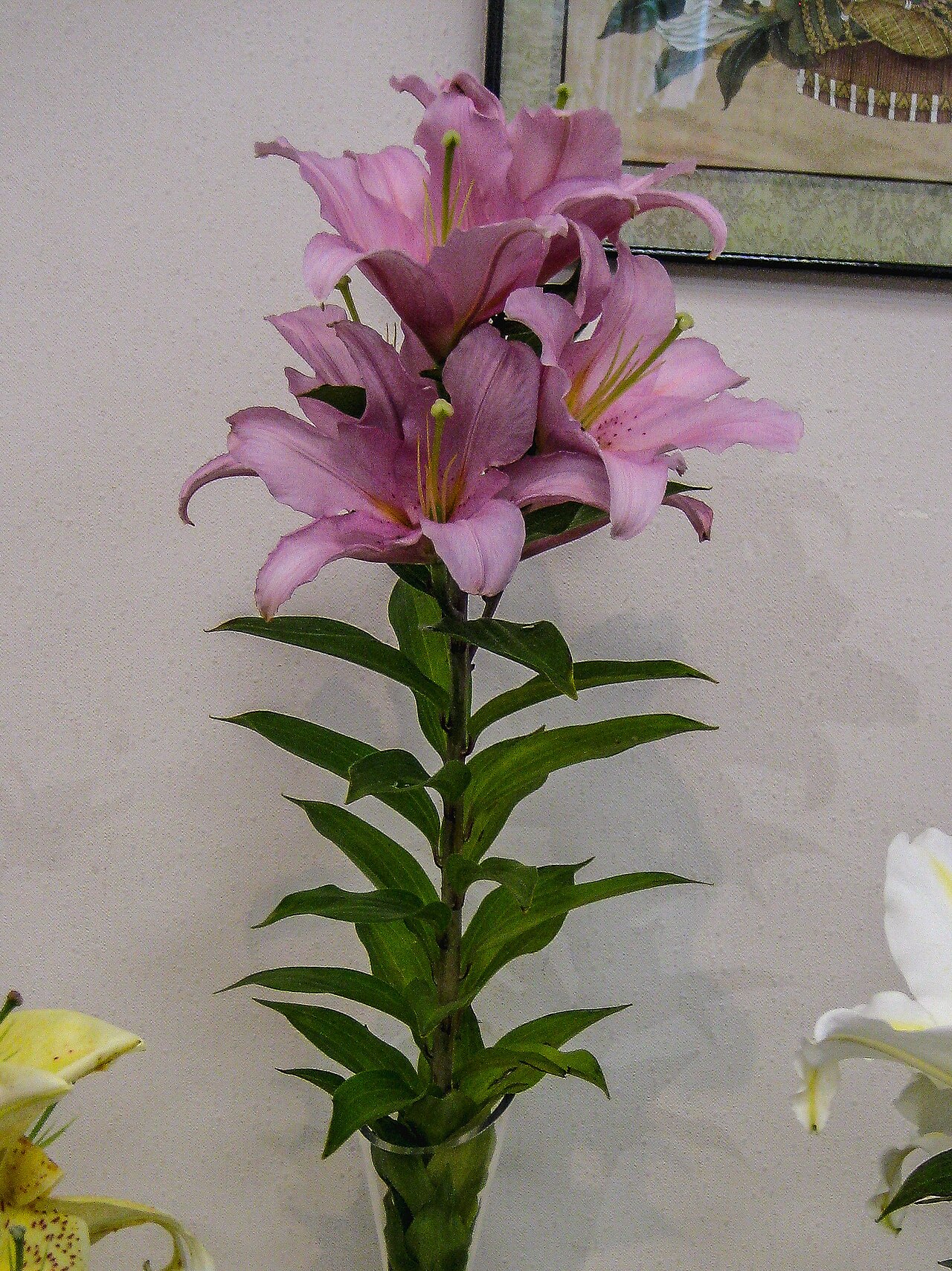
Asian lilies are popular ornamental flowering plants known for their vibrant blooms, but they pose a significant health risk to certain pets. Ingestion of any part of the plant can lead to severe systemic issues.
Potentially toxic for cats.
Uncertain for dogs.
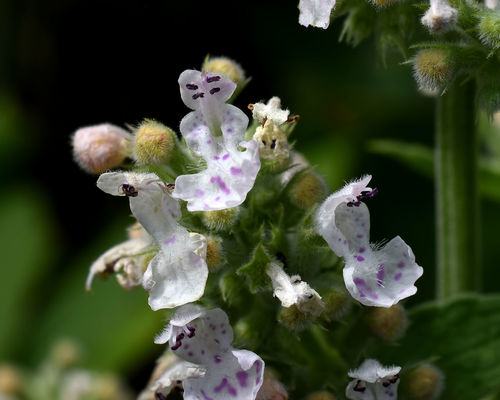
Catnip is a member of the mint family known for its stimulating effects on many cats, though ingestion of large quantities can cause gastrointestinal distress. It is generally considered safe for dogs, though it is not a standard part of their diet.
Potentially toxic for cats.
Uncertain for dogs.
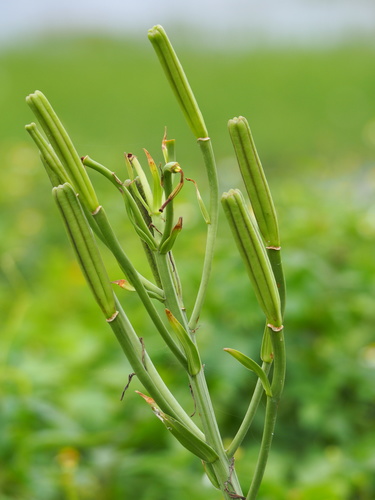
The Easter Lily is a bulbous perennial known for its large, fragrant, trumpet-shaped white flowers. It is highly significant in veterinary medicine due to its extreme toxicity to cats.
Potentially toxic for cats.
Uncertain for dogs.

Lilium speciosum is a bulbous perennial known for its fragrant, recurved petals and striking color patterns. It is highly toxic to cats, as are many members of the Lilium genus.
Potentially toxic for cats.
Uncertain for dogs.
Same growing conditions
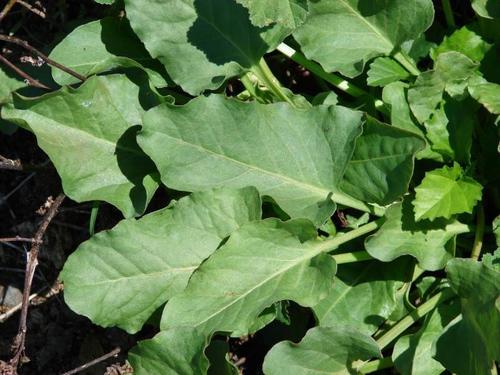
Dock is a genus of perennial herbs often found in fields and gardens that contains soluble calcium oxalates. Ingestion of any part of the plant can cause irritation to the mouth and digestive tract.
Potentially toxic for cats & dogs.
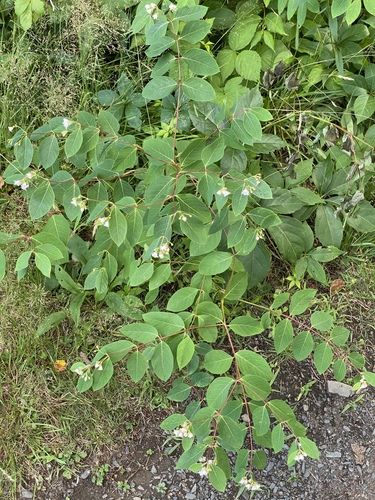
Bitter Root is a perennial herbaceous plant known for its pink, bell-shaped flowers and milky sap. It contains cardiac glycosides that are harmful if ingested by pets.
Potentially toxic for cats & dogs.
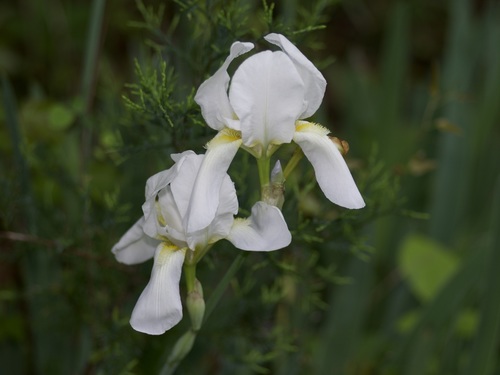
Iris species are popular perennial garden plants known for their showy, complex flowers and sword-like foliage. They contain chemical compounds that can cause gastrointestinal irritation if ingested by pets.
Potentially toxic for cats & dogs.