Cats & Dogs
Potentially toxicConsulted references classify the plant as toxic or irritating for that pet type.
Verified against ASPCA/provenance audit 2026-05-06 on May 6, 2026.
Sources
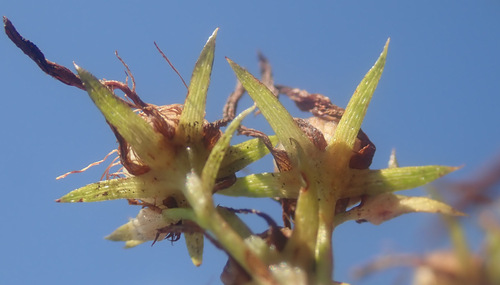
Hypericum perforatum
Klamath Weed is a perennial flowering plant known for its bright yellow blooms and medicinal history, but it contains compounds that can cause significant health issues if ingested by pets. It is widely recognized as a toxic plant that requires careful management in households with animals.
Safety status
Cats & Dogs
Potentially toxicConsulted references classify the plant as toxic or irritating for that pet type.
Verified against ASPCA/provenance audit 2026-05-06 on May 6, 2026.
Sources
If a pet has chewed or swallowed plant material and is showing symptoms, contact a veterinarian or poison resource immediately. This product is for structured reference, not diagnosis.
Cats — concern notes
Common signs
Photosensitivity, skin irritation, drooling, vomiting, and potential neurological changes.
Escalation note
Ingestion can lead to severe skin reactions when exposed to sunlight. Please contact your veterinarian immediately if you suspect your cat has consumed any part of this plant.
Dogs — concern notes
Common signs
Photosensitivity, dermatitis, gastrointestinal upset, and lethargy.
Escalation note
The plant contains hypericin, which can cause increased sensitivity to light and skin inflammation. Seek veterinary care promptly if ingestion is observed or suspected.
Safer alternatives
No hand-picked alternatives for this plant yet. You can still pick your own using the Compare button on any other plant.
ASPCA Toxic Plant List
toxicology · 99% reliability
St. John's Wort is listed as toxic to both cats and dogs due to the presence of hypericin.
NC State Extension Plant Toolbox
botanical · 94% reliability
Hypericum perforatum is a perennial herb that is considered toxic to livestock and pets.
Yes, St. John's Wort (Hypericum perforatum) is potentially toxic to cats. It contains compounds that can cause photosensitivity, skin irritation, drooling, vomiting, and potential neurological changes if ingested.
The most distinctive danger is photosensitization: cats that ingest St. John's Wort and are then exposed to sunlight can develop ulcerative and exudative dermatitis — open, oozing sores especially on the nose, ear margins, and eyelids. Cats with light or thin fur are particularly vulnerable. Other symptoms include drooling and vomiting.
Contact your veterinarian immediately and call the ASPCA Animal Poison Control Center at (888) 426-4435. Keep your cat indoors and out of sunlight to reduce the risk of photosensitization reactions while you seek guidance, since sun exposure after ingestion can trigger severe skin lesions.
Call your vet any time you see ulceration, weeping skin lesions, or rapidly worsening irritation following suspected exposure. Open, oozing sores — especially around the nose, ear margins, or eyelids — require prompt veterinary attention to prevent secondary infection.
Yes, St. John's Wort (Hypericum perforatum) is toxic to dogs. It contains hypericin, a compound that can cause photosensitivity, dermatitis, gastrointestinal upset, and lethargy if ingested.
The most distinctive symptom is photosensitization — hypericin makes dogs abnormally sensitive to sunlight, which can cause ulcerative and exudative dermatitis (open, oozing sores) on the nose, ear edges, and areas with thin fur. Dogs may also show gastrointestinal upset and lethargy.
Contact your veterinarian or the ASPCA Animal Poison Control Center at (888) 426-4435 immediately. Keep your dog out of sunlight, as hypericin increases light sensitivity and sun exposure can worsen skin damage. Seek veterinary care promptly if ingestion is observed or suspected.
The entire plant contains hypericin, a photosensitizing compound that causes increased sensitivity to light and skin inflammation. This mechanism is what distinguishes St. John's Wort toxicity — the harm can be compounded by sunlight exposure after ingestion, triggering weeping skin lesions especially on lightly furred or unpigmented areas.
Same safety verdict
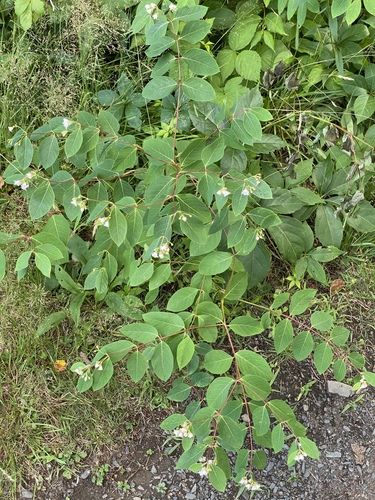
Bitter Root is a perennial herbaceous plant known for its pink, bell-shaped flowers and milky sap. It contains cardiac glycosides that are harmful if ingested by pets.
Potentially toxic for cats & dogs.
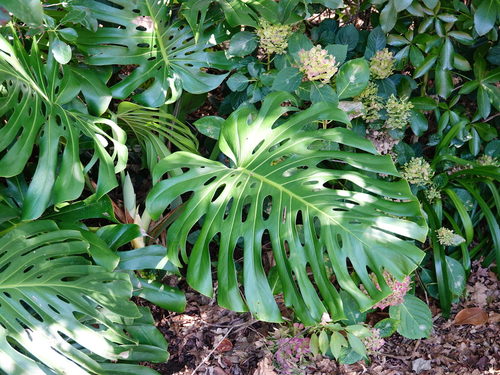
Monstera deliciosa is a popular tropical houseplant known for its large, fenestrated leaves and vining growth habit. It contains insoluble calcium oxalate crystals that can cause irritation if ingested by pets.
Potentially toxic for cats & dogs.
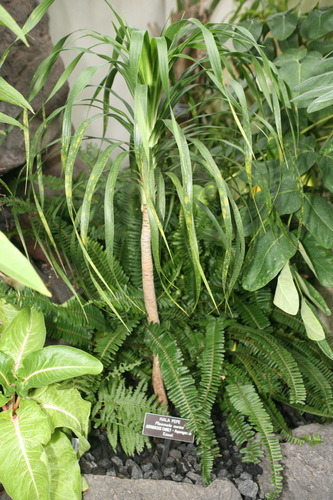
Dracaena trifasciata is a popular, hardy houseplant known for its stiff, sword-like leaves with striking yellow margins. It is widely appreciated for its air-purifying qualities and ability to thrive in various indoor conditions.
Potentially toxic for cats & dogs.
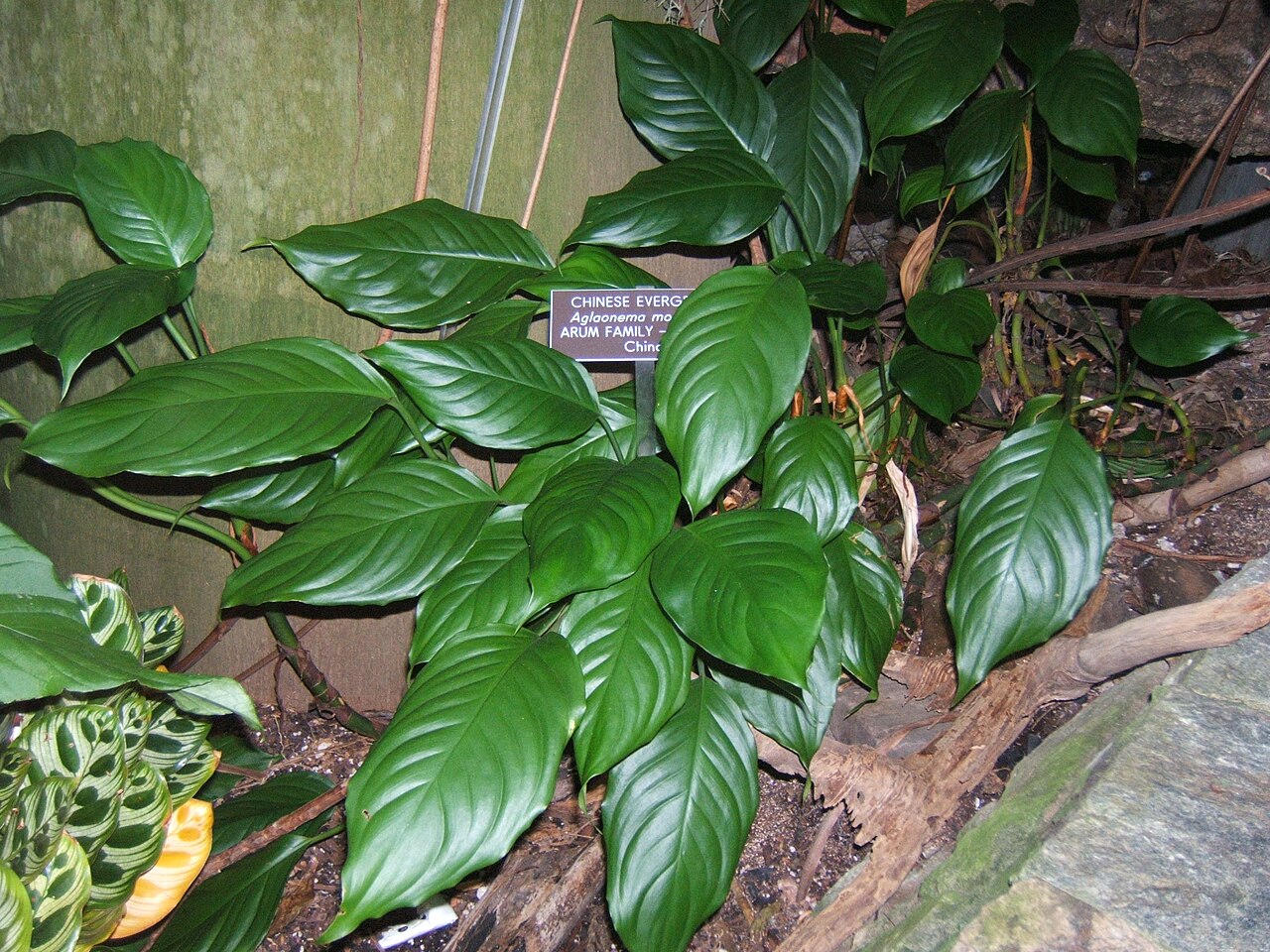
Chinese Evergreen is a popular indoor foliage plant known for its patterned leaves and tolerance of low light conditions. It contains insoluble calcium oxalate crystals that can cause irritation if ingested or chewed.
Potentially toxic for cats & dogs.
Same growing conditions
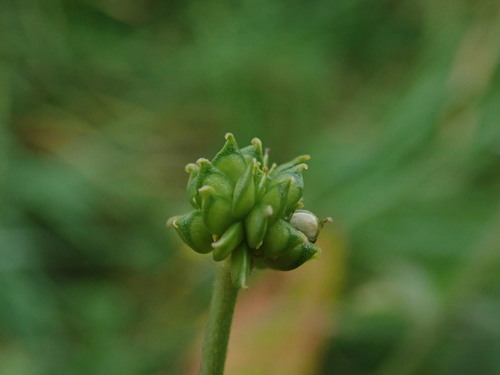
Ranunculus acris is a perennial herbaceous plant known for its bright yellow flowers and presence in meadows. It contains compounds that can cause irritation upon contact or ingestion.
Potentially toxic for cats & dogs.
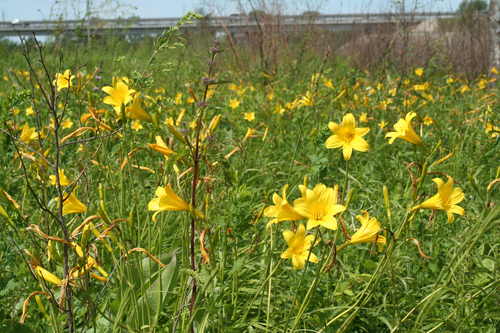
The Orange Day Lily is a perennial flowering plant known for its vibrant, trumpet-shaped blooms. While popular in gardens, it is highly dangerous to cats if ingested.
Potentially toxic for cats.
Uncertain for dogs.
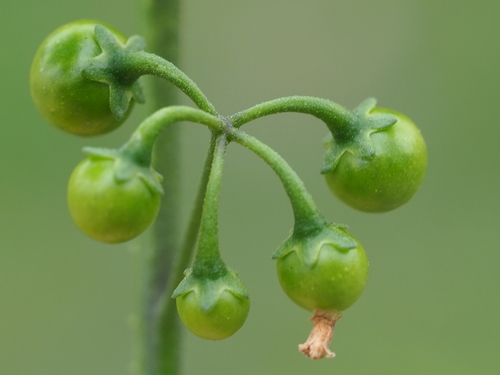
Black Nightshade is an herbaceous plant in the Solanaceae family containing solanine alkaloids that are harmful if ingested. It is widely considered a weed and is not typically cultivated as an indoor houseplant.
Potentially toxic for cats & dogs.
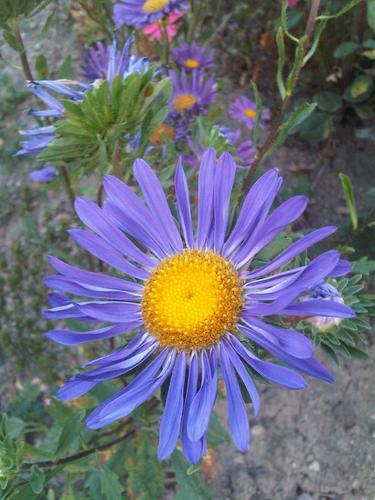
China Aster is a popular annual flowering plant known for its daisy-like blooms and vibrant colors. It is considered non-toxic to household pets, though ingestion of large amounts of plant material may cause minor digestive discomfort.
Generally safe for cats & dogs.