Cats & Dogs
Potentially toxicConsulted references classify the plant as toxic or irritating for that pet type.
Verified against ASPCA/provenance audit 2026-05-06 on May 6, 2026.
Sources
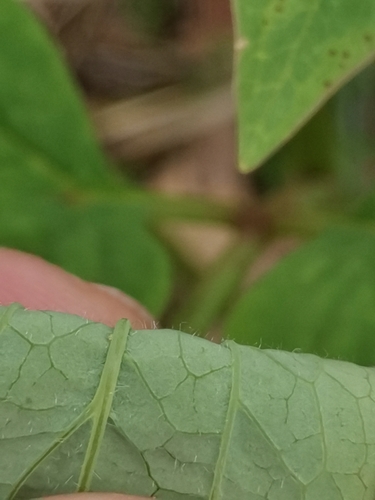
Paeonia officinalis
The peony is a popular garden perennial known for its large, showy blooms. While prized for its beauty, all parts of the plant contain paeonol, which can cause gastrointestinal distress if ingested by pets.
Safety status
Cats & Dogs
Potentially toxicConsulted references classify the plant as toxic or irritating for that pet type.
Verified against ASPCA/provenance audit 2026-05-06 on May 6, 2026.
Sources
If a pet has chewed or swallowed plant material and is showing symptoms, contact a veterinarian or poison resource immediately. This product is for structured reference, not diagnosis.
Cats — concern notes
Common signs
Vomiting, diarrhea, and lethargy.
Escalation note
Ingestion typically results in mild to moderate gastrointestinal upset. Please contact your veterinarian if your cat has consumed any part of this plant.
Dogs — concern notes
Common signs
Vomiting, diarrhea, and depression.
Escalation note
Symptoms are generally limited to the digestive tract. Consult a veterinarian if you suspect your dog has ingested the plant to ensure proper monitoring.
Safer alternatives
No hand-picked alternatives for this plant yet. You can still pick your own using the Compare button on any other plant.
ASPCA Toxic Plant List
toxicology · 99% reliability
Peony is listed as toxic to dogs and cats, causing vomiting, diarrhea, and depression.
Kew Plants of the World Online
botanical · 95% reliability
Accepted scientific name and botanical classification for Paeonia officinalis.
Yes, peonies (Paeonia officinalis) are toxic to cats. All parts of the plant contain paeonol, which causes gastrointestinal distress if ingested. The toxicity is considered mild to moderate — serious outcomes are uncommon, but any ingestion warrants monitoring.
The most common signs are vomiting, diarrhea, and lethargy. Cats may also drool from the plant's bitter taste and appear low-energy or 'depressed.' Symptoms typically begin within a few hours of ingestion and usually resolve within 24–48 hours with rest and bland feeding.
Move your cat away from the plant and gently wipe any plant material from in and around the mouth with a damp cloth. Do not induce vomiting in cats. Call your vet or the ASPCA Animal Poison Control Center at (888) 426-4435 for guidance — a same-day vet visit is normally appropriate, but ER care is rarely needed.
Call your vet if vomiting or diarrhea persists more than a few hours, your cat refuses food and water, or the lethargy appears severe. Most cases are mild and resolve at home, but a same-day appointment is a reasonable precaution given that exact paeonol toxicity timing is not well documented.
Yes, peonies (Paeonia officinalis) are toxic to dogs. All parts of the plant contain paeonol, which can cause vomiting, diarrhea, and depression if ingested.
Signs typically begin within hours of ingestion and include vomiting, diarrhea, and a lethargic or 'depressed' demeanor. Larger ingestions — especially of bark or roots where paeonol concentrates — can produce more substantial GI upset. Symptoms generally resolve within 24–48 hours with supportive care.
Get your dog away from the plant and gently wipe any plant material from in and around the mouth with a damp cloth. Do not induce vomiting unless your veterinarian specifically instructs you to. Call the ASPCA Animal Poison Control Center at (888) 426-4435 or your vet for guidance.
Paeonol is present throughout the entire plant, but it concentrates in the bark and roots, meaning those parts pose the greatest risk for more severe GI upset. Even ingestion of petals or leaves can cause vomiting and diarrhea, so all parts should be treated as hazardous.
Same safety verdict
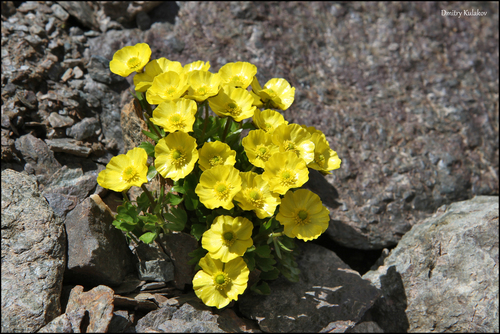
Buttercups are flowering plants known for their bright, cup-shaped blooms, but they contain compounds that can cause irritation if ingested. They are generally considered toxic to household pets due to the presence of protoanemonin.
Potentially toxic for cats & dogs.
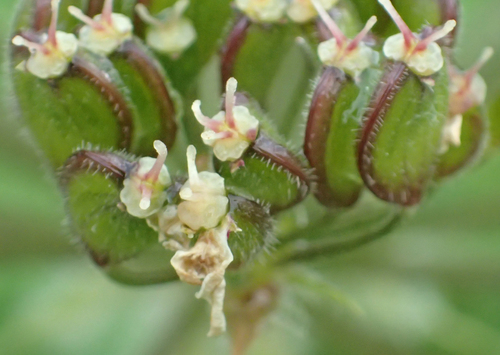
Cow parsnip is a large, herbaceous perennial member of the carrot family known for its tall stature and umbrella-like flower clusters. It contains furanocoumarins that can cause significant skin and mucosal irritation upon contact.
Potentially toxic for cats & dogs.
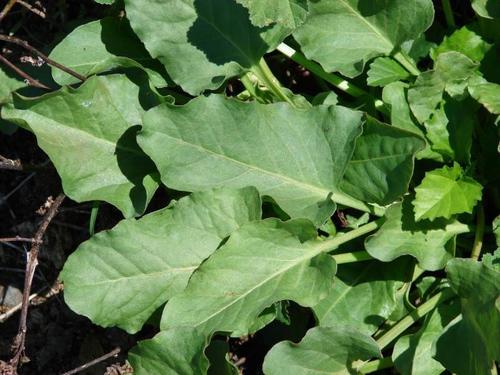
Dock is a genus of perennial herbs often found in fields and gardens that contains soluble calcium oxalates. Ingestion of any part of the plant can cause irritation to the mouth and digestive tract.
Potentially toxic for cats & dogs.
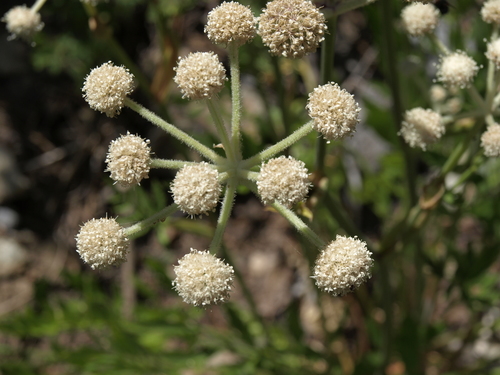
Ranger's Button is a perennial herb native to the western United States, known for its distinct, button-like flower clusters. It is considered toxic to pets if ingested and should be kept out of reach.
Potentially toxic for cats & dogs.