Cats & Dogs
Potentially toxicConsulted references classify the plant as toxic or irritating for that pet type.
Verified against ASPCA/provenance audit 2026-05-06 on May 6, 2026.
Sources
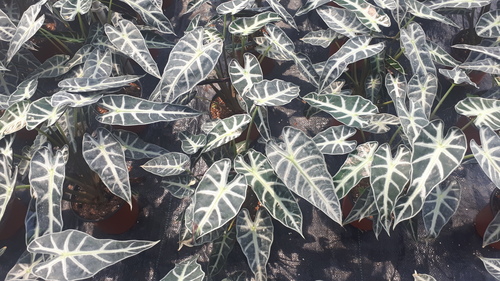
Alocasia spp.
Alocasia is a genus of rhizomatous, broad-leaved perennial plants known for their dramatic, arrow-shaped foliage. They contain insoluble calcium oxalate crystals that cause immediate irritation upon contact with soft tissues.
Safety status
Cats & Dogs
Potentially toxicConsulted references classify the plant as toxic or irritating for that pet type.
Verified against ASPCA/provenance audit 2026-05-06 on May 6, 2026.
Sources
If a pet has chewed or swallowed plant material and is showing symptoms, contact a veterinarian or poison resource immediately. This product is for structured reference, not diagnosis.
Cats — concern notes
Common signs
Oral irritation, intense burning and irritation of mouth, tongue and lips, excessive drooling, vomiting, and difficulty swallowing.
Escalation note
The presence of insoluble calcium oxalate crystals causes immediate mechanical irritation. If your cat has ingested any part of this plant, contact your veterinarian or a pet poison control center immediately.
Dogs — concern notes
Common signs
Oral irritation, intense burning and irritation of mouth, tongue and lips, excessive drooling, vomiting, and difficulty swallowing.
Escalation note
Ingestion leads to immediate discomfort due to the release of calcium oxalate crystals. Please consult your veterinarian if you suspect your dog has chewed or ingested this plant.
Safer alternatives
No hand-picked alternatives for this plant yet. You can still pick your own using the Compare button on any other plant.
ASPCA Toxic Plant List
toxicology · 99% reliability
Alocasia is listed as toxic to both cats and dogs due to insoluble calcium oxalate crystals.
NC State Extension Plant Toolbox
botanical · 94% reliability
Provides botanical classification and horticultural requirements for the Alocasia genus.
Yes, elephant ear (Alocasia spp.) is toxic to cats. All parts of the plant contain insoluble calcium oxalate crystals that cause immediate mechanical irritation to soft tissues in the mouth, tongue, and throat the moment a cat chews on them.
Symptoms typically begin within minutes of chewing and include intense oral burning, excessive drooling, foamy saliva, pawing at the muzzle, vocalizing, vomiting, and difficulty swallowing. Watch for swelling of the lips, tongue, or upper airway — that is an emergency. Most cats recover within 12–24 hours, though vomiting or reduced appetite can persist up to 48 hours after a larger bite.
Remove any plant material from your cat's mouth, then offer a small amount of xylitol-free milk, plain yogurt, or vanilla ice cream to help soothe oral irritation (per ASPCA guidance for insoluble-oxalate plants). Do not induce vomiting on your own. Call ASPCA Animal Poison Control at (888) 426-4435 or your veterinarian right away.
The burning sensation is caused by insoluble calcium oxalate crystals embedded throughout the plant's tissues. When a cat bites into the plant, these microscopic needle-like crystals are physically driven into the soft tissues of the mouth and throat, causing instant irritation — which is why drooling and head-shaking often begin within seconds of a bite.
Yes, elephant ear is toxic to dogs. All parts of the plant contain insoluble calcium oxalate crystals that cause immediate oral irritation, intense burning of the mouth, tongue, and lips, excessive drooling, vomiting, and difficulty swallowing upon contact with soft tissues.
Within minutes of chewing, your dog will likely show sudden drooling, lip-smacking, head-shaking, and pawing at the muzzle as the calcium oxalate crystals pierce the soft tissues of the mouth. Vomiting and reduced appetite can follow, and in serious cases the tongue, lips, or upper airway may swell. Most dogs recover within 24 hours, though vomiting or appetite loss can linger 24–48 hours after a larger ingestion.
Remove any plant fragments from your dog's mouth, then offer a small amount of xylitol-free milk, plain yogurt, or vanilla ice cream to help soothe the oral burning (ASPCA guidance for insoluble-oxalate plants). Do not induce vomiting on your own. Call ASPCA Poison Control at (888) 426-4435 or your veterinarian right away, and go to an emergency clinic immediately if you see facial swelling, repeated vomiting that won't stop, or labored breathing.
Elephant ear plants (Alocasia spp.) contain insoluble calcium oxalate crystals — microscopic needle-like structures stored in the plant's cells. When a dog bites or chews the plant, the crystals are released and physically penetrate the soft tissues of the mouth, tongue, and throat, causing instant, intense burning and irritation. Because the crystals are insoluble, they cannot be neutralized by the stomach, which is why dairy can help coat and soothe the affected tissues.
Often compared with
Same safety verdict
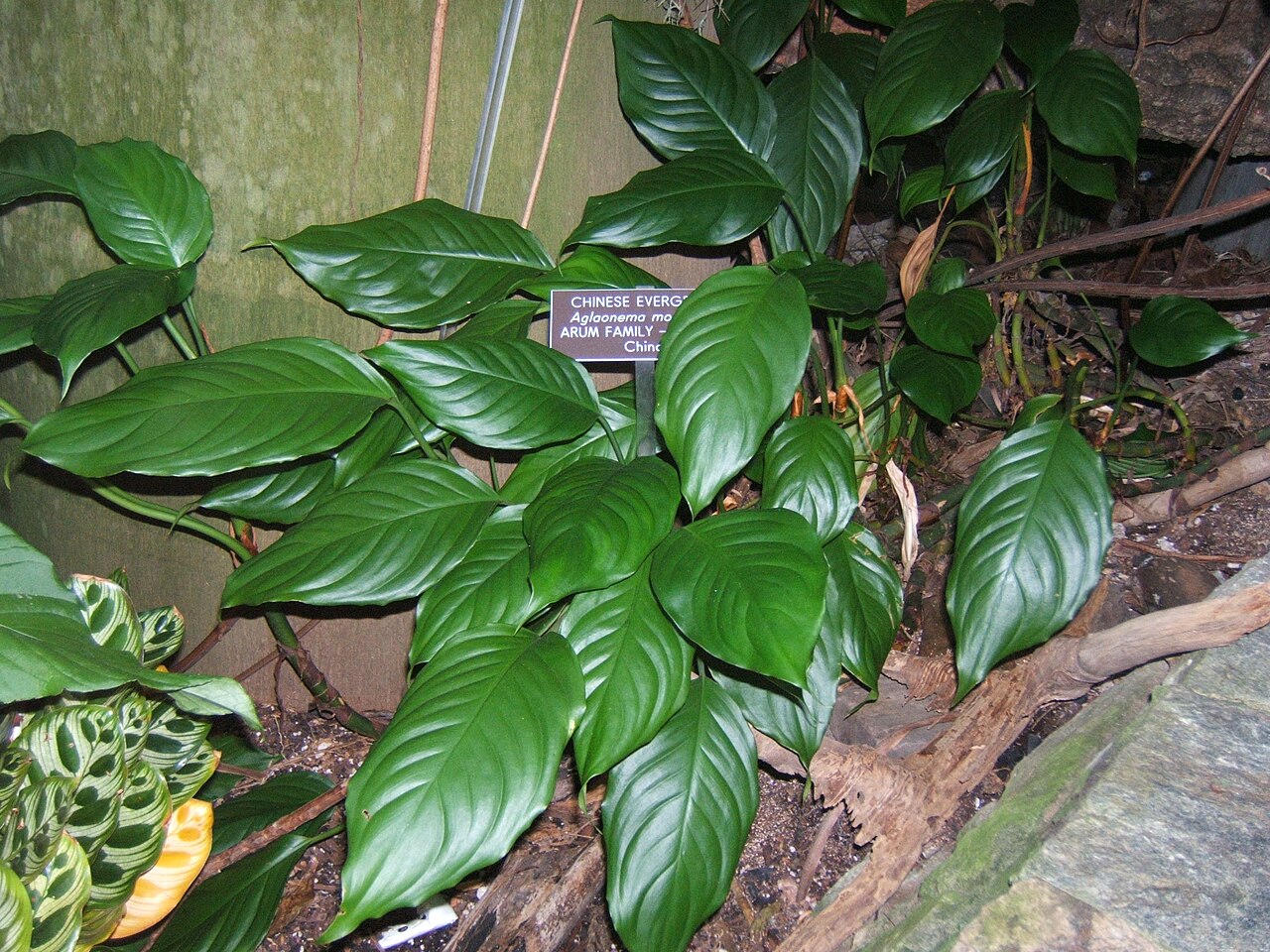
Chinese Evergreen is a popular indoor foliage plant known for its patterned leaves and tolerance of low light conditions. It contains insoluble calcium oxalate crystals that can cause irritation if ingested or chewed.
Potentially toxic for cats & dogs.
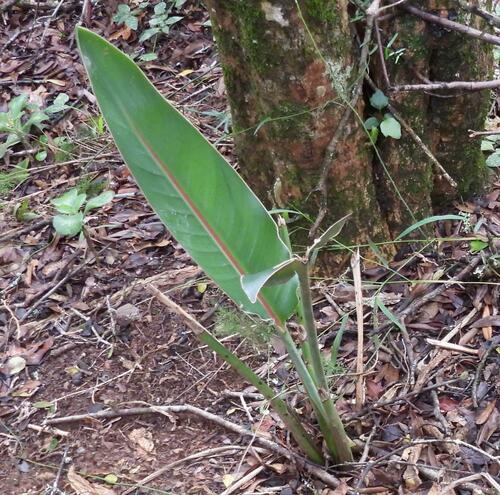
The Bird of Paradise is a popular tropical houseplant known for its striking, crane-like orange and blue flowers. While visually stunning, it contains compounds that can cause gastrointestinal distress if ingested by pets.
Potentially toxic for cats & dogs.
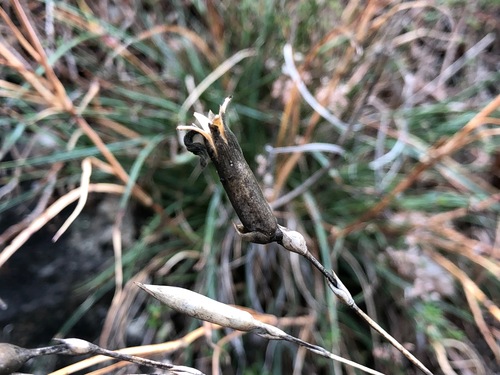
The carnation is a popular flowering plant known for its ruffled petals and spicy fragrance. While beautiful in bouquets, it contains compounds that can cause mild irritation if ingested by pets.
Potentially toxic for cats & dogs.
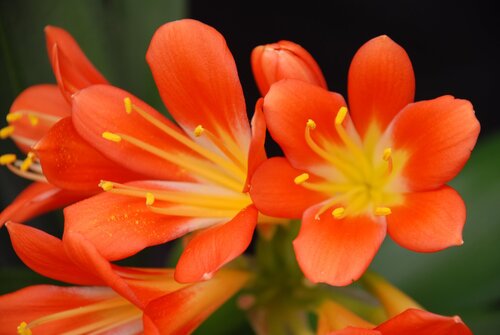
Clivia miniata is a popular flowering houseplant known for its vibrant orange or red clusters of blooms. It contains lycorine and other alkaloids that can cause gastrointestinal distress if ingested by pets.
Potentially toxic for cats & dogs.
Same growing conditions
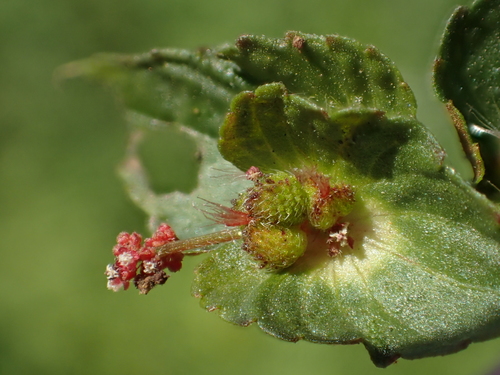
Copperleaf is a tropical shrub known for its vibrant, variegated foliage. It contains compounds that can cause irritation if ingested by household pets.
Potentially toxic for cats & dogs.
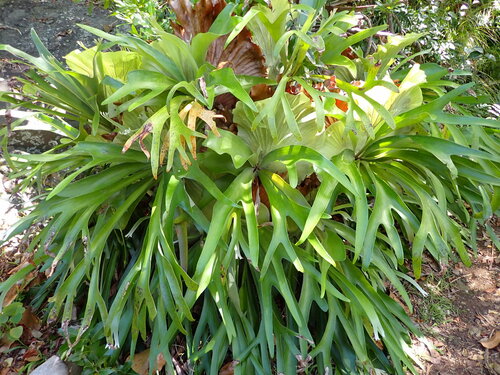
Staghorn Fern is a unique epiphytic fern known for its antler-shaped fronds. It is considered non-toxic to pets, though ingestion of large amounts of fibrous material may cause minor digestive discomfort.
Generally safe for cats & dogs.
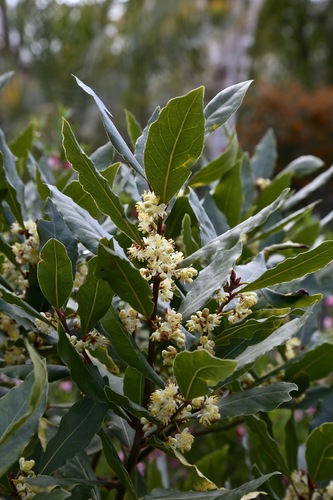
Bay Laurel is a popular culinary herb often grown as an ornamental shrub or tree. While prized for its aromatic leaves, it contains essential oils that can cause digestive distress if ingested by pets.
Potentially toxic for cats & dogs.
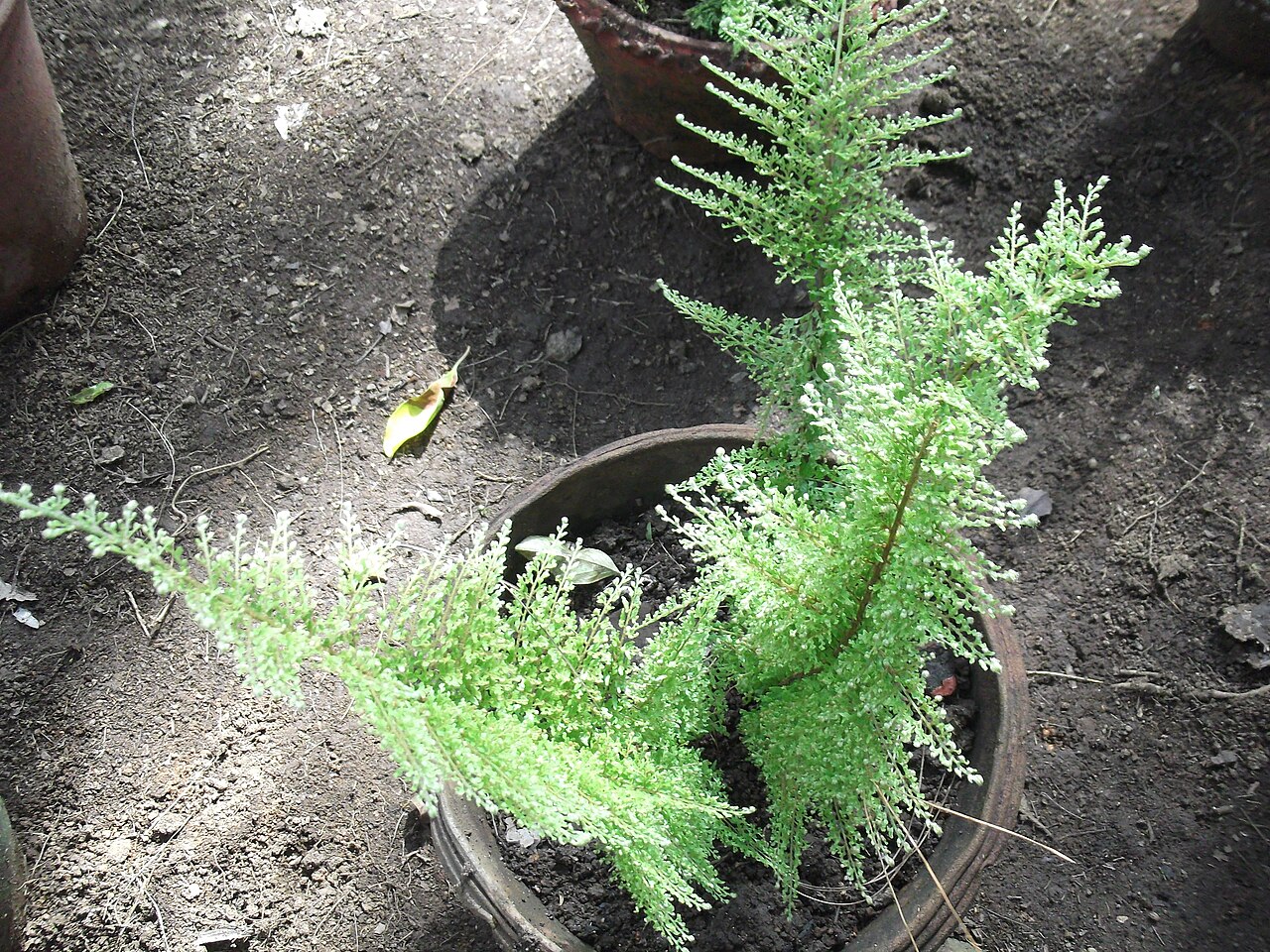
The Boston Fern is a popular, lush houseplant known for its arching fronds and preference for high humidity. It is widely considered safe for pets, though ingestion of any plant material can occasionally cause minor digestive upset.
Uncertain for cats.
Generally safe for dogs.