Cats & Dogs
Potentially toxicConsulted references classify the plant as toxic or irritating for that pet type.
Verified against ASPCA/provenance audit 2026-05-06 on May 6, 2026.
Sources
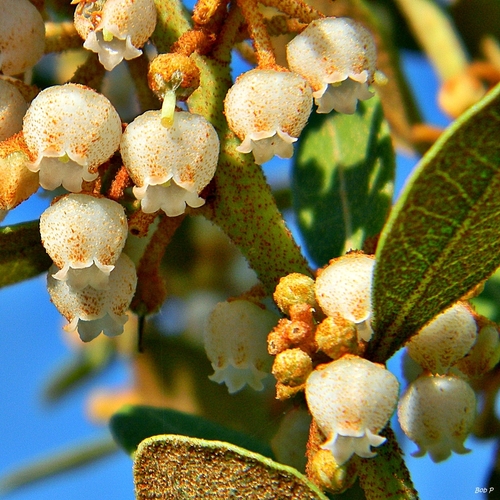
Lyonia spp.
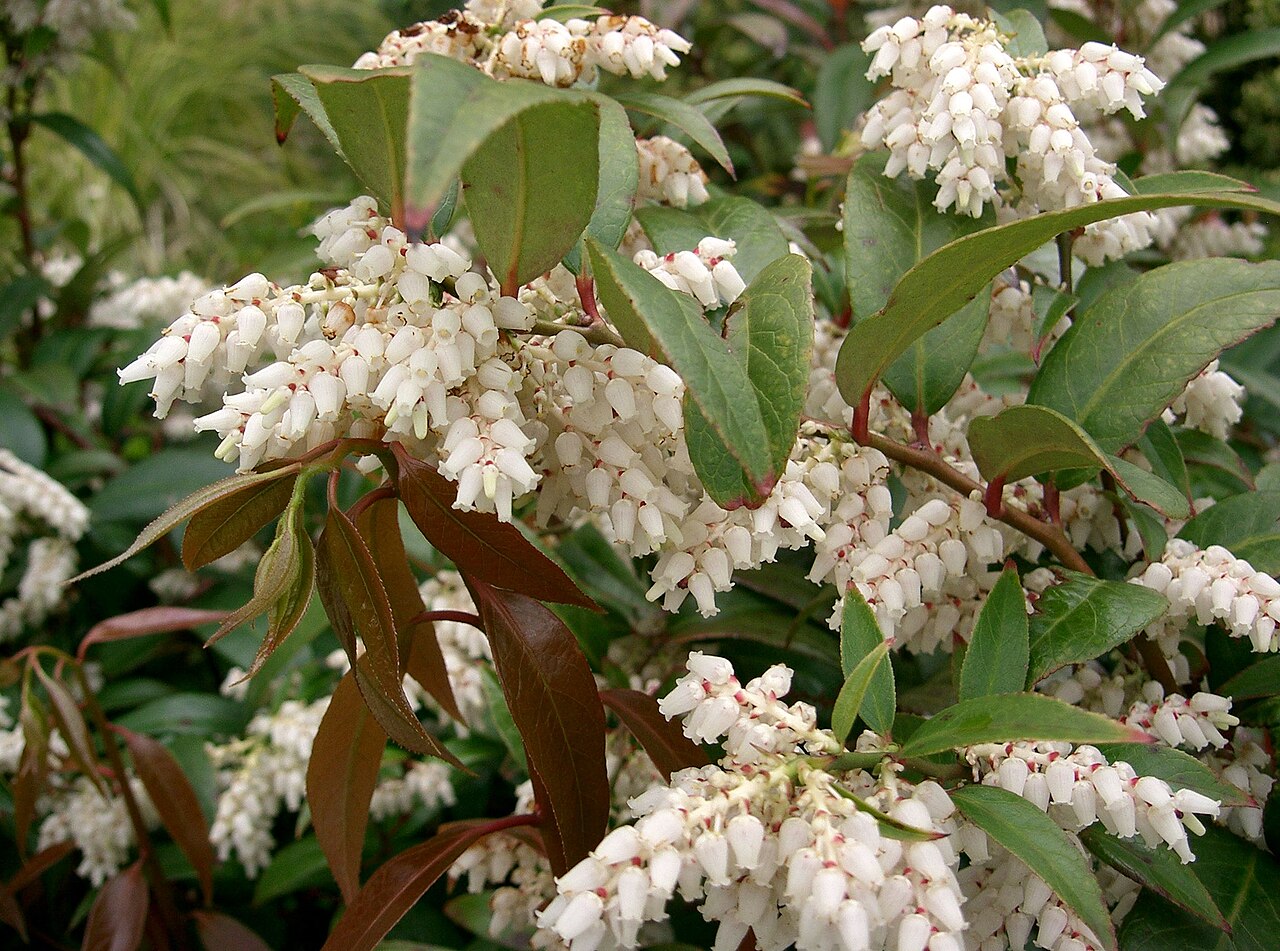
Fetterbush is a genus of evergreen shrubs in the heath family that contains grayanotoxins, which are harmful if ingested by pets. These plants are typically found in woodland or wetland environments and are not commonly kept as indoor houseplants.
Safety status
Cats & Dogs
Potentially toxicConsulted references classify the plant as toxic or irritating for that pet type.
Verified against ASPCA/provenance audit 2026-05-06 on May 6, 2026.
Sources
If a pet has chewed or swallowed plant material and is showing symptoms, contact a veterinarian or poison resource immediately. This product is for structured reference, not diagnosis.
Cats — concern notes
Common signs
Vomiting, diarrhea, excessive drooling, weakness, and potential cardiac irregularities.
Escalation note
Ingestion of any part of the plant can be serious. Please contact your veterinarian or an animal poison control center immediately if you suspect your cat has consumed this plant.
Dogs — concern notes
Common signs
Vomiting, diarrhea, abdominal pain, lethargy, and potential tremors or cardiac distress.
Escalation note
The grayanotoxins present in this plant can cause significant systemic distress. Seek immediate veterinary attention if ingestion is suspected.
Safer alternatives
No hand-picked alternatives for this plant yet. You can still pick your own using the Compare button on any other plant.
ASPCA Toxic Plant List
toxicology · 99% reliability
Fetterbush (Lyonia spp.) is listed as toxic to both cats and dogs due to the presence of grayanotoxins.
NC State Extension Plant Toolbox
botanical · 94% reliability
Lyonia lucida, commonly known as fetterbush, is a native evergreen shrub known for its bell-shaped flowers and potential toxicity if ingested.
Yes, fetterbush (Lyonia spp.) is potentially toxic to cats. It contains grayanotoxins, which can cause serious harm if any part of the plant is ingested — including leaves, flowers, nectar, and stems.
Signs of fetterbush poisoning in cats include excessive drooling, vomiting, diarrhea, and weakness. As the toxicity progresses, you may also see a wobbly gait, depression, and a slow or irregular heartbeat — the cardiac effects are what make this plant particularly dangerous.
Clinical signs from grayanotoxins typically develop within 1–4 hours of ingestion, though symptoms can take as long as 12 hours to appear, per the Merck Veterinary Manual. Don't wait for symptoms to worsen — cats are small enough that a few leaves can cause serious harm.
Call your veterinarian or the ASPCA Animal Poison Control Center at (888) 426-4435 immediately — this is not a watch-and-wait situation. Grayanotoxins can affect the heart, and any suspected ingestion warrants an emergency call rather than monitoring at home.
Yes, fetterbush (Lyonia spp.) is toxic to dogs. The plant contains grayanotoxins throughout all its parts — including nectar, flowers, leaves, and stems — and ingestion can cause significant systemic distress including gastrointestinal, cardiovascular, and neurological effects.
Signs typically begin with drooling, vomiting, and diarrhea, followed by weakness, tremors, abdominal pain, lethargy, and a slow or irregular heartbeat. Based on grayanotoxin exposure data from the Merck Veterinary Manual, symptoms usually develop within 1–4 hours of ingestion, though onset can be delayed up to 12 hours.
Call your vet or ASPCA Animal Poison Control (888-426-4435) immediately — do not wait for symptoms to appear. The cardiac effects of grayanotoxin can outpace the GI signs, so suspected ingestion warrants an emergency vet visit even if your dog seems fine at first.
All parts of the fetterbush plant are considered toxic to dogs, with nectar, flowers, leaves, and stems posing the greatest concern. Grayanotoxins are distributed throughout the plant, so there is no safe portion to expose a dog to.
Often compared with
Same safety verdict
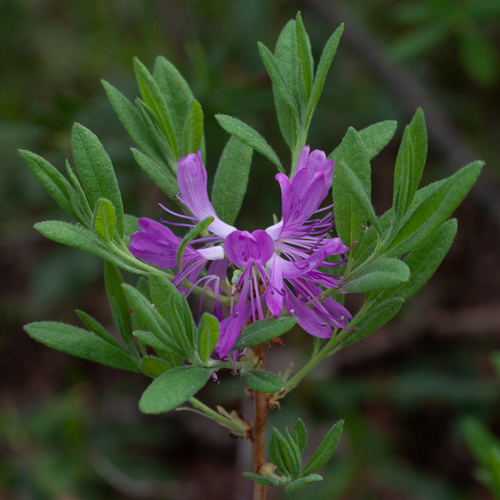
Azaleas are flowering shrubs in the Rhododendron genus that contain grayanotoxins, which can cause significant illness if ingested by pets. These plants are highly toxic and require immediate veterinary attention if consumption is suspected.
Potentially toxic for cats & dogs.
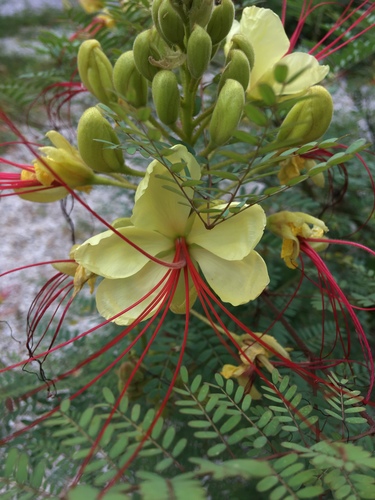
Barbados Pride is a flowering shrub known for its striking yellow flowers and long red stamens. It contains compounds that can cause gastrointestinal distress if ingested by pets.
Potentially toxic for cats & dogs.
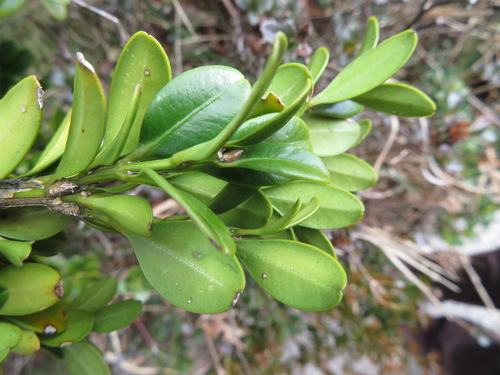
Boxwood is a popular evergreen shrub often used for hedging and topiary, containing steroidal alkaloids that can cause gastrointestinal distress if ingested. It is considered toxic to both cats and dogs.
Potentially toxic for cats & dogs.
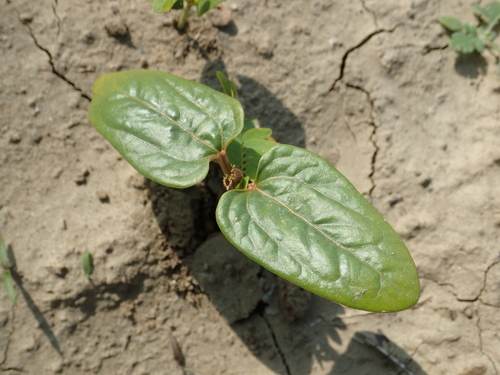
The African Wonder Tree is a fast-growing ornamental shrub known for its large, palm-like leaves and unique seed pods. It contains ricin, a highly potent toxin found throughout the plant, with the highest concentration in the seeds.
Potentially toxic for cats & dogs.