Cats & Dogs
Potentially toxicConsulted references classify the plant as toxic or irritating for that pet type.
Verified against ASPCA/provenance audit 2026-05-06 on May 6, 2026.
Sources
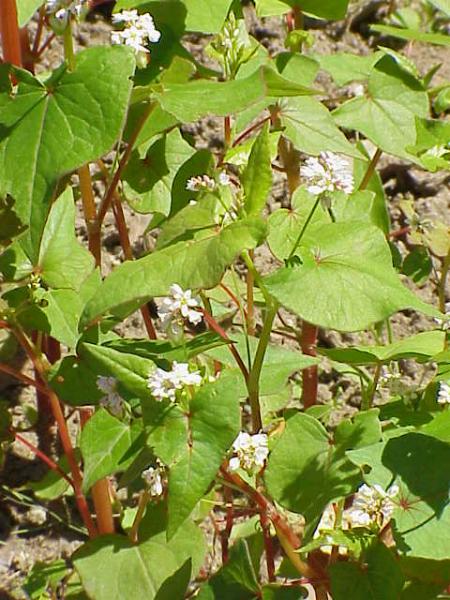
Fagopyrum spp.
Buckwheat is an herbaceous plant often grown for its grain-like seeds, but it contains compounds that can cause photosensitivity in animals if ingested in large quantities. It is generally considered a concern for pets if consumed in significant amounts.
Safety status
Cats & Dogs
Potentially toxicConsulted references classify the plant as toxic or irritating for that pet type.
Verified against ASPCA/provenance audit 2026-05-06 on May 6, 2026.
Sources
If a pet has chewed or swallowed plant material and is showing symptoms, contact a veterinarian or poison resource immediately. This product is for structured reference, not diagnosis.
Cats — concern notes
Common signs
Potential symptoms include skin irritation, redness, swelling, and increased sensitivity to sunlight (photosensitization) upon exposure.
Escalation note
While typically associated with livestock, ingestion by cats should be monitored. Contact your veterinarian if your cat shows signs of skin distress or unusual behavior.
Dogs — concern notes
Common signs
Potential symptoms include skin irritation, redness, swelling, and increased sensitivity to sunlight (photosensitization) upon exposure.
Escalation note
Ingestion may lead to photosensitivity reactions. If your dog has consumed this plant and exhibits skin irritation or discomfort, please contact your veterinarian.
Safer alternatives
No hand-picked alternatives for this plant yet. You can still pick your own using the Compare button on any other plant.
ASPCA Toxic Plant List
toxicology · 99% reliability
Buckwheat is listed as toxic to cats and dogs due to potential photosensitization.
Kew Plants of the World Online
botanical · 95% reliability
Taxonomic record for Fagopyrum esculentum, the common buckwheat.
Buckwheat (Fagopyrum spp.) occupies an unusual middle ground: the ASPCA classifies it as non-toxic to cats, but it is flagged as potentially toxic in broader veterinary literature due to compounds that can cause photosensitization. Significant reactions in cats would be unexpected, but ingestion in large quantities warrants monitoring.
The theoretical risk is photosensitization — redness, itching, or irritation on lightly pigmented or sparsely furred areas such as the ears, eyelids, and nose — appearing after the cat has been in direct sunlight following a meaningful ingestion. The ASPCA does not list cat-specific signs because it classifies buckwheat as non-toxic, so these effects are poorly documented in cats.
Keep your cat out of direct sunlight for the rest of the day and watch for skin redness, itching, vomiting, or refusal to eat. Call your vet if any of those signs appear, and contact ASPCA Animal Poison Control at (888) 426-4435 if you are unsure about the amount ingested.
Buckwheat contains furanocoumarins and related compounds that, when metabolized, can sensitize skin cells to UV radiation — a mechanism called photosensitization. In livestock this is well documented, but the time window and threshold for this effect in cats is not well established, and the ASPCA considers the overall risk non-toxic for the species.
Buckwheat is classified as potentially toxic to dogs, though the ASPCA does not list it as toxic to dogs specifically. The primary concern is photosensitization — compounds in the plant can cause sun-triggered skin reactions if a dog consumes significant amounts.
Symptoms, if they occur, would likely appear after sun exposure rather than immediately after eating. Watch for sun-triggered redness, itching, swelling, or scabbing on lightly pigmented or thinly furred areas such as the ears, muzzle, belly, and inner thighs.
Keep your dog out of direct sunlight and monitor for skin redness, swelling, or itching on exposed areas. If your dog vomits repeatedly, becomes lethargic, or develops sun-triggered skin irritation, call your vet. For ingestion of an unknown amount, contact ASPCA Animal Poison Control at (888) 426-4435.
Photosensitization reactions are not well documented for dogs and the timing is uncertain — but the mechanism means signs would emerge after sun exposure rather than at the moment of ingestion. Keep a recently exposed dog indoors or shaded and watch for skin changes over the following hours.
Same safety verdict
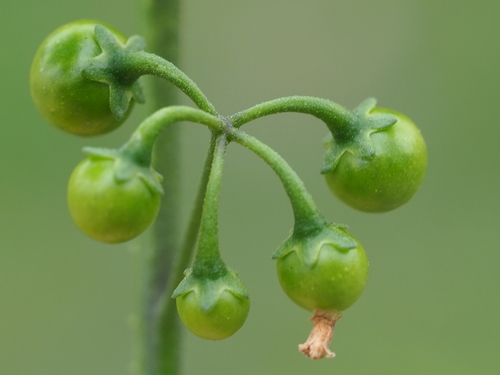
Black Nightshade is an herbaceous plant in the Solanaceae family containing solanine alkaloids that are harmful if ingested. It is widely considered a weed and is not typically cultivated as an indoor houseplant.
Potentially toxic for cats & dogs.
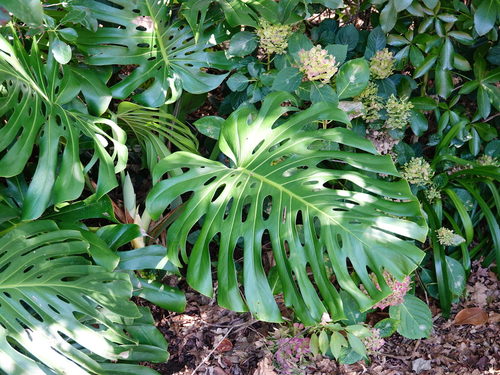
Monstera deliciosa is a popular tropical houseplant known for its large, fenestrated leaves and vining growth habit. It contains insoluble calcium oxalate crystals that can cause irritation if ingested by pets.
Potentially toxic for cats & dogs.
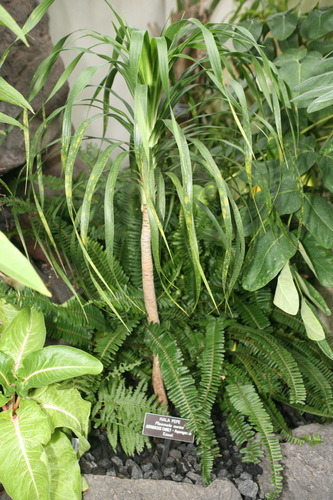
Dracaena trifasciata is a popular, hardy houseplant known for its stiff, sword-like leaves with striking yellow margins. It is widely appreciated for its air-purifying qualities and ability to thrive in various indoor conditions.
Potentially toxic for cats & dogs.
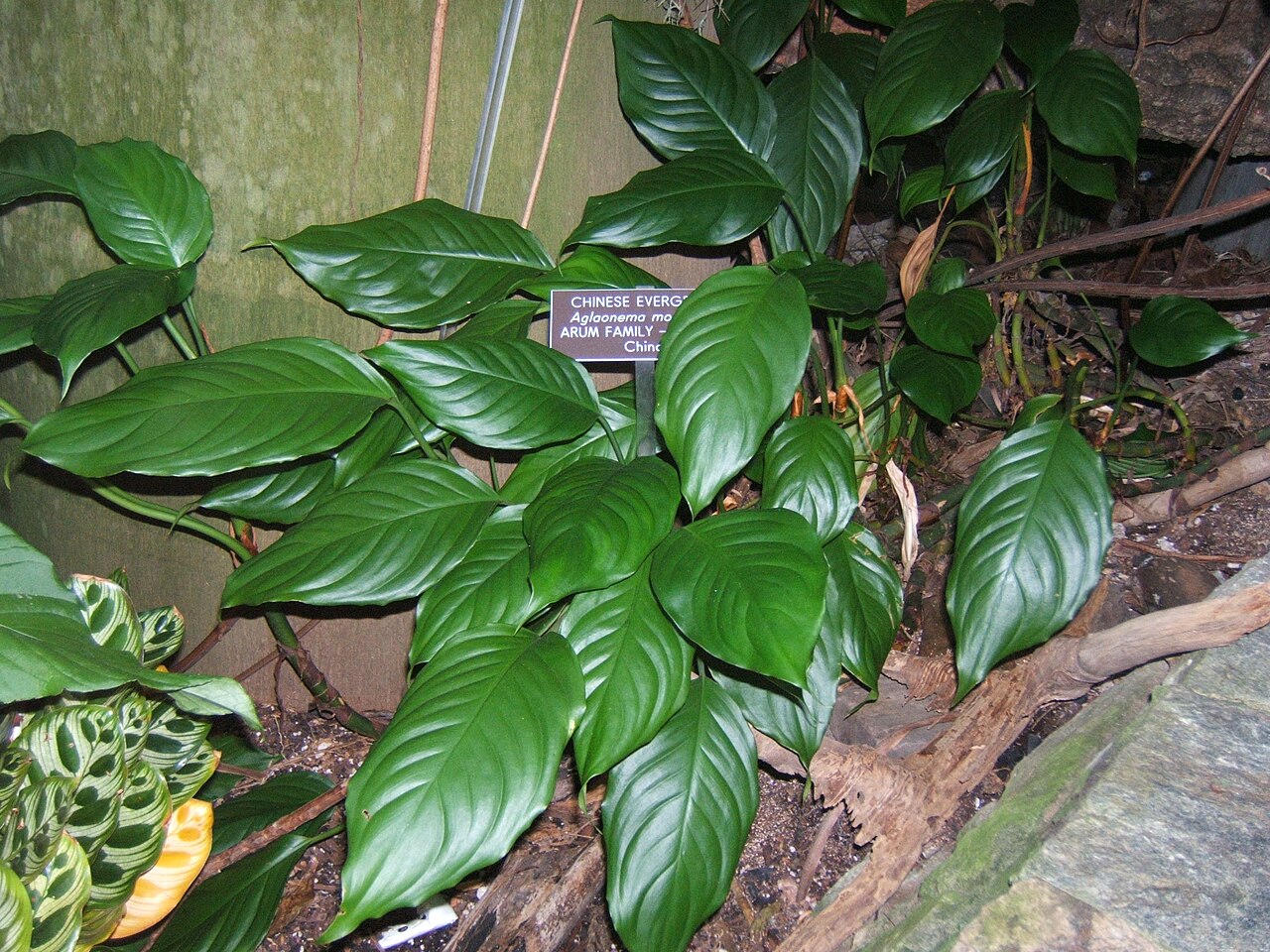
Chinese Evergreen is a popular indoor foliage plant known for its patterned leaves and tolerance of low light conditions. It contains insoluble calcium oxalate crystals that can cause irritation if ingested or chewed.
Potentially toxic for cats & dogs.