Cats & Dogs
Potentially toxicConsulted references classify the plant as toxic or irritating for that pet type.
Verified against ASPCA/provenance audit 2026-05-06 on May 6, 2026.
Sources
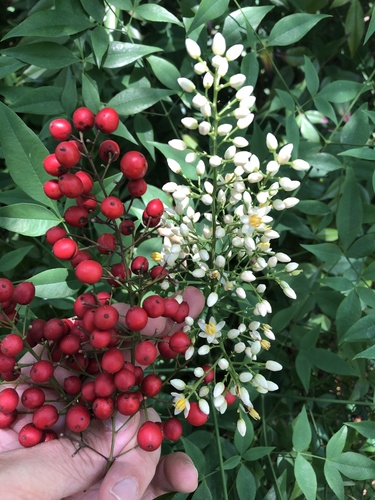
Nandina domestica
Nandina domestica is an evergreen shrub often grown for its attractive foliage and bright red berries. Despite its common name, it is not a true bamboo and contains cyanogenic glycosides that are harmful if ingested.
Safety status
Cats & Dogs
Potentially toxicConsulted references classify the plant as toxic or irritating for that pet type.
Verified against ASPCA/provenance audit 2026-05-06 on May 6, 2026.
Sources
If a pet has chewed or swallowed plant material and is showing symptoms, contact a veterinarian or poison resource immediately. This product is for structured reference, not diagnosis.
Cats — concern notes
Common signs
Vomiting, diarrhea, abdominal pain, and potential respiratory distress.
Escalation note
Ingestion of the berries or leaves can lead to cyanide poisoning. Please contact your veterinarian or an animal poison control center immediately if ingestion is suspected.
Dogs — concern notes
Common signs
Vomiting, diarrhea, lethargy, and in severe cases, difficulty breathing or seizures.
Escalation note
The plant contains cyanogenic glycosides which release hydrogen cyanide upon digestion. Seek veterinary attention immediately if your dog consumes any part of this plant.
Safer alternatives
No hand-picked alternatives for this plant yet. You can still pick your own using the Compare button on any other plant.
ASPCA Toxic Plant List
toxicology · 99% reliability
Nandina domestica contains cyanogenic glycosides and is toxic to cats and dogs.
NC State Extension Plant Toolbox
botanical · 94% reliability
Nandina domestica is a broadleaf evergreen shrub that is considered toxic to pets due to the presence of cyanogenic glycosides.
Signs of cyanide toxicity can appear within 15–20 minutes of a cat consuming the berries, and rapid deterioration is possible without prompt treatment. The fast onset means you should seek emergency veterinary care the moment ingestion is suspected, not after symptoms develop.
Yes, Heavenly Bamboo (Nandina domestica) is toxic to cats. Despite its decorative appeal, the plant contains cyanogenic glycosides that can cause cyanide poisoning if berries or leaves are ingested.
Symptoms include weakness, incoordination, rapid breathing, vomiting, dilated pupils, and abdominal pain. Severe cases can progress to seizures, collapse, and respiratory failure. Bitter-almond breath or cherry-red gums are classic signs of cyanide toxicity.
Call ASPCA Animal Poison Control at (888) 426-4435 or your nearest emergency vet immediately — do not wait for symptoms to appear. Cyanide can act within minutes, making this a true emergency where speed is critical.
Yes, heavenly bamboo (Nandina domestica) is toxic to dogs. Despite its ornamental popularity, it contains cyanogenic glycosides that release hydrogen cyanide when digested, making all parts of the plant — including the bright red berries — potentially dangerous.
Symptoms include weakness, staggering, rapid or labored breathing, vomiting, diarrhea, lethargy, and bright-red gums. Severe cases can progress to seizures, collapse, and respiratory failure. Signs of cyanide toxicity typically appear within 15–20 minutes of berry ingestion and can deteriorate rapidly.
Call ASPCA Poison Control at (888) 426-4435 or your nearest emergency vet immediately — do not wait for symptoms to appear. With berry ingestion, every minute matters, and cyanide toxicity can become life-threatening very quickly.
Signs of cyanide toxicity generally occur within 15–20 minutes of consuming the berries. Watch for weakness, staggering, labored breathing, vomiting, and bright-red gums; a bitter-almond odor on the breath is a classic but inconsistent sign. Poisoning can progress to seizures and respiratory failure without prompt veterinary treatment.
Same safety verdict
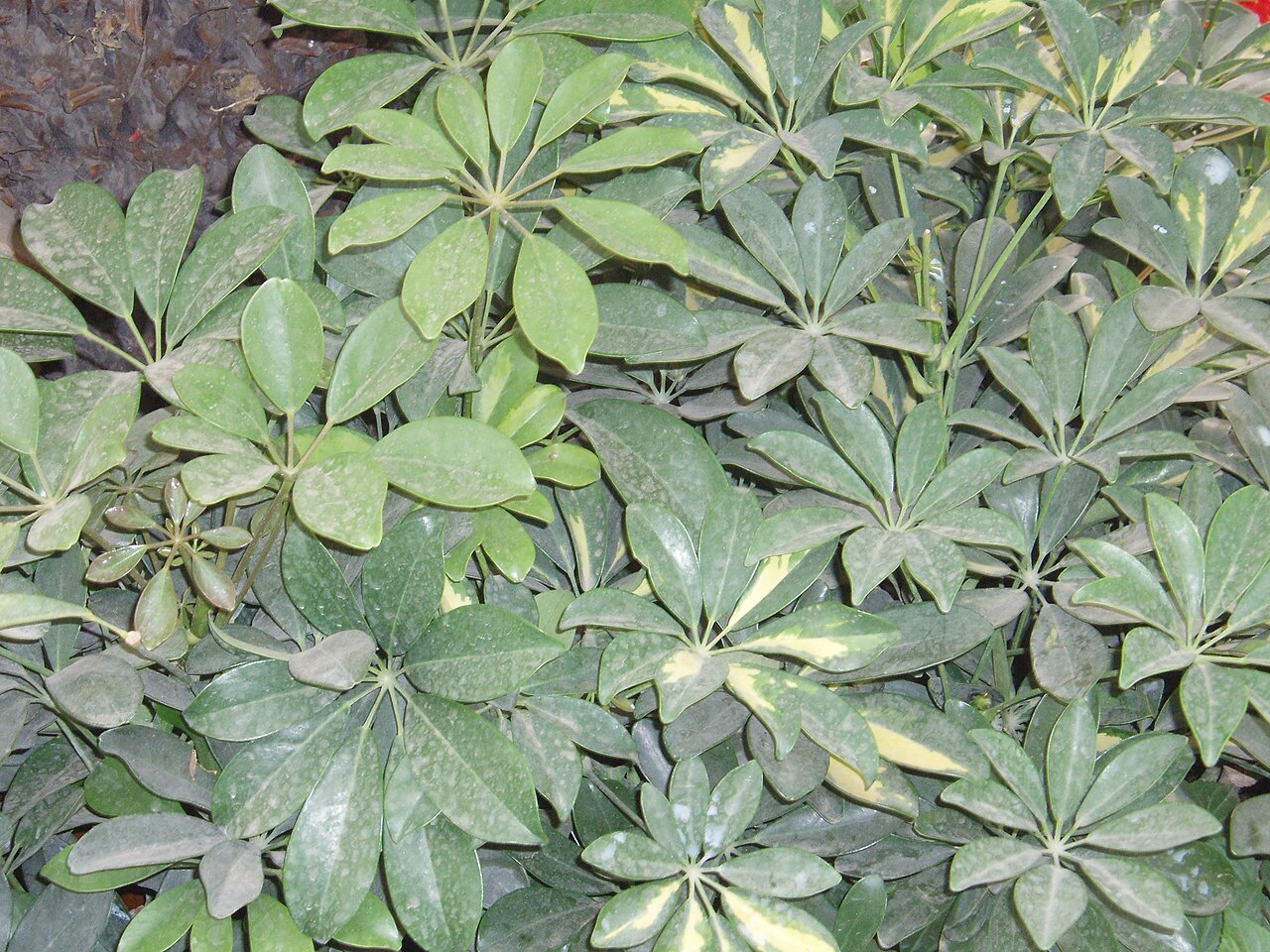
Schefflera is a popular tropical houseplant known for its glossy, palm-like leaflets arranged in a circular pattern. It contains insoluble calcium oxalate crystals that can cause irritation upon ingestion.
Potentially toxic for cats & dogs.
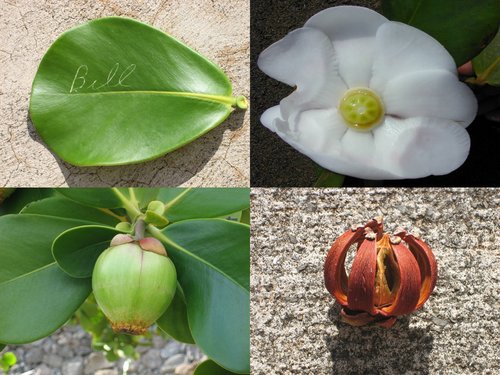
Clusia major is a tropical evergreen shrub known for its thick, leathery leaves and unique ability to grow as an epiphyte. It is commonly kept as a houseplant for its architectural foliage, but it contains compounds that can cause irritation if ingested by pets.
Potentially toxic for cats & dogs.
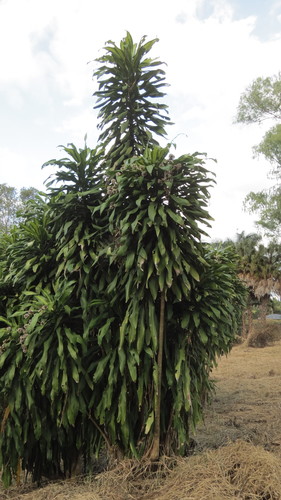
The Corn Plant is a popular indoor shrub known for its long, arching, sword-like leaves that resemble corn stalks. While aesthetically pleasing, it contains saponins that can cause adverse reactions if ingested by pets.
Potentially toxic for cats & dogs.
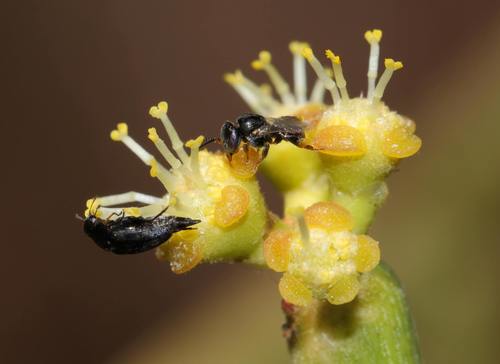
The Pencil Cactus is a succulent shrub known for its pencil-thin, leafless branches that contain a highly irritating milky white sap. It is widely recognized for its ornamental value but requires careful handling due to its toxic properties.
Potentially toxic for cats & dogs.