Cats & Dogs
Potentially toxicConsulted references classify the plant as toxic or irritating for that pet type.
Verified against ASPCA/provenance audit 2026-05-06 on May 6, 2026.
Sources
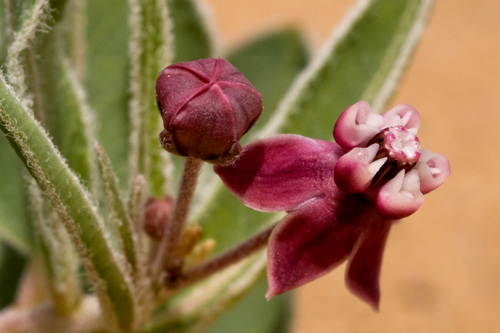
Asclepias species
Milkweed is a diverse genus of herbaceous perennials known for their milky sap and importance to pollinators. All parts of the plant are considered toxic to pets due to the presence of cardiac glycosides.
Safety status
Cats & Dogs
Potentially toxicConsulted references classify the plant as toxic or irritating for that pet type.
Verified against ASPCA/provenance audit 2026-05-06 on May 6, 2026.
Sources
If a pet has chewed or swallowed plant material and is showing symptoms, contact a veterinarian or poison resource immediately. This product is for structured reference, not diagnosis.
Cats — concern notes
Common signs
Vomiting, diarrhea, weakness, difficulty breathing, and in severe cases, cardiac arrhythmias or tremors.
Escalation note
Ingestion can lead to serious systemic effects due to cardiac glycosides. Please contact your veterinarian or an animal poison control center immediately if ingestion is suspected.
Dogs — concern notes
Common signs
Drooling, vomiting, abdominal pain, lethargy, and potential heart rate irregularities or seizures.
Escalation note
The toxins in milkweed can affect the cardiovascular and nervous systems. Seek veterinary care promptly if your dog has consumed any part of this plant.
Safer alternatives
No hand-picked alternatives for this plant yet. You can still pick your own using the Compare button on any other plant.
ASPCA Toxic Plant List
toxicology · 99% reliability
Milkweed contains cardiac glycosides which can cause vomiting, diarrhea, and heart rhythm abnormalities in pets.
NC State Extension Plant Toolbox
botanical · 94% reliability
Asclepias species are known for their milky latex sap and are toxic to humans and animals if ingested.
Yes, milkweed (Asclepias species) is toxic to cats. All parts of the plant contain cardiac glycosides, and ingestion can cause serious systemic effects including vomiting, diarrhea, weakness, difficulty breathing, and in severe cases, cardiac arrhythmias or tremors.
Early signs include vomiting, profound depression, weakness, anorexia, and diarrhea, typically appearing within the first 2 hours of exposure. Severe cases can progress to seizures, difficulty breathing, rapid weak pulse, dilated pupils, and in the worst cases, coma or respiratory paralysis. Signs can persist up to 4–5 days; do not treat any milkweed ingestion as mild GI upset.
Remove your cat from the plant and clear any leaves or sap from the mouth, then call your vet, the ASPCA Animal Poison Control Center (888-426-4435), or Pet Poison Helpline (855-764-7661) immediately — don't wait for symptoms to appear. Do NOT induce vomiting unless a veterinarian explicitly instructs you to; your vet may use activated charcoal or controlled emesis depending on timing. Bring a sample or photo of the plant to the clinic.
All parts of the milkweed plant are considered toxic to cats, including the leaves, stems, flowers, and the characteristic milky sap. The toxic agents are cardiac glycosides present throughout the plant, so even small exposures warrant an immediate call to your vet or the ASPCA APCC (888-426-4435).
Yes, milkweed (Asclepias species) is toxic to dogs. All parts of the plant contain cardiac glycosides that can affect the cardiovascular and nervous systems, making prompt veterinary care essential if your dog has eaten any part of it.
Early signs include drooling, vomiting, abdominal pain, profound depression, weakness, anorexia, and diarrhea. As poisoning progresses, dogs may develop seizures, difficulty breathing, a rapid weak pulse, dilated pupils, and in severe cases kidney or liver failure, coma, or respiratory paralysis. ASPCA reports onset within 2 hours of ingestion, with signs potentially persisting 4–5 days.
Remove your dog from the plant and clear any leaves or milky sap from the mouth, then call your vet, the ASPCA Animal Poison Control Center at (888) 426-4435, or Pet Poison Helpline at (855) 764-7661 immediately — do not wait for symptoms to appear. Do NOT induce vomiting unless explicitly directed by a vet or poison helpline, as they may prefer activated charcoal or controlled emesis depending on timing. Bring a piece of the plant or a photo to the clinic for identification.
Signs can appear within 2 hours of ingestion. Most dogs that receive prompt treatment recover within a day or two in a calm, supportive environment, according to Pet Poison Helpline. Treatment may include activated charcoal, induced emesis, or digoxin-specific antibodies depending on the timing of ingestion and the Asclepias species involved — early intervention is the key factor in outcome.
Same safety verdict
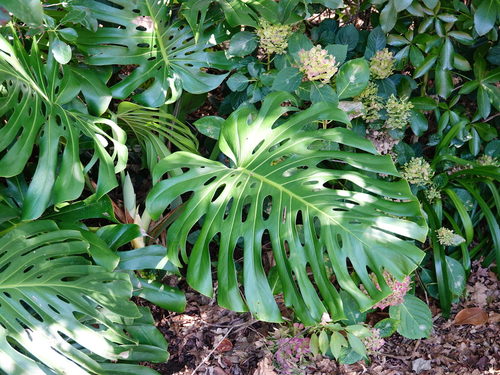
Monstera deliciosa is a popular tropical houseplant known for its large, fenestrated leaves and vining growth habit. It contains insoluble calcium oxalate crystals that can cause irritation if ingested by pets.
Potentially toxic for cats & dogs.
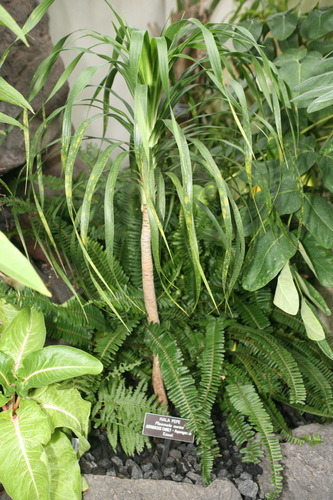
Dracaena trifasciata is a popular, hardy houseplant known for its stiff, sword-like leaves with striking yellow margins. It is widely appreciated for its air-purifying qualities and ability to thrive in various indoor conditions.
Potentially toxic for cats & dogs.
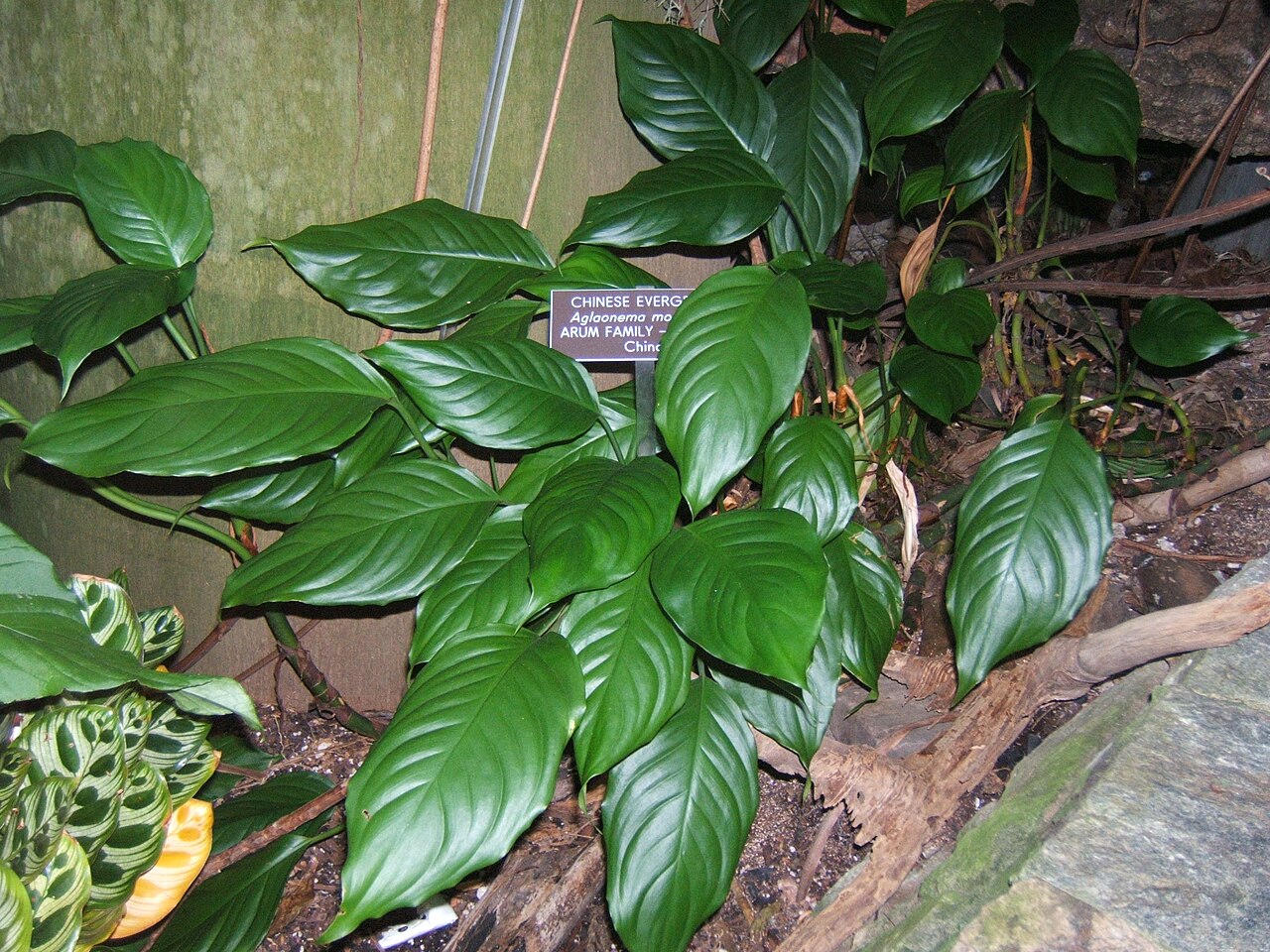
Chinese Evergreen is a popular indoor foliage plant known for its patterned leaves and tolerance of low light conditions. It contains insoluble calcium oxalate crystals that can cause irritation if ingested or chewed.
Potentially toxic for cats & dogs.
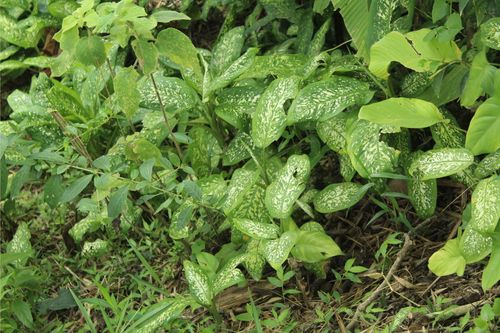
Dieffenbachia is a popular tropical houseplant known for its large, variegated leaves. It contains insoluble calcium oxalate crystals that can cause irritation if ingested or chewed.
Potentially toxic for cats & dogs.