Cats & Dogs
Potentially toxicConsulted references classify the plant as toxic or irritating for that pet type.
Verified against ASPCA/provenance audit 2026-05-06 on May 6, 2026.
Sources
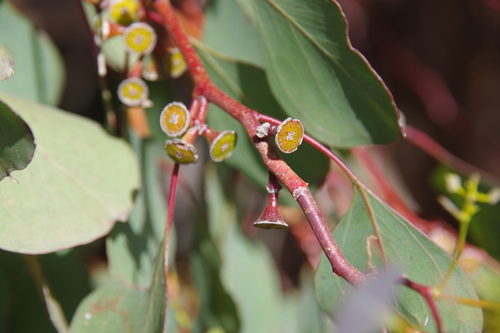
Eucalyptus species
Eucalyptus is a diverse genus of evergreen trees and shrubs known for their aromatic, oil-rich foliage. While popular in floral arrangements and essential oils, the plant contains compounds that can be harmful if ingested by pets.
Safety status
Cats & Dogs
Potentially toxicConsulted references classify the plant as toxic or irritating for that pet type.
Verified against ASPCA/provenance audit 2026-05-06 on May 6, 2026.
Sources
If a pet has chewed or swallowed plant material and is showing symptoms, contact a veterinarian or poison resource immediately. This product is for structured reference, not diagnosis.
Cats — concern notes
Common signs
Salivation, vomiting, diarrhea, and depression.
Escalation note
Ingestion can lead to gastrointestinal distress. Please contact your veterinarian or an animal poison control center if you suspect your cat has ingested any part of this plant.
Dogs — concern notes
Common signs
Excessive drooling, vomiting, diarrhea, and lethargy.
Escalation note
The essential oils and plant material can cause irritation to the digestive tract. Always consult a veterinarian if your dog shows signs of illness after exposure.
Safer alternatives
Some links earn us a small commission. They never affect our safety classifications.
ASPCA Toxic Plant List
toxicology · 99% reliability
Eucalyptus is listed as toxic to both cats and dogs, causing symptoms such as salivation, vomiting, and diarrhea.
Kew Plants of the World Online
botanical · 95% reliability
Provides the accepted botanical nomenclature and taxonomic classification for the genus Eucalyptus.
Yes, eucalyptus is toxic to cats. The ASPCA classifies it as potentially toxic, and exposure — whether from chewing leaves, contact with essential oil, or diffuser mist — can cause salivation, vomiting, diarrhea, and depression.
The ASPCA lists salivation, vomiting, diarrhea, and depression as the primary symptoms. Pet Poison Helpline adds drooling, lethargy, and anorexia, plus respiratory, dermal, and mucous-membrane irritation. With concentrated eucalyptus oil, more serious signs like tremors, seizures, or decreased urination can indicate kidney injury.
If the oil is on your cat's skin or fur, wash it off immediately with liquid dishwashing detergent. Do NOT induce vomiting and do NOT give activated charcoal at home — both can worsen your cat's condition. Call your vet or the ASPCA Animal Poison Control Center at (888) 426-4435 right away, and bring the product packaging to the clinic.
Pet Poison Helpline notes that signs from essential-oil exposure typically develop within 6–8 hours. Call your vet or Pet Poison Helpline (855-764-7661) at the first sign of drooling or vomiting — don't wait for symptoms to worsen before seeking help.
Yes, eucalyptus is toxic to dogs. The plant's essential oils and foliage can irritate the digestive tract, causing excessive drooling, vomiting, diarrhea, and lethargy. Concentrated eucalyptus oil products pose a higher risk than incidental contact with plant material.
The ASPCA lists salivation, vomiting, diarrhea, and depression as the primary signs. With higher-dose exposure — particularly from concentrated oils — Pet Poison Helpline reports tremors, seizures, staggering, weakness, refusal to eat, and rare acute kidney injury. Signs typically develop within 6–8 hours of exposure.
Do NOT induce vomiting and do NOT give activated charcoal — both can make the situation worse. If oil is on the skin or fur, wash it off promptly with liquid dishwashing detergent. Call ASPCA Animal Poison Control at (888) 426-4435 or Pet Poison Helpline, and bring the product container with you to the vet clinic.
Yes — concentrated eucalyptus oil (diffuser blends, topical products, oil reservoirs) carries a higher risk than chewing a leaf or branch, because the toxic compounds are far more concentrated. Pet Poison Helpline specifically flags ingesting concentrated oil or drinking from an oil reservoir as scenarios that warrant an immediate call to poison control.
Same safety verdict
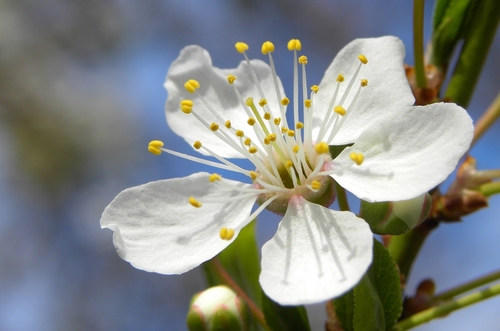
Cherry trees and shrubs contain cyanogenic glycosides in their stems, leaves, and pits, which can release cyanide when ingested. These plants are considered toxic to pets and should be kept out of reach.
Potentially toxic for cats & dogs.
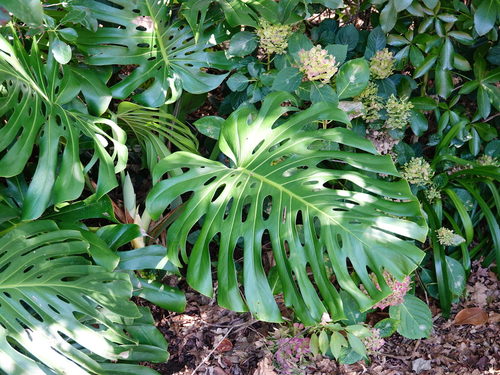
Monstera deliciosa is a popular tropical houseplant known for its large, fenestrated leaves and vining growth habit. It contains insoluble calcium oxalate crystals that can cause irritation if ingested by pets.
Potentially toxic for cats & dogs.

Dracaena trifasciata is a popular, hardy houseplant known for its stiff, sword-like leaves with striking yellow margins. It is widely appreciated for its air-purifying qualities and ability to thrive in various indoor conditions.
Potentially toxic for cats & dogs.
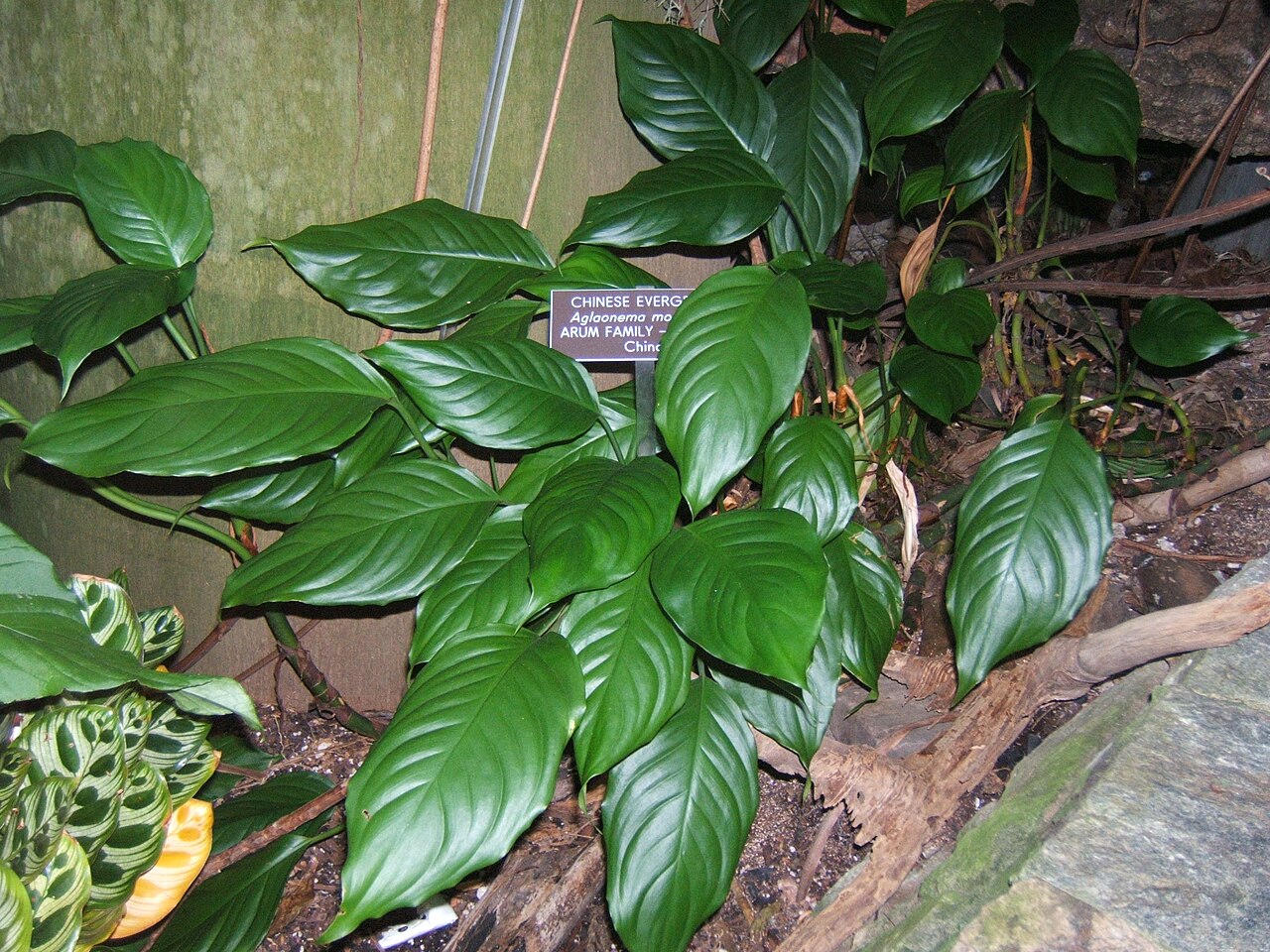
Chinese Evergreen is a popular indoor foliage plant known for its patterned leaves and tolerance of low light conditions. It contains insoluble calcium oxalate crystals that can cause irritation if ingested or chewed.
Potentially toxic for cats & dogs.
Same growing conditions
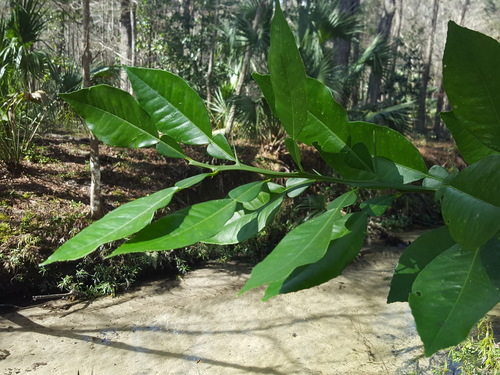
Citrus aurantium is a citrus tree known for its fragrant flowers and bitter fruit, often used in essential oil production. It contains compounds that can cause adverse reactions if ingested by pets.
Potentially toxic for cats & dogs.
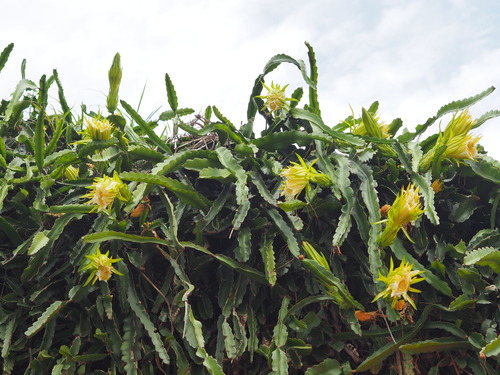
The Dragon Fruit Cactus is a fast-growing, vining succulent known for its large, fragrant nocturnal flowers and edible fruit. It is considered non-toxic to pets, though its fibrous nature may cause mild digestive upset if consumed in large quantities.
Generally safe for cats & dogs.
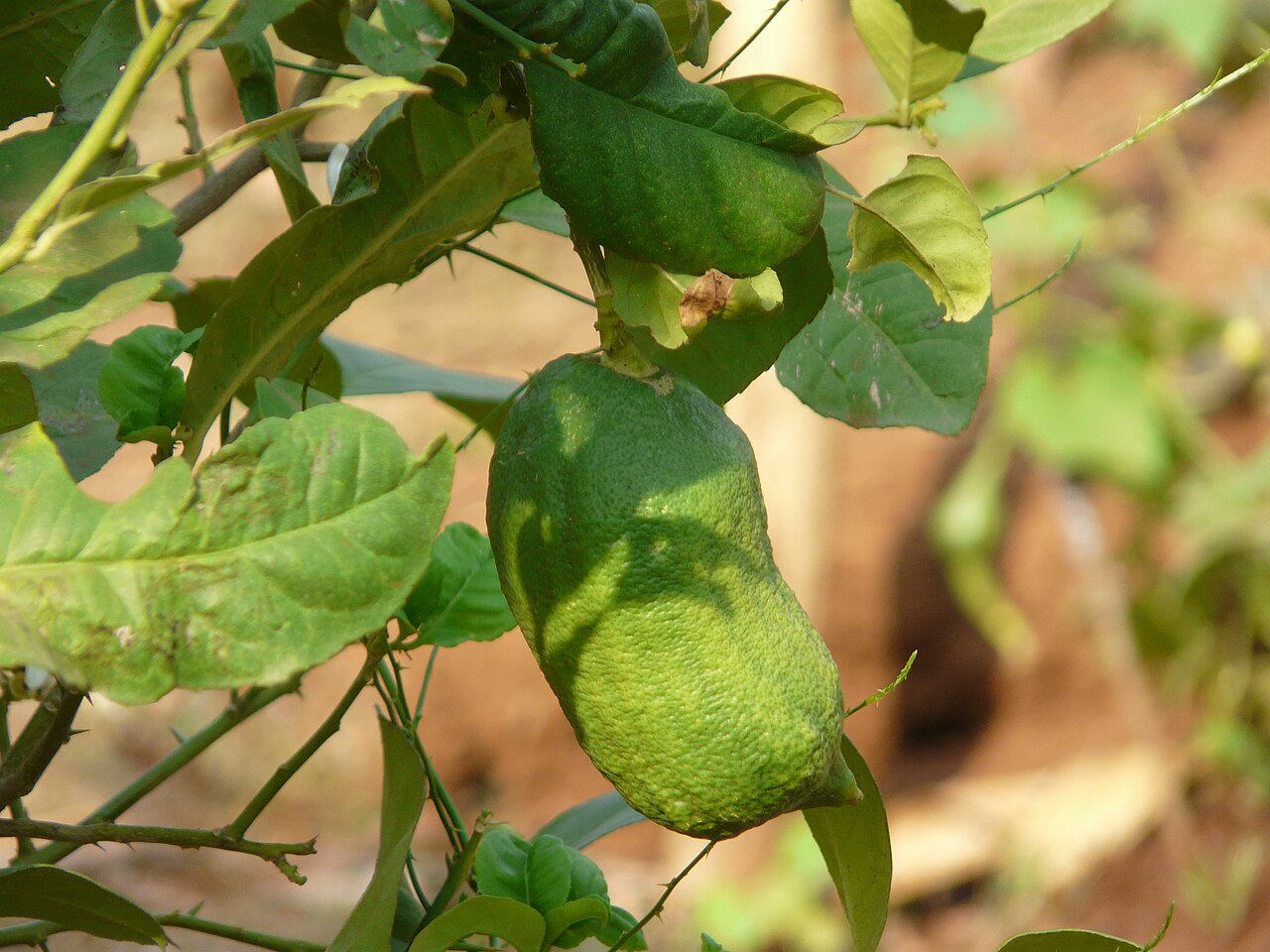
Grapefruit is a citrus tree known for its large, tart fruit and glossy, aromatic foliage. While popular in home orchards, all parts of the plant contain essential oils and psoralens that can cause adverse reactions in pets.
Potentially toxic for cats & dogs.
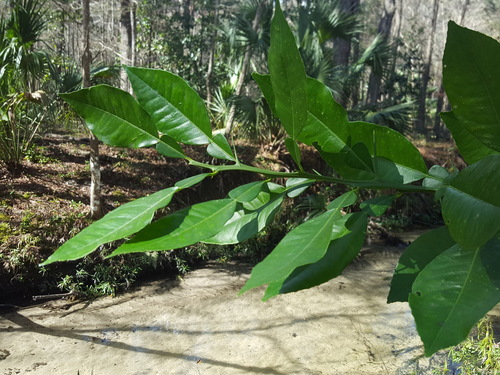
The sweet orange is a popular citrus tree known for its fragrant blossoms and edible fruit. While the fruit is a common food item, the essential oils and plant parts contain compounds that can cause irritation to pets.
Potentially toxic for cats & dogs.